
The name “Five Points” evokes a vivid, often grim, image in the historical tapestry of New York City. It stands as a powerful symbol of 19th-century urban squalor, immigrant struggle, and surprising cultural dynamism. Far from being an abstract historical concept, Five Points was a tangible place, a specific district in Lower Manhattan whose legacy continues to resonate through the city’s architecture, social fabric, and collective memory. For modern travelers interested in the authentic pulse of a destination, understanding places like Five Points offers an unparalleled insight into the complex layers that define New York City today – a city of remarkable transformation, diverse cultures, and enduring spirit. Exploring its past isn’t just a historical exercise; it’s a journey into the very foundations of American urban life, revealing the struggles and triumphs that shaped one of the world’s most iconic metropolises.

Unearthing the Location: The Geographic Footprint of Five Points
To understand “Where was Five Points?” one must delve into the geographical evolution of Lower Manhattan. The district’s infamous reputation was inextricably linked to its unique, and ultimately ill-fated, location – a testament to how urban planning, or the lack thereof, can profoundly impact human lives and the trajectory of a city.
A Confluence of Neighborhoods and Poverty
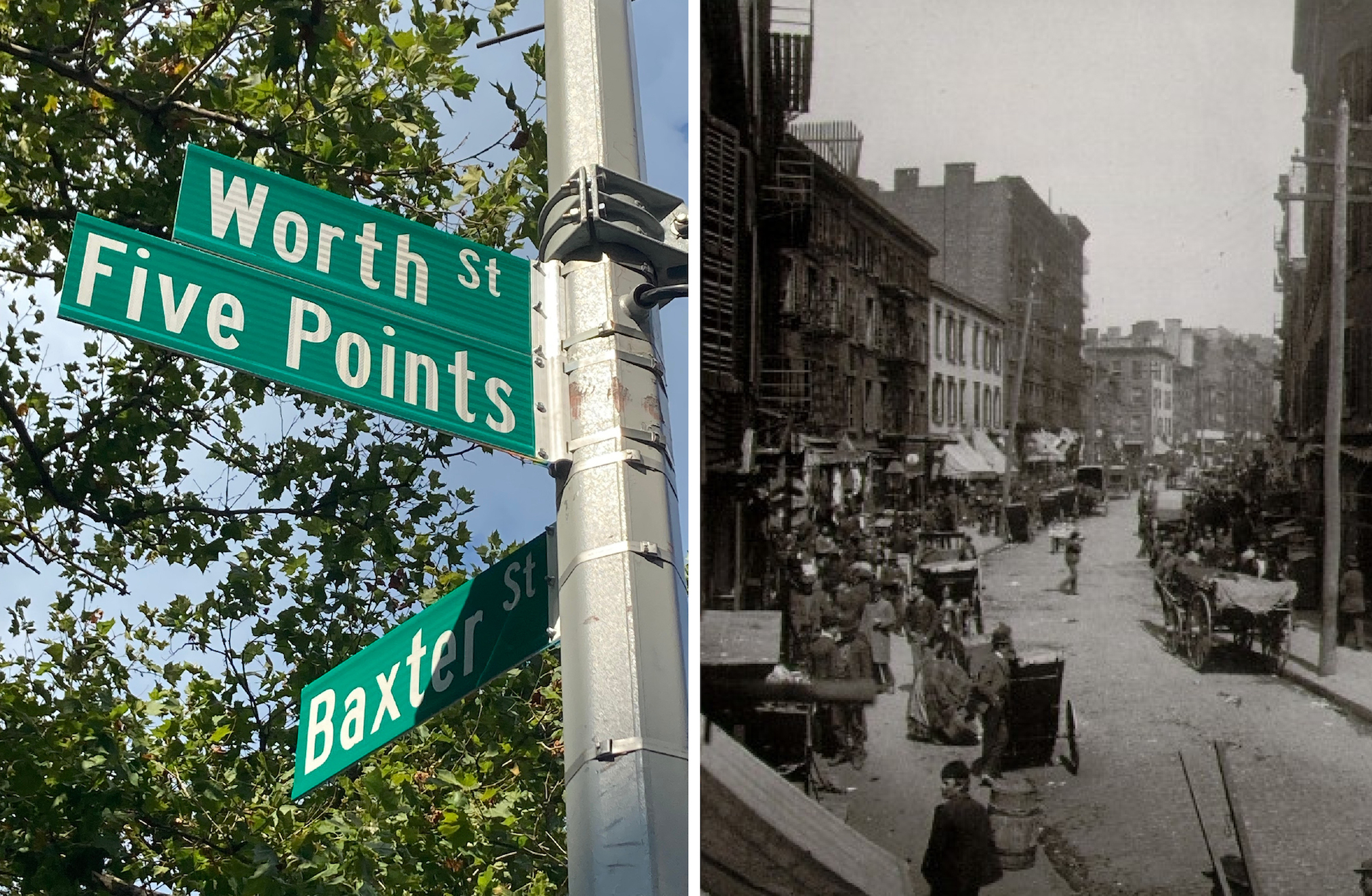
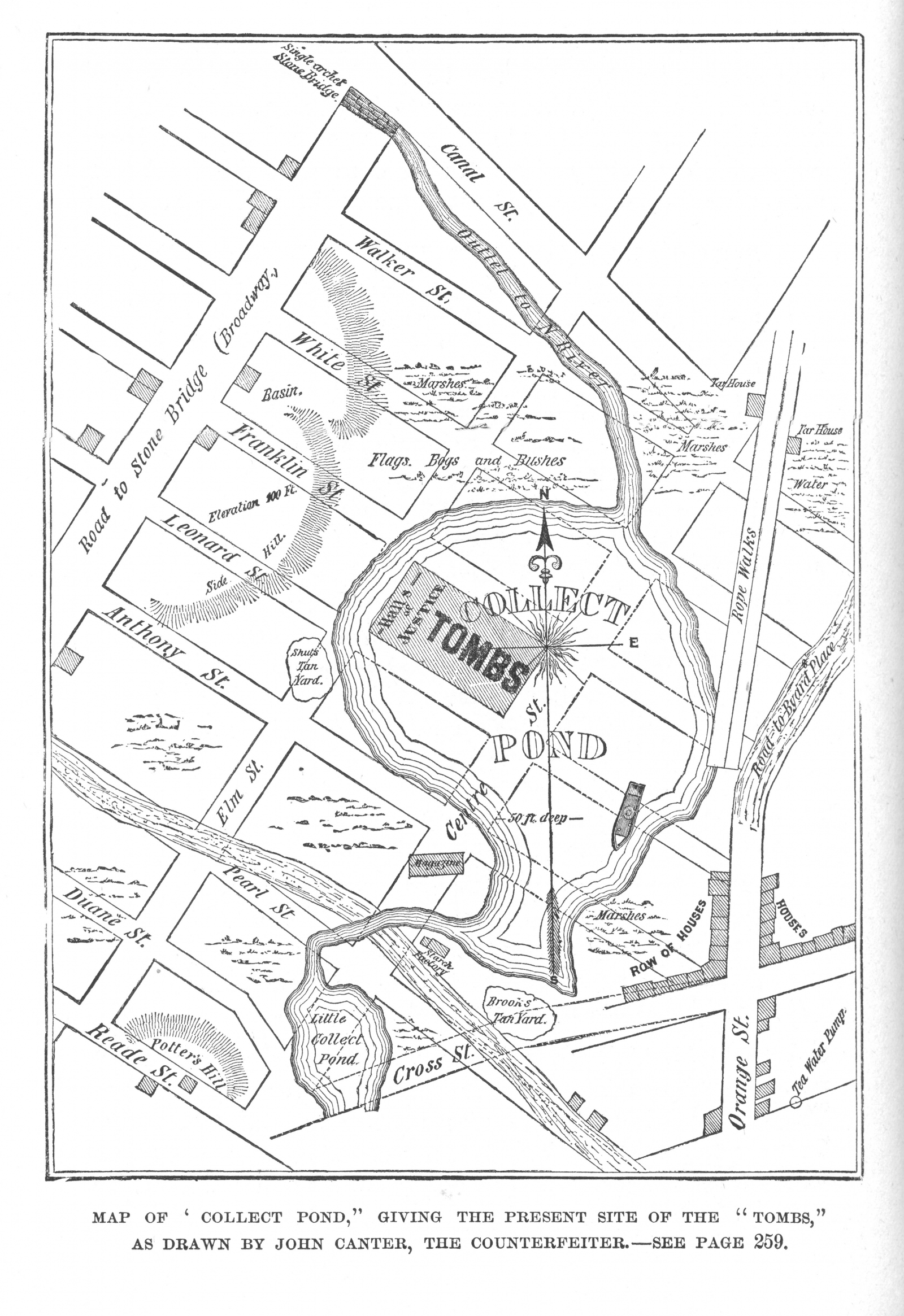
Five Points was situated in what is now roughly the triangle formed by Centre Street to the west, Bowery to the east, and Chatham Square to the south. More precisely, it was defined by the intersection of five streets: Orange Street (now Baxter Street), Cross Street (now Mosco Street), and Anthony Street (now Worth Street), which converged at a point. The “fifth point” was historically debated, sometimes attributed to Park Street or the point created by Little Water Street and Mulberry Street. This complex intersection gave the neighborhood its peculiar name and its equally peculiar urban layout, which contributed to its isolation and dense, chaotic character.
Before it became Five Points, the area was dominated by the Collect Pond, a freshwater lake used by early New Yorkers for drinking water and recreation. As the city grew, industrialization led to the pond’s pollution, and by the early 19th century, it was deemed a health hazard. The decision to drain and fill the pond, rather than properly engineer its transformation, proved catastrophic. The uneven filling, combined with the presence of underground springs, created a perpetually swampy, unstable foundation. Buildings sank, foundations cracked, and streets became cesspools of mud and waste. This poor infrastructure made the area undesirable for the wealthy and became a magnet for the city’s poorest residents and newest immigrants, laying the groundwork for its notoriety.
The district bordered what would become Chinatown to the north and Little Italy to the northeast, regions that themselves were shaped by waves of immigration. This proximity fostered both conflict and a unique intermingling of cultures, though the primary characteristic of Five Points remained its profound poverty and high crime rates, driven by the desperation of its inhabitants and the neglect of city authorities.
A Crucible of Cultures: Life and Lifestyle in 19th-Century Five Points
The lifestyle in Five Points during its peak was a brutal struggle for existence, yet it was also a place where diverse cultures collided, fused, and even thrived in unexpected ways. For those interested in the raw, unfiltered experiences that shaped early American urban tourism and social dynamics, this period offers profound lessons.
Immigrants, Gangs, and the Struggle for Survival
Five Points became the quintessential entry point for wave after wave of immigrants seeking a new life in America. First, it was free African Americans, many of whom settled in the area, establishing early churches and communities, like the African Free School nearby. Later, the Great Famine in Ireland brought a massive influx of Irish immigrants, followed by Italian immigrants, Jewish immigrants, and others. These groups, often arriving penniless and facing discrimination, found affordable (though squalid) housing in Five Points’ overcrowded tenements.
Life was characterized by extreme poverty, disease, and violence. The cramped conditions, lack of sanitation, and pervasive unemployment fostered an environment ripe for crime. Infamous gangs like the Dead Rabbits, the Bowery Boys, and the Forty Thieves emerged, controlling turf, extorting businesses, and engaging in brutal street brawls. Prostitution, gambling, and illicit activities were rampant, offering desperate inhabitants a precarious means of survival. The area was notorious for its “dens of iniquity,” such as the Old Brewery, a former brewery converted into a tenement that housed thousands in deplorable conditions. This extreme environment was a stark contrast to the burgeoning luxury and prosperity seen in other parts of New York City at the time, highlighting the profound social inequalities that defined the era.
The Birthplace of American Tap Dance and Cultural Fusion
Despite its grim reputation, Five Points was also a vibrant melting pot where different cultures intersected and, surprisingly, produced new forms of American culture. The proximity of African American and Irish immigrant communities, in particular, led to a unique cultural synthesis. African American jig and shuffle dancing combined with Irish step dancing, laying the groundwork for what would eventually become American tap dance. Minstrel shows, often controversial but immensely popular at the time, frequently featured performers who borrowed from and caricatured the music and dance styles originating in Five Points.
Dance halls, saloons, and various informal gatherings served as crucibles for this cultural exchange. Music and storytelling offered solace and a sense of community amidst the hardship. This phenomenon underscores a recurring theme in urban history: even in the harshest environments, human creativity and cultural expression can flourish, offering vital insights for travelers seeking to understand the deep roots of American artistic traditions. The “lifestyle” of Five Points, therefore, was not merely one of suffering but also one of resilience, adaptation, and unforeseen innovation.
From Slum to Sanctuary: The Transformation of Five Points
The grim reality of Five Points could not last forever. Public awareness, social reform movements, and the relentless march of urban development eventually led to its dismantling and transformation. Today, what remains offers a compelling narrative for visitors interested in landmarks and the ongoing evolution of historic places.
Urban Renewal and the Eradication of a Legacy
Throughout the 19th century, various reform efforts attempted to address the appalling conditions in Five Points. Philanthropic organizations, religious groups, and concerned citizens worked to provide aid, education, and moral guidance. Figures like Jacob Riis, through his groundbreaking photojournalism in “How the Other Half Lives,” exposed the shocking realities of tenement life, galvanizing public opinion and prompting calls for action.
The most significant physical transformation began in the late 19th and early 20th centuries. The city initiated aggressive urban renewal projects, tearing down the most notorious tenements, widening streets, and eventually creating Columbus Park in 1897 on the site of the former Old Brewery and other dilapidated structures. This green space was designed to bring light, air, and recreation to a previously suffocating neighborhood, signaling a deliberate effort to erase the district’s stigmatized past and improve public health and morality. The construction of new municipal buildings, courthouses, and government offices in the surrounding area, particularly around Foley Square, further solidified the district’s transformation from a residential slum to a civic center. This redevelopment marked a pivotal moment in New York City’s history, demonstrating the city’s capacity for massive urban planning and its shifting priorities towards public welfare and order.
Modern-Day Echoes: Visiting the Former Five Points District
Today, the physical remnants of Five Points are largely invisible to the casual observer, yet its history is palpable for those who know where to look. The area is now dominated by the bustling neighborhoods of Chinatown and Little Italy, interspersed with imposing governmental buildings.
- Columbus Park: This park sits directly atop some of the most infamous former sections of Five Points. Visitors can stroll through its tranquil grounds, observing locals playing mahjong, practicing tai chi, or simply relaxing – a stark contrast to the squalor that once defined the space. The park serves as a powerful symbol of rebirth and community resilience.
- Street Names: While many street names have changed (Orange Street to Baxter Street, Cross Street to Mosco Street), the original street grid can still be discerned. Walking through the narrow, winding lanes of Chinatown provides a sense of the dense, labyrinthine character that marked old Five Points.
- Archaeological Discoveries: Periodically, construction projects in the area unearth artifacts from the Five Points era, offering tangible connections to the past. These finds often end up in local museums or are documented by the NYC Department of Records.
For travelers seeking a deeper understanding of urban history, walking tours dedicated to Five Points can bring the stories of its inhabitants to life. These tours often point out subtle clues, architectural details, and historical markers that hint at the district’s past, transforming an ordinary walk into an immersive historical experience.
Experiencing Modern-Day Lower Manhattan: Travel, Accommodation, and Local Culture
Today, the area encompassing the former Five Points district is a vibrant, diverse, and fascinating part of Lower Manhattan, offering a rich tapestry of experiences for modern travelers. It’s a prime example of how historical sites evolve into contemporary destinations, blending heritage with modern amenities and vibrant local culture.
Exploring the Area: Beyond the Historical Shadows
For those visiting New York City, the former Five Points area, now largely within Chinatown and adjacent to Little Italy and the Civic Center, offers a wealth of attractions and activities. Beyond its historical significance, the neighborhood is a bustling hub of life.
- Chinatown Exploration: Wander through the lively streets like Mott Street, Pell Street, and Doyers Street, marveling at the traditional architecture, bustling markets, and an array of shops selling everything from exotic fruits to herbal remedies. This offers an authentic immersion into a thriving cultural enclave.
- Little Italy Charm: Just north, Little Italy retains its charm with classic Italian restaurants, bakeries, and festive street fairs, particularly during the Feast of San Gennaro.
- Nearby Landmarks: The area is incredibly close to other significant Lower Manhattan landmarks such as the African Burial Ground National Monument, a poignant reminder of early African American presence; Federal Hall National Memorial, where George Washington took the oath of office; and the South Street Seaport Museum, showcasing New York City’s maritime history. A short walk brings you to the World Trade Center complex, including the powerful 9/11 Memorial & Museum, and the financial district of Wall Street with its iconic Charging Bull statue.
- Historical Tours: Several excellent walking tours focus on the history of Five Points and the broader immigrant experience in Lower Manhattan. These guided tours are invaluable for contextualizing the past and appreciating the resilience of the communities that shaped the city.
Accommodation Choices in Lower Manhattan
For travelers planning a visit, Lower Manhattan provides a diverse range of accommodation options, catering to various preferences and budgets, fitting neatly into “hotels” and “lifestyle” categories.
- Luxury Hotels: For those seeking a luxury travel experience, the district boasts high-end resorts and suites like The Beekman, a Thompson Hotel near City Hall Park, known for its stunning architecture and sophisticated amenities. The Four Seasons Hotel New York Downtown offers opulent stays and world-class service in the heart of the financial district, providing an ideal base for exploring both historical sites and modern attractions.
- Boutique and Mid-Range Hotels: Numerous stylish boutique hotels offer a more intimate experience. The Hotel Indigo Lower East Side, for example, provides contemporary comforts with panoramic city views, situated close to the former Five Points area. Other options around Chinatown and Little Italy offer comfortable and convenient bases for exploring.
- Budget-Friendly Stays and Long-Term Stay Apartments: While fewer true budget hotels exist directly in the historical Five Points footprint, more affordable options can be found further into Chinatown or across Canal Street. For longer visits, apartments or extended-stay villas are available, offering a home-away-from-home experience with the flexibility to immerse oneself in local life. When booking, consider proximity to public transport for easy access to all of New York City’s attractions.
Culinary Journeys and Local Experiences
Tourism in Lower Manhattan is incomplete without indulging in its incredible culinary scene, a direct legacy of the diverse immigrant communities that have always called this area home.
- Chinatown Dining: From authentic dim sum palaces on Doyers Street to noodle shops, bubble tea cafes, and bakeries on Mott Street and Mulberry Street, Chinatown offers an unparalleled food adventure. Exploring the various eateries is an activity in itself, providing a taste of true local culture.
- Little Italy Flavors: Savor classic Italian-American dishes, fresh pasta, and delectable pastries from legendary establishments. It’s a nostalgic trip for many, offering hearty meals and a vibrant atmosphere.
- Stone Street and Financial District Eats: Venture south to Stone Street, one of New York City’s oldest paved streets, for a charming selection of pubs and restaurants with outdoor seating. The broader Financial District also offers sophisticated dining experiences, reflecting the area’s modern corporate presence.
- Markets and Delis: Explore local markets for unique ingredients or grab a classic New York City bagel and coffee from a local deli. These everyday experiences offer genuine insights into the city’s living, breathing local culture.
The story of Five Points is a poignant reminder of New York City’s enduring ability to transform and evolve. What was once the embodiment of urban blight is now a cornerstone of vibrant cultural exchange and a gateway to understanding the city’s deep historical roots. For any traveler seeking an authentic and enriching experience in the Big Apple, a journey through the former Five Points district offers not just a glimpse into the past, but a profound appreciation for the resilience and dynamism that define this remarkable city. It showcases how a destination can hold multiple layers of history, all waiting to be discovered by the curious visitor.
LifeOutOfTheBox is a participant in the Amazon Services LLC Associates Program, an affiliate advertising program designed to provide a means for sites to earn advertising fees by advertising and linking to Amazon.com. Amazon, the Amazon logo, AmazonSupply, and the AmazonSupply logo are trademarks of Amazon.com, Inc. or its affiliates. As an Amazon Associate we earn affiliate commissions from qualifying purchases.