
Detroit-style pizza, a culinary icon known for its rectangular shape, crispy cheese crust, and sauce-ladled-on-top finish, has captured the hearts and appetites of pizza lovers worldwide. But its origins, much like the complex layers of flavor in a well-made pie, are rooted in a specific place and time, deeply embedded within the industrial spirit and cultural tapestry of Detroit, Michigan. To understand where this distinct pizza style was born, one must journey back to the mid-20th century, to the heart of a city synonymous with automotive innovation and a resilient, working-class ethos.
The Birthplace: Buddy’s Rendezvous and the Square Pan
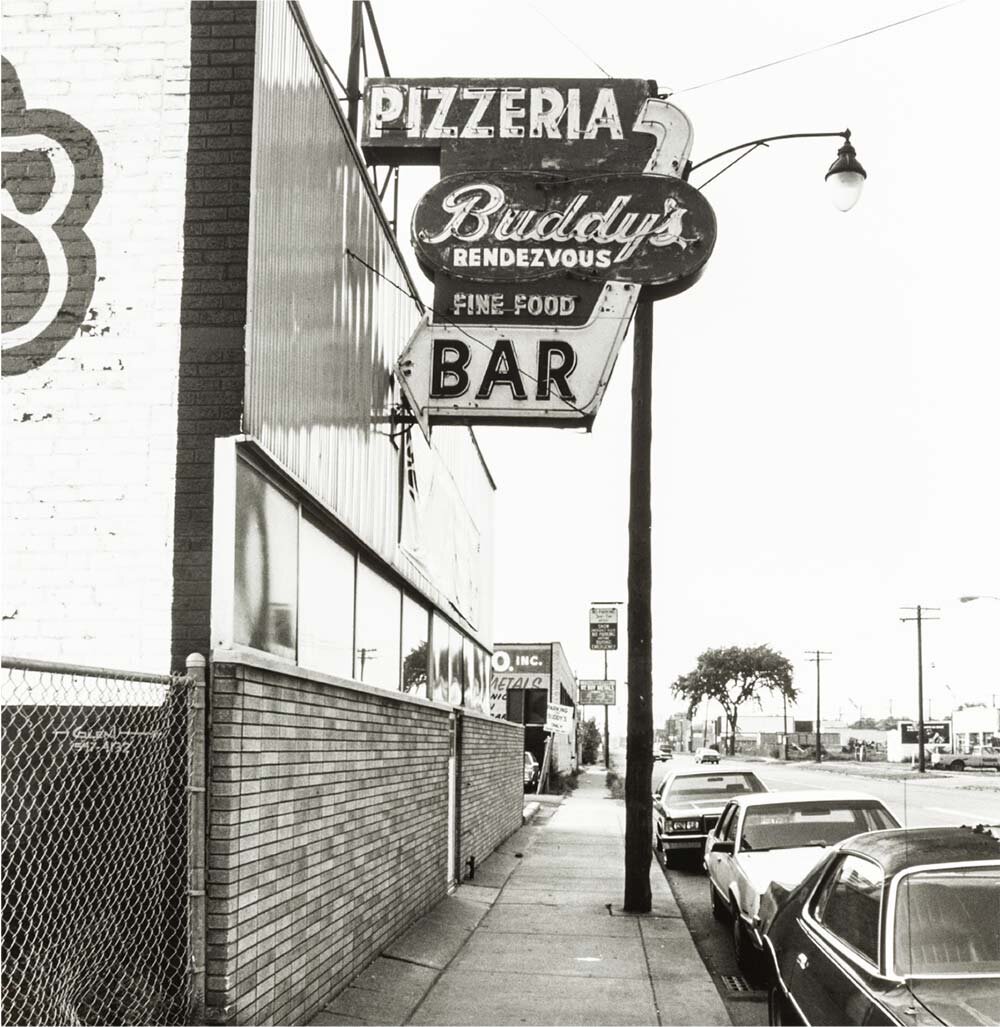
The story of Detroit-style pizza is inextricably linked to one establishment: Buddy’s Rendezvous. Opened in 1936 by Gus and Mary Guerra, this legendary spot in the north end of Detroit is widely credited as the birthplace of this iconic pizza. While not initially conceived as a pizzeria, Buddy’s Rendezvous became a beloved neighborhood gathering place, serving traditional Italian-American fare.

The pivotal moment in the evolution of Detroit-style pizza occurred in 1946. Gus Guerra, inspired by the steel pans used in the automotive industry, began experimenting with a new way to bake pizza. He utilized industrial blue steel pans, originally designed for stamping out car parts, to create a unique pizza base. These deep, rectangular pans, with their high sides and sturdy construction, proved to be the perfect vessel for a new kind of pizza.
The Pan and the Process
The significance of the blue steel pan cannot be overstated. Unlike the thin, often flimsy pans used for traditional Neapolitan or New York-style pizzas, these industrial pans allowed for a thicker, chewier crust. The deep sides of the pan were coated with oil, which then caramelized and crisped the edges of the dough as it baked. This created the signature crispy, almost fried, cheese edge that is the hallmark of a true Detroit-style pizza. The dough itself was often pressed into the pan, creating a substantial base that could hold up to generous toppings.
The baking process also differed. While many pizzas are baked directly on a stone or metal deck, Detroit-style pizza bakes within the confines of its pan. This method ensures even cooking and contributes to the characteristic texture of the crust. The high heat of the ovens used in these early establishments further aided in achieving the desired crispness.
From Sicilian Roots to Detroit Innovation
The inspiration for this new pizza style is often traced back to Sicilian pizza, which is also baked in rectangular pans and features a thick crust. However, Gus Guerra and Buddy’s Rendezvous infused their creation with a distinctly American, and specifically Detroit, sensibility. They adapted the concept, making it their own through the choice of pans, the specific dough recipe, and the method of topping application.
The traditional method of adding sauce after baking, in thick stripes, is another defining characteristic that emerged from this era. This not only adds a burst of fresh tomato flavor but also prevents the sauce from making the crust soggy during the long bake.
The Spread and Evolution of a Local Favorite
Following its inception at Buddy’s Rendezvous, the distinctive square pizza began to gain traction. Other pizzerias in Detroit and its surrounding suburbs began to adopt the style, tweaking their own recipes and methods. These early adopters were often family-run businesses, deeply embedded in the Detroit community, further cementing the pizza’s local identity.

Over the decades, Detroit-style pizza evolved. While the core principles remained – the rectangular pan, the crispy crust, the layered toppings – variations in dough hydration, cheese blends, and sauce recipes emerged. However, the foundational elements, born from Gus Guerra’s innovation in a Detroit establishment, remained constant.
Key Characteristics of Authentic Detroit-Style Pizza
To truly appreciate the invention of Detroit-style pizza, it’s essential to understand its defining features, which have been preserved and celebrated by its pioneers:
- The Pan: The rectangular, deep-dish blue steel pan is non-negotiable. Its ability to create a caramelized, crispy crust is fundamental.
- The Crust: A thick, chewy, yet crispy crust is achieved through the pan and the oil used to prepare it. It’s often described as having a “frico” – a cheese rind – along the edges.
- The Cheese: A generous amount of brick cheese, a semi-hard cheese with a high melting point and a slightly tangy flavor, is typically used. Sometimes a blend with mozzarella is employed.
- The Toppings: Traditionally, toppings are placed directly on the dough, followed by the cheese. Pepperoni is a quintessential topping, often curled into cups as it bakes.
- The Sauce: Red sauce, usually a simple marinara, is ladled on top of the cheese in thick, parallel stripes, adding a vibrant visual and flavor contrast.
- The Shape: The distinct rectangular, or “square,” cut is a direct result of the pan shape.
The Rise to National Prominence
For many years, Detroit-style pizza remained a beloved regional specialty, cherished by locals but largely unknown outside of Michigan. However, in recent decades, as the culinary landscape has become more interconnected, this unique pizza style has experienced a renaissance. Pizzerias across the United States, and even internationally, have embraced and adapted Detroit-style pizza, introducing its distinctive charm to a wider audience.
This national and international recognition has, in turn, brought renewed attention to its origins. Tourists and food enthusiasts now flock to Detroit specifically to experience an authentic slice of its namesake pizza, seeking out the establishments that have carried on the tradition. This influx of interest has solidified Detroit‘s claim as the undisputed inventor of this beloved pizza style.
Beyond the Pan: The Cultural Significance
The invention of Detroit-style pizza is more than just a culinary anecdote; it’s a reflection of the city’s character. In a post-war America that was rapidly embracing mass production and innovation, Detroit was at the forefront of industry. The use of industrial steel pans speaks to this spirit of resourcefulness and adaptation that defined the city.
Furthermore, the rise of pizzerias serving this style often coincided with the growth of Detroit‘s diverse neighborhoods. These establishments became more than just places to eat; they were community hubs, places where families gathered, friends met, and the fabric of the city was woven. The hearty, satisfying nature of Detroit-style pizza lent itself perfectly to this role, providing sustenance and comfort.
Detroit’s Culinary Identity
In a city known for its automotive prowess, its music scene, and its rich cultural history, the invention of Detroit-style pizza adds another vital layer to its identity. It’s a testament to the creativity and entrepreneurial spirit that has long characterized Detroit. While other cities boast their own iconic pizza styles, Detroit‘s contribution is unique in its industrial inspiration and its enduring legacy.
The story of Detroit-style pizza is a compelling narrative of how a simple idea, born out of necessity and ingenuity in a specific locale, can grow to become a globally recognized culinary phenomenon. From the blue steel pans of Detroit‘s industrial past to the bustling pizzerias of today, the journey of this pizza is a delicious testament to the enduring power of innovation and local flavor. When you savor a slice of Detroit-style pizza, you are not just enjoying a meal; you are tasting a piece of history, born and perfected in the heart of the Motor City.
LifeOutOfTheBox is a participant in the Amazon Services LLC Associates Program, an affiliate advertising program designed to provide a means for sites to earn advertising fees by advertising and linking to Amazon.com. Amazon, the Amazon logo, AmazonSupply, and the AmazonSupply logo are trademarks of Amazon.com, Inc. or its affiliates. As an Amazon Associate we earn affiliate commissions from qualifying purchases.