
The allure of gold has shaped human history, driving exploration, migration, and the establishment of new societies. Few events encapsulate this phenomenon as vividly as the California Gold Rush. The discovery of gold in California in 1848 triggered an unprecedented influx of people, transforming the landscape, economy, and demographic fabric of the region. Identifying the precise location of this initial find is crucial to understanding the subsequent explosion of activity and the creation of the enduring landmarks that dot the state today. The story begins in a relatively obscure spot along the American River, an event that would forever change the course of American history.

The Spark: James W. Marshall and Sutter’s Mill
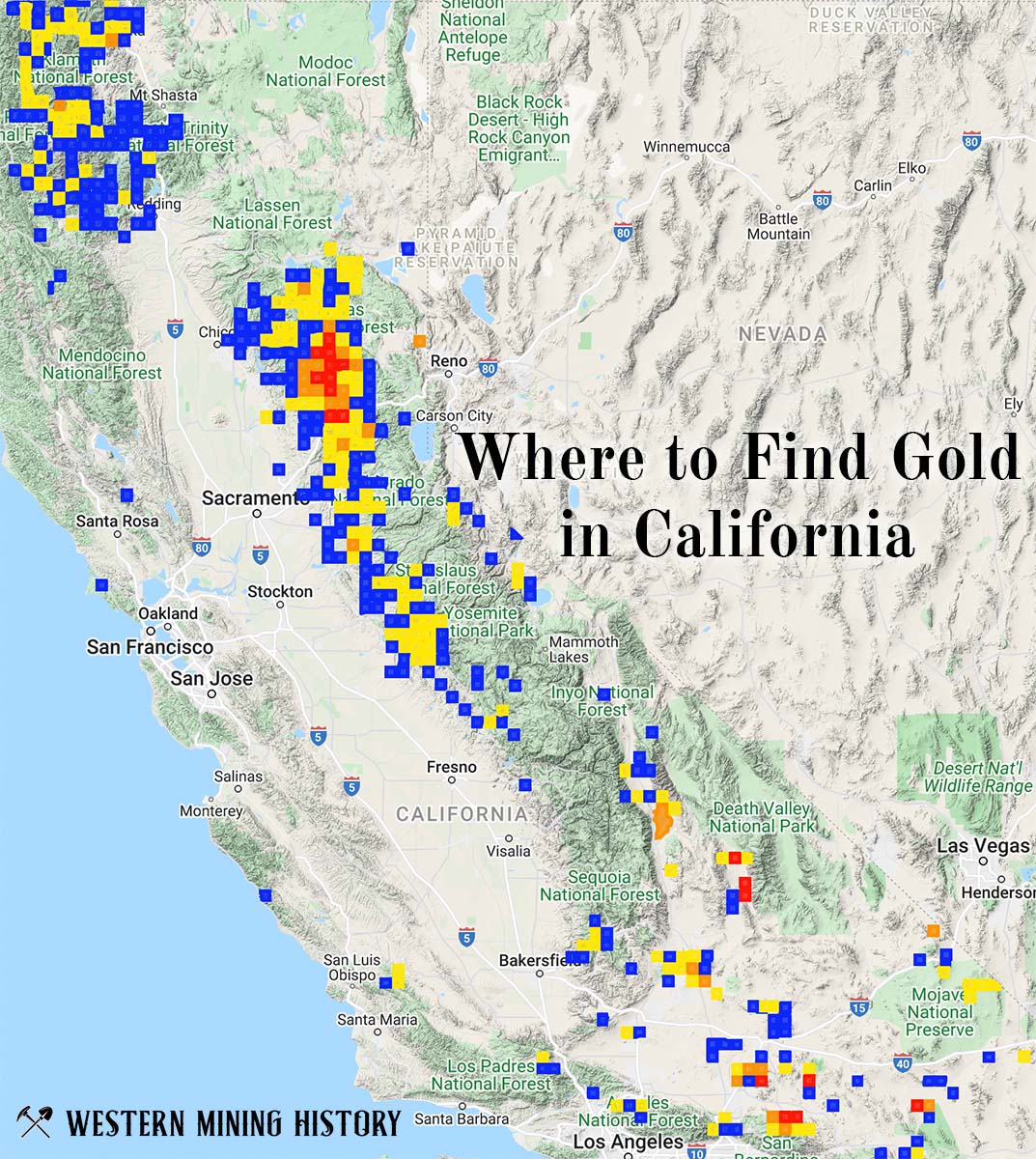
The pivotal moment occurred on January 24, 1848, at a sawmill owned by John Sutter near the confluence of the South Fork and the main stem of the American River. This site, now known as Sutter’s Mill, was located in a valley approximately 40 miles east of present-day Sacramento. While the name Sutter’s Mill often conjures images of the gold discovery, it was actually the construction of the mill itself that led to the fateful find. James W. Marshall, a carpenter hired by Sutter to build the sawmill, was the unwitting discoverer.
The Fateful Morning
On that cold January morning, Marshall was inspecting the mill’s tailrace—a channel through which water flowed after powering the mill’s machinery. He had ordered the tailrace deepened to increase the water flow, and each night, the gates were opened to allow the current to wash away debris. While examining the newly exposed riverbed sediment, he noticed gleaming flakes among the gravel. Testing their malleability, weight, and resistance to tarnish, he quickly recognized them as gold. This small discovery, seemingly insignificant at first, was the match that lit the fuse of the Gold Rush. Marshall immediately brought his findings to Sutter at New Helvetia, Sutter’s primary agricultural and commercial settlement, now a part of modern-day Sacramento.
The Immediate Aftermath
Sutter, a Swiss immigrant with vast landholdings and ambitious plans for an agricultural empire, initially attempted to keep the discovery a secret. He feared a gold frenzy would disrupt his labor force and undermine his agricultural pursuits. However, news of the discovery proved impossible to contain. A local storekeeper, Samuel Brannan, played a pivotal role in publicizing the find. He famously paraded through the streets of San Francisco in May 1848, holding aloft a bottle filled with gold dust and shouting, “Gold! Gold! Gold from the American River!” This public announcement, coupled with official confirmation from President James K. Polk in December 1848, unleashed a wave of mass migration that would change California forever. It’s noteworthy that the discovery occurred just days before the signing of the Treaty of Guadalupe Hidalgo, which officially ended the Mexican-American War and ceded California to the United States. This timing amplified the impact, as the vast mineral wealth of the newly acquired territory instantly became apparent.
Historic Sites of the Gold Rush
The initial discovery at Sutter’s Mill was merely the beginning. The surrounding areas, particularly along the rivers flowing from the Sierra Nevada foothills, quickly became epicenters of prospecting and settlement. Today, these sites stand as powerful landmarks, preserving the legacy of the Gold Rush and offering visitors a tangible connection to this transformative period.
Coloma and the Marshall Gold Discovery State Historic Park
The very spot of Marshall’s discovery is preserved within the Marshall Gold Discovery State Historic Park in Coloma. This park is undoubtedly the most significant landmark directly tied to the beginning of the Gold Rush. Visitors can see a replica of Sutter’s Mill at its original site, walk along the tailrace where Marshall made his find, and explore a museum that details the history of the discovery and its aftermath. The park also features several preserved and reconstructed buildings from the original gold mining town of Coloma, including a blacksmith shop, a Chinese store, and various cabins. A monument to Marshall stands on a hill overlooking the American River, marking his burial site. The park offers educational programs, living history demonstrations, and even gold panning opportunities, providing an immersive experience of 19th-century life in a boomtown.
Sacramento and the Gateway to Riches
While not the site of the initial discovery, Sacramento quickly became the primary supply center and transportation hub for miners heading into the Sierra Nevada foothills. Located at the confluence of the American River and the Sacramento River, Sutter’s Fort State Historic Park represents John Sutter’s original New Helvetia settlement. This landmark offers insight into pre-Gold Rush California and the ambitions of the man who, ironically, suffered greatly from the gold he tried to keep hidden. Old Sacramento State Historic Park, with its meticulously preserved and reconstructed 19th-century buildings, steamboat landings, and cobblestone streets, vividly illustrates what the city looked like during its Gold Rush boom. It was here that supplies were bought, claims were registered, and fortunes were both made and lost.
San Francisco: A Boomtown Transformed
Before the Gold Rush, San Francisco was a sleepy port town known as Yerba Buena. The gold discovery transformed it into a bustling metropolis almost overnight. Its deep-water harbor made it the natural entry point for “forty-niners” arriving by sea from around the globe. While gold was not discovered directly in San Francisco, the city itself is a significant Gold Rush landmark, reflecting the economic and social impact of the boom. Streets were paved with gold dust, entire ships were abandoned in the bay as crews deserted for the goldfields, and a vibrant, diverse, and often chaotic society emerged. While many original structures were lost to fires and earthquakes, the city’s historic districts and museums, such as the California Historical Society, offer rich insights into this period, showcasing its role as the commercial and cultural heart of the gold frenzy.
The Enduring Legacy: Towns Forged by Gold
Beyond the initial discovery site and major logistical hubs, countless smaller towns and mining camps sprang up across what became known as the California Gold Country. Many of these faded into obscurity, but some endured or have been preserved as significant historical landmarks, offering visitors a window into the varied lives of the miners and the communities they built.
Columbia State Historic Park
Often referred to as the “Gem of the Southern Mines,” Columbia State Historic Park near Sonora is a living history museum unlike any other. This park authentically preserves a substantial gold mining town from the 1850s, complete with real businesses operating in historic buildings. Visitors can ride a stagecoach, watch a blacksmith at work, pan for gold, and interact with docents in period attire. The town’s architecture, including brick buildings that replaced earlier wooden structures lost to fires, offers a tangible sense of permanence and prosperity that some gold towns achieved. It’s a testament to the community building that occurred amidst the chaos of the Gold Rush.
Bodie State Historic Park
For a stark contrast to the lively atmosphere of Columbia, Bodie State Historic Park stands as one of the best-preserved ghost towns in America. While gold was discovered here later, in 1859, and silver also played a role, Bodie’s “arrested decay” preservation policy offers an unparalleled glimpse into a boom-and-bust mining town. Left much as it was when the last residents departed, buildings stand with furniture and personal items still inside, creating an eerie and profoundly moving experience. It tells the story of the harsh realities, isolation, and eventual decline that many Gold Rush communities faced as resources dwindled.
Jamestown and the Railtown 1897 State Historic Park
Jamestown, a historic Gold Rush town in Tuolumne County, offers another layer to the story: the crucial role of transportation. The nearby Railtown 1897 State Historic Park is home to a working steam locomotive roundhouse and shop, representing the evolution of transport from stagecoaches to railroads, which were essential for moving gold, supplies, and people in the later stages of the Gold Rush and beyond. This park provides insight into the industrial side of the era and the engineering feats required to sustain the burgeoning California economy.
Preserving the Past: Visiting Gold Country Landmarks
Visiting these Gold Rush landmarks provides more than just a historical lesson; it’s an immersive journey into a pivotal moment in American history. The California State Parks system has done an exemplary job in preserving these sites, ensuring that the legacy of the initial gold discovery at Sutter’s Mill continues to educate and inspire future generations.
What to Expect When Visiting
When exploring the California Gold Country, visitors can anticipate a diverse range of experiences. At sites like Marshall Gold Discovery State Historic Park and Columbia State Historic Park, historical interpretation is paramount. Costumed docents, working replicas of 19th-century machinery, and interactive exhibits bring the past to life. Towns like Placerville, Grass Valley, and Nevada City have retained much of their historic charm, with preserved downtowns and buildings that once housed assay offices, saloons, and general stores. Other sites, such as Empire Mine State Historic Park near Grass Valley, offer tours of actual mine shafts and grand owner’s residences, illustrating the scale of industrial mining that evolved from individual prospectors. Malakoff Diggins State Historic Park showcases the environmental impact of hydraulic mining, a later and more destructive method of gold extraction.

Educational Value and Historical Immersion
Each of these landmarks contributes to a comprehensive understanding of the Gold Rush phenomenon. From the initial accidental find by James W. Marshall at Sutter’s Mill to the bustling trade in Sacramento and San Francisco, and the rise and fall of towns like Columbia and Bodie, these sites tell a multi-faceted story. They highlight not only the search for mineral wealth but also the ingenuity, perseverance, diverse cultures, and often harsh realities faced by those who flocked to California. Visiting these physical remnants of a bygone era allows one to step back in time, fostering a deeper appreciation for the events that fundamentally shaped California’s identity and contributed significantly to the development of the American West. The place where gold was discovered in California is not merely a single point on a map; it is an entire region rich with historical landmarks, each bearing witness to the enduring legacy of this golden age.
LifeOutOfTheBox is a participant in the Amazon Services LLC Associates Program, an affiliate advertising program designed to provide a means for sites to earn advertising fees by advertising and linking to Amazon.com. Amazon, the Amazon logo, AmazonSupply, and the AmazonSupply logo are trademarks of Amazon.com, Inc. or its affiliates. As an Amazon Associate we earn affiliate commissions from qualifying purchases.