
When families gather to watch beloved holiday films, few evoke the same nostalgic charm and spirited adventure as Home Alone 2: Lost in New York. This cinematic journey, which sees young Kevin McCallister once again separated from his family, plunges him into the dazzling, bustling heart of the Big Apple. For many, the film is synonymous with the iconic sights and sounds of New York City, prompting a natural curiosity: just where exactly was this festive, albeit chaotic, adventure brought to life on screen? Delving into the filming locations reveals a meticulously chosen tapestry of Manhattan’s most celebrated landmarks and hidden gems, transforming the city itself into a character in Kevin’s unforgettable escapade.

A City of Cinematic Dreams: Iconic Landmarks as Backdrops
The magic of Home Alone 2: Lost in New York lies in its ability to weave a child’s fantastical journey through the very fabric of one of the world’s most recognizable cities. The filmmakers masterfully selected locations that not only provided visually stunning backdrops but also amplified the sense of awe and occasional peril for our young protagonist. From towering skyscrapers to grand hotels, these settings allowed Kevin to navigate his predicament with a blend of resourcefulness and childlike wonder, all while showcasing the vibrant spirit of New York City.
The Grandeur of the Plaza Hotel
Perhaps the most prominent and memorable filming location in Home Alone 2 is the opulent Plaza Hotel. This legendary New York establishment, situated at the corner of Fifth Avenue and Central Park South, served as Kevin’s temporary, luxurious base of operations. His elaborate suite, his interactions with the hotel staff, and his notorious room service spree were all captured within its gilded walls. The hotel’s iconic facade and lavish interiors perfectly encapsulated the aspirational fantasy of a child left to his own devices in a world of adult indulgence.
The film meticulously captured the grandeur of the Plaza Hotel‘s public spaces, including its magnificent lobby and ornate corridors. Scenes where Kevin masterfully navigates the hotel, evading the bumbling burglars Harry and Marv, often utilized the hotel’s grand staircases and elegant dining areas. The sense of a child lost within a labyrinth of adult sophistication was palpable, making the Plaza Hotel an indispensable element of the film’s narrative and visual appeal. Its presence lends an air of timeless elegance to Kevin’s adventure, transforming a potentially frightening situation into an almost fairytale-like experience.
Central Park: A Winter Wonderland and a Playground
Adjacent to the Plaza Hotel, Central Park provided another vital stage for Kevin’s New York exploits. The sprawling urban oasis, especially enchanting when dusted with winter snow, served as a backdrop for several key scenes. Kevin’s initial disorientation upon realizing he’s in the wrong city, his memorable encounter with the pigeon lady, and his attempts to signal his family were all set against the park’s iconic vistas.
The film specifically highlighted areas such as the Wollman Rink, where Kevin enjoys a festive ice-skating session, and various pathways and bridges that add to the park’s romantic and adventurous atmosphere. The contrast between the park’s serene beauty and Kevin’s internal turmoil provides a poignant visual narrative. The filmmakers leveraged the park’s natural splendor to underscore Kevin’s isolation, yet also its potential for discovery and connection, particularly through his unique friendship with the pigeon lady. The snow-covered landscape of Central Park further amplified the holiday spirit, making it an idyllic, albeit sometimes lonely, playground for the lost boy.
Rockefeller Center and St. Patrick’s Cathedral: Holiday Icons
No depiction of Christmas in New York would be complete without the dazzling spectacle of Rockefeller Center. The towering Christmas tree and the bustling ice-skating rink are central to the film’s holiday ambiance. Kevin’s awe-inspiring first glimpse of the illuminated tree, a symbol of the city’s festive spirit, serves as a pivotal moment. His subsequent interactions near the center, including the thwarted attempt to meet his family at the airport, further anchor the narrative within this iconic location.
Just a stone’s throw away, St. Patrick’s Cathedral also features in the film, its magnificent Gothic architecture adding a sense of gravitas and grandeur to the urban landscape. While not a primary location for extensive scenes, its presence in the background shots of Kevin navigating the city reinforces the sense of being in the heart of Manhattan’s most significant landmarks. The juxtaposition of Kevin’s innocent quest with these monumental structures emphasizes the scale of his adventure and the immensity of the city he has found himself in. The collective presence of these landmarks—the Plaza Hotel, Central Park, Rockefeller Center, and St. Patrick’s Cathedral—creates a powerful visual symphony that defines the film’s identity as a quintessential New York holiday movie.
Beyond the Landmarks: Capturing the City’s Pulse
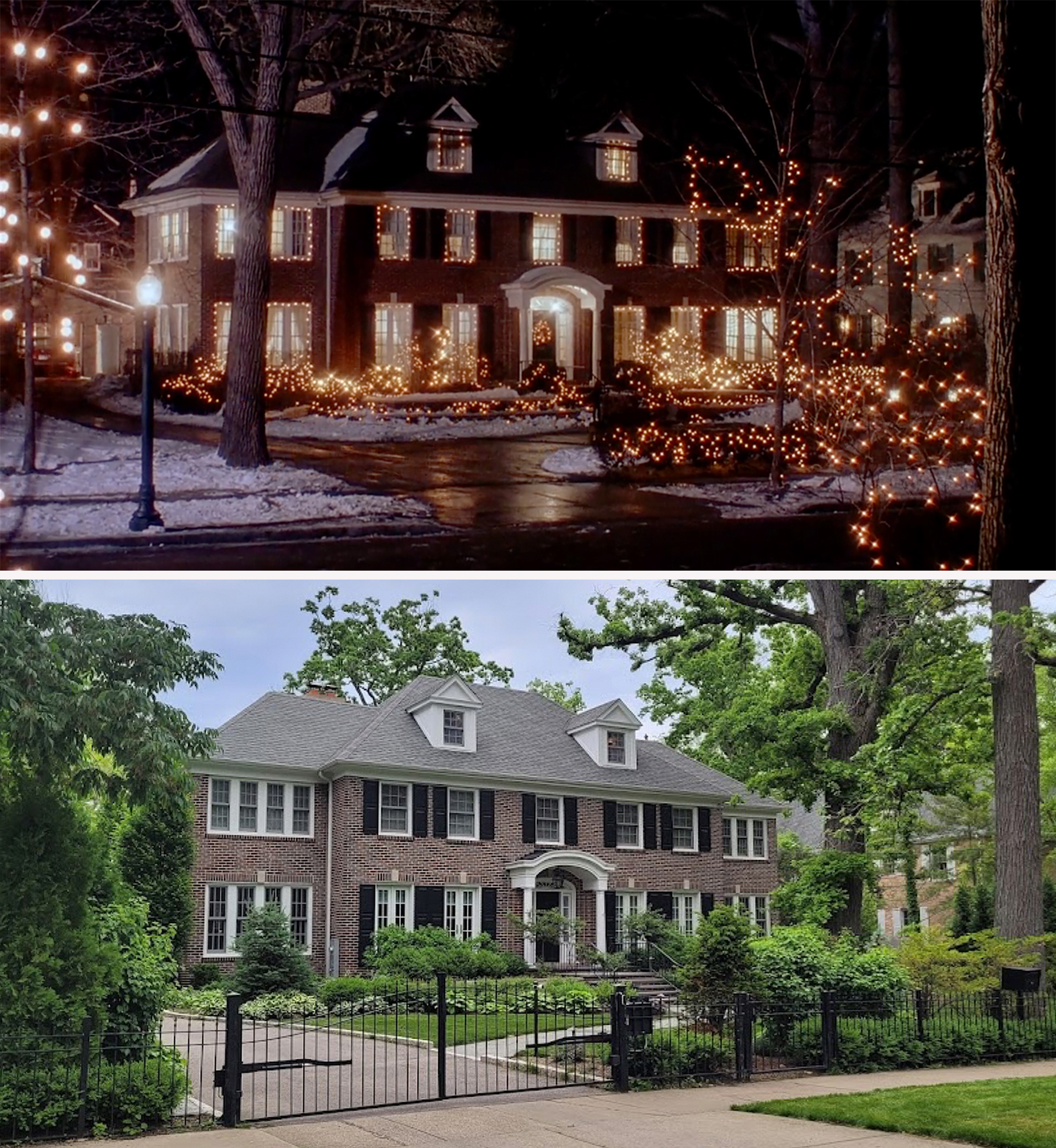
While the famous attractions undoubtedly steal the spotlight, Home Alone 2: Lost in New York also skillfully incorporated less obvious, yet equally integral, elements of the city’s fabric to create a more authentic and immersive experience. These include specific streets, businesses, and public spaces that contribute to the film’s vibrant portrayal of urban life.
Navigating Manhattan’s Streets and Public Spaces
Kevin’s journeys through the city often took him down characteristic Manhattan streets, capturing the energy and density of the metropolis. The filmmakers utilized various locations to depict his movements, from crowded sidewalks to less frequented alleys, adding layers to his urban exploration. The sheer scale of the city, with its endless streets and towering buildings, played a significant role in Kevin’s sense of being lost, but also in his eventual resourcefulness as he learned to navigate its complexities.
Key streets and avenues were used to convey the bustling nature of New York City. The iconic imagery of yellow cabs, throngs of pedestrians, and the constant hum of city life were all intentionally captured. These scenes were not just filler; they served to emphasize Kevin’s isolation within a sea of people, making his quest to reunite with his family all the more urgent and compelling. The film’s visual language often employed sweeping shots of the cityscape, interspersed with close-ups of Kevin’s determined face, highlighting his individual journey against the vast urban backdrop.
The Department Store Showdown: A Holiday Shopping Mecca
A significant portion of the film’s action, particularly the climactic confrontations between Kevin and the Sticky Bandits, unfolds within a large department store. While the film does not explicitly name the store in its dialogue, it has been widely reported that filming for these scenes primarily took place at and around Barneys New York on Madison Avenue and its then-neighboring building, and also at La Maison Française at Rockefeller Center. The opulent interiors and sprawling layouts of such establishments perfectly suited the narrative’s need for a grand, yet intricate, setting for the final showdown.
The department store served as a microcosm of the city’s holiday consumerism, providing a chaotic yet festive environment for the film’s thrilling conclusion. Kevin’s ingenious traps and his ability to outwit the burglars amidst the Christmas decorations and shoppers showcased his evolving maturity and resilience. The visual spectacle of the department store, with its elaborate displays and myriad of products, added to the sensory overload that Kevin experienced, making his victories all the more satisfying for the audience. The inclusion of these commercial hubs further cemented the film’s identity as a quintessential representation of a New York Christmas.
Filming the Festive Spirit: A Behind-the-Scenes Glimpse
The creation of Home Alone 2: Lost in New York was a considerable undertaking, requiring meticulous planning and execution to bring the city’s magic to the silver screen. While the film portrays an almost seamless narrative, the reality of filming in a densely populated metropolis presented unique challenges and opportunities.
The Art of Illusion: Recreating New York
While many scenes were filmed on location in New York City, the filmmakers also employed studio sets and cleverly disguised elements to enhance the narrative and manage logistical constraints. The iconic airport scenes, for instance, were largely filmed at the Greater Buffalo International Airport in Buffalo, New York, due to its resemblance to the terminals at John F. Kennedy International Airport and the advantages it offered for shooting. This strategic choice allowed the production to capture the essence of international travel without the extensive disruptions that filming at a major operational airport would entail.
Furthermore, specific interiors, such as elements of the Plaza Hotel’s suites, may have been partially recreated on soundstages to allow for more controlled filming of complex stunts and comedic sequences involving Kevin’s elaborate plans. The meticulous attention to detail ensured that the transition between on-location shooting and studio work was virtually imperceptible to the audience, maintaining the immersive quality of Kevin’s New York adventure. This blend of real-world locations and studio artistry is a testament to the craft of filmmaking and its ability to transport viewers to fantastical worlds, even when those worlds are rooted in familiar places.
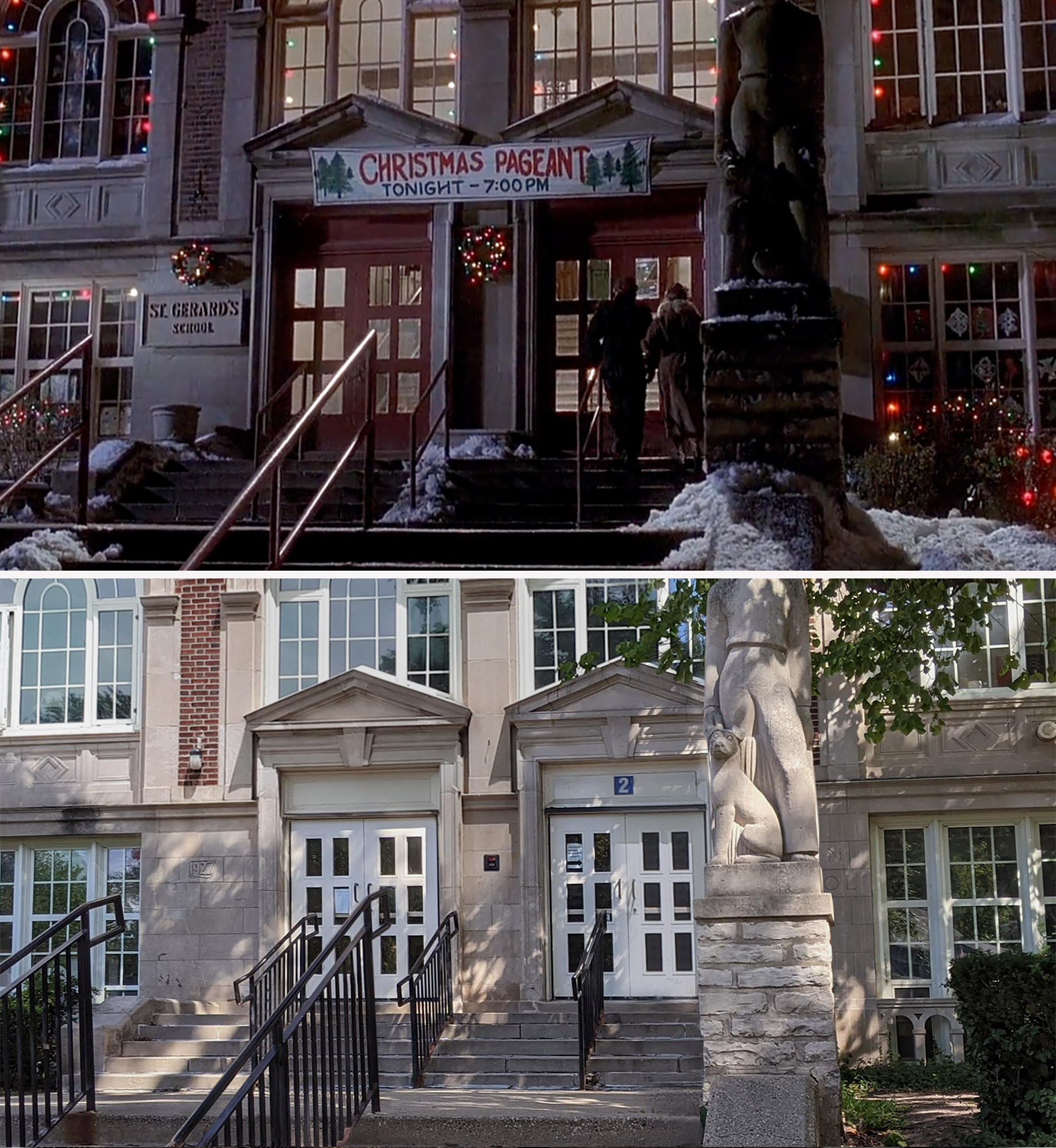
Capturing the Season: The Magic of a New York Christmas
The film’s enduring appeal is intrinsically linked to its vivid portrayal of a New York City Christmas. The filmmakers intentionally sought out and highlighted locations that epitomized the holiday season, from the twinkling lights of Rockefeller Center to the snowy landscapes of Central Park. The timing of the shoots, often taking place during the winter months, allowed them to capture genuine snowfall and the festive atmosphere that permeates the city during the holidays.
The visual aesthetic of the film, characterized by its warm color palette, abundant decorations, and the overarching sense of yuletide cheer, was a deliberate choice to enhance the narrative’s emotional resonance. Even as Kevin grappled with being separated from his family, the vibrant and celebratory backdrop of New York served as a counterpoint, promising eventual reunion and warmth. The film successfully bottled the essence of a magical holiday season in one of the world’s most iconic cities, making its filming locations not just backdrops, but integral components of its timeless charm and widespread appeal.
LifeOutOfTheBox is a participant in the Amazon Services LLC Associates Program, an affiliate advertising program designed to provide a means for sites to earn advertising fees by advertising and linking to Amazon.com. Amazon, the Amazon logo, AmazonSupply, and the AmazonSupply logo are trademarks of Amazon.com, Inc. or its affiliates. As an Amazon Associate we earn affiliate commissions from qualifying purchases.