
The question “Where was Hotel California?” evokes far more than a simple geographical query. It plunges us into a fascinating blend of musical legend, genuine hospitality, and the profound impact of a hotel’s identity, both real and imagined. The iconic 1976 song by the Eagles conjured an image of a luxurious, yet unsettling, establishment—a “lovely place, a lovely face,” but one from which “you can check out any time you like, but you can never leave.” This lyrical paradox has fueled decades of speculation, inspiring a global hunt for the real-world counterpart to this enigmatic hotel. Far from just a location, the search for Hotel California is a quest to understand how a hotel can transcend its physical form to become a cultural touchstone, influencing perceptions of hospitality and the allure of destination experiences.
The Enduring Mystery of an Iconic Establishment
The legend of Hotel California began with a song that captured the zeitgeist of 1970s America—its excess, disillusionment, and the fading idealism of the counterculture. The vivid imagery painted by Don Henley, Glenn Frey, and Don Felder crafted a narrative so compelling that it imprinted a fictional hotel firmly onto the collective consciousness.
Unpacking the Legend
From the moment it was released, “Hotel California” resonated deeply. Its intricate guitar solos, haunting lyrics, and atmospheric storytelling created a powerful sense of place, even if that place was primarily symbolic. The “warm smell of colitas, rising up through the air,” the “pink champagne on ice,” and the “mirrors on the ceiling, the pink champagne on ice” all contributed to an image of opulent yet eerie indulgence. Listeners worldwide began to wonder if such a place truly existed, leading to an immediate and sustained public fascination. This fascination underscores the power of a hotel’s perceived identity, often shaped by myth and narrative as much as by its physical attributes. The song explored themes of hedonism, self-destruction, and the dark side of the American dream, making the hotel a metaphor for a gilded trap—a luxurious prison from which escape is impossible.
The Lure of the Unknown
The enduring appeal of “Where was Hotel California?” lies in its tantalizing ambiguity. The song masterfully blends specific sensory details with abstract emotional landscapes, making it universal yet deeply personal. This deliberate vagueness prevents any single hotel from definitively claiming the title, allowing countless establishments to be “the inspiration” in the public imagination. For the hospitality industry, this phenomenon is a powerful lesson in branding and storytelling. A hotel that can evoke emotion, mystery, or a compelling narrative—whether real or imagined—can achieve a level of recognition and intrigue far beyond its star rating or amenities. The desire to find the “real” Hotel California speaks to a deeper human yearning for connection with cultural artifacts and the places they represent.
Real-World Contenders: Fact vs. Fiction
While the Eagles have repeatedly stated the song is an allegory, not a literal place, several real-world hotels have been strongly linked to the legend, capturing the public’s imagination and benefiting from the association.
Hotel California, Todos Santos: The Primary Candidate
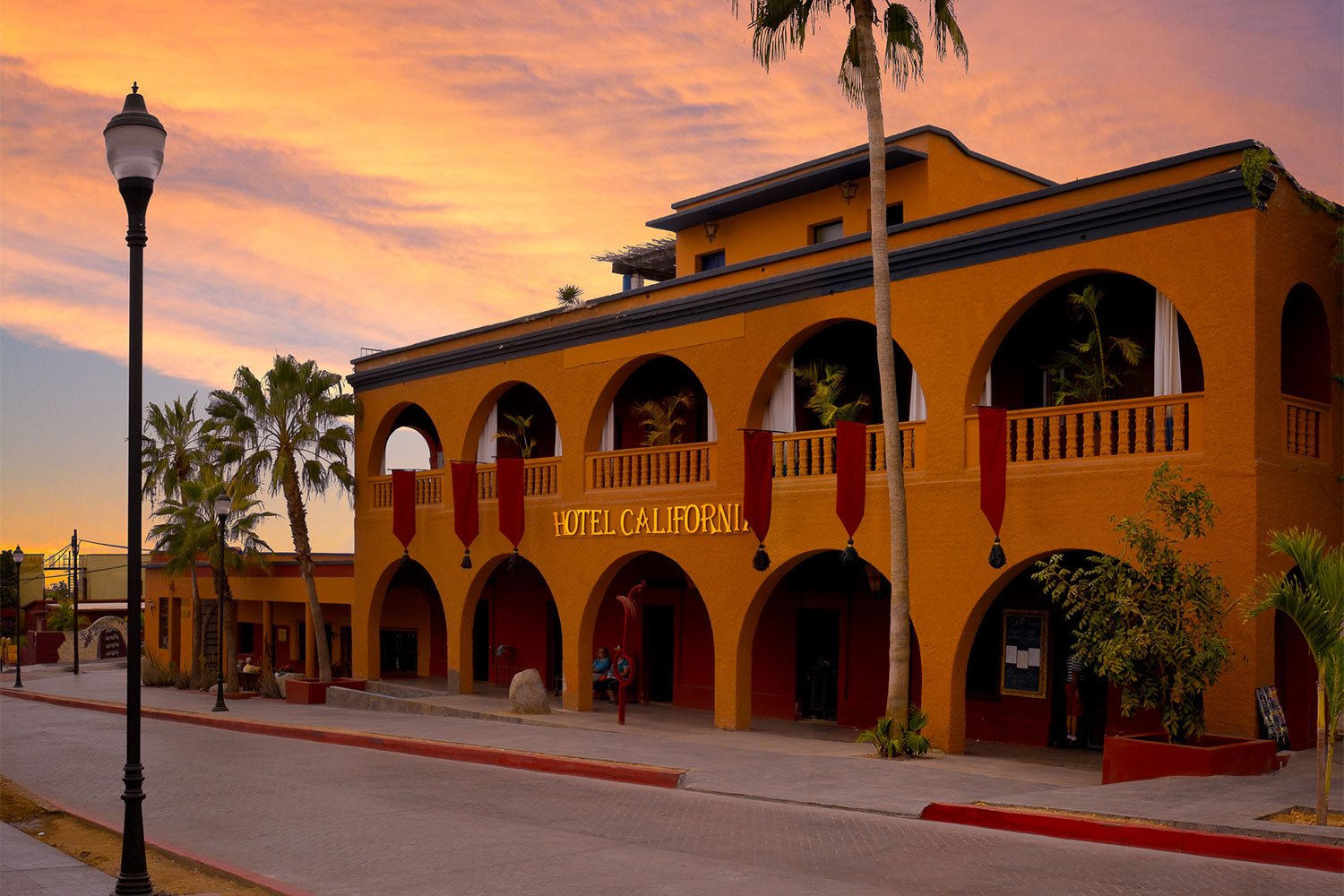
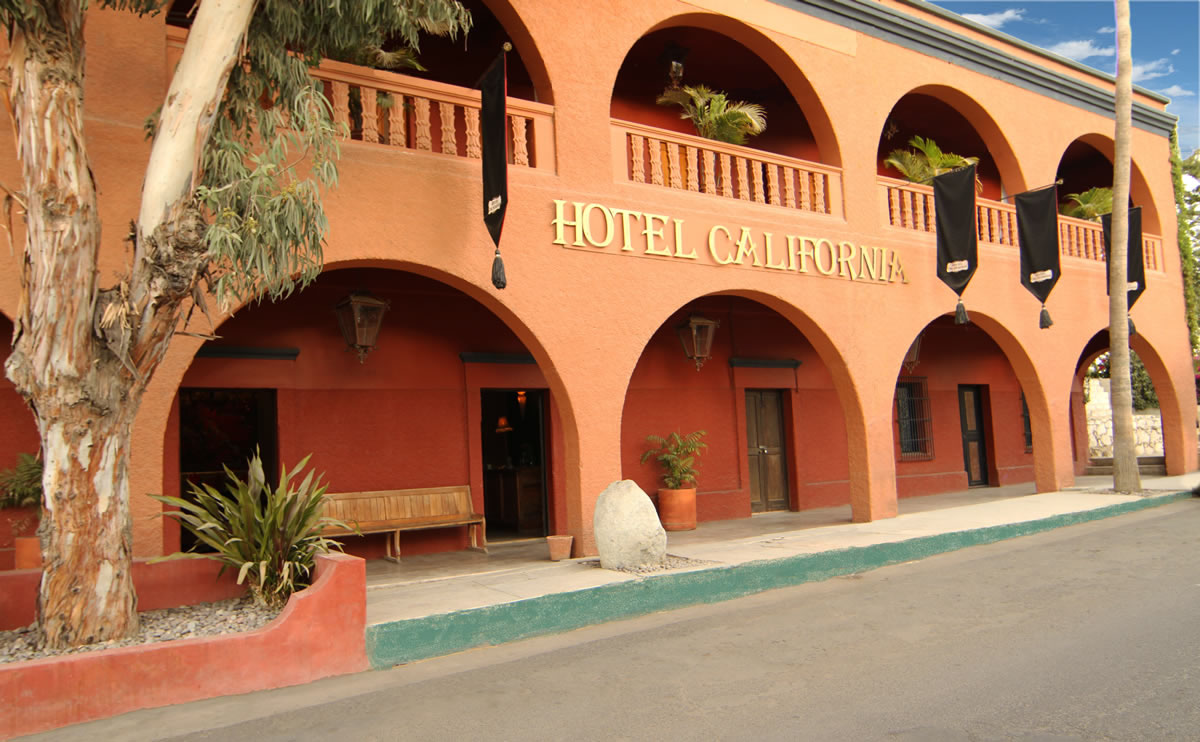
Perhaps the most famous claimant to the title is the Hotel California located in Todos Santos, a picturesque pueblo mágico in Baja California Sur, Mexico. Originally built in 1948 by a Chinese immigrant, Mr. Wong, and known as Hotel California then, it underwent several name changes and ownership shifts over the decades. In the early 2000s, Canadian owners restored the property and—crucially—reinstated its original name. This act, combined with the hotel’s remote charm and its proximity to the “desert highway” described in the song, rapidly fueled the myth. Guests arriving at the hotel often encounter staff playing the Eagles song, and many believe they’ve found the actual “place.”
However, the Eagles themselves have no connection to this specific hotel and even pursued legal action regarding trademark infringement, though the case was later dropped. Despite the band’s disclaimers, the Todos Santos hotel has fully embraced its legendary status, offering an experience steeped in the mystique of the song. It serves as a prime example of how a hotel can leverage cultural narratives to become a destination in its own right, blurring the lines between fiction and a curated reality. Guests are drawn not just by its amenities but by the romantic notion of stepping into a song.
Other Californian Inspirations: Southern California Vibes
Beyond Todos Santos, other hotels and locations across California have been cited as potential influences for the song’s atmosphere. The band members lived and worked in Southern California during the 1970s, a period marked by hedonism and changing societal norms. The album’s cover features the Beverly Hills Hotel, a famous landmark in Beverly Hills, Los Angeles. Known for its iconic pink facade and celebrity clientele, “The Pink Palace” certainly embodies the luxury and excess implied by the song. While the exterior shot on the album adds to the mystique, the band has clarified it was merely a photographic backdrop chosen for its aesthetic, not the literal inspiration for the lyrics.
The overall vibe of Los Angeles in the 1970s, particularly its darker underbelly of fame, addiction, and the often-illusory pursuit of the American dream, is considered a significant influence. The lyrics’ themes are often interpreted as a critique of the superficiality and materialism prevalent in the entertainment industry and certain parts of California at the time. Therefore, many hotels and resorts that encapsulated this era’s opulent yet potentially decadent lifestyle could be seen as contributing to the song’s metaphorical “hotel.”
The Don Henley Perspective: A Metaphorical Journey
Don Henley, one of the primary lyricists, has consistently explained that Hotel California is an allegory for the excesses of American culture and the music industry in the 1970s. He described it as a “journey from innocence to experience,” a commentary on the dark side of the American dream and the high price of fame. In this context, the hotel is not a physical building but a symbolic trap, a state of mind, or even the industry itself—a place where one might arrive full of hope but find it difficult to leave unscathed.
This interpretation positions the hotel not as a singular establishment but as a representation of a certain lifestyle and its consequences. For the hotel industry, this highlights the profound role of narrative and symbolism in shaping public perception. While a hotel provides physical accommodation, its true legend often resides in the stories it tells, the feelings it evokes, and the cultural context it embodies.
The Archetype of the Enigmatic Hotel
Irrespective of its literal location, the concept of Hotel California has become an archetype in the hospitality world, influencing how we perceive hotels and what makes certain establishments legendary.
Beyond Bricks and Mortar: The Song’s Description
The song’s lyrics paint a vivid picture of a hotel’s ambiance and the experience it offers. It’s a place with “lights so brightly shining,” a grand welcome, and an enticing facade. Yet, beneath the surface, there’s a sense of unease, a feeling of being ensnared. This duality—the promise of paradise coupled with a subtle threat—is what makes the “Hotel California” archetype so potent. It’s about an experience that is both alluring and foreboding, luxurious yet vaguely unsettling. Such a description challenges hoteliers to think beyond mere comfort and convenience, to consider the emotional landscape they are creating for their guests.
Architectural Echoes and Interior Moods
While no single building matches the song’s description perfectly, elements of its atmosphere can be found in various luxury hotels that blend grandeur with a certain mystique. Think of grand, old-world hotels with long corridors, ornate decor, and a sense of history that whispers tales. The “mirrors on the ceiling” and “pink champagne on ice” suggest a decadent, almost voyeuristic luxury, a world removed from ordinary life. Such design choices, even when not sinister, aim to create a distinct, immersive environment that transports guests, similar to how Hotel California transports its listener to a specific, unforgettable place. It speaks to the importance of architectural design and interior aesthetics in crafting a unique hotel identity.
Amenities and Experiences: A Golden Cage?
The amenities described, from the “sweet summer sweat” and “warm smell of colitas” to the concierge’s ominous declaration, hint at a hotel that offers every indulgence, almost to the point of excess. Guests are provided with “plenty of room at the Hotel California,” yet the chilling implication is that this abundance comes at a cost. It’s a “golden cage” where every desire is met, but personal freedom or departure seems subtly restricted. This concept forces us to consider the fine line between exceptional service and an experience that might feel overwhelming or even entrapping, raising questions about what truly constitutes luxury and guest satisfaction.
The “Hotel California” Effect on Hospitality
The cultural impact of the Eagles’ song extends into the very fabric of the hospitality industry, demonstrating the power of narrative in shaping a hotel’s identity and appeal.
Creating a Legendary Aura
For any hotel aiming for iconic status, the “Hotel California” phenomenon offers a profound lesson. It illustrates that a hotel can become legendary not just through its physical attributes, but through the stories, myths, and cultural references associated with it. Whether through genuine history, cinematic appearances, or musical tributes, a hotel’s ability to weave itself into the cultural tapestry elevates it beyond mere accommodation. It becomes a destination in itself, drawing visitors who seek to experience a piece of that legend. This means cultivating a unique brand story, maintaining a distinctive aesthetic, and embracing any genuine cultural connections that can amplify its mystique.
The Power of Storytelling in Hotel Branding
Modern hotel branding increasingly focuses on storytelling and creating immersive experiences. The quest for Hotel California exemplifies how a compelling narrative, even a fictional one, can become a powerful marketing tool. Hotels that have embraced their own unique histories, local legends, or even fictional narratives, often stand out in a crowded market. They offer guests more than just a room; they offer an entry point into a story, an experience that engages the imagination as much as the senses. This approach can transform a stay from a transactional necessity into a memorable, emotionally resonant journey.
Embracing Uniqueness in Hotel Design
The metaphorical qualities of Hotel California encourage hoteliers to be bold and distinctive in their design and service offerings. From boutique hotels that craft hyper-specific themes to luxury resorts that build entire microcosms, the desire to create a truly unique atmosphere is paramount. The song’s imagery, while ambiguous, is undeniably specific in its evocative power. This serves as inspiration for hotels to cultivate distinct architectural styles, interior designs, and service philosophies that leave an indelible impression, ensuring guests remember their stay long after they’ve “checked out.”
Why Some Hotels Transcend Their Physicality
The enduring debate over “Where was Hotel California?” ultimately highlights a fundamental truth about hospitality: the most memorable hotels are those that transcend their physical structures.
Iconic Hotels and Their Cultural Impact
From the Ritz Paris to the Plaza Hotel in New York City, certain hotels become landmarks not just for their architecture or service, but for their role in history, literature, or popular culture. These establishments become living museums, repositories of stories, and stages for significant events. They are places where one can connect with a broader cultural narrative. The Hotel California may be fictional, but its impact on our perception of hotels as places of profound cultural significance is undeniably real, solidifying the idea that a hotel can hold a mirror to society.

The Desire for the Extraordinary Stay
Ultimately, the quest for Hotel California reflects a deeper human desire: the longing for an extraordinary experience, a story to tell, a connection to something larger than oneself. Whether it’s the thrill of discovering a hidden gem in Todos Santos or the philosophical musings inspired by the Eagles’ lyrics, guests seek more than just a bed for the night. They seek an experience that resonates, challenges, or transports them. The enduring legend of Hotel California serves as a potent reminder that in the world of hotels, the most valuable amenity is often the story you carry with you long after you’ve left. It’s a testament to the idea that a hotel can be more than a place; it can be a myth, a metaphor, and an unforgettable journey.
LifeOutOfTheBox is a participant in the Amazon Services LLC Associates Program, an affiliate advertising program designed to provide a means for sites to earn advertising fees by advertising and linking to Amazon.com. Amazon, the Amazon logo, AmazonSupply, and the AmazonSupply logo are trademarks of Amazon.com, Inc. or its affiliates. As an Amazon Associate we earn affiliate commissions from qualifying purchases.