
The charming and sun-drenched drama, Hotel Portofino, whisks viewers away to the glamorous Italian Riviera of the 1920s, a period brimming with post-World War I societal shifts, burgeoning tourism, and a sense of both liberation and lingering tension. The series, which follows the adventures and misadventures of the Ainsworth family as they open a British-run hotel in the eponymous picturesque town, has captivated audiences with its intriguing plotlines, intricate character dynamics, and, perhaps most notably, its breathtaking scenery. The azure waters of the Mediterranean Sea, the lush coastal landscapes, and the elegant architecture portrayed on screen create an undeniable allure, leaving many wondering: where exactly was this visual feast brought to life? While the show immerses us deeply in the romance of Italy, the reality of its production is a fascinating testament to the magic of filmmaking and the unexpected beauty of another Adriatic gem: Croatia.

This article will delve into the true filming locations of Hotel Portofino, uncovering the Croatian towns and landmarks that stood in for the Italian Riviera, explore why these specific locations were chosen, and offer insights for travelers inspired to experience the charm and elegance depicted in the series. From the grand hotels that served as the exterior of the fictional Hotel Portofino to the sun-drenched beaches and bustling piazzas, we’ll uncover the secrets behind bringing this captivating historical drama to the screen.
The Allure of the Italian Riviera and the Fictional Hotel Portofino
The very name Portofino conjures images of quintessential Italian glamour. Nestled on the Ligurian Coast within the wider Italian Riviera, the real Portofino is a small, enchanting fishing village that transformed into a playground for the wealthy and famous in the early 20th century. Its pastel-colored houses clinging to the hillside, its vibrant harbor dotted with luxury yachts, and its backdrop of verdant olive groves and pine forests make it an iconic symbol of Mediterranean luxury. This idyllic setting provides the perfect stage for a drama like Hotel Portofino, which explores themes of class, cultural clashes, romance, and political intrigue against a backdrop of breathtaking beauty.
Setting the Scene: Post-WWI Italy
The series is meticulously set in 1926, a pivotal year in Europe and particularly in Italy. The shadow of World War I still looms large, affecting the characters’ lives, their fortunes, and their perspectives. Simultaneously, Italy was experiencing significant political shifts with the rise of fascism, a subtle yet ever-present undercurrent throughout the show. This historical context imbues the narrative with a layer of realism and tension, contrasting sharply with the seemingly carefree atmosphere of a luxury holiday resort. The appeal of the Italian Riviera during this era was undeniable for wealthy Europeans and Americans seeking sun, sea, and sophisticated leisure away from the lingering scars of war. The idea of a British-run hotel in this setting highlights the cultural exchange and, at times, friction, that characterized international travel and expatriate life of the period. The show perfectly captures the nuances of this era, from the fashion and societal expectations to the burgeoning sense of modernity, all while leaning heavily on the visual appeal of its supposed Italian locale.
The Dream of Portofino
The fictional Hotel Portofino itself is more than just a building; it’s a character in its own right, a sanctuary and a stage for the drama unfolding within its walls. It embodies the aspirational lifestyle of the 1920s, offering lavish amenities, exquisite dining, and impeccable service to a diverse clientele of discerning guests. The visual representation of the hotel, with its grand façade, sea-facing terraces, and elegant interiors, is crucial to the show’s aesthetic. The production team faced the challenge of finding a location that could convincingly portray such an establishment, capturing both the architectural grandeur of the period and the specific ambiance of the Italian Riviera in the 1920s. While the real Portofino is undeniably beautiful, its protected status, bustling tourist scene, and the logistical challenges of filming in such a compact and popular location made it an impractical choice for extensive shooting. This led the production team to seek out alternative locations that could replicate the essence of the Italian Riviera without compromising the authenticity or budget of the series.
Unveiling the True Filming Locations: Croatia’s Coastal Gems
Despite its distinctly Italian setting, the majority of Hotel Portofino was, in fact, filmed across various picturesque locations in Croatia. This strategic choice allowed the filmmakers to capture the desired aesthetic and atmosphere of the 1920s Italian Riviera with greater flexibility and often, more preserved historical architecture. The production primarily utilized towns along Croatia’s stunning Kvarner Gulf, an area historically influenced by the Austro-Hungarian Empire, which shares many architectural and geographical similarities with parts of Italy.
Opatija: The Real Hotel Portofino’s Exterior
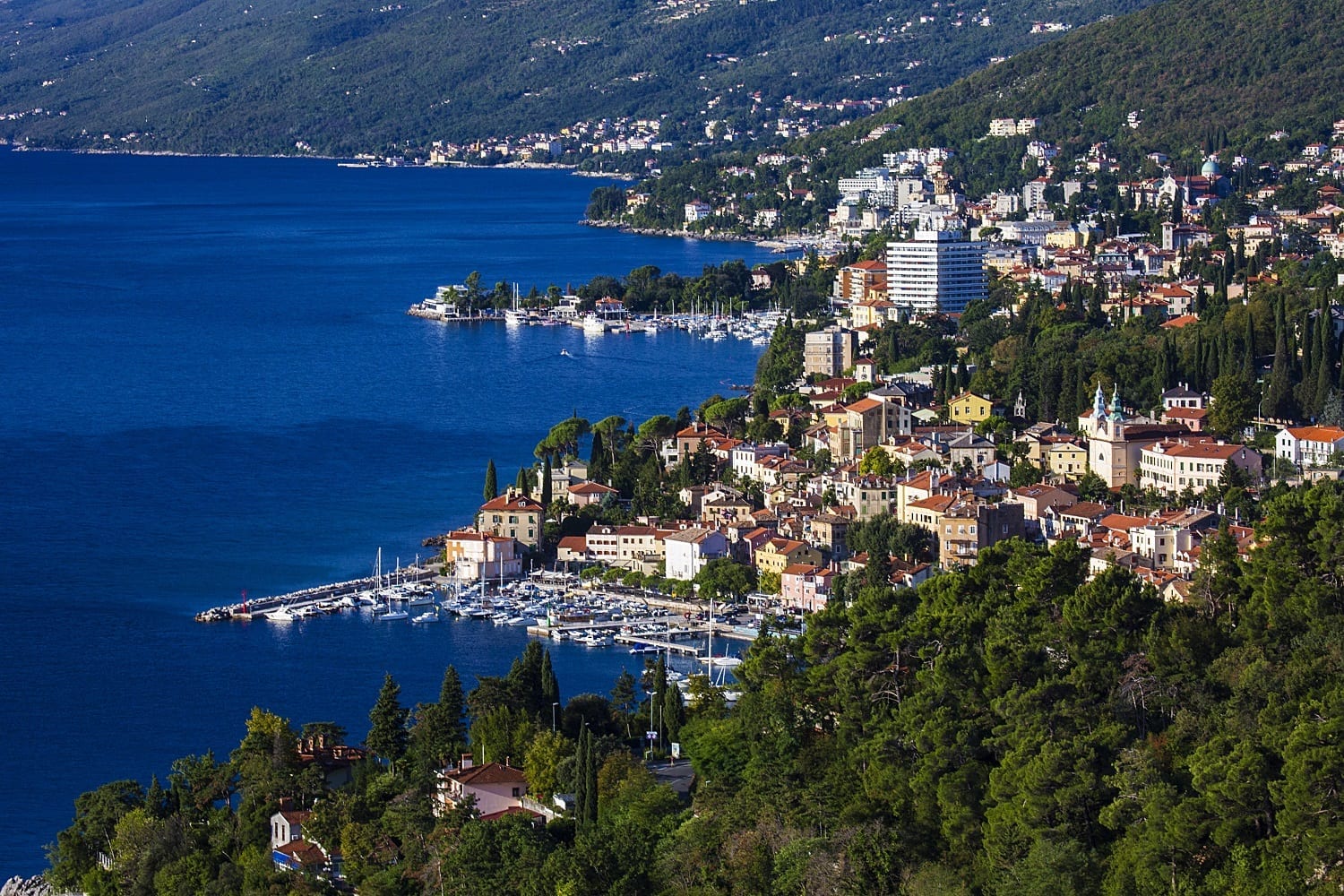
The undisputed star of the Croatian filming locations, particularly for the exterior shots of the fictional Hotel Portofino, is the elegant coastal town of Opatija. Often referred to as the “Pearl of the Adriatic,” Opatija boasts a rich history as a fashionable resort town, drawing European aristocracy and elites since the mid-19th century. Its grand belle époque villas, ornate hotels, and beautifully manicured parks make it a perfect stand-in for the opulent Italian Riviera of the 1920s.
The specific building used for the exterior of the Hotel Portofino is widely believed to be the magnificent Hotel Kvarner, or more broadly, the architectural style found along Opatija’s famed Lungomare promenade. The Hotel Kvarner, with its neoclassical façade, expansive terraces overlooking the Adriatic, and direct access to the sea, perfectly encapsulates the grandeur and old-world charm required for the series. Its stately presence and historical significance lend an air of authentic luxury to the fictional establishment. Viewers will recognize its distinctive profile, especially its impressive seaward-facing terraces, which are frequently featured in establishing shots and scenes involving the hotel guests relaxing outdoors. Beyond the main hotel, various other villas and gardens in Opatija were utilized to depict the surroundings of Portofino, from lush private estates to public promenades where characters stroll and converse. The town’s serene atmosphere, palm-lined avenues, and crystal-clear waters perfectly mirror the aspirational beauty of its Italian counterpart.
Rijeka: A Versatile Stand-in for Italian Charm
Another significant Croatian city that played a vital role in the filming of Hotel Portofino is Rijeka, a bustling port city also located on the Kvarner Gulf. Rijeka’s diverse architectural landscape, which ranges from grand Austro-Hungarian palaces to more utilitarian port facilities, allowed it to serve as a versatile backdrop for various scenes. While Opatija provided the idyllic resort aesthetic, Rijeka offered a more urban, gritty, and historically rich environment necessary for portraying broader aspects of the Italian Riviera, including its town centers, government buildings, and other public spaces.
The city’s historic streets and squares were transformed to depict scenes taking place outside the hotel, offering glimpses into local life, markets, and political gatherings that shape the narrative. For instance, some of Rijeka’s beautifully preserved buildings, such as the Governor’s Palace or various historical banks and civic structures, were likely used to represent the administrative or more formal aspects of the fictional Portofino or nearby larger cities like Genoa. The bustling waterfront, with its array of boats and historical structures, would have also been ideal for depicting the harbor scenes crucial to the show’s setting. The ability of Rijeka to convincingly portray different facets of an early 20th-century Italian town speaks volumes about its preserved architectural heritage and its historical character, making it an invaluable asset for the production.
Exploring Other Croatian Filming Hotspots
While Opatija and Rijeka were central to the filming, other locales within the broader Kvarner Gulf and potentially the neighboring Istrian Peninsula were also utilized to complete the authentic feel of the series. Towns like Lovran, situated just south of Opatija, share a similar architectural heritage and coastal charm. Its narrower streets and historical villas could have provided perfect settings for more intimate scenes or specific townscapes. The overall region offers a wealth of diverse landscapes, from dramatic coastlines and secluded coves to rolling hillsides dotted with olive groves and vineyards, all of which contribute to the show’s rich visual tapestry.
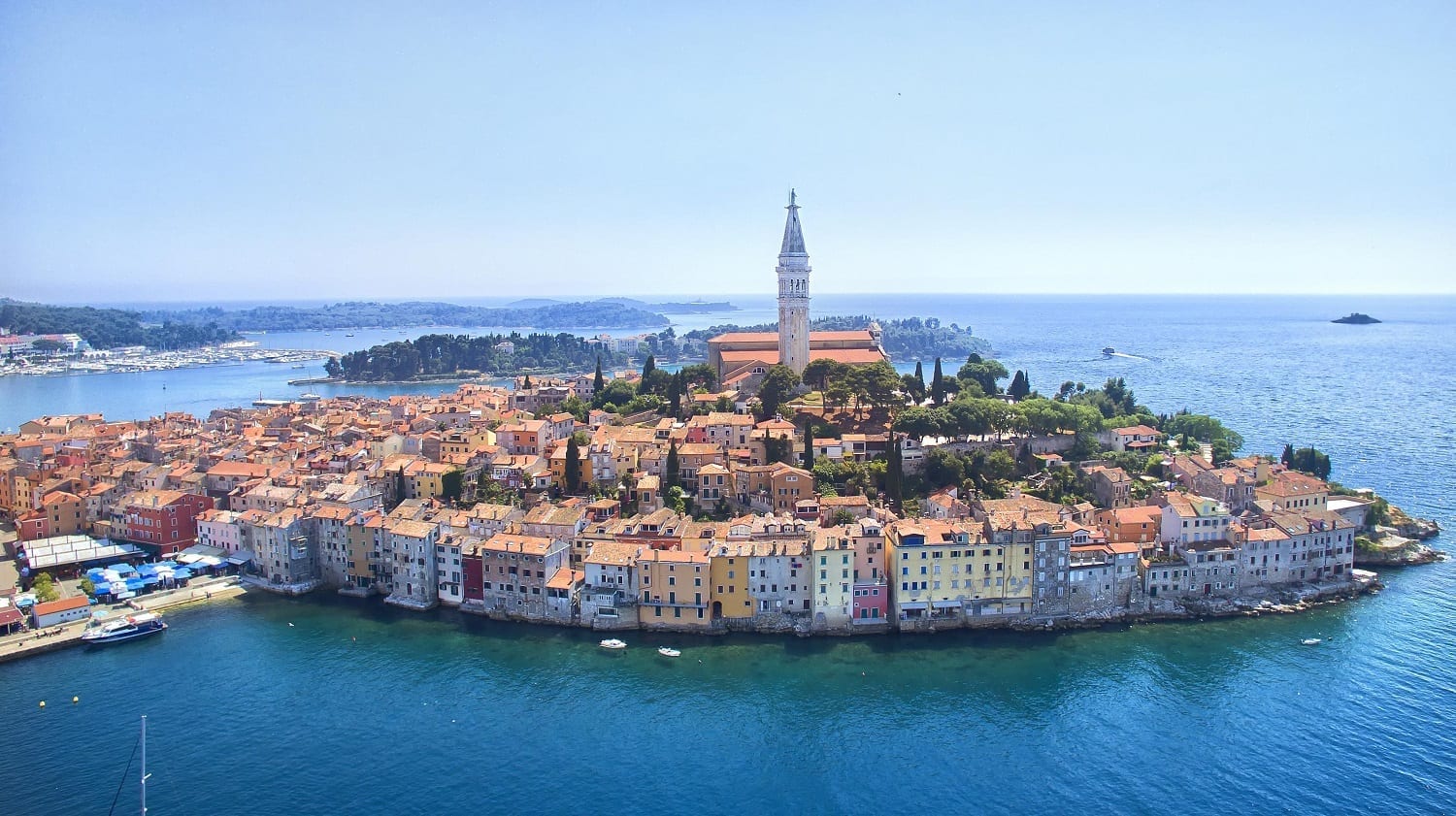
Interior scenes, while sometimes filmed within the historic buildings of Opatija or Rijeka, were also likely shot on specially constructed sets in studios, perhaps in Zagreb or other production facilities within Croatia. This common practice in film and television production allows for greater control over lighting, set design, and logistical efficiency, ensuring that the luxurious interiors of Hotel Portofino are consistently portrayed with the desired level of detail and elegance. The seamless blending of on-location exteriors with studio-shot interiors is a hallmark of sophisticated television production, making it difficult for viewers to distinguish between what is real and what is carefully constructed.
Why Croatia Captured the Spirit of the Italian Riviera
The decision to film Hotel Portofino predominantly in Croatia, rather than Italy, was a multifaceted one, driven by a combination of practical advantages, historical parallels, and the sheer beauty of the Croatian landscape. This choice allowed the production team to achieve the desired visual aesthetic and historical accuracy without encountering the logistical and financial hurdles often associated with filming in more densely populated or highly protected areas of Italy.
Historical Echoes and Architectural Riches
One of the primary reasons Croatia’s Kvarner Gulf proved to be an ideal filming location lies in its shared historical legacy with Italy. For centuries, both regions were profoundly influenced by powerful empires and maritime republics, particularly the Venetian Republic and later the Austro-Hungarian Empire. This shared history is beautifully reflected in the architecture. Towns like Opatija and Rijeka boast a wealth of grand villas, elegant hotels, and ornate public buildings from the late 19th and early 20th centuries, periods when they flourished as fashionable resorts and important port cities. These buildings often feature the same Belle Époque and Art Nouveau styles that characterize the luxury destinations of the Italian Riviera from the same era. The pastel color palettes, intricate ironwork, and stately proportions found in Croatian coastal towns effortlessly evoke the desired Italian ambiance.
Furthermore, Croatia’s coastline along the Adriatic Sea shares significant geographical similarities with the Ligurian Coast. Both feature dramatic cliffs, secluded coves, and crystal-clear turquoise waters. The lush Mediterranean vegetation, including cypress trees, olive groves, and vibrant bougainvillea, is also common to both regions, making it visually challenging to discern between the two on screen. This natural and architectural congruity meant that minimal set dressing and digital manipulation were required, allowing the production to focus on capturing authentic backdrops.
Practicalities of Production and Budgetary Advantages
Beyond the aesthetic similarities, practical considerations played a significant role in choosing Croatia. Filming in popular and historically protected Italian towns like Portofino can be incredibly challenging and expensive. Permits are often difficult to obtain, street closures disruptive to local life, and the sheer volume of tourists can hinder filming schedules. Croatia, on the other hand, offers a more film-friendly environment. The country has steadily grown as a popular filming destination, with an established infrastructure, experienced crews, and competitive production costs. The Croatian government also offers incentives and support for international productions, making it an attractive option for filmmakers seeking high-quality locations without prohibitive expenses.
The relative ease of access to these well-preserved historical sites, combined with a more favorable logistical environment, meant that the production team could maximize their shooting time and budget. This efficiency allowed them to invest more resources into other critical aspects of the series, such as period costumes, props, and detailed set designs for the interiors, all of which contribute to the immersive experience of Hotel Portofino. The decision to film in Croatia was thus a shrewd move that ensured the show could maintain its high production values and authentic 1920s aesthetic.
Beyond the Screen: Experiencing the Hotel Portofino Lifestyle
The allure of Hotel Portofino extends far beyond its compelling narrative; it’s a visual invitation to a bygone era of elegance, sun-drenched landscapes, and sophisticated travel. For those captivated by the series, the opportunity to visit its real-world filming locations offers a unique way to connect with the show and experience a slice of that luxurious lifestyle.
Planning Your Visit to Croatia’s Kvarner Gulf
Inspired travelers looking to walk in the footsteps of the Ainsworth family and their guests will find Croatia’s Kvarner Gulf an exceptional destination. Both Opatija and Rijeka offer a wealth of attractions that cater to history buffs, architecture enthusiasts, and those simply seeking a beautiful coastal getaway.
In Opatija, visitors can stroll along the famous Lungomare promenade, admiring the very villas and hotels that graced the screen. A stay in one of Opatija’s historic grand hotels, such as the Hotel Kvarner, offers a tangible taste of the early 20th-century luxury depicted in the show. Explore the charming parks like Park Angiolina, discover hidden coves for swimming, or simply relax at a café, soaking in the genteel atmosphere. The town also serves as an excellent base for exploring the surrounding Istrian Peninsula, known for its hilltop towns, vineyards, and truffle-rich forests, providing diverse experiences reminiscent of the region’s historical charm.
Rijeka, as a vibrant port city, offers a different, more urban experience. Its bustling Korzo promenade, impressive historical buildings, and diverse cultural scene provide a glimpse into a more active side of coastal life. Visitors can explore the Trsat Castle for panoramic views, delve into the city’s maritime history at the Maritime and History Museum of the Croatian Littoral, or simply enjoy the lively atmosphere of its many squares and markets. The city’s industrial heritage, alongside its elegant architecture, paints a picture of a dynamic region that served as a melting pot of cultures and commerce throughout history.
The Enduring Appeal of Set-Jetting Travel
The phenomenon of “set-jetting” – traveling to destinations featured in popular movies and TV shows – has gained immense popularity, and Hotel Portofino is a prime example of a series that inspires such journeys. For fans, visiting the actual filming locations offers a unique opportunity to immerse themselves in the world of the show, bringing the stories and characters to life in a tangible way. It allows for a deeper appreciation of the artistry involved in production design and location scouting, highlighting how real places are transformed to create fictional worlds.
Furthermore, set-jetting encourages exploration of destinations that might not otherwise be on a traveler’s radar. While the fictional Portofino might draw initial interest, discovering the genuine charm of Opatija and Rijeka adds an unexpected layer to the travel experience. It showcases how Croatia, with its rich history, stunning coastline, and welcoming culture, stands as a captivating destination in its own right, offering a unique blend of Mediterranean allure and Central European heritage. These towns provide a more authentic and often more accessible alternative for experiencing the grandeur of the early 20th-century Adriatic than their bustling Italian counterparts might.
In conclusion, while Hotel Portofino masterfully transports us to the sun-drenched shores of the Italian Riviera, its true magic lies in the remarkable transformation of Croatia’s beautiful Kvarner Gulf into a convincing backdrop for this compelling period drama. The elegance of Opatija, the versatility of Rijeka, and the overall charm of the Croatian coast combine to create an immersive visual experience that blurs the lines between fiction and reality. For anyone enchanted by the show’s aesthetic, exploring these Croatian gems offers not just a journey into the world of Hotel Portofino, but also an unforgettable adventure into a region rich with history, culture, and breathtaking natural beauty.
LifeOutOfTheBox is a participant in the Amazon Services LLC Associates Program, an affiliate advertising program designed to provide a means for sites to earn advertising fees by advertising and linking to Amazon.com. Amazon, the Amazon logo, AmazonSupply, and the AmazonSupply logo are trademarks of Amazon.com, Inc. or its affiliates. As an Amazon Associate we earn affiliate commissions from qualifying purchases.