
The history of California is inextricably linked with a single, pivotal event that reshaped not only the Golden State but also left an indelible mark on global migration patterns, economic development, and the very concept of opportunity: the discovery of gold. This monumental find didn’t happen in a bustling city or a remote, uncharted wilderness, but rather at a humble construction site along a scenic river, sparking one of the most transformative periods in American history. To understand the genesis of the California Gold Rush and its enduring legacy, one must journey back to the precise location where the first glittering fleck was unearthed.

The Fateful Discovery at Sutter’s Mill
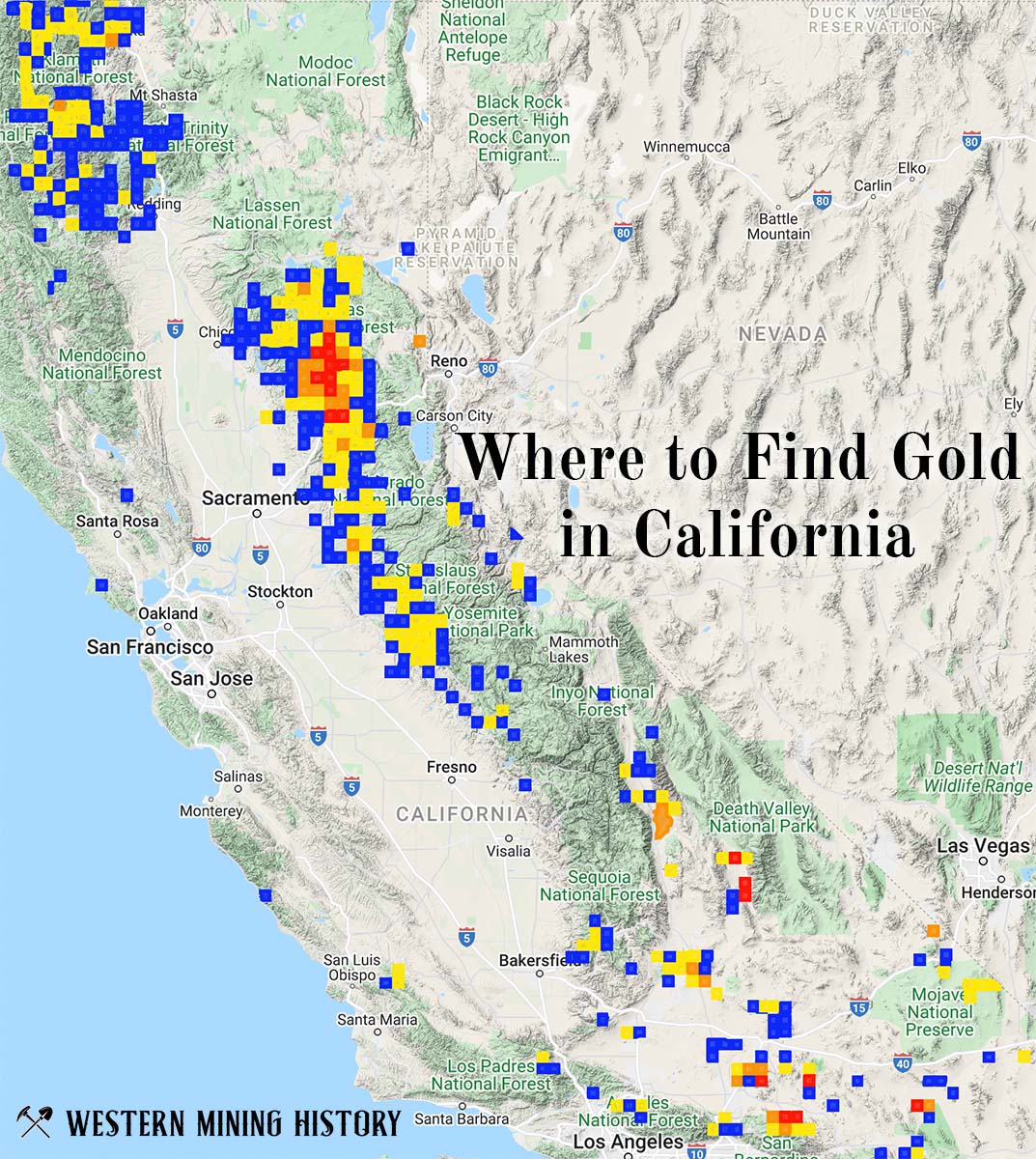
The exact spot of California’s first gold discovery is a landmark steeped in history, located at what was once Sutter’s Mill in the town of Coloma, along the American River. This location, nestled in the scenic foothills of the Sierra Nevada mountains, was not initially chosen for its mineral wealth but for its timber resources.
A New Colony’s Ambition: John Sutter and New Helvetia
Before the cry of “Gold!” echoed through the valleys, the Swiss immigrant John Sutter harbored grand ambitions in the Mexican territory of Alta California. In 1839, he established New Helvetia, an agricultural and trading colony located near the confluence of the American and Sacramento Rivers, which would eventually become the city of Sacramento. Sutter envisioned a self-sufficient empire, complete with vast farms, ranches, and a bustling fort. To support his burgeoning enterprise, especially his growing agricultural operations and the construction of his fort, Sutter needed a steady supply of lumber. This necessity led him to seek a suitable site for a sawmill further upstream.
The Sawmill Project: Necessity and Location
In August 1847, Sutter dispatched one of his trusted employees, a carpenter named James W. Marshall, to find a suitable location for a new sawmill. Marshall, a veteran of the Mexican-American War and an experienced builder, chose a spot along the south fork of the American River, about 40 miles northeast of Sutter’s Fort. The area offered abundant timber and a strong flow of water to power the mill. Construction of the sawmill commenced in the late summer, a joint venture between Sutter and Marshall, with Marshall overseeing the project and its team of Native American and Mormon laborers. The construction was rigorous, requiring the digging of a millrace – a channel to divert water to and from the mill’s waterwheel – a task that inadvertently set the stage for one of history’s most famous discoveries.
January 24, 1848: The Pivotal Day
The morning of January 24, 1848, began like any other working day at Sutter’s Mill. To improve the efficiency of the millrace and ensure sufficient water flow, Marshall regularly directed his men to open the headgate at night, allowing the flowing water to scour away sand and silt that had accumulated during the day. Each morning, he would then inspect the channel to ensure it was clear. On this particular morning, as Marshall was making his routine inspection, he noticed something unusual glittering in the tailrace. Bending down, he picked up several shiny, yellowish flakes. He immediately suspected it might be gold, recalling his previous experiences with prospecting in Georgia. He performed a rudimentary test, hammering one of the flakes flat against a stone, confirming its malleability – a key characteristic of gold. Subsequent tests, including a boil in lye and a bite test, further convinced him. The discovery was not just a mere curiosity; it was a revelation that would forever alter the course of California and indeed, the world.
The Man Behind the Moment: James W. Marshall
While John Sutter’s vision laid the groundwork for the mill, it was James W. Marshall’s keen observation and prior knowledge that identified the first gold flakes. His personal journey, often overshadowed by the immense historical event he triggered, is a compelling story of an individual at the cusp of a monumental change.
Marshall’s Background and Partnership with Sutter
Born in 1810 in Hopewell Township, New Jersey, Marshall was a carpenter by trade with an adventurous spirit. He had migrated westward, eventually arriving in Oregon and then settling in California in 1845. He purchased a ranch in the Sacramento Valley but lost it during the Mexican-American War. With his property gone, he turned to John Sutter, a prominent figure in the region, seeking employment. Their partnership for the sawmill at Coloma was a practical arrangement, benefiting both: Sutter gained a skilled craftsman to build his vital lumber mill, and Marshall found new prospects in a rapidly changing frontier.
The Moment of Revelation
Marshall later recounted his discovery with a mix of awe and understated simplicity. He described how, while inspecting the deepened channel, he saw “some shining particles at the bottom of the ditch.” His immediate reaction was cautious optimism. He gathered several pieces, showing them to his workmen, who were initially skeptical. It was his persistence in testing and confirming the metal’s identity that solidified the truth of his find. This moment, largely unnoticed by the wider world for a few months, was the ignition point for the most significant migration in American history. Marshall’s role was that of the accidental catalyst, a man performing a routine chore who stumbled upon a fortune that would ultimately elude him personally.
Marshall’s Later Life and Legacy
Despite being the discoverer of gold, Marshall did not prosper from the subsequent California Gold Rush. His attempts at mining were largely unsuccessful, and his land claims were often disputed. He struggled financially throughout his life, becoming an eccentric and somewhat bitter figure who felt cheated by destiny and the waves of newcomers who flooded the region. He spent his later years prospecting for gold and farming grapes, but never regained the stability he had sought. He passed away in 1885 in Kelsey, California, near the site of his monumental discovery. Today, a monument stands in his honor at Marshall Gold Discovery State Historic Park in Coloma, marking the location of the mill and commemorating the man whose observant eye changed the world.
The Genesis of the Gold Rush: Immediate Aftermath
The discovery itself was merely the spark; the subsequent explosion of population and economic activity known as the California Gold Rush depended on how the news was received and disseminated. Initially, there were attempts to keep the discovery a secret, but the allure of gold was too powerful to contain.
Initial Secrecy and Skepticism
Upon learning of Marshall’s find, John Sutter and Marshall attempted to keep the news quiet. Sutter feared that a gold rush would disrupt his agricultural empire, leading his laborers to abandon their posts for the goldfields. They even tried to draw up an agreement with the local Native American tribes to secure mineral rights. However, the secret proved impossible to keep. Workers at the mill, both Native American and Mormon, soon started finding gold themselves. Word began to leak out through informal channels, carried by those who had seen the gold or heard the whispers of immense riches.
The News Spreads: Sam Brannan and the San Francisco Proclamation
The turning point came with the shrewd entrepreneur and publisher, Sam Brannan. Brannan, who owned a store near Sutter’s Fort, recognized the immense commercial potential of the discovery. On May 12, 1848, he rode through the streets of San Francisco, holding aloft a bottle filled with gold dust, shouting, “Gold! Gold! Gold from the American River!” His dramatic announcement, coupled with the publication of the news in his newspaper, the California Star, effectively broke the news to the world. Within days, San Francisco emptied as its residents rushed to the goldfields. The official reports from military governor Richard Barnes Mason to President James K. Polk further validated the finds, leading to Polk’s declaration in December 1848 that immense quantities of gold had been found in California, setting off a global frenzy.
The Deluge of ’49ers: From Local Scramble to Global Migration
Brannan’s proclamation and President Polk’s confirmation marked the true beginning of the Gold Rush. News spread like wildfire across the United States and then around the globe. Thousands, then hundreds of thousands, of “forty-niners” (named for the year 1849 when the migration peaked) embarked on arduous journeys by land and sea to reach the promised land of California. Miners came from every corner of the world – China, Europe, South America, Australia – transforming California from a sparsely populated frontier into a vibrant, chaotic melting pot of cultures. This unprecedented migration created boomtowns overnight, led to rapid technological innovation in mining, and laid the foundation for California’s diverse and dynamic society.
Preserving the Legacy: Coloma and Marshall Gold Discovery State Historic Park
Today, the site of the first gold discovery is carefully preserved and interpreted, allowing visitors to step back in time and experience a crucial chapter of American history. The area around Sutter’s Mill has been transformed into a living museum.
The Transformation of Coloma
The sleepy river valley where James W. Marshall first spotted gold quickly became the boomtown of Coloma. For a brief period, it was one of the largest settlements in California. Thousands of prospectors flocked to its riverbanks, hoping to strike it rich. As the easier-to-find placer gold dwindled and miners moved to other areas, Coloma’s population declined, leaving behind a ghost town of sorts. However, its historical significance never faded. The efforts to preserve the original discovery site and the remnants of the Gold Rush era began relatively early, recognizing the unparalleled impact of the event.
Establishing a Historical Preserve
In the 20th century, the state of California recognized the necessity of protecting this invaluable historical site. In 1942, Marshall Gold Discovery State Historic Park was established, encompassing the original mill site, portions of the American River, and the town of Coloma. The park serves as a comprehensive interpretive center, dedicated to telling the story of the gold discovery, its aftermath, and the lives of those who shaped this era. It ensures that future generations can visit the place where California’s destiny was irrevocably altered, connecting directly with the past.
Experiencing the Past: Replicas and Interpretive Programs
Visitors to Marshall Gold Discovery State Historic Park can explore a meticulously reconstructed sawmill, a close replica of the original Sutter’s Mill, standing proudly near the exact spot of Marshall’s find. Interpretive exhibits and historical buildings, including a schoolhouse, a general store, and Chinese miners’ living quarters, bring the 1840s and 1850s to life. Park rangers and volunteers often provide engaging demonstrations of gold panning, blacksmithing, and other period crafts. The site serves as a vital educational resource, allowing visitors to walk in the footsteps of the forty-niners and understand the immense challenges and opportunities presented by the California Gold Rush.
The Enduring Impact on California and Beyond
The first gold discovery at Sutter’s Mill was far more than a localized event; it was a global phenomenon that ignited profound changes across numerous fronts, shaping the modern world in unexpected ways.
Population Boom and Statehood
The immediate and most dramatic impact was the explosive growth of California’s population. In just a few years, the population surged from a few thousand non-Native Americans to over 300,000. This rapid influx of people, coupled with the territory’s strategic importance, accelerated California’s path to statehood. Just two years after Marshall’s discovery, in 1850, California was admitted to the Union as the 31st state, skipping the traditional territorial phase due to its unique circumstances and burgeoning population. This quick ascension to statehood significantly influenced the national balance of power between free and slave states, contributing to the growing tensions that would lead to the American Civil War.
Economic Transformation and Infrastructure Development
The Gold Rush fundamentally transformed California’s economy. What was once an agrarian frontier quickly became a hub of commerce and industry. While gold itself was the initial draw, the needs of the hundreds of thousands of miners created immense opportunities for other industries. Supply stores, transportation services, hotels, and entertainment venues sprang up to cater to the burgeoning population. The vast wealth generated by gold fueled infrastructure development, including roads, ports, and telegraph lines, connecting California to the rest of the United States and the world. The capital accumulated during the Gold Rush also laid the groundwork for future industries in the state, from agriculture and shipping to finance and technology.

The “California Dream” and Global Influence
The story of the first gold discovery and the subsequent rush etched the “California Dream” into the national consciousness – the idea of a place where one could strike it rich overnight, where hard work and luck could lead to immense wealth and a new beginning. This dream, born from the glittering flakes in the American River, continued to attract ambitious individuals for generations, evolving from gold prospecting to agriculture, entertainment, and eventually, the tech boom. Globally, the California Gold Rush inspired similar movements in Australia, South Africa, and Canada, demonstrating the immense power of mineral discoveries to drive human migration and economic expansion. The gold discovered at Sutter’s Mill wasn’t just metal; it was the catalyst for a seismic shift in human ambition, migration, and the making of a modern state.
LifeOutOfTheBox is a participant in the Amazon Services LLC Associates Program, an affiliate advertising program designed to provide a means for sites to earn advertising fees by advertising and linking to Amazon.com. Amazon, the Amazon logo, AmazonSupply, and the AmazonSupply logo are trademarks of Amazon.com, Inc. or its affiliates. As an Amazon Associate we earn affiliate commissions from qualifying purchases.