
The chilling grandeur of the Overlook Hotel has imprinted itself on the minds of horror aficionados worldwide. Stanley Kubrick’s masterful adaptation of Stephen King’s novel, “The Shining,” conjures a sense of isolation, madness, and inescapable dread, largely thanks to its iconic, if fictional, setting. But for those who have been captivated by the film’s atmospheric terror, a persistent question arises: where exactly was this terrifying hotel located? The answer, much like the film’s ambiguous narrative, is not as straightforward as one might initially assume. While a specific real-world hotel served as a significant inspiration, the Overlook Hotel as depicted in the film is a composite, a cinematic creation born from inspiration and practical filmmaking needs.

The Inspiration Behind the Overlook: A Real-World Retreat
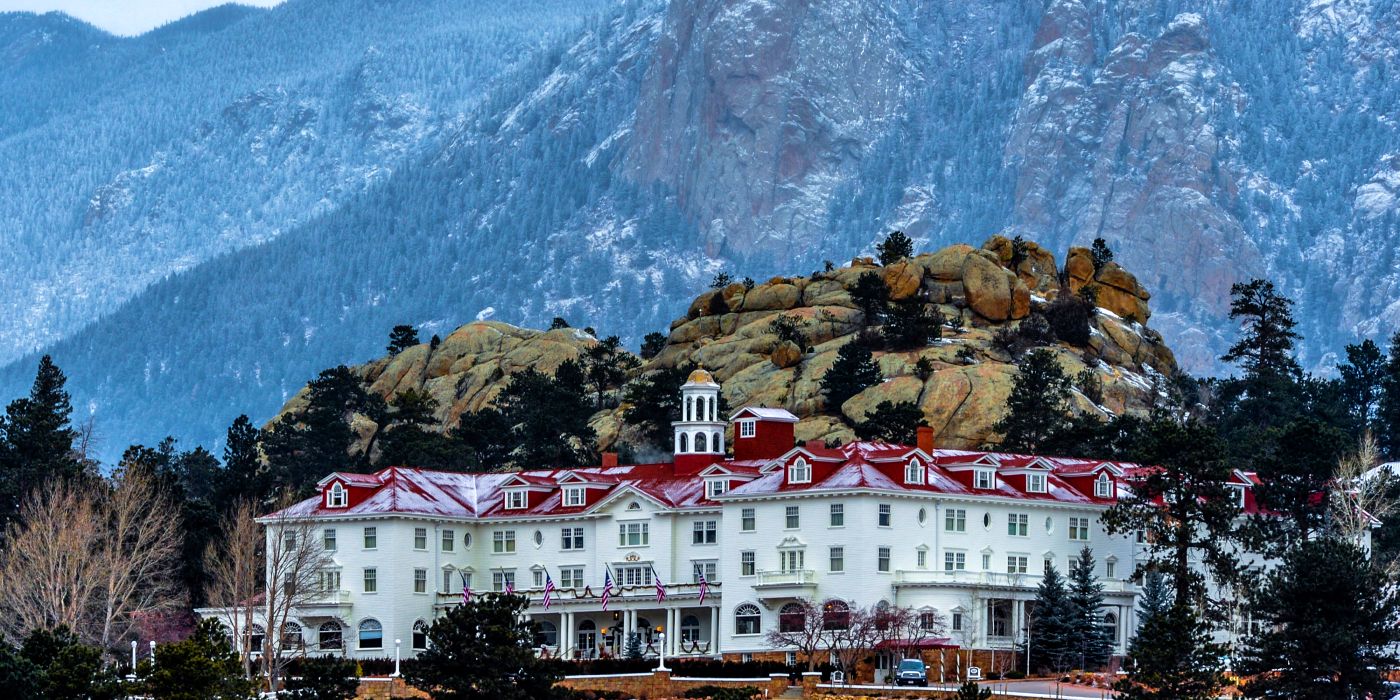
The literary foundation of “The Shining” is firmly rooted in a real place: the Stanley Hotel in Estes Park, Colorado. Stephen King himself stayed at the Stanley Hotel in 1974 with his wife, Tabitha, in room 217. This was during the off-season, just before the hotel closed for the winter. King has widely cited this solitary stay as the spark that ignited his imagination for the novel. The imposing architecture, the remote mountain setting, and the palpable sense of history – complete with rumored hauntings – all contributed to the oppressive atmosphere that would define the Overlook Hotel.
The Stanley Hotel: A Glimpse into the Past
Built in 1909 by Freelan Oscar Stanley, the inventor of the Stanley Steamer automobile, the Stanley Hotel was intended as a luxury resort for wealthy East Coast travelers seeking the restorative mountain air of the Rocky Mountains. Its grandeur, with its sprawling lawns, elegant interiors, and panoramic views, provided a stark contrast to the encroaching darkness that King would weave into his narrative. The hotel’s history is rich with stories of its heyday, as well as whispers of spectral residents, further fueling its reputation as a place with a significant past. Many of the details King observed and experienced during his stay, such as the long, empty hallways and the echoing sounds of an unoccupied building, directly translated into the terrifying imagery of the novel and, subsequently, the film.
From Inspiration to Cinematic Reality
While the Stanley Hotel provided the crucial inspiration, Stanley Kubrick chose not to film “The Shining” there. This decision was driven by a combination of practical and artistic considerations. Kubrick was known for his meticulous attention to detail and his desire for complete control over his filmmaking environment. He felt that filming in an operational hotel, even one that might be closed for the season, would present too many logistical challenges and compromises. Furthermore, Kubrick envisioned a hotel that was grander and more imposing than the actual Stanley Hotel, a place that could truly embody the isolation and overwhelming scale of the characters’ psychological descent.
The Search for the Overlook’s On-Screen Persona
To bring his vision of the Overlook Hotel to life, Stanley Kubrick embarked on a search for locations that would fulfill his cinematic requirements. This led to a dual approach: using exteriors of one hotel and interiors of another, and ultimately, constructing a full-scale replica on a soundstage.
Exterior Shots: The Majestic Timberline Lodge

The iconic exterior shots of the Overlook Hotel, particularly those sweeping vistas that establish its isolation amidst a snow-covered landscape, were filmed at the Timberline Lodge on Mount Hood in Oregon. This magnificent WPA (Works Progress Administration) built lodge, completed in 1938, possessed the rustic, imposing grandeur that Kubrick was seeking. Its architecture, blending seamlessly with the natural environment of the Cascades, provided the perfect visual representation of a grand hotel isolated by nature’s unforgiving embrace.
However, the Timberline Lodge presented a significant limitation for the film’s interior scenes. The actual layout of the lodge, with its functional living spaces and a central ballroom that differed from Kubrick’s vision of the Overlook’s spacious and labyrinthine interiors, was not suitable for the intricate staging required for the film’s psychological drama. For instance, the famous hedge maze, a pivotal element in the novel, was an outdoor feature at the Stanley Hotel and not present at Timberline Lodge. Kubrick needed more control and flexibility for the indoor sequences.
Interior Scenes: A Studio Creation and a European Influence
The vast majority of the Overlook Hotel’s interiors were meticulously recreated on a massive soundstage at Elstree Studios in England. This allowed Kubrick and his production designer, Roy Walker, to construct the exact spaces they envisioned, free from the constraints of existing architecture. They built a full-scale replica of the hotel’s iconic Gold Room, the Colorado Lounge, and the infamous Room 237. This controlled environment was crucial for Kubrick’s precise camera movements and the chilling sense of claustrophobia he aimed to create.
Interestingly, the design of some of the interior sets was reportedly influenced by the Ahwahnee Hotel in Yosemite National Park. While not directly filmed there, photographs and descriptions of the Ahwahnee Hotel, with its distinctive rustic elegance and grand public spaces, may have informed the aesthetic choices for the Overlook’s interior design. This further illustrates how the cinematic Overlook became a composite of various inspirations, a testament to Kubrick’s meticulous creation process. The distinctive patterns of the carpets, the vastness of the rooms, and the unsettling emptiness of the hallways were all carefully designed to amplify the psychological horror.
The Enduring Legacy of the Overlook Hotel
The cinematic Overlook Hotel, a fusion of the real and the imagined, has become a landmark in its own right within the realm of popular culture. While the Stanley Hotel in Estes Park is undeniably the spiritual home of the story and continues to embrace its connection to “The Shining” with ghost tours and themed accommodations, the visual representation on screen owes much to the Timberline Lodge and the elaborate sets constructed in England.
Visiting the Inspirations Today
For fans eager to experience a piece of the Overlook’s legacy, a visit to the Stanley Hotel offers a direct connection to Stephen King’s initial inspiration. The hotel actively promotes its connection to the novel and the film, offering tours that highlight areas rumored to be haunted and rooms associated with King’s stay. It’s a chance to walk the halls and imagine the genesis of the terrifying narrative.
The Timberline Lodge also remains a popular destination, not just for its stunning mountain location and skiing opportunities, but also for its visual role in the film. Visitors can recognize the lodge’s exterior from the film and appreciate the majestic scenery that contributed to the Overlook’s sense of isolation. While the interior rooms are not identical to the film’s set, the overall atmosphere of a grand, historic lodge in a remote setting remains potent.
The Cinematic Overlook: A Place in Our Imagination
Ultimately, the Overlook Hotel is a testament to the power of storytelling and cinematic art. It exists as a potent symbol of isolation, madness, and the dark corners of the human psyche. Whether one seeks the literary roots in Colorado, the imposing exterior in Oregon, or the meticulously crafted interiors born from imagination and studio magic in England, the Overlook Hotel continues to haunt our collective consciousness. It is a place that, while never existing as a single entity, has firmly cemented its place in the landscape of cinematic horror, inviting us to explore its chilling depths, even if only in our minds. The enduring allure of the Overlook lies in its ability to tap into our deepest fears of being trapped, alone, and losing one’s grip on reality, all amplified by the unforgettable visual tapestry woven by Stanley Kubrick.
LifeOutOfTheBox is a participant in the Amazon Services LLC Associates Program, an affiliate advertising program designed to provide a means for sites to earn advertising fees by advertising and linking to Amazon.com. Amazon, the Amazon logo, AmazonSupply, and the AmazonSupply logo are trademarks of Amazon.com, Inc. or its affiliates. As an Amazon Associate we earn affiliate commissions from qualifying purchases.