
Understanding the atmospheric dynamics of the Florida peninsula is an essential part of any traveler’s toolkit. While the state is synonymous with pristine coastlines and year-round sunshine, it also possesses a complex relationship with severe weather. When visitors ask, “Where was the tornado in Florida?” they are often seeking clarity on recent events that might impact their vacation plans in major hubs like Orlando or Miami. From the Florida Panhandle to the southern tips of Key West, tornado activity is a localized phenomenon that shapes the local culture, tourism infrastructure, and safety protocols of the United States most popular vacation destination.
Identifying Tornado Hotspots and Recent Activity
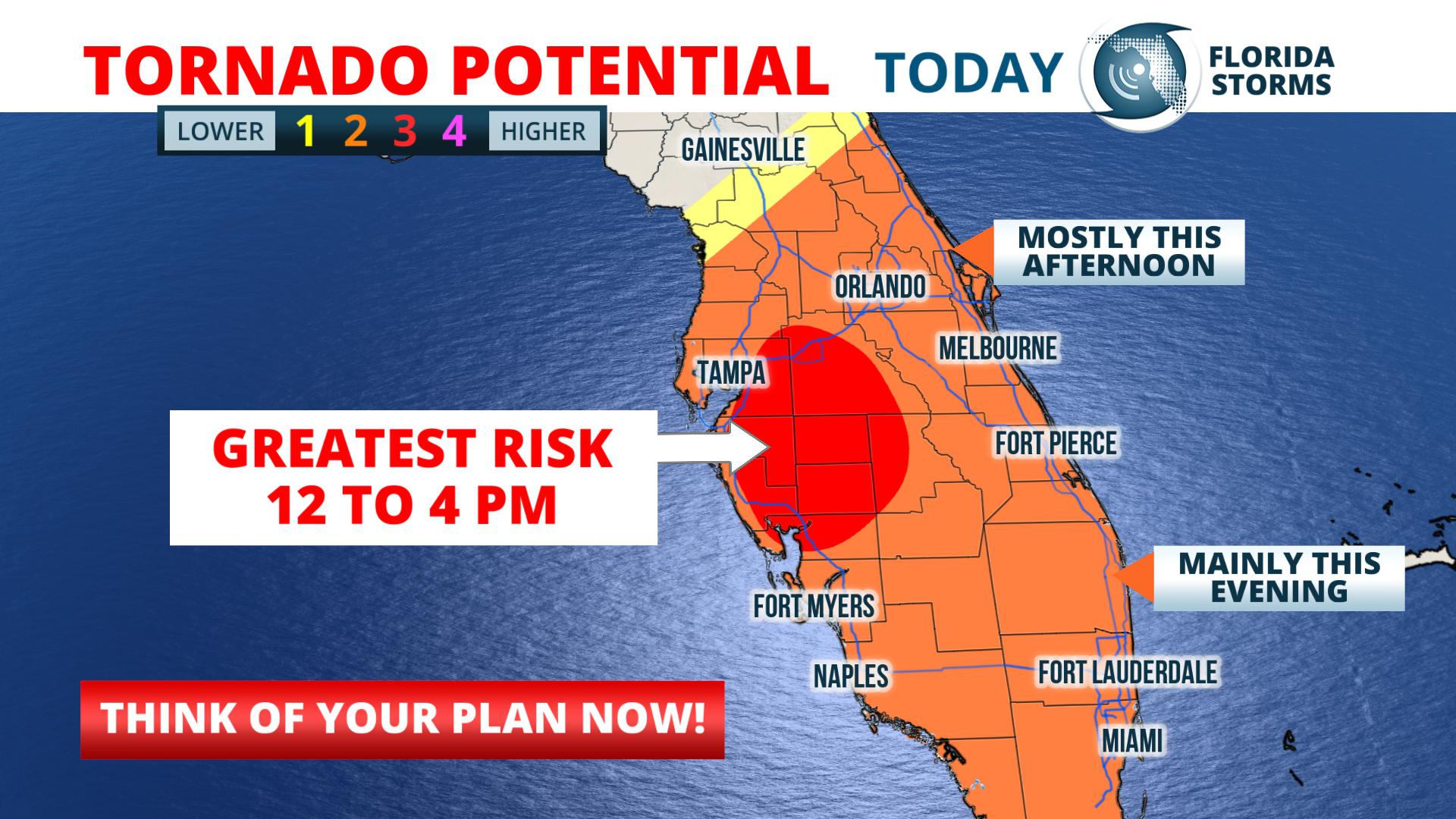
Tornadoes in Florida generally fall into two categories: those spawned by cold fronts during the winter and spring, and those produced by tropical cyclones during the hurricane season. For the curious tourist, identifying where these events occur is the first step in planning a safe and enjoyable trip.
Central Florida: The Lightning Capital and Tornado Corridor
The region encompassing Orlando, Kissimmee, and Lakeland is often referred to as a “tornado corridor” within the state. Because this area sits at the meeting point of sea breezes from both the Atlantic Ocean and the Gulf of Mexico, the resulting instability can trigger rapid storm development. Recent notable activity has frequently centered around Volusia County and Brevard County, where the proximity to the Space Coast makes for dramatic weather patterns. Visitors to Daytona Beach or the Kennedy Space Center often find that while storms move quickly, the local tourism industry is highly adept at managing these brief interruptions.
The Impact on the Florida Panhandle
The Florida Panhandle often experiences tornadoes that are more reminiscent of the classic “Tornado Alley” in the Midwest. Cities such as Tallahassee, Panama City Beach, and Pensacola have historically faced powerful spring tornadoes. These events are often driven by strong cold fronts moving across the United States. For tourists enjoying the emerald waters of Destin or the historic charm of Tallahassee, staying weather-aware during the months of March through May is a standard part of the local travel experience.
Tropical Activity in South Florida
In South Florida, particularly in Miami-Dade County and Broward County, tornadoes are frequently associated with tropical depressions and hurricanes. During recent landfalling storms, tornadoes were reported further inland in areas like St Lucie County and Palm Beach County. These events, while frightening, are usually short-lived. The cultural landscape of Miami and Fort Lauderdale is built on a foundation of hurricane preparedness, meaning that even when a tornado is reported, the local response is swift, and the hospitality sector is well-trained to protect guests.
How Severe Weather Shapes the Florida Tourism Experience
Tourism in Florida is a multibillion-dollar industry that has evolved to coexist with the state’s volatile climate. From the architecture of the hotels to the operation of major theme parks, every element of the visitor experience is designed with safety and resilience in mind.
Preparedness at Major Theme Parks
For many, a trip to Florida means visiting world-renowned attractions like Walt Disney World Resort and Universal Orlando Resort. These massive complexes operate like small cities, equipped with sophisticated weather monitoring systems. When a tornado warning is issued for the Orlando area, parks like Magic Kingdom Park or Disney’s Animal Kingdom have established protocols to move guests into reinforced interior structures.
The culture of safety at SeaWorld Orlando and Busch Gardens Tampa Bay also includes specialized care for their resident animals. For the tourist, this means that while a “tornado in Florida” might cause a temporary closure of outdoor rides, the internal infrastructure is among the safest in the world. This transparency in safety procedures actually bolsters traveler confidence, knowing that the “Sunshine State” takes its storms seriously.
The Resilience of Local Food and Culture
The local culture in cities like Tampa and Sarasota is remarkably resilient. After a weather event, it is common to see the community rally together. Tourists often find that the best way to support the local economy is to continue visiting the local eateries and boutiques that may have been briefly affected. In the historic district of St Augustine, where old-world architecture meets modern coastal living, the preservation of history includes a deep understanding of natural disasters. Dining at a local café in St Augustine shortly after a storm offers a unique perspective on the grit and hospitality of the Florida people.
Essential Safety Tips and Resources for Visitors
Navigating Florida weather requires more than just an umbrella; it requires a proactive approach to information. If you are staying at a resort in Naples or a beachfront villa in Clearwater Beach, knowing what to do when the sirens sound is vital.
Understanding Weather Warnings
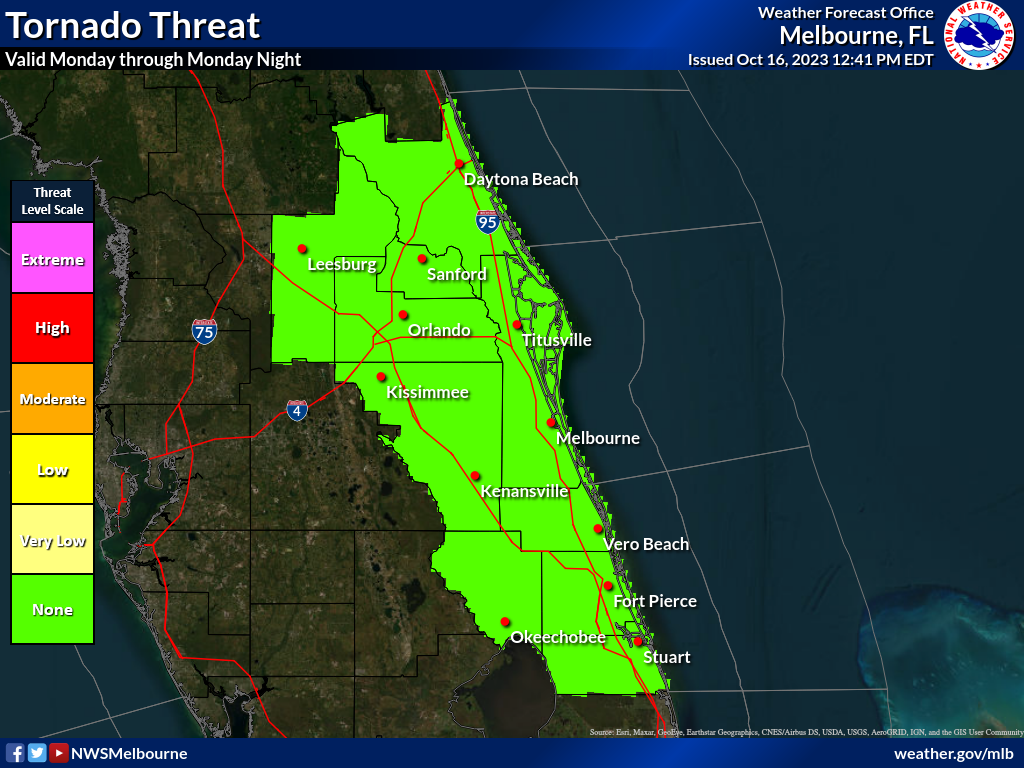
The distinction between a “Watch” and a “Warning” is the most important piece of information for any tourist. A Tornado Watch means that conditions are favorable for a tornado to form in areas like Fort Myers or Jacksonville. A Tornado Warning means a tornado has been sighted or indicated by radar, and you must take cover immediately. Most modern hotels in Florida, from the luxury suites in Boca Raton to the budget stays in Kissimmee, have emergency broadcast systems that will alert guests in their rooms.
Digital Tools for the Modern Traveler
Technology has transformed how visitors interact with Florida weather. Downloading apps from the National Weather Service or local news outlets in Tampa and Miami is highly recommended. These tools provide real-time GPS-based alerts. If you are out exploring the Everglades or taking a boat tour in the Florida Keys, these alerts can provide the crucial lead time needed to reach a sturdy shelter.
Choosing Safe Accommodations
When booking a trip, consider the type of structure you are staying in. While the allure of a remote beach bungalow on Sanibel Island is strong, these structures are more vulnerable to high winds than the reinforced concrete hotels found in Downtown Orlando. If you are traveling during the peak of the storm season, staying in a well-established resort can offer peace of mind, as these buildings are constructed to meet the most stringent wind codes in the United States.
Exploring Beyond the Storm: Recovery and Rebirth
A significant part of Florida tourism is witnessing the incredible rebirth of areas that have faced severe weather. When a tornado or hurricane impacts a destination, the recovery process often brings about a revitalization of local attractions and infrastructure.
The Transformation of Coastal Gems
Areas like Fort Myers Beach and Sanibel Island have faced significant challenges in recent years. However, the tourism industry in these locations has used the recovery period to modernize facilities, improve environmental sustainability, and enhance the visitor experience. Travelers visiting these areas today are often greeted with brand-new boardwalks, updated visitor centers, and a renewed focus on eco-tourism. This cycle of recovery is a testament to the importance of tourism as an engine for regional stability.
Sustaining Tourism in Rural Florida
While the headlines often focus on the big cities, rural parts of Florida also face tornado threats. The “Old Florida” charm of places like Ocala and the springs of North Florida offer a different pace of life. Following a weather event, these communities rely heavily on visitors to return to their local parks and rivers. Exploring the Silver Springs State Park or hiking through the Ocala National Forest allows tourists to see the raw power of nature and the beauty of the landscape’s natural regeneration.

A Seasonal Guide for Planning Your Visit
To minimize the risk of encountering severe weather, timing is everything. The most stable weather for Florida tourism generally occurs from late October through early March. During this window, the humidity is lower, and the threat of tropical-induced tornadoes is virtually non-existent. This is the perfect time to visit Key West for the sunset celebrations or to take a culinary tour through the Little Havana neighborhood in Miami.
However, even during the “wet season” (June through September), tornadoes are usually isolated and brief. The key is flexibility. Many savvy travelers plan indoor activities, such as visiting the Salvador Dali Museum in St Petersburg or the Museum of Science and Discovery in Fort Lauderdale, for the afternoon hours when storms are most likely to occur.
By understanding where the tornado was in Florida and recognizing the patterns of the state’s geography, tourists can move from a place of uncertainty to one of empowerment. Florida remains one of the most vibrant, welcoming, and resilient places on Earth, where the local culture is as warm as the tropical sun and the tourism industry is always ready to welcome you back, rain or shine.
LifeOutOfTheBox is a participant in the Amazon Services LLC Associates Program, an affiliate advertising program designed to provide a means for sites to earn advertising fees by advertising and linking to Amazon.com. Amazon, the Amazon logo, AmazonSupply, and the AmazonSupply logo are trademarks of Amazon.com, Inc. or its affiliates. As an Amazon Associate we earn affiliate commissions from qualifying purchases.