
The question “Where’s My State Refund Oregon?” is likely on the minds of many residents as tax season winds down. While the anticipation of receiving a refund can be exciting, especially when planning your next adventure or a much-needed break, navigating the Oregon Department of Revenue’s (ODR) system to track its status is a straightforward process. This guide will walk you through how to check your Oregon state tax refund, offering insights into common reasons for delays, and how to best prepare for your financial windfalls, aligning with the spirit of travel and lifestyle exploration that lifeoutofthebox.com celebrates.
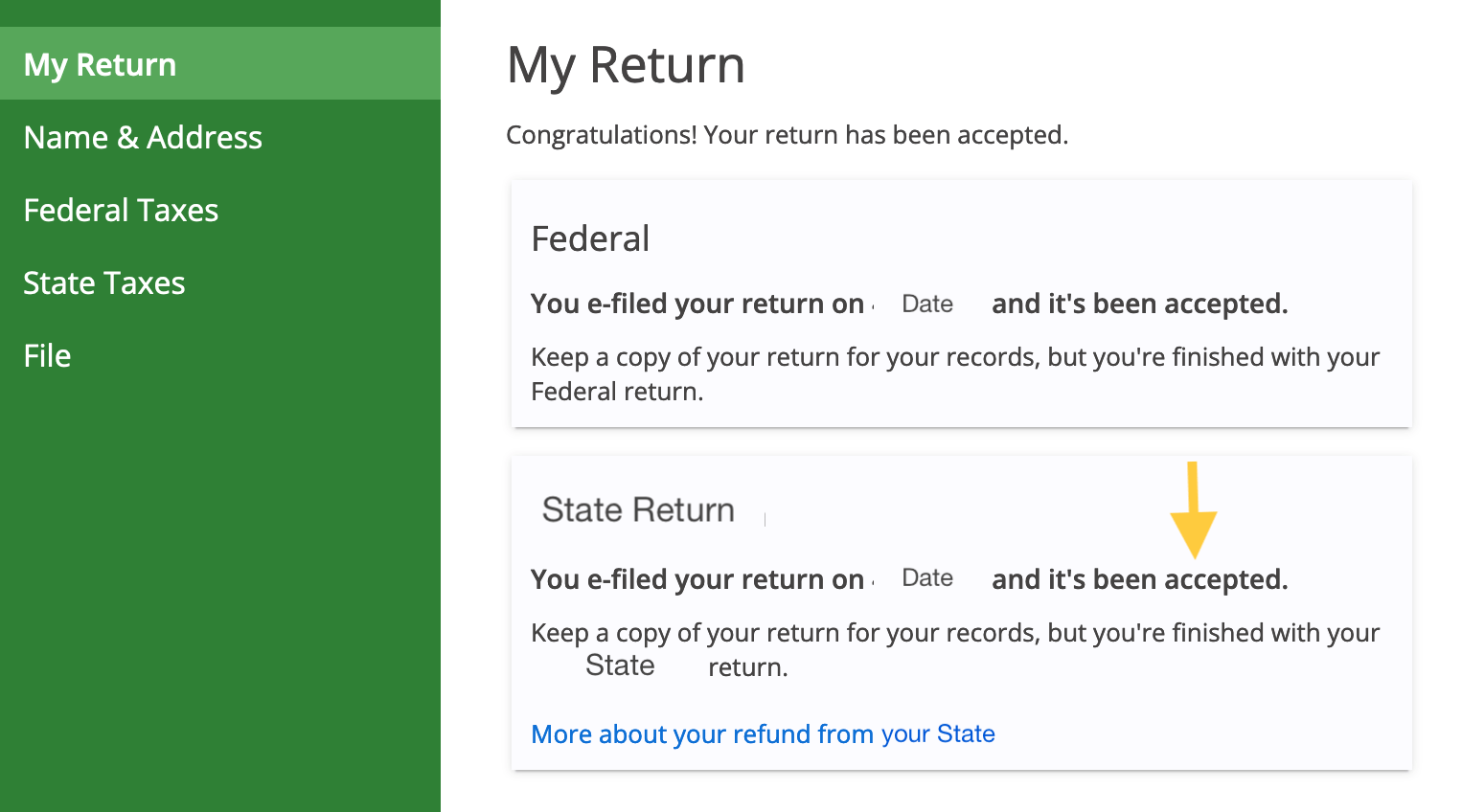
Understanding Your Oregon State Tax Refund Status
For most taxpayers in Oregon, the Department of Revenue aims to process refunds efficiently. However, the timing can vary. Several factors influence how quickly you receive your refund, and knowing these can help manage your expectations.
How to Check Your Refund Status
The primary method for checking your Oregon state tax refund status is through the Oregon Department of Revenue’s official website. This online tool is designed to be user-friendly and provides real-time updates.
- Visit the Oregon Department of Revenue Website: Navigate to the official website of the Oregon Department of Revenue. Look for a section dedicated to taxpayer services or refunds.
- Locate the “Where’s My Refund?” Tool: The ODR typically has a dedicated portal or a specific link labeled “Where’s My Refund?” or “Check My Refund Status.” This is usually prominently displayed on their homepage or within the individual income tax section.
- Provide Necessary Information: To access your refund status, you will generally need to provide a few key pieces of information from your filed tax return. This typically includes:
- Your Social Security Number (SSN).
- Your exact filing status (e.g., Single, Married Filing Jointly, Head of Household).
- The exact refund amount you are expecting.
- In some cases, you might need to enter your Adjusted Gross Income (AGI) or a specific line item from your tax return.
- View Your Status: Once you submit the required information, the system will display the current status of your refund. Common statuses include “Received,” “Processing,” “Approved,” and “Mailed” or “Direct Deposited.”
Important Considerations for Checking Your Refund:
- Processing Time: It’s important to note that it generally takes a few weeks for the Department of Revenue to process your return and issue a refund. The ODR typically advises waiting at least 21 days after e-filing or 42 days after mailing your return before checking the status, though this can vary.
- E-filing vs. Paper Filing: Refunds are typically processed much faster when filed electronically (e-filed) compared to paper returns. If you mailed your return, it will take longer to be entered into the system.
- Accuracy of Information: Ensure that all the information you provide matches your tax return exactly. Any discrepancies can lead to delays or prevent you from accessing your refund status.
- Identity Verification: In some instances, especially if the ODR flags your return for further review or if there are any concerns about identity theft, you may be asked to complete an identity verification process. This could involve providing additional documentation or answering security questions, which can also extend processing times.
Common Reasons for Refund Delays and How to Mitigate Them
While the Oregon Department of Revenue strives for prompt processing, several factors can contribute to delays in receiving your state tax refund. Understanding these reasons can help you proactively avoid potential issues.
Factors Affecting Refund Timeliness

- Incomplete or Inaccurate Returns: Errors on your tax return are one of the most common reasons for delays. This can include transposed numbers, incorrect Social Security numbers, missing signatures, or improperly calculated tax liability.
- Mitigation: Double-check every section of your tax return before filing. If you use tax preparation software, leverage its error-checking features. If you work with a tax professional, review your return thoroughly with them.
- Amended Returns: If you need to file an amended tax return (Form 1040-X for federal, or the Oregon equivalent), these generally take significantly longer to process than original returns. The ODR needs to review the changes you’ve made.
- Mitigation: File amendments only when necessary and ensure all supporting documentation is accurate and provided. Be patient, as amended returns can take many months to resolve.
- Math Errors: Simple arithmetic errors can trip up the processing system and require manual review.
- Mitigation: Use tax software or hire a professional to minimize the risk of mathematical mistakes. If filing manually, consider using a calculator and reviewing your calculations.
- Complex Tax Situations: Returns with unusual deductions, credits, or income sources might require additional scrutiny to verify their accuracy and eligibility. This is particularly true for those with self-employment income, significant investment gains, or complex business deductions.
- Mitigation: Keep meticulous records of all income, expenses, deductions, and credits. Consult with a tax advisor if your tax situation is complex.
- Identity Theft or Fraud: If the ODR suspects identity theft or fraudulent activity, your refund may be held while they investigate.
- Mitigation: Protect your personal information diligently. If you receive any suspicious communications claiming to be from the ODR, verify them directly with the agency.
- Owe Back Taxes or Other Debts: If you owe money to other government agencies, such as child support arrears, outstanding student loans, or previous tax liabilities, your state refund might be intercepted to cover these debts.
- Mitigation: Be aware of any outstanding financial obligations you may have. The ODR will typically notify you if your refund is subject to interception.
- Paper Returns and Mail Delays: As mentioned, paper returns take longer to process. Additionally, postal service delays can impact when your return is received and when you receive your refund check.
- Mitigation: E-file your return whenever possible to expedite the process. If mailing, send it via certified mail with return receipt requested for proof of delivery.
Proactive Steps to Ensure a Smooth Refund Process
- File Early: Filing your taxes as soon as you have all your necessary documents can help ensure your return is among the first processed.
- Choose Direct Deposit: Opting for direct deposit is the fastest and most secure way to receive your refund. It eliminates the risk of a lost or stolen check and typically deposits the funds into your bank account within days of approval.
- Use Accurate Contact Information: Ensure your mailing address and phone number on your tax return are current. This is crucial for the ODR to contact you if any issues arise or to send your refund check.
- Keep Records: Maintain copies of your filed tax return and all supporting documentation for at least three years. This is helpful for future reference, audits, or if you need to amend your return.
- Stay Informed: Follow any official announcements or updates from the Oregon Department of Revenue regarding tax season processing times.
Maximizing Your Oregon State Refund for Future Adventures
Receiving an Oregon state tax refund can feel like a bonus, and planning how to use it effectively can enhance your lifestyle and travel experiences. Whether you dream of exploring the dramatic coastlines of the Oregon Coast, hiking through the lush forests of the Columbia River Gorge, or indulging in the vibrant culinary scene of Portland, your refund can be a valuable tool.
Turning Your Refund into a Travel Fund
Many people earmark their tax refunds for travel. With an Oregon refund, you have a fantastic opportunity to explore your home state or venture further afield.
- Plan a Domestic Getaway: Oregon offers a diverse range of attractions. Consider a scenic road trip along the Historic Columbia River Highway, visit the charming wineries of the Willamette Valley, or explore the unique urban landscape of Eugene. Your refund could cover accommodation, dining, and activities for a memorable short break.
- Invest in Experiences: Instead of just tangible goods, use your refund to invest in experiences. This could mean booking a unique tour, attending a local festival, or taking a cooking class to learn about Oregon’s culinary traditions. Experiences often create lasting memories and enrich your understanding of a destination.
- Save for a Larger Trip: If you have a bigger travel dream, such as a trip to Crater Lake National Park or even an international destination, your refund can be a significant step towards saving for it. Consider opening a dedicated travel savings account to make your goal tangible.
- Budget-Friendly Travel: Even a modest refund can be stretched further with strategic travel planning. Look for deals on accommodations, travel during the shoulder seasons, and explore free attractions like hiking trails and scenic viewpoints. For example, a refund could fund a weekend camping trip in the Wallowa Mountains or a budget-friendly exploration of cities like Ashland.

Beyond Travel: Other Lifestyle Enhancements
While travel is a popular choice, your refund can also be used to enhance your overall lifestyle in ways that indirectly support your adventures or provide other forms of enrichment.
- Home Improvement for Better Stays: Investing in your home can make your “home base” more enjoyable and could even make it more appealing for long-term stays or hosting visitors. For example, updating a guest room could prepare it for friends and family visiting from out of town.
- Financial Health: Using your refund to pay down debt or boost your savings can provide a sense of financial security, which is essential for stress-free travel planning. A healthy financial foundation allows for more spontaneous and enjoyable trips.
- Learning and Skill Development: Consider using a portion of your refund to invest in a new skill or hobby that could enhance your travel experiences. This might include language classes, photography courses, or even outdoor adventure training.
By understanding how to track your Oregon state tax refund and by having a plan for how to best utilize it, you can ensure that this financial return contributes positively to your life, whether it’s by funding your next great escape or by enriching your everyday experiences. Remember to always check the official Oregon Department of Revenue website for the most accurate and up-to-date information regarding your refund status.
LifeOutOfTheBox is a participant in the Amazon Services LLC Associates Program, an affiliate advertising program designed to provide a means for sites to earn advertising fees by advertising and linking to Amazon.com. Amazon, the Amazon logo, AmazonSupply, and the AmazonSupply logo are trademarks of Amazon.com, Inc. or its affiliates. As an Amazon Associate we earn affiliate commissions from qualifying purchases.