
The landscape of the Las Vegas Strip is in a constant state of flux. Unlike many historical cities where landmarks remain static for centuries, Las Vegas thrives on the cycle of destruction and rebirth. For those who frequent this desert oasis, the question of which property is closing its doors is not just a matter of curiosity; it is a signifier of the shifting tides within the hospitality and gaming industry.
As major developers look to maximize the value of prime real estate in Nevada, iconic resorts often face the wrecking ball to make room for newer, more modern iterations of luxury. Currently, the industry is buzzing with anticipation regarding the transition of the Tropicana Las Vegas. Having officially closed its doors in 2024, the property’s demolition marks the end of an era that spanned over six decades, signaling a new chapter for the corner of Las Vegas Boulevard and Tropicana Avenue.
The Evolution of the Las Vegas Strip
The closure of established resorts is a foundational element of the Las Vegas experience. To understand why a hotel closes, one must look at the economics of the United States gaming capital. Space is finite, and as visitor expectations rise, aging infrastructure often becomes a liability rather than an asset.
From Vintage Charm to Modern Efficiency
Many of the resorts built in the 1950s and 1960s were architectural marvels for their time, but they lack the massive footprints required by modern mega-resorts. The Tropicana Las Vegas served as a prime example of mid-century aesthetics that eventually struggled to compete with the sheer scale of the Caesars Palace or the MGM Grand. When a property closes, it is usually because the land it occupies is worth more than the business operating within its walls.
The Impact of Economic Shifts
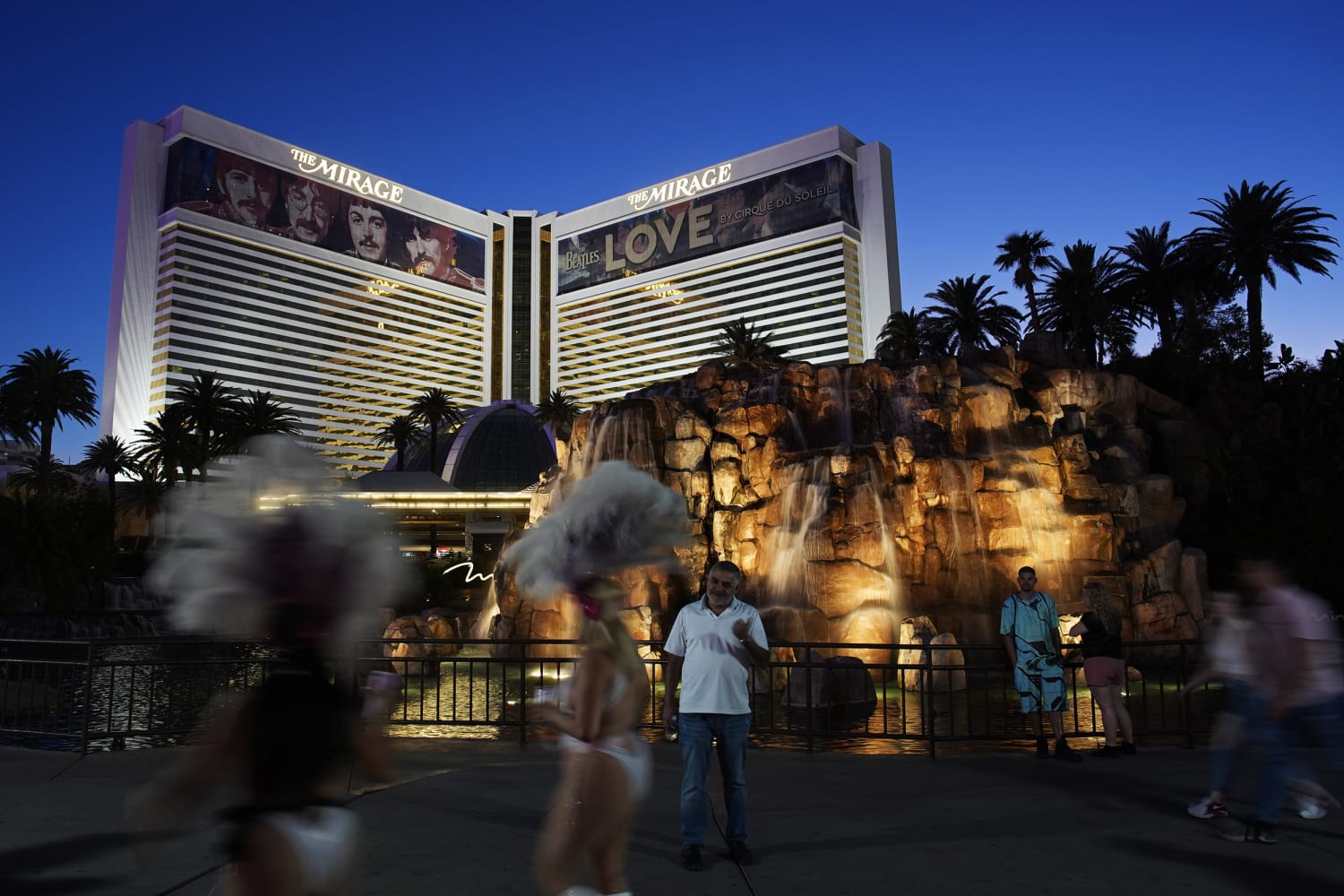
Investment firms and gaming conglomerates operate with a five-to-ten-year outlook. When a resort reaches a point where renovations would cost more than the projected return on investment, management teams often opt for a total site clearance. This was the logic behind the closure of the Mirage, which transitioned to the Hard Rock Hotel brand. The goal is to align the property with contemporary branding trends that appeal to younger demographics who prioritize social media-friendly aesthetics and cutting-edge dining experiences.
Why Major Resorts Close Permanently
It is rare for a hotel to close simply due to lack of interest. In Las Vegas, closures are calculated strategic maneuvers. Understanding the “why” behind these departures helps guests better appreciate the evolution of the city’s hospitality sector.
Rebranding and Repositioning
The move from a legacy brand to a high-end, modern resort is the primary driver of change. Brands like the Wynn Las Vegas and The Venetian have set a high bar for luxury. Older resorts that cannot physically expand to include massive pool complexes, expansive retail corridors, or state-of-the-art concert arenas are often pushed toward obsolescence.

Infrastructure Obsolescence
Maintenance on older plumbing, electrical, and HVAC systems can become unsustainable. When a hotel is shuttered, it is often because the cost of bringing a 50-year-old building up to modern safety and sustainability codes exceeds the cost of a complete redevelopment. In the context of Clark County, building new allows for better integration with public transit and smarter energy usage, which is essential for the future of the region.
The Future of the Site
When a legendary landmark disappears, the common question is: “What comes next?” The future of these sites usually involves integrated resorts that combine high-density hotel rooms with specialized sports venues or convention centers.
Stadium Integration
The recent trend in Las Vegas involves a pivot toward sports tourism. With the arrival of professional sports teams, developers are looking to place new resorts in proximity to major venues. The land formerly occupied by aging casinos is now being scrutinized for its potential to host stadiums or related infrastructure that benefits from the massive influx of tourists during major events like the Super Bowl or Formula 1 races.
Designing the “Next” Las Vegas
The next wave of resort development focuses on “experience-based” hospitality. We are moving away from the era of dimly lit, smoky gaming floors toward bright, open-concept designs that emphasize art, fashion, and culinary innovation. As developers tear down the old guard, they replace them with properties that feel like small cities rather than just hotels. These new developments often include:
- Integrated Convention Space: Catering to the massive business travel market.
- Curated Dining Collections: Bringing world-class chefs to the desert.
- Green Spaces: Incorporating sustainable desert landscaping to minimize the urban heat island effect.
Navigating Change for the Frequent Visitor
For the loyal traveler, the disappearance of a favorite hotel can feel personal. However, these closures are the engine of Las Vegas tourism. By continuously refreshing the inventory, the city ensures that return visitors always have something new to explore.
Staying Updated
If you are planning a trip to Nevada, it is vital to keep an eye on industry news cycles. Before booking, ensure that your preferred resort is not in the midst of a transition phase. While most closures are announced well in advance, construction noise or the temporary closure of amenities can impact your stay.

Embracing the New Icons
While we may mourn the loss of historical landmarks, the new projects taking their place are designed to push the boundaries of architecture and entertainment. From the innovative design of The Sphere to the ultra-luxury experiences at the Fontainebleau Las Vegas, the spirit of the city is defined by its ability to reinvent itself. The cycle of closing and opening ensures that Las Vegas remains the entertainment capital of the world, constantly striving to offer an experience that is bigger, brighter, and more immersive than the last.
Ultimately, when a casino closes in this city, it is rarely a final act. It is merely a pause in a much larger, grander story of growth, where the only constant is the drive to capture the imagination of the world. Whether it is the Sahara Las Vegas undergoing a massive transformation or a new tower rising where a legend once stood, the heartbeat of the Las Vegas Strip remains as strong as ever.
LifeOutOfTheBox is a participant in the Amazon Services LLC Associates Program, an affiliate advertising program designed to provide a means for sites to earn advertising fees by advertising and linking to Amazon.com. Amazon, the Amazon logo, AmazonSupply, and the AmazonSupply logo are trademarks of Amazon.com, Inc. or its affiliates. As an Amazon Associate we earn affiliate commissions from qualifying purchases.