
Unveiling Boston’s Geographical Identity
To truly appreciate Boston as a premier travel destination, understanding its geographical footing is essential. Boston, the vibrant capital and most populous city in Massachusetts, holds the distinction of being the county seat of Suffolk County. While the concept of a “county” in Massachusetts may differ slightly from other U.S. states—where counties often have more robust administrative powers—Suffolk County primarily serves as a judicial district for court administration. Nonetheless, this geographical designation firmly places Boston within a specific regional context, anchoring it historically and infrastructurally.
The Heart of Suffolk County
Suffolk County is relatively small in land area but densely populated, reflecting Boston’s urban core. Beyond Boston itself, the county also encompasses the cities of Chelsea and Revere, and the town of Winthrop. While Boston dominates the county’s identity, these neighboring communities contribute to the broader metropolitan experience for visitors.
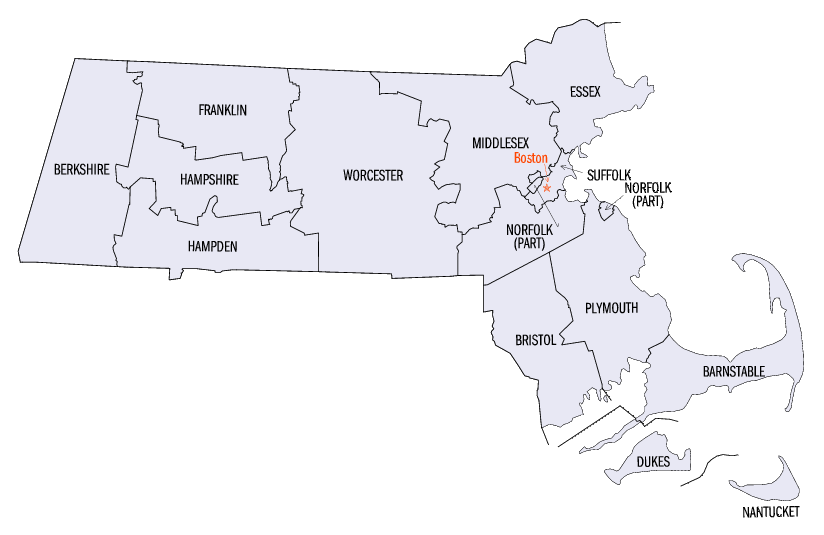
Historically, counties in Massachusetts played a more significant administrative role. Over time, many of their governmental functions were absorbed by the state or transferred to local municipalities, making the county boundaries more relevant for legal and historical purposes today. Despite this, knowing that Boston resides within Suffolk County provides a fundamental piece of information for travelers planning their visit, setting the stage for exploring one of America’s most storied cities. Its position as the capital also makes it the undisputed economic, cultural, and political hub of New England.
Boston’s Rich Historical Tapestry: A Journey Through Time
Boston’s identity is inextricably linked to its pivotal role in the formation of the United States. Travelers are drawn to this city not just for its contemporary charm but for the palpable sense of history embedded in its very streets.
Cradle of American Liberty
Often referred to as the “Cradle of American Liberty,” Boston was the epicenter of many events that ignited the American Revolution. A walk through Boston is a journey back in time, allowing visitors to trace the footsteps of patriots and witness the very locations where history was made.
The Freedom Trail is a 2.5-mile red-lined path connecting 16 historically significant sites, offering an immersive experience into the city’s revolutionary past. Highlights along this iconic trail include Faneuil Hall, known as the “Cradle of Liberty” for its role as a meeting place for revolutionaries; the Old North Church, famous for the “one if by land, two if by sea” signal that preceded Paul Revere’s midnight ride; and the Paul Revere House, the oldest house in downtown Boston. Further along, the towering Bunker Hill Monument commemorates one of the earliest battles of the Revolutionary War. These landmarks are not mere relics; they are vibrant educational sites that bring the stories of colonial America to life for every visitor.
From Port City to Modern Metropolis
Beyond its revolutionary roots, Boston’s history continued to evolve. From a thriving colonial port, it grew into a hub of industry, manufacturing, and trade in the 19th century. The city’s intellectual legacy began to solidify with the establishment of numerous universities and colleges, making it a prominent center for education and innovation.
In recent decades, Boston has transformed into a leading global city for biotechnology, finance, and technology, symbolized by the emergence of the modern Seaport District and its Innovation District. This blend of deep historical roots and forward-looking progress creates a dynamic travel destination that appeals to a wide array of interests.
Exploring Boston’s Diverse Neighborhoods and Attractions
Boston’s true charm lies in its distinct neighborhoods, each offering a unique atmosphere and an array of attractions. A traveler could spend weeks exploring and still discover something new.
Iconic Districts for Every Traveler
- Beacon Hill: Immediately recognizable by its cobblestone streets, gas lamps, and elegant Federal-style row houses, Beacon Hill is one of Boston’s most picturesque and upscale neighborhoods. Visitors can stroll along Acorn Street, often cited as one of the most photographed streets in the U.S., and admire the iconic golden dome of the Massachusetts State House.
- North End: Boston’s oldest residential neighborhood is a lively Italian enclave. Travelers flock here for authentic Italian cuisine, historic sites like the Old North Church and the Paul Revere House, and charming bakeries. The narrow, winding streets invite exploration and discovery.
- Back Bay: Known for its stunning Victorian brownstones, high-end shopping on Newbury Street, and grand boulevards like Commonwealth Avenue, Back Bay exudes sophistication. Key attractions include the magnificent Boston Public Library at Copley Square and the panoramic views from the Skywalk Observatory at the Prudential Center.
- Seaport District: This rapidly developing area showcases modern Boston. Once an industrial waterfront, the Seaport District is now home to sleek architecture, trendy restaurants, art galleries, and the engaging Boston Tea Party Ships & Museum, offering a vivid reenactment of the seminal historical event.
- Fenway-Kenmore: For sports enthusiasts, the historic Fenway Park, home of the Boston Red Sox, is a pilgrimage site. Beyond baseball, this district offers cultural enrichment with the Museum of Fine Arts and the exquisite Isabella Stewart Gardner Museum, a Venetian-palace style museum housing a remarkable art collection.

Must-Visit Attractions Beyond the Trails
While the Freedom Trail covers many historical sites, Boston offers much more:
- Boston Common and Public Garden: These adjacent green spaces form the oldest park in the U.S. and are perfect for a relaxing stroll, a picnic, or a ride on the iconic Swan Boats in the Public Garden pond.
- New England Aquarium: Located on the waterfront, this aquarium is a family-friendly destination featuring a giant ocean tank, marine mammals, and a diverse collection of aquatic life.
- Museum of Science: Situated on the Charles River overlooking Cambridge, the Museum of Science offers interactive exhibits, a planetarium, and an IMAX theater, engaging visitors of all ages with scientific wonders.
Navigating Boston: A Traveler’s Guide
Exploring Boston is made easy by its compact size and efficient transportation options, enhancing the travel experience.
Getting Around the City
Boston is a highly walkable city, especially its historic core and many neighborhoods. For longer distances, the Massachusetts Bay Transportation Authority (MBTA), affectionately known as the “T,” provides an extensive public transportation network of subways, buses, and commuter rail. The subway system is particularly efficient for reaching major attractions. Water taxis and ferries offer scenic alternatives for crossing the Boston Harbor or reaching coastal areas. While ride-shares are available, experiencing Boston on foot or via the T truly immerses one in the city’s urban rhythm.
When to Visit
Each season in Boston offers a distinct experience:
- Spring (April-May): Pleasant temperatures, blooming flowers in the Public Garden, and fewer crowds make spring an ideal time for sightseeing.
- Summer (June-August): Lively atmosphere with outdoor festivals, concerts, and harbor cruises. While temperatures can be warm, it’s a popular time for tourists, especially families.
- Fall (September-October): Arguably the most picturesque season, with stunning foliage, crisp air, and comfortable temperatures. Popular events like the Head of the Charles Regatta draw large crowds.
- Winter (November-March): Offers a quieter, magical experience with holiday lights, ice skating on the Boston Common Frog Pond, and cozy indoor attractions. Be prepared for cold weather and potential snow.
Culinary Experiences
Boston’s culinary scene is as rich and diverse as its history:
- Seafood: A visit to Boston is incomplete without indulging in its fresh seafood. Classic New England Clam Chowder, succulent lobster rolls, and freshly shucked oysters are staples. Historic restaurants like the Union Oyster House, America’s oldest continuously operating restaurant, offer a taste of tradition.
- Italian Delights: The North End is a gastronomic paradise for Italian food lovers, with countless trattorias, pizzerias, and pasticcerias offering authentic flavors.
- Craft Beer and Modern Cuisine: Beyond the classics, Boston boasts a thriving craft beer scene and a plethora of modern American restaurants pushing culinary boundaries, particularly in the Seaport District.
Beyond Suffolk County: Day Trips from Boston
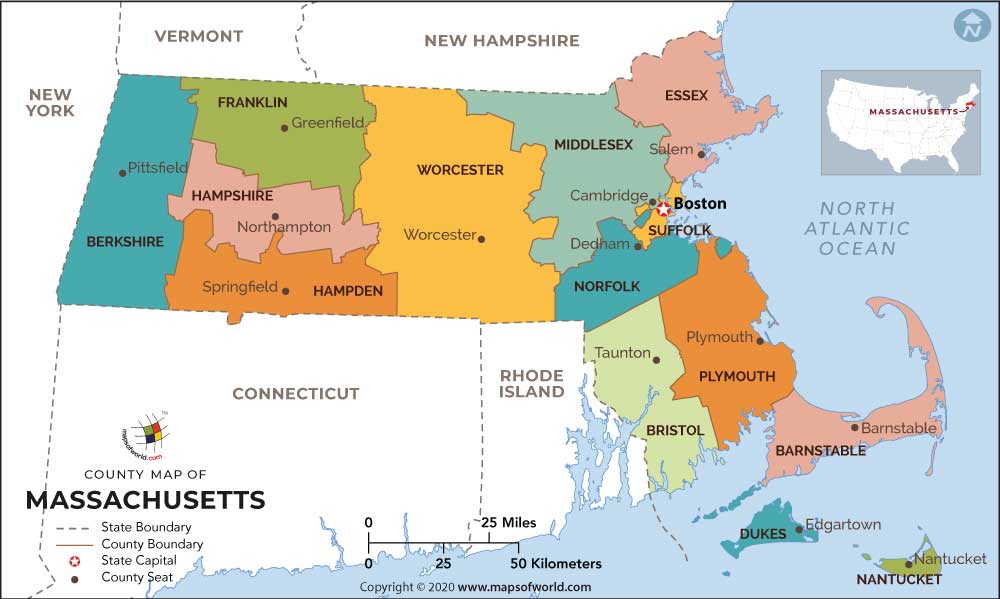
While Boston offers an abundance of attractions, its central location in New England makes it an excellent base for exploring nearby historical towns, vibrant cities, and scenic coastal areas.
Exploring Greater Boston and New England
- Cambridge: Just across the Charles River from Boston, Cambridge is home to world-renowned institutions like Harvard University and the Massachusetts Institute of Technology (MIT). Visitors can explore Harvard Yard, browse the shops in Harvard Square, or stroll along the Charles River waterfront.
- Salem: A short train ride north of Boston, Salem is famously known for the 1692 Witch Trials. It offers a fascinating, albeit sometimes eerie, glimpse into colonial history with attractions like the Witch History Museum and the Peabody Essex Museum, showcasing impressive art and culture.
- Concord and Lexington: These two towns, located west of Boston, were crucial battlegrounds at the start of the American Revolutionary War. Visitors can explore the battlefields, Minuteman National Historical Park, and the homes of literary giants like Ralph Waldo Emerson and Louisa May Alcott in Concord.
- Cape Cod: For a scenic coastal escape, Cape Cod offers charming towns, beautiful beaches, and fresh seafood, especially during the warmer months. It’s a popular destination for whale watching, cycling, and enjoying the quintessential New England seaside experience.
- Providence, Rhode Island: A quick train journey south brings travelers to Providence, the capital of Rhode Island. Known for its thriving arts scene, culinary prowess, and historic architecture, Providence makes for an excellent day trip to experience another charming New England city.
Understanding Boston’s place within Suffolk County provides a foundational layer to appreciating its identity, but it is the city’s unparalleled blend of history, vibrant culture, diverse neighborhoods, and accessible attractions that truly make it a world-class travel destination. Whether delving into revolutionary past or savoring modern culinary delights, Boston promises an enriching and unforgettable travel experience.
LifeOutOfTheBox is a participant in the Amazon Services LLC Associates Program, an affiliate advertising program designed to provide a means for sites to earn advertising fees by advertising and linking to Amazon.com. Amazon, the Amazon logo, AmazonSupply, and the AmazonSupply logo are trademarks of Amazon.com, Inc. or its affiliates. As an Amazon Associate we earn affiliate commissions from qualifying purchases.