
The electoral process in any state is a complex tapestry, woven with the threads of legislative proposals, public opinion, and ultimately, voter decision. In Florida, this process is particularly dynamic, with citizens regularly presented with opportunities to directly shape the laws and constitution of their state through ballot amendments. Understanding which of these amendments pass is crucial for anyone interested in the state’s political landscape, its future direction, and the specific impacts these changes will have on residents and visitors alike. While the title “Which Florida Amendments Passed?” might initially suggest a purely political discourse, for those involved in the tourism and hospitality sectors, or indeed for any visitor planning a trip to the Sunshine State, these outcomes can have tangible, albeit sometimes subtle, effects.
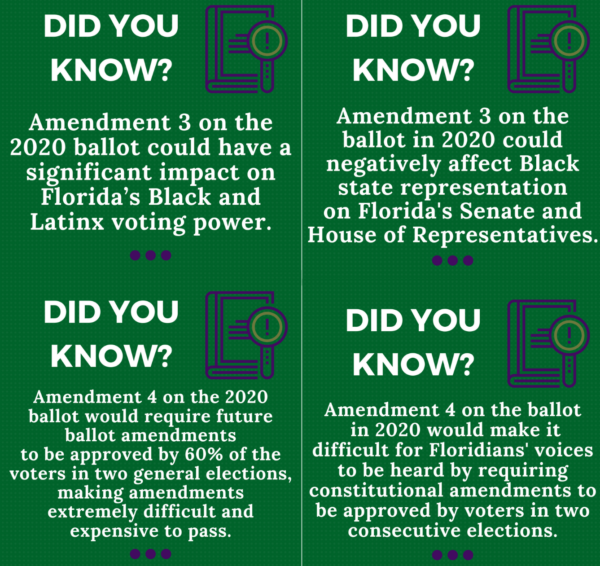
The passage of certain amendments can influence everything from environmental protection policies that preserve the natural beauty of Florida’s coastlines and Everglades, to regulations that might affect business operations within the tourism industry, or even initiatives aimed at enhancing public safety in popular tourist destinations. Therefore, a keen awareness of these legislative victories is not merely an academic exercise but a practical necessity for navigating and appreciating the state. This exploration aims to shed light on the mechanisms of Florida’s amendment process and to highlight the kinds of changes that voters have recently embraced, providing a clearer picture of the state’s evolving civic and social fabric.
Understanding Florida’s Amendment Process
The ability for citizens to directly propose and vote on constitutional amendments is a cornerstone of Florida’s democratic framework. This process is distinct from typical legislative bills that are passed by the Florida Legislature and signed by the governor. Amendments, on the other hand, often bypass this intermediate step, requiring a significant number of signatures to be placed on the ballot and then a supermajority vote of the electorate to be enacted. This direct democracy mechanism ensures that the will of the people can be directly translated into law, especially on issues that may be particularly contentious or that represent deeply held public values.
The Road to the Ballot
The journey of a proposed amendment is rigorous. It typically begins with citizens or advocacy groups gathering signatures to qualify for the ballot. This signature-gathering phase is a crucial hurdle, demanding widespread support and extensive organization. Once sufficient signatures are collected, the proposed amendment is reviewed by the Florida Supreme Court to ensure it meets all constitutional requirements and that the language is clear and unambiguous. This judicial review is a critical safeguard against frivolous or unconstitutional proposals reaching the voters.
Voter Approval Thresholds
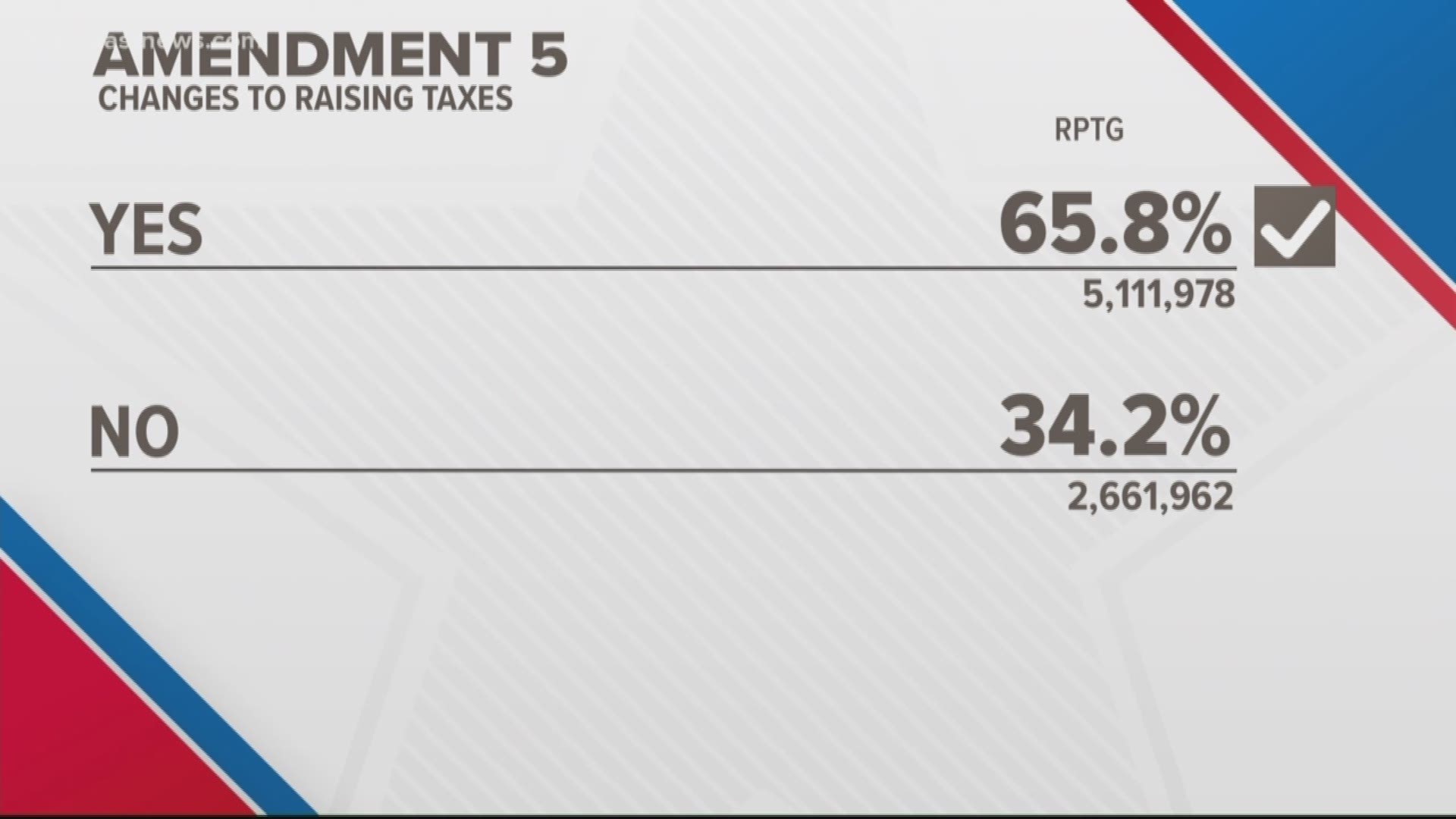
Crucially, amendments in Florida require a supermajority to pass. Unlike a simple majority, which is 50% plus one vote, amendments typically need 60% of the votes cast on that specific amendment to be approved. This higher threshold reflects a deliberate design to ensure that significant constitutional changes have broad consensus among the voting population, preventing radical shifts driven by narrow majorities. This is a key factor to consider when analyzing any election results concerning ballot measures.
Key Amendments and Their Impact on Tourism
While the passage of amendments can touch upon a wide array of societal issues, certain outcomes have direct or indirect implications for the Florida tourism and hospitality sectors. These can range from environmental preservation efforts that maintain the state’s natural attractions to economic initiatives that might affect pricing or availability of services, and even public safety measures that enhance the visitor experience. Analyzing which amendments have recently passed provides insight into the state’s priorities and how they might shape the landscape for travelers and businesses.
Environmental Protections and Natural Attractions
Florida is renowned for its stunning natural beauty, from its miles of pristine beaches to its unique ecosystems like the Everglades and its vibrant coral reefs. Amendments focused on environmental protection often resonate strongly with voters, as they directly impact the state’s appeal as a tourist destination. For instance, measures aimed at water quality, conservation of natural lands, or protection of endangered species can ensure that these invaluable resources remain intact for future generations of visitors to enjoy. The passage of such amendments can lead to increased investment in conservation efforts, stricter regulations on development, and enhanced preservation of iconic natural landmarks.
For instance, if an amendment passes that allocates funds for the restoration of Florida’s springs or the protection of coastal areas from rising sea levels, this directly supports the long-term viability of eco-tourism and outdoor recreational activities. These efforts not only preserve the scenic beauty that draws millions but also bolster the infrastructure and environmental health that underpins the entire tourism industry. Businesses operating in these areas, from boutique hotels near Everglades National Park to watersports operators along the Florida Keys, benefit from a healthier, more appealing natural environment.

Economic and Business Regulations
Amendments can also influence the economic climate of Florida, which in turn affects the tourism industry. This could include measures related to taxation, business licensing, labor laws, or economic development initiatives. For example, an amendment that promotes renewable energy or sustainable practices within businesses might encourage tourism operators to adopt greener policies, appealing to environmentally conscious travelers. Conversely, amendments that introduce new taxes or regulations could potentially increase operational costs for hotels, restaurants, and attractions, which might be passed on to consumers.
Consider an amendment that alters property tax structures or introduces new fees on certain types of commercial development. Such changes could impact the cost of operating resorts or theme parks, potentially influencing ticket prices or room rates. Understanding these economic shifts is vital for both businesses seeking to remain competitive and for tourists planning their budgets. The passage of amendments related to minimum wage or worker protections could also affect staffing costs for hospitality businesses, potentially influencing service levels or the overall guest experience.
Social and Cultural Initiatives
Beyond environmental and economic concerns, amendments often reflect the social and cultural values of Florida’s population. While these might not always have an immediate, tangible impact on the tourism industry, they can contribute to the overall atmosphere and character of the state, influencing the perception of Florida as a destination. For example, amendments related to education, public health, or social justice can shape the broader societal context in which tourism operates.
The passage of an amendment that strengthens protections for historic sites or promotes arts and cultural programs could enhance the appeal of Florida as a destination offering rich cultural experiences. This could lead to increased interest in visiting museums, historic districts in cities like St. Augustine, or attending local festivals and events. Such developments contribute to a more diverse and engaging tourism offering, moving beyond just sun and sand to encompass a deeper appreciation of the state’s heritage and artistic vibrancy.
Navigating the Post-Amendment Landscape
For travelers and those invested in the Florida tourism sector, staying informed about the outcomes of amendment votes is an ongoing process. The impact of passed amendments may not always be immediate; some effects unfold over time as new regulations are implemented and societal shifts occur. However, a proactive understanding can lead to better-informed travel decisions and more strategic business planning.
Planning Your Florida Trip
When planning a trip to Florida, understanding the current legal and regulatory landscape, shaped by passed amendments, can enhance your experience. For instance, if an amendment has strengthened environmental protections for coastal areas, you might find more pristine beaches or improved access to protected wildlife habitats. If an amendment has focused on enhancing public parks or recreational facilities, you might discover new or improved opportunities for outdoor activities. Conversely, understanding any new regulations that might affect certain businesses could help in choosing accommodations or activities that align with your preferences and budget.
Consider how a recent amendment might have impacted state parks. If funds were allocated for infrastructure improvements or new programming, visiting a park like Myakka River State Park could offer a significantly enhanced experience compared to previous years. Similarly, if amendments have led to stricter rules regarding vacation rentals, this might influence booking choices for those seeking short-term stays.
Business Implications and Future Trends
For businesses within the Florida tourism and hospitality industry, the passage of amendments necessitates a continuous adaptation. Staying abreast of changes in environmental regulations, labor laws, taxation, and consumer protection policies is paramount for compliance and for maintaining a competitive edge. Businesses that proactively align their operations with the spirit and letter of newly passed amendments are often better positioned to thrive.
For example, if an amendment has promoted investment in sustainable tourism, hotels and resorts that adopt eco-friendly practices, such as reducing waste, conserving water, or using renewable energy, may find themselves attracting a larger and more loyal customer base. This not only contributes to responsible tourism but also can lead to cost savings and enhanced brand reputation. The ongoing evolution of Florida’s legal framework through amendments means that stakeholders must remain vigilant, informed, and agile to navigate the dynamic landscape of the Sunshine State. The results of these votes offer a direct window into the state’s priorities and provide valuable context for anyone seeking to explore, experience, or do business in Florida.
LifeOutOfTheBox is a participant in the Amazon Services LLC Associates Program, an affiliate advertising program designed to provide a means for sites to earn advertising fees by advertising and linking to Amazon.com. Amazon, the Amazon logo, AmazonSupply, and the AmazonSupply logo are trademarks of Amazon.com, Inc. or its affiliates. As an Amazon Associate we earn affiliate commissions from qualifying purchases.