
When travelers begin planning their dream getaway to the Hawaiian Islands, safety is often a primary concern, especially for families, solo travelers, and those unaccustomed to the unique geography of the Pacific Ocean. While Hawaii is widely considered one of the safest states in the United States, the definition of “safe” varies depending on whether one is concerned with crime rates, natural hazards, or ocean conditions. Understanding the nuances of each island helps travelers make informed decisions to ensure a peaceful and secure retreat.
Evaluating Safety Across the Hawaiian Archipelago
Safety in Hawaii is multifaceted. Unlike major metropolitan areas on the mainland where violent crime is the primary concern for visitors, safety in the islands is often more about environmental awareness and situational vigilance.
Crime Statistics and Visitor Safety
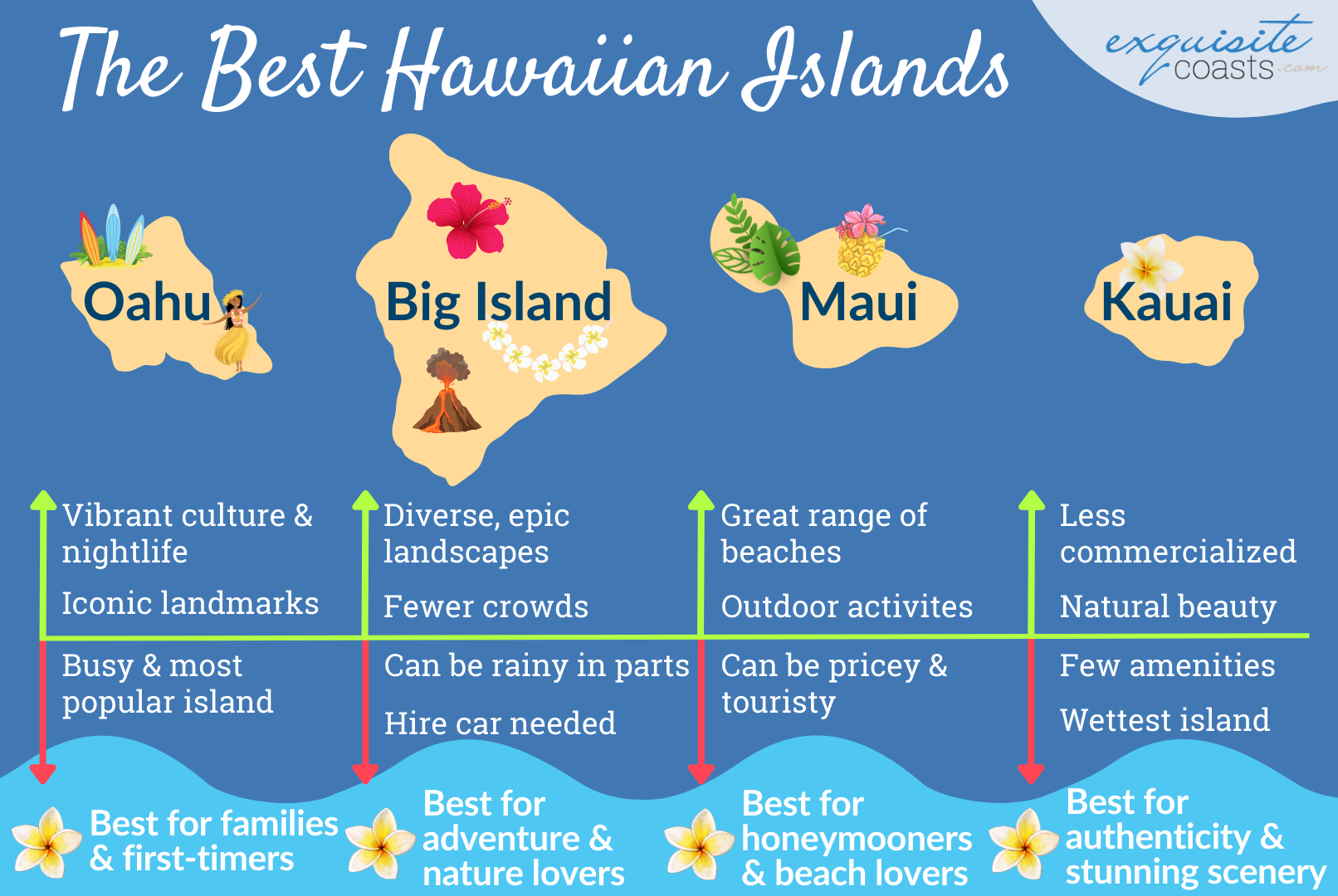
Statistically, Kauai—often referred to as the “Garden Isle”—frequently ranks as the safest island regarding property and violent crime rates. Its slower pace of life, smaller population, and more rural environment contribute to a lower incidence of petty crime compared to the bustling urban centers found on Oahu. While crime can occur anywhere, Kauai offers a tranquil atmosphere that feels considerably more secure for those seeking seclusion and a slower rhythm of life.
The Contrast of Urban Environments
Oahu, home to the state capital of Honolulu and the world-famous Waikiki Beach, naturally experiences higher crime rates due to its dense population and status as the primary tourist hub. However, “unsafe” is a relative term; Honolulu remains a major city that is generally safe for tourists who practice standard urban precautions. By sticking to well-lit areas, avoiding isolated trails at night, and keeping valuables out of sight, visitors can enjoy the vibrant energy of Oahu without significant risk.
Navigating Natural Hazards and Ocean Safety
Perhaps more important than crime statistics is the inherent natural danger present in the islands. Regardless of which island you choose, the forces of nature are the primary risks to be managed.
The Reality of Ocean Conditions
The most frequent cause of emergency situations for visitors in Hawaii involves the ocean. Whether you are visiting Maui or the Big Island, the water can be deceptively powerful. Rip currents and sudden changes in tide are common. The safest experiences are always found at beaches staffed by professional lifeguards. Poipu Beach on Kauai is frequently cited as one of the safest beaches for families due to its protected natural cove and consistent lifeguard presence.
Volcanoes and Seismic Activity
Travelers visiting the Big Island often wonder about the safety implications of Hawaii Volcanoes National Park. While volcanic activity is a fundamental aspect of the island’s geology, it is strictly monitored by the United States Geological Survey. Visitors are kept at safe distances, and hazards like vog (volcanic smog) are tracked daily. Provided that guests follow signage and stay on marked paths, exploring the volcanic landscapes is a safe, albeit awe-inspiring, adventure.

Choosing the Right Island for Your Comfort Level
If your primary goal is peace of mind, your choice of destination should align with your preferred style of travel.
For Those Seeking Seclusion: Kauai
Kauai is the ideal choice for those who equate safety with solitude. With fewer crowds and a community-oriented culture, it provides an environment where tourists feel less like outsiders and more like welcomed guests. The lack of heavy traffic and massive resort complexes—outside of specific areas like Poipu—makes it a haven for those who want to avoid the “big city” stressors of Oahu.
For Those Seeking Services and Security: Maui and Oahu
If you feel safer with a heavy presence of infrastructure, Maui is an excellent middle ground. The resorts in Wailea and Kaanapali offer a highly controlled environment with private security, well-maintained paths, and immediate access to medical services. Oahu offers the highest concentration of emergency resources, including world-class hospitals and Queen’s Medical Center, which provides comfort for travelers who prioritize medical proximity as a key component of safety.
The “Big Island” Experience
The Big Island offers a unique safety profile due to its immense size. While it possesses large tourist areas in Kailua-Kona and Kohala Coast, much of the island is rugged and remote. Safety here requires careful planning of transportation and fuel, as distances between towns can be long. For the prepared traveler, the Big Island is perfectly safe, but it demands a higher degree of self-reliance than the more compact islands.
Universal Safety Tips for Any Hawaiian Destination
Regardless of the island you choose, certain universal practices will ensure your trip remains a positive memory.
Respecting the Environment
Safety in Hawaii is intimately tied to respect. The local culture emphasizes malama aina—caring for the land. Many injuries occur because hikers venture off authorized trails in search of a better photograph. Stick to designated paths, such as those found in Haleakala National Park, to avoid dangerous drop-offs or unstable terrain.
Vehicle Security
One of the most common issues reported by visitors across all islands is theft from rental cars. While Hawaii is not a high-crime state, opportunists exist at popular trailheads and scenic lookouts. To mitigate this risk, never leave valuables, luggage, or electronics inside your vehicle—even if hidden. If you are planning a beach day, bring only the essentials and consider using a waterproof pouch to keep your keys and phone on your person while in the water.

Staying Informed
Before heading out for any activity, check local weather reports and surf advisories. Apps and websites provided by the National Weather Service offer real-time data that can prevent you from entering a situation that is beyond your comfort level. Whether you are planning a helicopter tour over the Na Pali Coast or a snorkeling trip at Molokini Crater, being weather-aware is the cornerstone of a safe island holiday.
By selecting the island that matches your comfort level and adhering to these fundamental safety practices, you can fully immerse yourself in the beauty of the Pacific without worry. Each island, from Kauai to the Big Island, offers a secure and enriching experience, provided you approach your trip with awareness and respect.
LifeOutOfTheBox is a participant in the Amazon Services LLC Associates Program, an affiliate advertising program designed to provide a means for sites to earn advertising fees by advertising and linking to Amazon.com. Amazon, the Amazon logo, AmazonSupply, and the AmazonSupply logo are trademarks of Amazon.com, Inc. or its affiliates. As an Amazon Associate we earn affiliate commissions from qualifying purchases.