
The Hawaiian Islands, a volcanic archipelago that graces the vast expanse of the Pacific Ocean, are renowned for their breathtaking beauty, rich cultural heritage, and diverse landscapes. Among this chain of paradise, one island stands out, not just for its sheer size, but for the sheer magnitude of experiences it offers. This is the island affectionately known as the “Big Island,” and officially, it is called Hawaiʻi. Many visitors, drawn by the allure of its dramatic scenery and unique attractions, often find themselves asking, “Which island is Big Island in Hawaii?” The answer is precisely that: the island named Hawaiʻi is the one referred to as the “Big Island.”
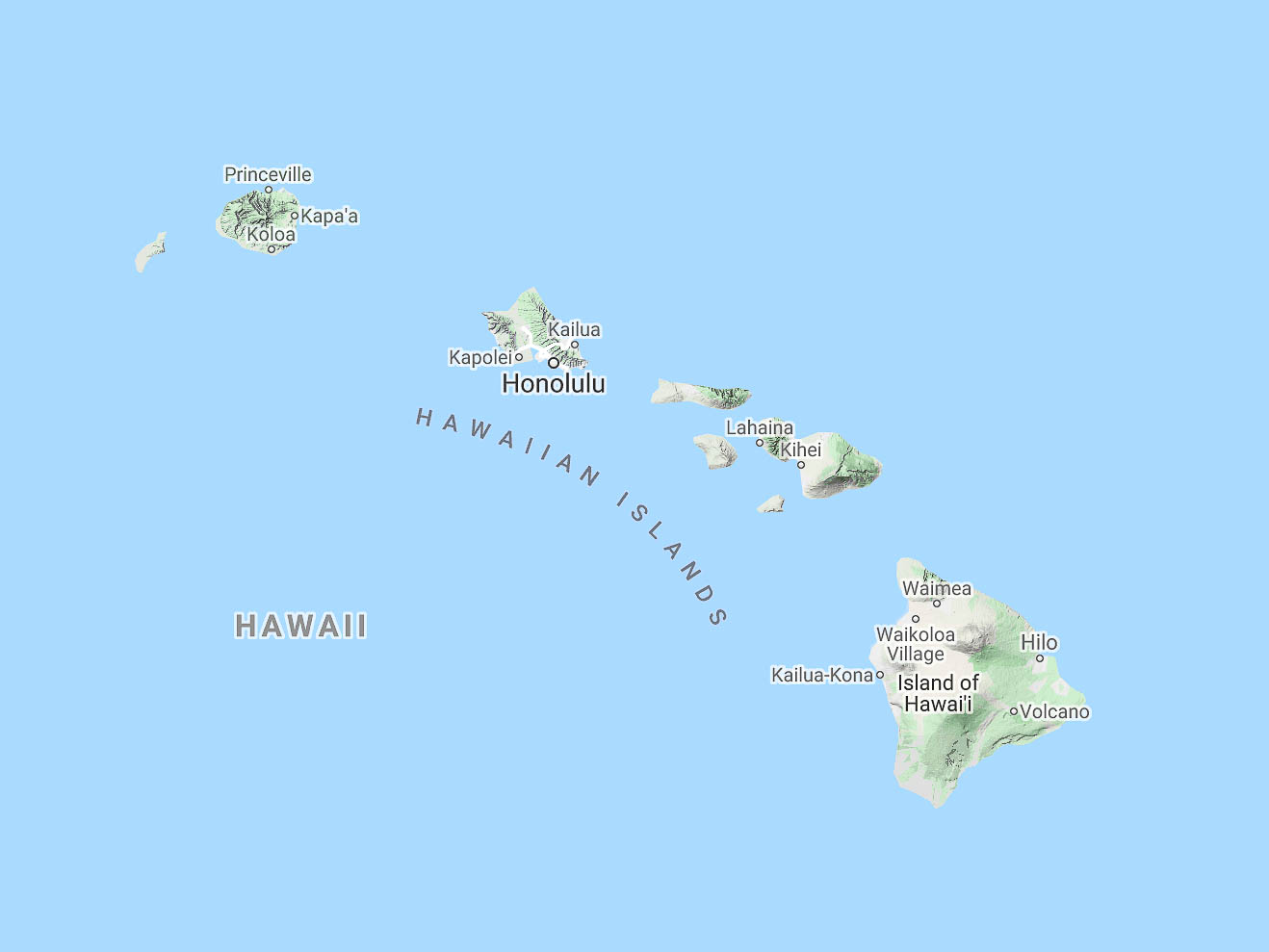
This distinction is crucial for any traveler planning a trip to this stunning destination. Unlike other island chains where a single name might represent the entire archipelago, Hawaii is composed of multiple distinct islands, each possessing its own character and charm. Oahu is home to the vibrant capital of Honolulu and the iconic Waikiki beach. Maui is celebrated for its luxurious resorts and the scenic Road to Hana. Kauai, the “Garden Isle,” captivates with its lush rainforests and dramatic cliffs. And then there is Hawaiʻi, the largest island, a land of extremes where fire meets ice, and lush tropical rainforests give way to stark volcanic deserts. Understanding this nomenclature is the first step in unlocking the wonders of the “Big Island.”
The island of Hawaiʻi lives up to its “Big Island” moniker, not only in geographical size—it is larger than all the other Hawaiian islands combined—but also in the sheer diversity of its natural environments and the breadth of activities it presents to its visitors. From the fiery heart of active volcanoes to the snow-capped peaks of dormant ones, from black sand beaches to verdant valleys, the island is a living testament to the dynamic forces of nature. Whether you are a seasoned adventurer seeking adrenaline-pumping experiences, a nature enthusiast eager to explore unique ecosystems, a history buff keen to delve into ancient Hawaiian culture, or simply someone looking to relax and rejuvenate in a truly spectacular setting, the “Big Island” promises an unforgettable journey.
Unveiling the Geological Marvels and Natural Wonders
The very essence of the “Big Island” is its dynamic geology, shaped by the relentless activity of volcanoes. This is where the raw power of creation is on full display, offering visitors a chance to witness geological processes in action. The island’s formation is intrinsically linked to the Hawaiʻi Hotspot, a persistent plume of magma deep within the Earth’s mantle that has, over millions of years, created the entire Hawaiian archipelago. The youngest and most volcanically active island in the chain, Hawaiʻi continues to grow, primarily on its southeastern flank.
Hawaiʻi Volcanoes National Park: A Realm of Fire and Earth
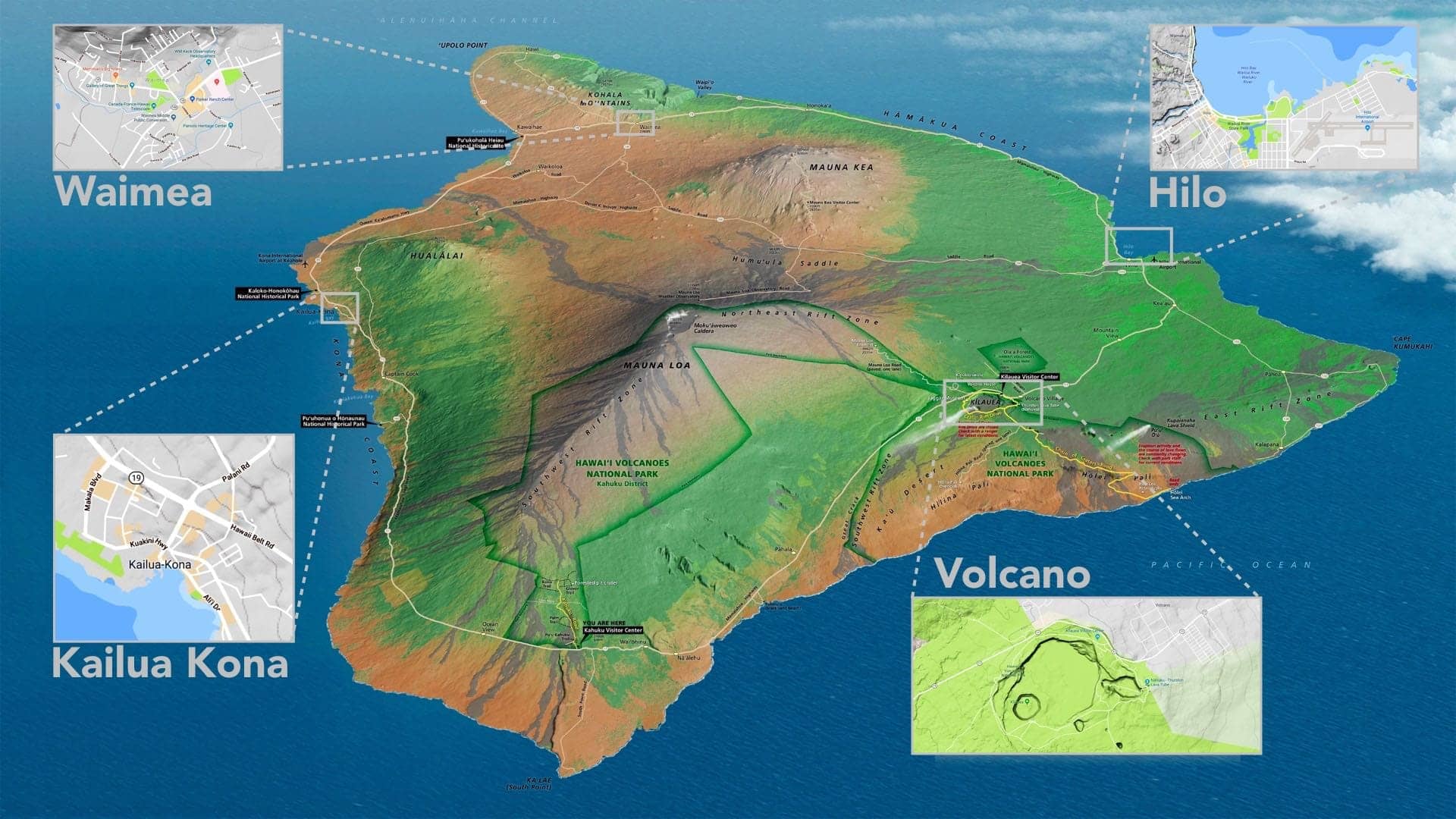
At the heart of the “Big Island’s” geological allure lies Hawaiʻi Volcanoes National Park. This UNESCO World Heritage site is a paramount destination for anyone seeking to understand the primal forces that shape our planet. The park is home to two of the world’s most active volcanoes: Kīlauea and Mauna Loa.
Kīlauea, often referred to as the world’s most active volcano, has been erupting almost continuously for decades, offering a spectacular, albeit sometimes distant, view of molten rock. Visitors can safely observe the glowing lava flows from designated viewpoints, especially at night when the crimson glow illuminates the volcanic landscape. The park’s Jaggar Museum offers panoramic views of the Kīlauea caldera and has historically provided insights into the volcano’s behavior. The sheer scale of the caldera, a vast depression formed by volcanic activity, is awe-inspiring. Walking through the Thurston Lava Tube, a tunnel formed by flowing lava that has since cooled and solidified, provides a tangible connection to the volcanic past. The steam vents and sulfur banks scattered across the landscape are constant reminders of the heat and energy simmering beneath the surface.
Mauna Loa, on the other hand, is the largest volcano on Earth by volume and is considered a shield volcano. While its eruptions are less frequent than those of Kīlauea, they can be more extensive. Standing on its vast, gently sloping flanks, one can truly appreciate the immensity of this geological titan. The summit area of Mauna Loa can be accessed by a challenging hike or by driving a scenic road, offering a stark, alpine-like environment at high altitudes.
The park’s landscape is incredibly varied, showcasing the effects of volcanic activity over time. From the barren, relatively recent lava fields to the more ancient, vegetated slopes, the park tells a story of creation and renewal. The stark beauty of the volcanic terrain, contrasted with the vibrant green of the native flora that perseveres and colonizes these new lands, is a powerful sight. The park also offers incredible stargazing opportunities due to its high elevation and minimal light pollution, making it a celestial as well as a terrestrial wonder.
Beyond the Volcanoes: Diverse Natural Landscapes
The “Big Island” is far more than just its active volcanoes. Its immense size allows for a dramatic array of ecological zones and stunning natural attractions.
-
Waipio Valley: Often referred to as the “Valley of the Kings,” this sacred and historically significant valley is a breathtaking natural amphitheater carved by ancient rivers. Steep cliffs plunge thousands of feet to the valley floor, which is characterized by lush vegetation, taro fields, and a powerful black sand beach. Access to the valley floor is restricted to authorized tour operators or by hiking down a steep, winding road, but the panoramic views from the lookout are spectacular. The valley holds deep cultural importance for Native Hawaiians, serving as a place of refuge and spiritual significance for centuries.
-
Akaka Falls State Park: Home to the majestic Akaka Falls, a 442-foot-tall waterfall that plunges into a lush gorge, this park offers a glimpse into the island’s verdant interior. A paved loop trail winds through tropical rainforest, past the smaller Kahuna Falls, and culminates at the viewpoint for Akaka Falls. The sheer volume of water and the surrounding emerald-green vegetation create a truly mesmerizing spectacle. The air is thick with the scent of tropical flowers, and the sounds of the rainforest envelop you.
-
Punaluʻu Black Sand Beach: This world-famous beach is renowned for its striking black sand, a result of the erosion of volcanic rock over time. The contrast between the jet-black sand, the turquoise ocean, and the lush green palm trees makes for an incredibly picturesque scene. Punaluʻu is also a favored basking spot for Hawaiian green sea turtles (Honu), which often haul themselves onto the shore to rest. Observing these gentle creatures in their natural habitat is a truly special experience.
-
Papakōlea Green Sand Beach: One of only a few green sand beaches in the world, Papakōlea is a unique geological phenomenon. The green color comes from the mineral olivine, which is present in high concentrations in the surrounding cinder cone. Reaching the beach requires a hike or a four-wheel-drive vehicle, but the sight of the vibrant green sand against the blue ocean is well worth the effort. The beach is a testament to the diverse mineral composition of Hawaiʻi’s volcanic rock.
-
Mauna Kea: While Mauna Loa is the largest volcano, its neighbor, Mauna Kea, is the tallest mountain in the world when measured from its base on the ocean floor to its summit. At over 13,800 feet above sea level, its summit is one of the best places on Earth for astronomical observation due to its clear skies and high altitude. The visitor information station offers educational programs about astronomy, and on clear nights, the stargazing is unparalleled. On rare occasions, the summit of Mauna Kea can even be dusted with snow, a striking contrast to the tropical climate found at sea level.
Immersive Cultural Experiences and Local Delights
The “Big Island” is not only a paradise for nature lovers but also a rich tapestry of Hawaiian culture and tradition. Visitors have ample opportunities to immerse themselves in the local way of life, from ancient customs to contemporary culinary arts.
Exploring Local Culture and History

The island’s history is deeply intertwined with the Hawaiian monarchy and the arrival of explorers and immigrants. Understanding this heritage provides a deeper appreciation for the island’s present-day identity.
-
Puʻuhonua o Hōnaunau National Historical Park: This sacred site was once a place of refuge for ancient Hawaiians who had broken a kapu (sacred law). Today, it stands as a remarkably preserved historical park, offering insights into Hawaiian law, religion, and daily life. Visitors can explore ancient temples (heiau), carved wooden images (kiʻi), and reconstructed royal grounds. The park provides a tangible link to the pre-contact Hawaiian society and its complex social structures. The serene oceanfront setting adds to the spiritual ambiance of the place.
-
Kailua-Kona: This historic town on the western coast of the island offers a glimpse into Hawaii’s past, particularly its role as a center for the Hawaiian monarchy. Huliheʻe Palace, a former royal vacation home, now serves as a museum showcasing artifacts and furnishings from the era of King Kalākaua and Queen Kapiʻolani. The town’s waterfront is lined with shops, restaurants, and historic buildings, creating a charming atmosphere. It’s a popular spot for snorkeling, diving, and dolphin watching tours.
-
Huliheʻe Palace: This palace, located in Kailua-Kona, played a significant role in the lives of Hawaii’s royalty. It was a gathering place for royal events and served as a summer retreat for monarchs like King Kalākaua. Today, it functions as a museum managed by the Daughters of Hawaiʻi, preserving the memory of the Hawaiian kingdom.
A Culinary Journey Through the Big Island
The “Big Island’s” fertile volcanic soil and diverse climate provide the perfect conditions for a wide range of agricultural products, making it a culinary hotspot. From fresh seafood to tropical fruits and world-renowned coffee, the island offers a delectable journey for the taste buds.
-
Kona Coffee Farms: The Kona district is famous worldwide for its exquisite Kona coffee. Visitors can tour the coffee farms, learn about the cultivation and processing of coffee beans, and, of course, sample some of the finest coffee in the world. The lush, verdant slopes of the Hualālai and Mauna Loa volcanoes provide the ideal microclimate for growing these prized beans. Many farms offer guided tours, allowing you to walk through the coffee orchards and witness the entire production process firsthand.
-
Local Cuisine: The “Big Island” offers a fusion of flavors, influenced by the diverse cultures that have shaped Hawaii. Visitors can savor fresh seafood, including ahi tuna, mahi-mahi, and ono, often prepared with local spices and tropical fruits. Traditional Hawaiian dishes like kalua pig, poi, and laulau are also readily available, offering an authentic taste of the islands. Don’t miss the chance to try shave ice, a refreshing local treat, and fresh tropical fruits like pineapple, mango, and papaya. Local farmers’ markets are excellent places to sample seasonal produce and artisanal products.
-
Farm-to-Table Experiences: Many restaurants on the “Big Island” embrace the farm-to-table philosophy, sourcing fresh, local ingredients to create innovative and delicious dishes. This commitment to supporting local agriculture ensures that visitors get to taste the best of what the island has to offer, from succulent Kona steak to vibrant Puna papayas.
Accommodation and Lifestyle Choices on the Big Island
The “Big Island” caters to a wide spectrum of travelers, offering diverse accommodation options and lifestyle experiences to suit every preference and budget. Whether you seek the pampering of a luxury resort, the independence of a vacation rental, or a cozy boutique stay, you will find it here.
From Luxury Resorts to Charming Guesthouses
The island’s tourism infrastructure is well-developed, with a range of places to stay, each offering a unique perspective on the Hawaiian experience.
-
Resorts and Hotels: Along the Kohala Coast, the western side of the island, you’ll find a concentration of luxury resorts and hotels. These establishments often boast stunning ocean views, multiple swimming pools, championship golf courses, and world-class dining. Properties like the Four Seasons Resort Hualalai, the Mauna Lani, Auberge Resorts Collection, and the Waikoloa Beach Marriott Resort & Spa offer expansive grounds and a plethora of amenities for a truly indulgent stay. These resorts are designed to provide a complete vacation experience, often with activities and entertainment included.
-
Vacation Rentals and Apartments: For those seeking more space, privacy, or a home-away-from-home feel, vacation rentals and apartments are abundant. These options range from cozy studios to spacious villas, often equipped with kitchens, allowing visitors to prepare their own meals and enjoy a more independent travel experience. Areas like Kailua-Kona and the various resort communities offer a wide selection of these accommodations.
-
Boutique Hotels and Guesthouses: Beyond the large resorts, the “Big Island” also features charming boutique hotels and guesthouses, particularly in smaller towns and villages. These offer a more intimate and personalized lodging experience, often reflecting the local character and offering unique architectural styles. Staying in such accommodations can provide a more authentic connection to the island’s spirit.
Experiencing Diverse Lifestyles
The “Big Island” is a destination that can accommodate a multitude of travel styles, from the ultra-luxury seeker to the budget-conscious explorer.
-
Luxury Travel: For those who appreciate the finer things, the “Big Island” offers unparalleled luxury experiences. This can include staying in exclusive villas, enjoying private yacht charters along the coast, indulging in spa treatments at renowned resorts, and dining at award-winning restaurants. The focus is on exclusivity, personalized service, and breathtaking surroundings.
-
Budget Travel: Even on a budget, the “Big Island” can be an accessible paradise. Camping in designated areas, staying in hostels or budget-friendly guesthouses, and preparing some of your own meals using ingredients from local markets can significantly reduce costs. Exploring the abundant natural attractions like beaches, hiking trails, and scenic drives are all free activities that offer immense value. The island’s diverse landscapes mean that adventure is available to everyone, regardless of their spending capacity.
-
Family Trips: The “Big Island” is an excellent destination for family vacations. Many resorts offer kid-friendly activities, swimming pools, and easy access to safe swimming beaches. Natural attractions like Hawaii Volcanoes National Park provide educational and awe-inspiring experiences for children, while activities like snorkeling, whale watching (in season), and exploring botanical gardens offer fun for all ages. The sheer variety of landscapes ensures that no two days need to be the same, keeping younger travelers engaged and excited.
In conclusion, the “Big Island” of Hawaii, officially known as Hawaiʻi, is a destination of unparalleled diversity and natural grandeur. Its name might be simple, but the experiences it offers are anything but. From the raw power of active volcanoes to the serene beauty of its diverse landscapes, from the rich tapestry of its cultural heritage to the exquisite flavors of its local cuisine, the “Big Island” beckons travelers to explore, discover, and be utterly captivated. It is a place where the forces of nature are not just observed but felt, and where the spirit of Aloha truly permeates every aspect of the visitor experience.
LifeOutOfTheBox is a participant in the Amazon Services LLC Associates Program, an affiliate advertising program designed to provide a means for sites to earn advertising fees by advertising and linking to Amazon.com. Amazon, the Amazon logo, AmazonSupply, and the AmazonSupply logo are trademarks of Amazon.com, Inc. or its affiliates. As an Amazon Associate we earn affiliate commissions from qualifying purchases.