
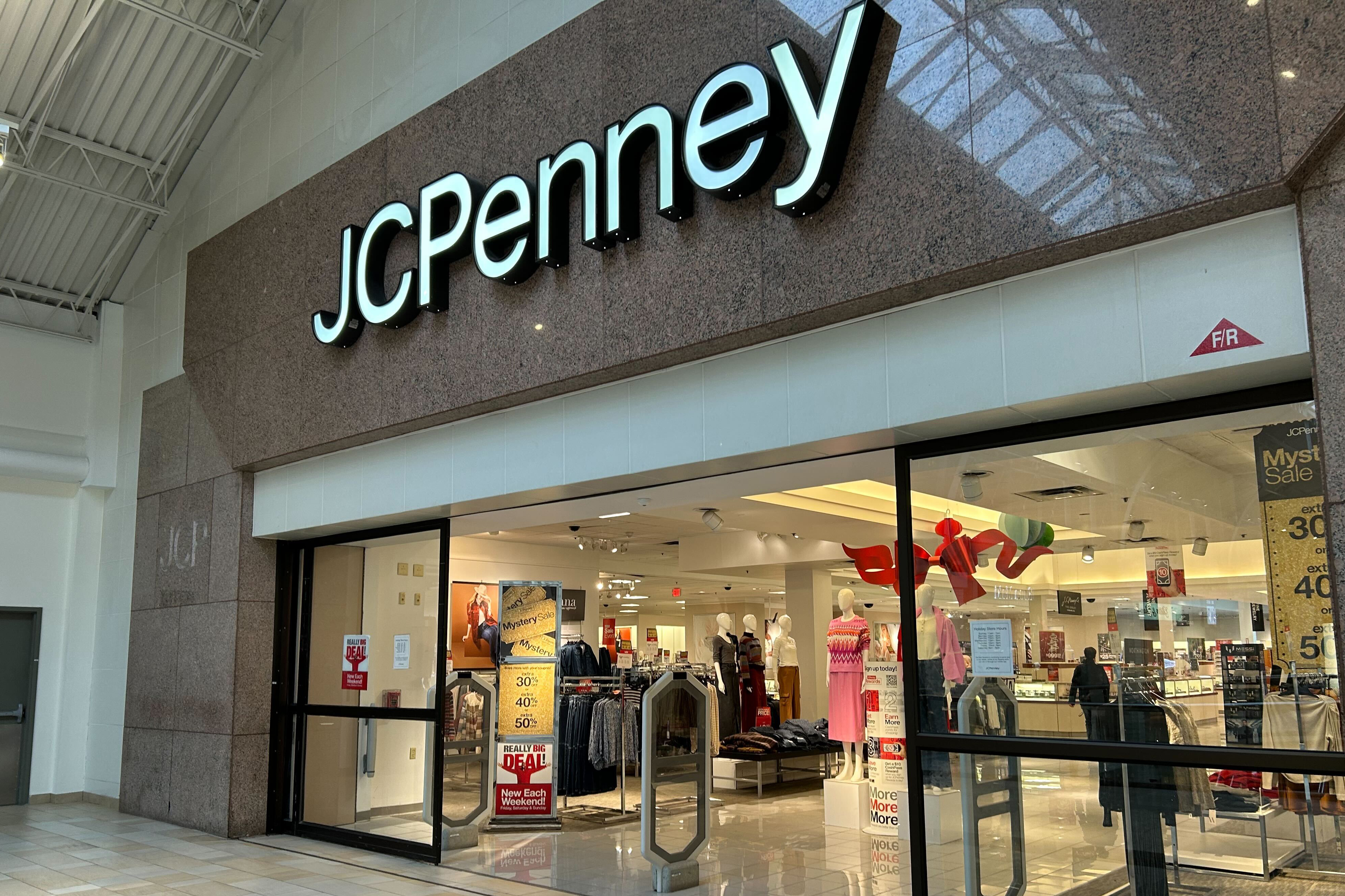
The retail landscape across California and indeed the nation has been undergoing a seismic shift for well over a decade, a transformation accelerated by evolving consumer behaviors, the rise of e-commerce, and macroeconomic pressures. For iconic department store chains like JCPenney, navigating these turbulent waters has necessitated strategic realignments, which often include optimizing their physical store footprint. This optimization inevitably leads to store closures, a phenomenon that deeply impacts local communities, shifts consumer habits, and reshapes the very fabric of lifestyle in various Californian cities and towns. Understanding which JCPenney stores have closed or are slated for closure in California offers more than just a list; it provides insight into the ongoing evolution of retail, the resilience of communities, and the changing preferences that define modern living.
The Evolving Retail Landscape and Lifestyle Shifts in California
California, a trendsetter in many aspects of lifestyle, technology, and economy, has been at the forefront of this retail metamorphosis. The Golden State’s diverse population, innovative spirit, and significant online penetration have made it a microcosm for understanding broader consumer shifts. Traditional brick-and-mortar retail, once the cornerstone of community interaction and leisure, has seen its role diminish as convenience, personalization, and digital experiences take precedence. This isn’t merely about buying goods; it’s about a fundamental shift in how people allocate their time, money, and attention – core tenets of lifestyle.
The decline of the traditional enclosed shopping mall, once a vibrant hub of social activity and commerce, is a direct consequence of these changes. As anchor tenants like JCPenney pull out, the ripple effect on surrounding businesses and the overall viability of these commercial centers is profound. For residents, this means rethinking where they shop, how they socialize, and what their local community hubs look like. The move towards mixed-use developments, outdoor shopping centers, and a renewed focus on local, independent businesses represents an adaptive response to these shifting lifestyle preferences. The closure of a major department store isn’t just an economic event; it’s a redefinition of community space and consumer identity.
JCPenney’s Strategic Realignment and Its Impact
JCPenney’s journey through recent years has been marked by significant restructuring efforts, including a Chapter 11 bankruptcy filing in 2020. A key component of its turnaround strategy has been rightsizing its store portfolio to focus on more profitable locations and enhance its omnichannel capabilities. This process has led to multiple rounds of store closures across the country, including a substantial number within California. These closures are not arbitrary; they reflect a careful analysis of store performance, market dynamics, and the long-term strategic vision for the brand.
For the California consumer, the impact of these closures extends beyond simply losing a shopping destination. For many, JCPenney has been a generational fixture, a place where families shopped for everything from school clothes to home goods. Its departure can evoke a sense of nostalgia for a bygone era of retail and community interaction. Furthermore, these closures often lead to job losses, impacting local economies and the livelihoods of employees who have served these communities for years, directly influencing the economic lifestyle of affected households. The spaces left vacant pose challenges for property owners and city planners but also present opportunities for revitalization and reinvention, potentially ushering in new businesses or community services that align with contemporary lifestyle needs.
Key Locations Affected
Over the past few years, particularly during and immediately following its bankruptcy proceedings, JCPenney made difficult decisions regarding numerous California locations. While specific lists can fluctuate as strategic decisions are made, several communities have witnessed the departure of their local JCPenney store. These closures were not concentrated in one region but spanned the state, from bustling metropolitan areas to more suburban and rural communities. Each closure carried its own unique local impact, reflecting the diverse economic and social landscapes of California.
For example, communities in Southern California like Glendale saw the closure of the store at Glendale Galleria, a significant regional mall. In Northern California, locations such as the JCPenney store in Santa Rosa at Santa Rosa Plaza also ceased operations. Other areas across the state, including Chico, Visalia, and Salinas, have experienced similar departures. These examples underscore the wide-ranging strategic decisions impacting various demographics and local economies across the state, necessitating shifts in shopping routines and local economic planning.

Understanding the Local Impact
The departure of a major anchor store like JCPenney significantly alters the retail ecosystem of a mall and its surrounding area. For mall operators, it means a substantial loss of rent and foot traffic, prompting urgent needs to attract new tenants, often moving away from traditional retail towards entertainment, dining, or experiential concepts. For consumers, it means fewer options for certain product categories, potentially driving them to online platforms or competing retailers in neighboring towns. This shift, while initially inconvenient, also forces a re-evaluation of local shopping habits and can sometimes spur interest in supporting local boutiques and businesses that offer unique products and personalized service. It’s a moment of reckoning that encourages communities to redefine their retail identity and explore new avenues for economic development and community engagement, contributing to a dynamic shift in local lifestyle.
A Look at California Stores Impacted
While providing an exhaustive, real-time list is challenging due to the dynamic nature of retail operations, it’s clear that multiple JCPenney locations across California have ceased operations in recent years as part of the brand’s broader restructuring. These closures have touched various corners of the state, signaling a pervasive trend rather than isolated incidents.
In the Greater Los Angeles area, beyond the Glendale Galleria location, other stores, such as one formerly in Pacoima, also closed their doors. These closures often leave large, vacant spaces, prompting local governments and developers to brainstorm innovative adaptive reuse strategies, ranging from converting them into community centers, medical facilities, or even residential units. Such transformations are reshaping the urban landscape and influencing how residents interact with their local environment, fundamentally altering the lifestyle experience of these areas.
Further north, communities such as San Jose saw the closure of the JCPenney store at Eastridge Mall. These malls, once bastions of consumer activity, are now actively seeking to diversify their offerings to remain relevant. The goal is to create destinations that offer more than just shopping – places for entertainment, dining, and social gatherings, catering to a holistic lifestyle approach rather than just transactional retail.
The central California region also felt the impact, with stores like the one in Visalia at Visalia Mall and in Salinas at Northridge Mall being part of the closure list. These areas often rely heavily on anchor stores for local employment and tax revenue, making the closures particularly acute. The ripple effects extend to small businesses within the malls and the broader local economy, requiring a coordinated effort from civic leaders and business communities to mitigate negative impacts and forge new paths for economic vitality. The resulting shifts redefine the shopping and leisure options available to local families, influencing their daily choices and leisure patterns.
Beyond the Closures: What This Means for Californian Lifestyles
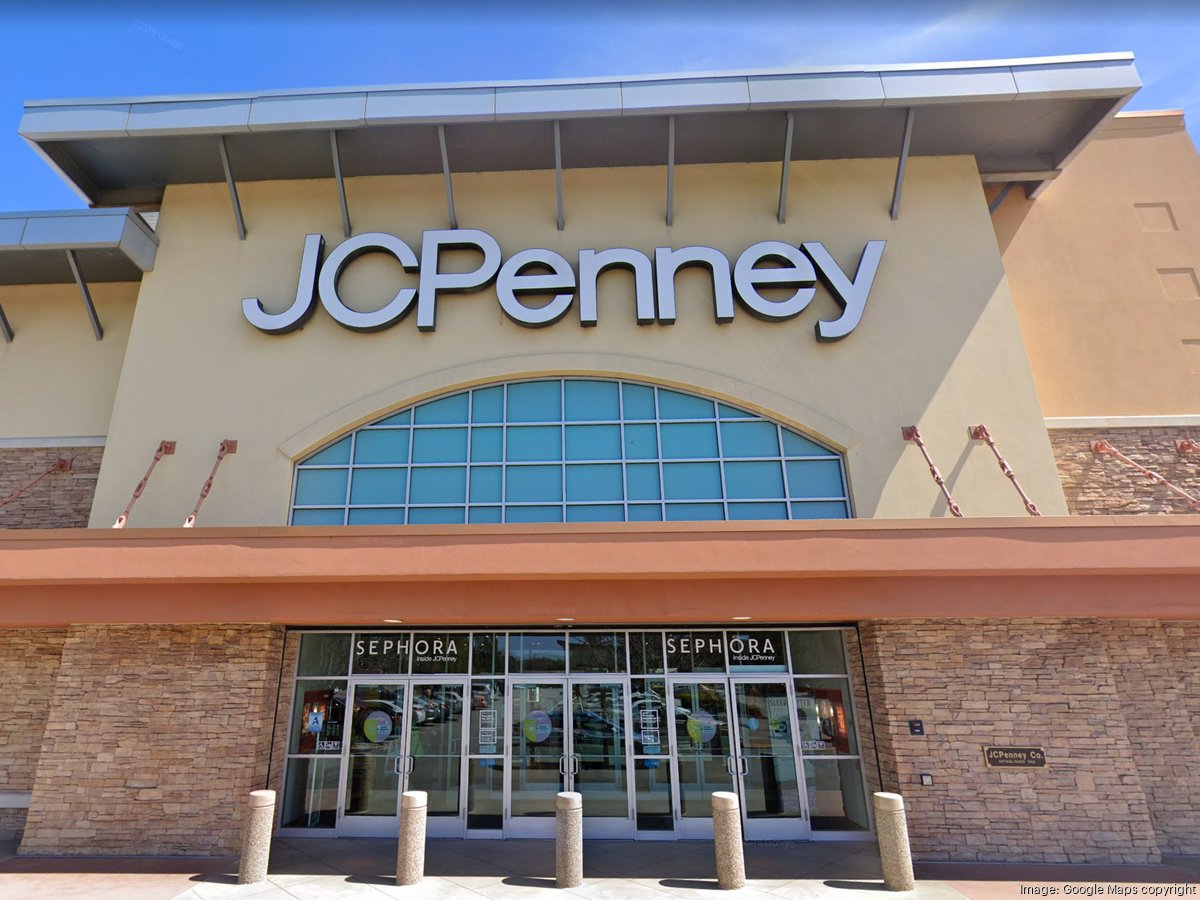
The ongoing closures of JCPenney stores in California are indicative of a larger narrative about the future of retail and its profound implications for lifestyle. The shift away from traditional department stores is not merely a change in where people buy clothes; it reflects a broader cultural movement towards experiences over possessions, convenience over brick-and-mortar loyalty, and digital engagement over physical interaction.
For the Californian consumer, this means an increasingly diverse and fragmented retail landscape. Online shopping continues to grow, offering unparalleled convenience and choice, especially appealing to busy urbanites and those in remote areas. Simultaneously, there’s a resurgence of interest in localized, curated retail experiences – pop-up shops, artisanal markets, and independent boutiques that offer unique products and a strong sense of community. These alternative shopping models are reshaping how people engage with commerce, emphasizing values like sustainability, local support, and authentic connection. This creates a vibrant, multi-faceted retail ecosystem that caters to a wide array of lifestyle preferences, from the budget-conscious to those seeking luxury and exclusivity.
The vacant spaces left by departing retailers also present a significant opportunity for urban renewal and innovation. Cities are exploring creative ways to repurpose these large commercial footprints into mixed-use developments that blend retail with housing, entertainment venues, green spaces, and even educational facilities. This adaptive reuse breathes new life into aging commercial districts, transforming them into dynamic hubs that cater to a more comprehensive definition of lifestyle, including living, working, and playing. Such developments are crucial for fostering vibrant communities, attracting new residents, and ensuring long-term economic stability.
Ultimately, the story of JCPenney’s closures in California is a microcosm of the evolving relationship between commerce and community. It highlights the resilience of the retail sector, its capacity for reinvention, and its deep connection to the way people live their lives. As California continues to evolve, so too will its retail landscape, forever shaping the lifestyle experiences of its residents and visitors.
LifeOutOfTheBox is a participant in the Amazon Services LLC Associates Program, an affiliate advertising program designed to provide a means for sites to earn advertising fees by advertising and linking to Amazon.com. Amazon, the Amazon logo, AmazonSupply, and the AmazonSupply logo are trademarks of Amazon.com, Inc. or its affiliates. As an Amazon Associate we earn affiliate commissions from qualifying purchases.