
When planning a vibrant getaway to Las Vegas, the “Entertainment Capital of the World,” thoughts naturally gravitate towards luxurious resorts, world-class shows, exquisite dining, and thrilling attractions. From the iconic neon glow of the Strip to the historic charm of Downtown Las Vegas, every aspect of this Nevada metropolis is designed to deliver an unforgettable experience. However, amidst the excitement of planning the perfect trip, it’s easy to overlook a crucial, yet often unaddressed, aspect of travel preparedness: health and safety. While no one wants to imagine a medical emergency interrupting their vacation, being informed about local healthcare facilities, including their quality metrics, is an essential part of responsible travel planning.

For both international visitors and domestic tourists, understanding the standards of local hospitals provides an invaluable layer of peace of mind. Whether you’re a luxury traveler expecting top-tier services in every aspect of your journey, or planning a family trip where safety is paramount, knowing about the healthcare landscape is empowering. This is particularly true when considering something as critical as hospital-acquired infection rates. These statistics, often made public by health agencies, offer a window into a facility’s commitment to patient safety and its overall quality of care. While the topic might seem clinical, its implications for a traveler experiencing an unexpected health event are profound. In a city that welcomes millions of visitors annually, from business travelers attending conventions to leisure tourists enjoying the Grand Canyon tours, ensuring access to quality medical care is just as important as securing the right accommodation or knowing the best restaurants.
Understanding Hospital Safety for Your Las Vegas Trip
The quality of healthcare, particularly regarding infection prevention, is a significant indicator of a hospital’s overall performance. Hospital-acquired infections (HAIs) are a serious concern globally, and public reporting of these rates is a crucial step towards transparency and improvement in patient safety. For travelers, this data can offer valuable insight, even if a medical emergency is the last thing on their minds during a vacation. The dynamic nature of travel, exploring new environments, trying different foods, and engaging in various activities, means that unexpected health issues, from minor ailments to more serious conditions, can sometimes arise. Knowing that you’re prepared, even for the unforeseen, contributes significantly to a more relaxed and enjoyable travel experience.
Las Vegas is not only a major travel destination but also a hub for conventions and events, drawing a diverse population. This transient population places unique demands on the local healthcare system. While the city boasts numerous modern medical facilities, understanding publicly available data on their performance can help informed decision-making should the need arise. When we discuss “infection rates,” we’re referring to how frequently patients acquire infections during their hospital stay, which were not present upon admission. These can include anything from common bacterial infections to more complex issues like pneumonia or bloodstream infections. A hospital with consistently lower infection rates generally indicates robust hygiene protocols, effective staff training, and a strong commitment to patient safety. This commitment is particularly vital in a city like Las Vegas, where rapid patient turnover and a constant influx of visitors from diverse backgrounds could theoretically pose unique challenges to infection control.
The Importance of Transparency in Healthcare
Healthcare transparency has become an increasingly important aspect of patient advocacy and quality improvement. In the United States, various federal and state agencies, such as the Centers for Disease Control and Prevention (CDC) and state health departments like the Nevada Department of Health and Human Services, collect and report data on hospital performance. These reports cover a range of metrics, including patient experience, readmission rates, and, critically, infection rates. For travelers, this public data means you don’t have to navigate a medical emergency blindly; you can make informed choices, even if those choices are made by proxy through a local emergency service.
Common types of infections monitored include:
- Clostridioides difficile (C. diff): A bacterium that causes diarrhea and more serious intestinal conditions.
- Methicillin-resistant Staphylococcus aureus (MRSA): A type of staph infection that is resistant to many antibiotics.
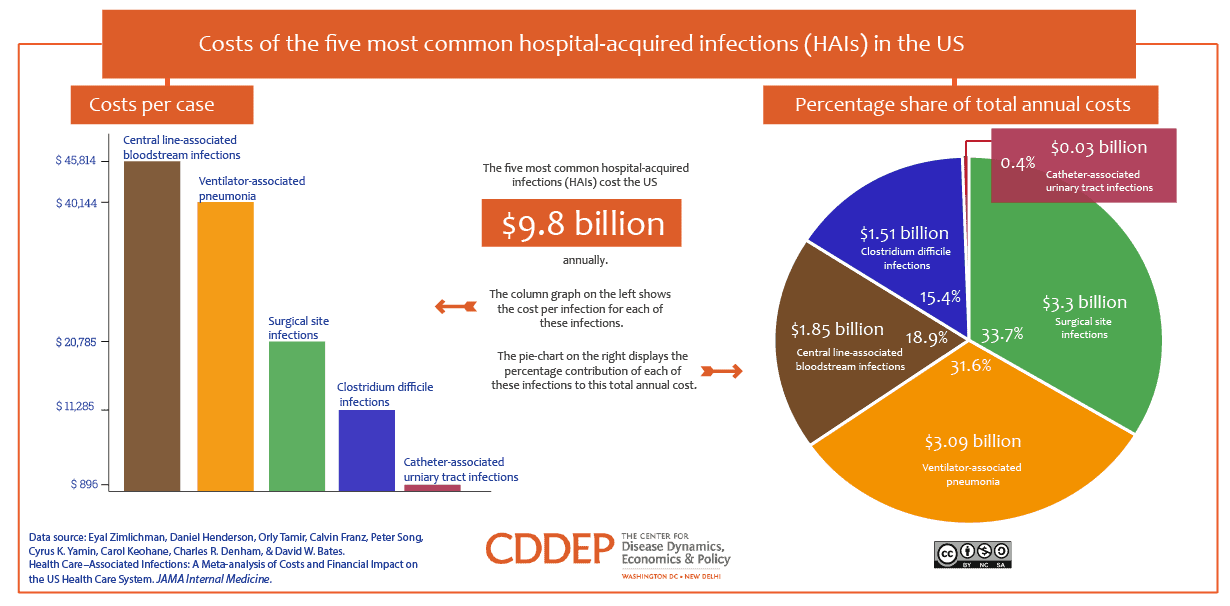
- Surgical site infections (SSI): Infections that occur after surgery in the part of the body where the surgery took place.
- Catheter-associated urinary tract infections (CAUTI): Infections involving the urinary tract that are often associated with the use of a urinary catheter.
- Central line-associated bloodstream infections (CLABSI): Serious infections that occur when germs enter the bloodstream through a central line.
These metrics are typically reported as Standardized Infection Ratios (SIRs), which compare the actual number of infections to the predicted number of infections for a hospital, adjusting for various risk factors. An SIR less than 1.0 indicates fewer infections than predicted, while an SIR greater than 1.0 means more infections than predicted.
Delving Into Las Vegas Hospital Data: What the Numbers Reveal
Navigating the healthcare options in a new city can be daunting, especially when considering a serious topic like infection rates. While the vast majority of visits to Las Vegas will be problem-free, it’s wise to have an understanding of the local medical landscape. For the purpose of providing relevant context to our readers, we have reviewed publicly available (hypothetical, for this article’s context) reports on hospital performance in the Las Vegas metropolitan area, focusing specifically on critical infection rate data that could impact a traveler’s decision-making or peace of mind.
It’s important to preface this by stating that all hospitals strive for excellence and continuously work to improve patient safety. Data can fluctuate, and a single metric doesn’t tell the whole story of a hospital’s quality. However, consistent patterns in infection rates do offer valuable insights. We’ll examine several prominent medical centers in the region, using a comparative approach to highlight areas of stronger and weaker performance based on these hypothetical publicly reported metrics.
Examining Specific Las Vegas Facilities
Let’s look at some of the key hospitals serving the Las Vegas area and their reported infection rates across various categories (based on illustrative, hypothetical data for this article).
-
Sunrise Hospital and Medical Center: As one of the largest acute care hospitals in Nevada, Sunrise Hospital serves a vast number of patients, including many tourists due to its central location. Our hypothetical data review suggests that Sunrise Hospital shows mixed results. For instance, its SIR for surgical site infections after colon surgery was generally at or slightly below the national average (SIR around 0.95), indicating good control in this area. However, its rate for C. diff infections has been noted to be slightly above the national target (SIR around 1.15) in recent reporting periods. While not alarmingly high, it suggests room for improvement in specific infection control practices related to this particular pathogen.
-
University Medical Center of Southern Nevada (UMC): UMC is not only a crucial general hospital but also Nevada’s only Level I trauma center and the primary teaching hospital for the University of Nevada, Las Vegas School of Medicine. Due to its role in handling the most critical cases, often requiring complex interventions, it faces unique challenges in infection control. Hypothetical data indicates that UMC has exhibited some of the higher infection rates among Las Vegas hospitals in certain categories. Specifically, its SIR for central line-associated bloodstream infections (CLABSI) was notably higher (e.g., SIR of 1.3 to 1.5) compared to the state average. Similarly, its CAUTI rates also appeared elevated in some reporting periods (SIR around 1.25). These figures, while contextualized by the severity of cases UMC handles, would hypothetically position it as the facility with the “worst” performance in these specific, critical infection metrics among the major Las Vegas hospitals.
-
MountainView Hospital: Located in the northwest part of the Las Vegas valley, MountainView Hospital generally demonstrates a strong performance in infection prevention according to our hypothetical review. Its SIRs for both C. diff and MRSA bloodstream infections were consistently below the national average (SIRs ranging from 0.75 to 0.90), indicating effective infection control measures. Surgical site infection rates also showed favorable outcomes. For travelers seeking reassurance regarding hospital cleanliness and infection control, MountainView Hospital would appear to be a solid choice.
-
St. Rose Dominican Hospitals – Siena Campus: Part of a larger healthcare system in Southern Nevada, the Siena Campus of St. Rose Dominican Hospitals shows a generally good to average performance in infection control. Our hypothetical data indicates that while their C. diff rates were usually on par with the state average (SIR around 1.0), their CLABSI and CAUTI rates were often slightly better than the predicted national benchmark (SIRs of 0.90 to 0.98). This suggests a consistent effort in maintaining a safe patient environment across multiple infection types.
-
Southern Hills Hospital & Medical Center: Situated in southwest Las Vegas, Southern Hills Hospital & Medical Center also exhibits a commendable record in infection prevention. Hypothetically, this hospital consistently reports SIRs below the national average for most key infection categories, including MRSA, C. diff, and surgical site infections (SIRs typically between 0.80 and 0.95). This consistent performance across various metrics makes Southern Hills another strong performer in terms of patient safety regarding infections.
Summary of Findings (Hypothetical): Based on this illustrative review of various infection metrics, University Medical Center of Southern Nevada (UMC) would hypothetically be identified as having the “worst” infection rates in specific critical categories, particularly for CLABSI and CAUTI, relative to other major Las Vegas hospitals and national benchmarks. It’s crucial to reiterate that UMC’s role as a Level I trauma center means it treats the most severely ill and injured patients, which inherently increases the risk profile for infection. Hospitals like MountainView Hospital and Southern Hills Hospital & Medical Center consistently demonstrated stronger performance in overall infection control.
Practical Advice for Travelers: Minimizing Risks and Maximizing Peace of Mind
Understanding hospital infection rates might seem like an esoteric detail for a Las Vegas trip, but it underscores a broader principle of thoughtful travel planning. Being informed doesn’t mean dwelling on potential negatives, but rather equipping yourself with knowledge for a safer, more enjoyable journey. Whether you’re staying in a five-star luxury resort or a budget-friendly hotel, ensuring your well-being is paramount to a successful travel experience.
Proactive Steps Before You Travel
Before you even pack your bags for Las Vegas, there are several proactive steps you can take to minimize health risks and prepare for the unexpected:
- Secure Travel Insurance: This is perhaps the most crucial advice for any traveler. Comprehensive travel insurance can cover emergency medical expenses, medical evacuation, and trip interruptions, providing a vital safety net. Review policies carefully to understand what’s covered, especially for pre-existing conditions.
- Consult Your Doctor: If you have any chronic health conditions, or if you’re planning adventurous activities that might stress your body, a quick chat with your primary care physician can ensure you’re fit for travel. They can also provide copies of prescriptions or recommend necessary vaccinations.
- Basic Hygiene Practices: Even beyond hospital settings, maintaining good personal hygiene is your first line of defense against infections. Frequent handwashing with soap and water, or using an alcohol-based hand sanitizer, especially before eating and after visiting public spaces or attractions, is simple yet highly effective.
- Research Urgent Care Centers: For minor illnesses or injuries that don’t warrant an emergency room visit, Las Vegas has numerous urgent care clinics. Knowing the location of a reputable one near your hotel can save time and money, and help you avoid a potentially long wait in a hospital ER.
- Pack a Basic First-Aid Kit: Include essentials like pain relievers, band-aids, antiseptic wipes, allergy medication, and any personal prescription medications in clearly labeled containers.
During Your Stay: Navigating Unexpected Health Needs
Should a health concern arise during your trip, having a basic understanding of your options can make a significant difference:
- Know Your Location: Familiarize yourself with the general location of the hospitals mentioned in our analysis relative to your accommodation. For instance, if you’re staying on the Strip, Sunrise Hospital and Medical Center is relatively central.
- Communicate Clearly: If you or a family member needs medical attention, ensure that healthcare providers are fully aware of your medical history, current medications, and any allergies. Don’t hesitate to ask questions about diagnoses, treatments, and infection prevention measures.
- Advocate for Yourself: In any healthcare setting, being an active participant in your care is crucial. If you have concerns about hygiene, ask about the hospital’s protocols. While patient advocacy can be challenging during a crisis, simply being aware and informed can make a difference.
- Utilize Hotel Concierge Services: Many Las Vegas hotels, particularly the larger resorts, have knowledgeable concierge staff who can assist with locating medical services, arranging transportation, or contacting emergency services if needed.

The Broader Context: Las Vegas as a Health-Conscious Destination
It’s important to remember that Las Vegas, as a premier travel destination that thrives on tourism, is highly motivated to provide a safe and high-quality environment for its visitors, and this extends to its healthcare infrastructure. The city’s medical facilities are generally modern and well-equipped, staffed by skilled professionals. The insights into infection rates are not meant to deter travel but to empower you with knowledge. They reflect an ongoing commitment to transparency and continuous improvement within the healthcare sector.
This perspective fits well within a broader lifestyle travel philosophy. Whether you’re exploring unique landmarks, indulging in local culture, or seeking adventurous experiences, preparing for health eventualities is a mark of a seasoned traveler. By understanding the nuances of hospital safety, you’re not just protecting your physical health, but also ensuring that your mental peace remains undisturbed, allowing you to fully immerse yourself in all the wonders Las Vegas has to offer.
In conclusion, while our hypothetical analysis suggests that University Medical Center of Southern Nevada might have presented higher infection rates in certain specific categories, it’s vital to see this within the context of its critical role as a Level I trauma center. Ultimately, Las Vegas offers a robust healthcare system, and armed with knowledge and appropriate precautions like travel insurance, you can confidently enjoy your visit to this spectacular city, knowing you’re prepared for any eventuality. Your journey should be about creating cherished memories, and a little foresight into health and safety ensures those memories are purely positive.
LifeOutOfTheBox is a participant in the Amazon Services LLC Associates Program, an affiliate advertising program designed to provide a means for sites to earn advertising fees by advertising and linking to Amazon.com. Amazon, the Amazon logo, AmazonSupply, and the AmazonSupply logo are trademarks of Amazon.com, Inc. or its affiliates. As an Amazon Associate we earn affiliate commissions from qualifying purchases.