
The vastness of the United States is a recurring theme for travelers, and two of its most iconic states, California and Texas, often spark a friendly debate about their sheer size. While both are titans in their own right, offering diverse landscapes, vibrant cities, and unique cultural experiences, a direct comparison of their geographical footprint reveals a clear victor. This exploration delves into the metrics that define “bigger,” considering not just land area but also the experiences each state offers to visitors.
Measuring “Bigger”: Land Area and Population
When the question of size arises, the most straightforward interpretation is land area. In this regard, Texas undeniably takes the crown. It is the second-largest state in the United States by total area, trailing only Alaska. With a sprawling expanse of approximately 268,596 square miles, Texas offers an immense canvas for exploration. From the rolling plains of the Panhandle to the piney woods of East Texas and the arid beauty of the Chihuahuan Desert in the west, its diverse geography is a testament to its size.
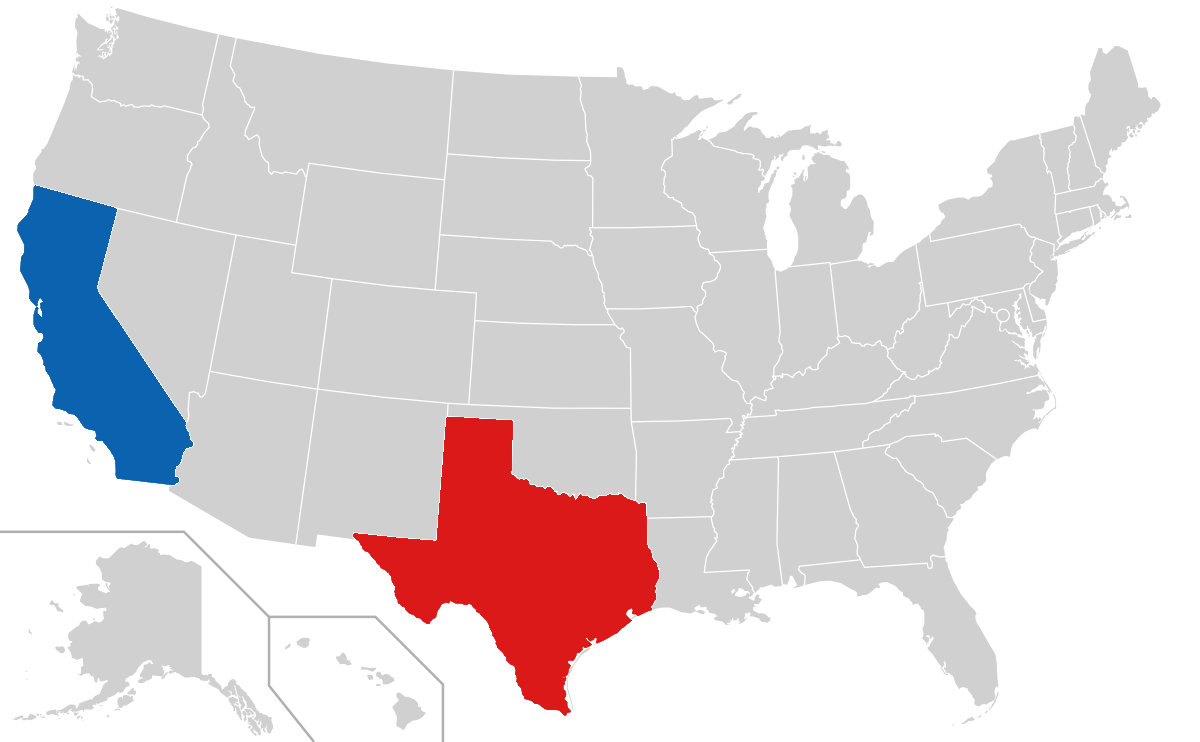
California, while significantly smaller in land area, is still a colossal state. It ranks third in the nation with a total area of about 163,695 square miles. Despite being smaller than Texas, California boasts an incredibly diverse terrain, ranging from the towering peaks of the Sierra Nevada mountains to the fertile valleys of the Central Valley and the dramatic coastline along the Pacific Ocean.
Population Density and Distribution
While land area is a primary determinant of size, population also plays a role in how a state is perceived and experienced, particularly for travelers. California is the most populous state in the United States, home to over 39 million residents. This high population density means that many of its iconic destinations, such as Los Angeles and San Francisco, are bustling metropolises filled with a constant hum of activity. The concentration of people often translates to a more developed tourism infrastructure, a wider array of dining and accommodation options, and a dynamic cultural scene.
Texas, with a population of over 30 million, is the second most populous state. While it has a substantial population, its sheer size means that its population is more spread out. Major urban centers like Houston, Dallas, San Antonio, and Austin are significant hubs of activity, but the vast stretches of land between these cities often offer a more unpopulated and serene travel experience. This contrast in population distribution between the two states significantly influences the pace and nature of travel.
Experiencing the Scale: Travel and Tourism in California vs. Texas
The difference in land area and population distribution between California and Texas translates into distinct travel experiences.
California: A Tapestry of Coastal Charm and Mountain Majesty
California’s relatively smaller land area, compared to Texas, is densely packed with an astonishing variety of attractions. For travelers, this means that iconic destinations are often within reasonable driving distance of each other, allowing for diverse itineraries that can encompass beaches, mountains, deserts, and urban exploration within a single trip.
The state’s legendary coastline offers a wealth of travel opportunities. Driving along Highway 1 is a quintessential California experience, with breathtaking views of the Pacific Ocean and charming coastal towns like Carmel-by-the-Sea and Big Sur. Inland, the majestic Sierra Nevada mountains beckon hikers and nature enthusiasts to explore Yosemite National Park, Sequoia National Park, and Lake Tahoe.
The state’s major cities are destinations in themselves, each with its unique character. Los Angeles, the entertainment capital, offers world-class theme parks like Disneyland Resort and Universal Studios Hollywood, along with museums, shopping, and iconic landmarks like the Hollywood Sign. San Francisco captivates with its hilly streets, the iconic Golden Gate Bridge, and Alcatraz Island. Further south, San Diego offers a relaxed coastal vibe, renowned for its beaches, the San Diego Zoo, and Balboa Park.
Accommodation options in California are as diverse as its landscape, ranging from luxury resorts in Beverly Hills to charming boutique hotels in Santa Barbara and budget-friendly motels along the coast. The culinary scene is equally vibrant, with a strong emphasis on fresh, local ingredients and a diverse range of international cuisines.
Texas: Vast Landscapes and Rich Cultural Heritage
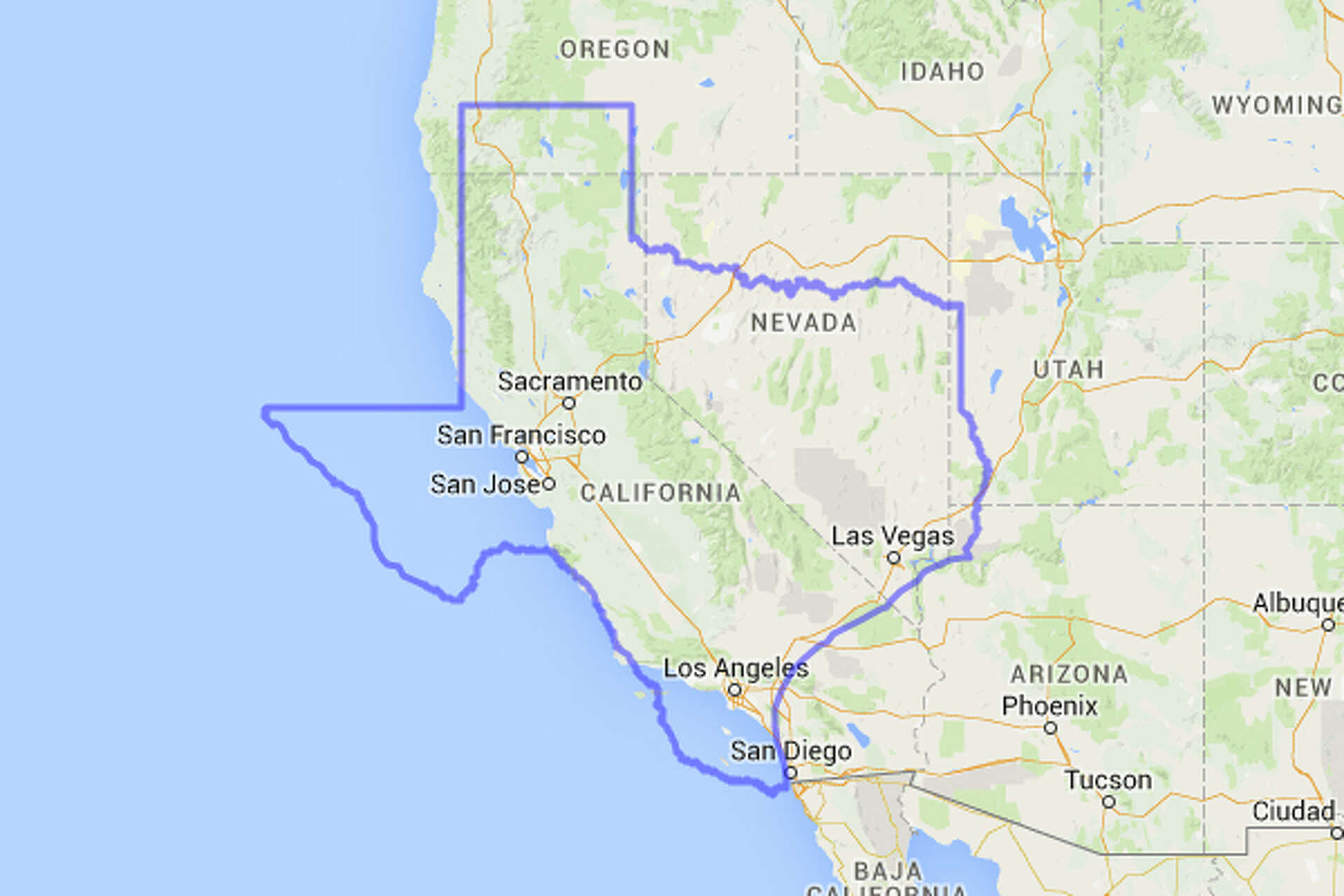
Texas, with its immense land area, offers a different kind of travel experience, one that emphasizes long drives, wide-open spaces, and a deep dive into a unique cultural heritage. While Texas may not have the same dramatic elevation changes as California, its landscapes are no less compelling, from the rugged beauty of the Big Bend National Park to the verdant hills of the Texas Hill Country.
The state’s history is deeply intertwined with the American West, and this is palpable in its culture and attractions. San Antonio is a must-visit for its historical significance, featuring the Alamo and the UNESCO World Heritage San Antonio Missions. The iconic River Walk provides a unique urban experience with its charming canals, restaurants, and shops.
Houston, the largest city in Texas and fourth largest in the United States, is a global hub for energy, medicine, and aerospace. It offers world-class museums, a vibrant arts scene, and the Johnson Space Center. Dallas, known for its cowboy heritage and modern skyline, boasts the Sixth Floor Museum at Dealey Plaza, a poignant reminder of history. Austin, the state capital, is renowned for its live music scene and its “Keep Austin Weird” motto, offering a unique blend of culture and outdoor activities.
Travelers in Texas can experience everything from vast ranches and historic missions to bustling urban centers and vibrant culinary scenes. The state’s BBQ tradition is legendary, and exploring its diverse regional cuisines is an adventure in itself. Accommodation ranges from sprawling resorts and historic hotels to modern apartments and unique Airbnb stays.
Accommodations and Lifestyle: Catering to Diverse Traveler Needs
Both California and Texas offer a comprehensive range of accommodation options and cater to diverse travel lifestyles, reflecting their status as major tourist destinations.
A Spectrum of Stays: From Luxury Resorts to Budget-Friendly Stays
In California, travelers seeking luxury can find opulent resorts in destinations like Napa Valley or the Palm Springs desert. Boutique hotels in cities like San Francisco and Santa Barbara offer unique charm and personalized service. For families, theme park resorts near Anaheim or Los Angeles provide immersive experiences. Budget travelers can find a plethora of motels, hostels, and vacation rentals scattered across the state. Long-term stays are also readily available, particularly in urban areas, with serviced apartments and extended-stay hotels catering to business travelers and those relocating.
Texas also boasts a wide array of lodging. Luxury resorts can be found in the Hill Country, offering spa services and scenic views. Historic hotels in cities like Galveston and San Antonio provide a glimpse into the state’s past. For business travelers, Houston and Dallas offer numerous business-class hotels with extensive amenities. Families might opt for resorts with water parks or ranches offering outdoor activities. Budget-conscious travelers can find affordable hotels and motels across the state, especially along major interstates. Long-term accommodation is a strong offering in Texas, with serviced apartments and extended-stay options available in its major metropolitan areas.
Lifestyle Travel: Tailoring Your Experience
The “lifestyle” aspect of travel is deeply ingrained in both states, albeit with different focuses. California is often associated with a glamorous and health-conscious lifestyle. Luxury travel thrives in its wine regions and coastal enclaves, while budget travel is easily achievable through extensive public transportation in cities and numerous free natural attractions. Family trips are a staple, with theme parks and beaches being major draws. Business stays are prevalent in its tech hubs and major cities.
Texas embodies a more rugged and independent lifestyle. Luxury travel can be found in its sprawling ranches and upscale urban hotels. Budget travel is very accessible due to the vastness of the state, allowing for road trips with many free roadside attractions and national parks. Family trips often center around historical sites, outdoor adventures, and the unique Texan culture. Business stays are significant, particularly in the energy and technology sectors.
Conclusion: A Matter of Perspective
So, which state is bigger, California or Texas? By the most common metric of land area, Texas is unequivocally larger. It covers significantly more ground, offering a more expansive geographical canvas.
However, “bigger” can also be interpreted through the lens of experience. California, though smaller in land area, feels immense due to its high population density and the sheer concentration of world-renowned attractions packed within its borders. It offers an experience of “big” in terms of variety and density of activities and sights.
Texas, on the other hand, delivers “big” through its sheer scale, the feeling of open spaces, and the vastness of its cultural and natural landscapes. The drive from one end of Texas to the other is a journey in itself, highlighting its colossal size.
Ultimately, the question of which state is “bigger” depends on how you choose to measure it. Both California and Texas are monumental destinations, each offering unparalleled travel experiences that cater to every kind of explorer. Whether you seek the vibrant energy of a densely populated region or the awe-inspiring expanse of wide-open spaces, both states promise an unforgettable adventure.
LifeOutOfTheBox is a participant in the Amazon Services LLC Associates Program, an affiliate advertising program designed to provide a means for sites to earn advertising fees by advertising and linking to Amazon.com. Amazon, the Amazon logo, AmazonSupply, and the AmazonSupply logo are trademarks of Amazon.com, Inc. or its affiliates. As an Amazon Associate we earn affiliate commissions from qualifying purchases.