
When planning an expansive journey across the United States, a fundamental question often arises for travelers: which destinations offer the most ground to cover, the most diverse landmarks to explore, and the most varied experiences to immerse oneself in? Among the most iconic and frequently visited states, Texas and California stand out as titans, both boasting immense cultural, economic, and geographic significance. But when it comes down to sheer physical size, which one truly reigns supreme? The simple answer is that Texas is bigger than California. However, to fully appreciate the magnitude of this difference and what it means for travel, tourism, and lifestyle choices, we must delve deeper than mere numbers, exploring how this vastness translates into unparalleled opportunities for exploration and discovery.
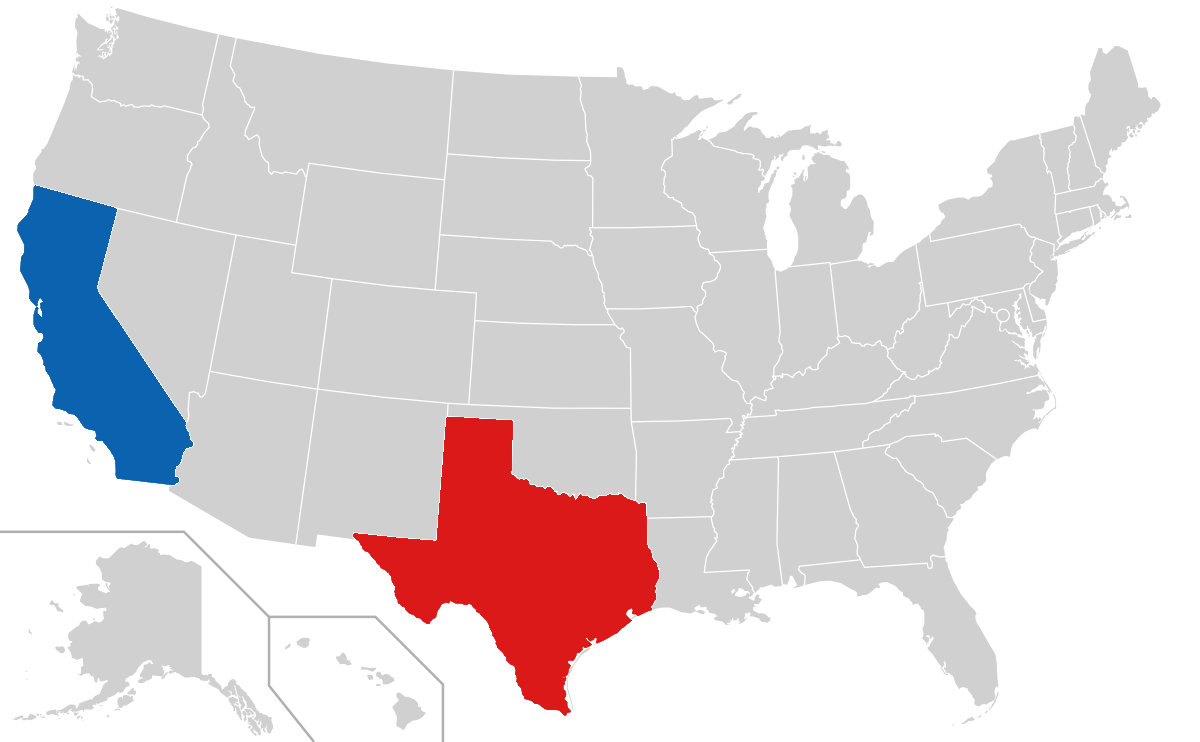
The Definitive Answer: Land Area and Geographic Footprint
Understanding the precise measurements of these two colossal states provides the foundation for appreciating their unique offerings. While both are undeniably massive, their acreage tells a clear story of which one holds the title of the larger landmass.
Unpacking the Numbers: Texas’s Vast Domain
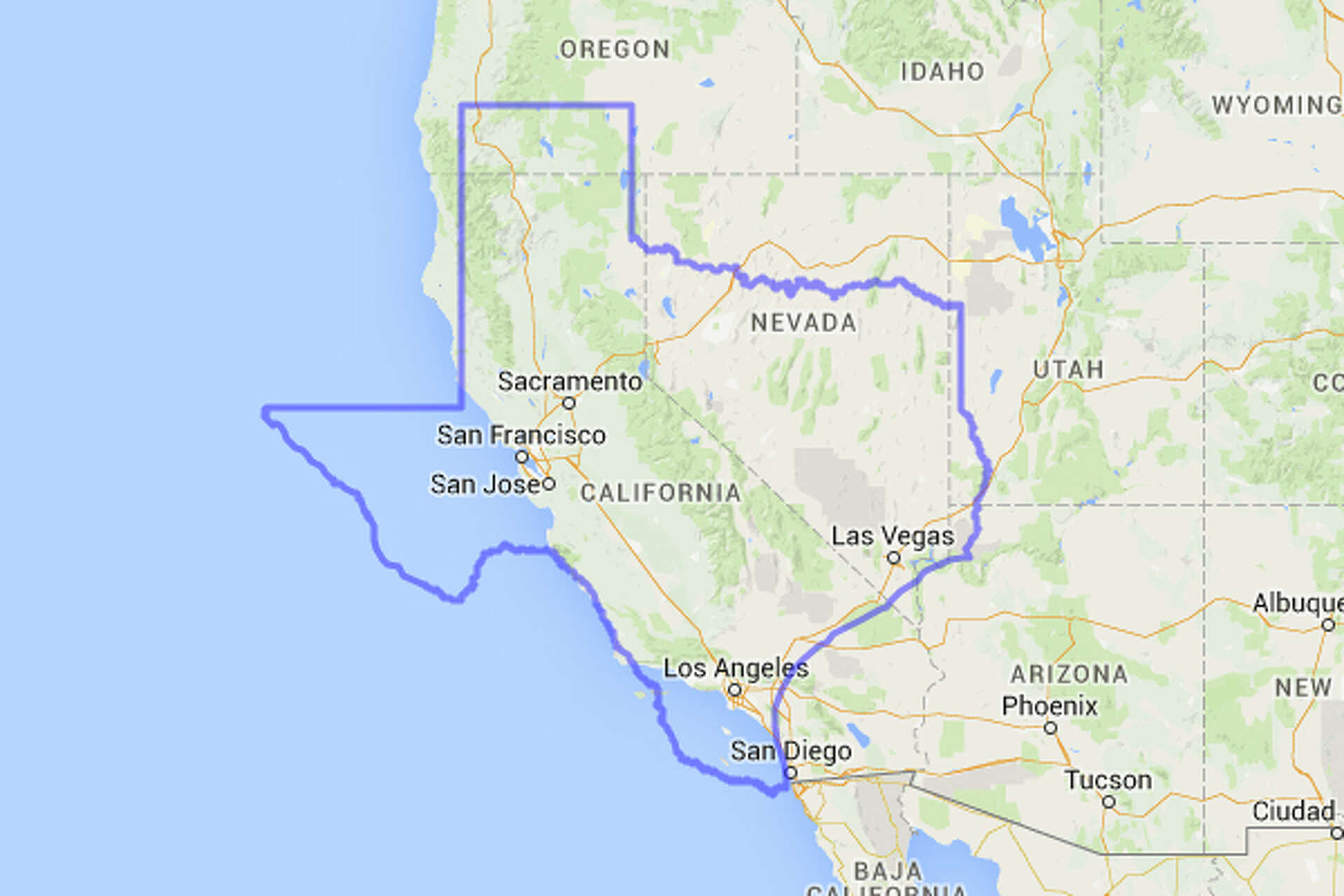
Texas, affectionately known as the Lone Star State, proudly claims its position as the second-largest state in the United States (only Alaska is larger). Its immense sprawl covers a staggering approximate area of 268,596 square miles (695,662 square kilometers). This includes not just dry land but also inland water bodies. When focusing purely on land area, Texas still dominates with roughly 261,232 square miles (676,587 square kilometers).
To put this into perspective for the intrepid traveler, consider the implications of traversing such a vast territory. Bordering Mexico to the south and four United States states—Louisiana and Arkansas to the east, Oklahoma to the north, and New Mexico to the west—Texas presents a geographical mosaic. Its extensive borders mean diverse climatic zones, from the humid Gulf Coast to the arid western deserts, and from the rolling plains of the Panhandle to the rugged mountains of the Trans-Pecos region. This geographical diversity promises a kaleidoscope of travel experiences, demanding careful planning for any extensive road trip or multi-destination itinerary.
California’s Significant Stretch
California, the Golden State, while not as large as Texas in total area, is by no means small. It is the third-largest state by area in the United States, encompassing approximately 163,695 square miles (423,970 square kilometers), with a land area of about 155,779 square miles (403,466 square kilometers).
Despite being numerically smaller than Texas, California’s geographic footprint is still immense. To truly grasp its scale, imagine fitting several smaller European countries within its borders, or realizing that it’s nearly the size of Germany or Japan. California shares its borders with Oregon to the north, Nevada and Arizona to the east, and Mexico to the south, with a vast western coastline along the Pacific Ocean. Its unique topography, marked by dramatic mountain ranges, fertile valleys, and a breathtaking coastline, creates an equally diverse array of environments for exploration, albeit within a slightly more compact (yet still enormous) framework.
Beyond Square Miles: How Size Shapes the Travel Experience
The sheer physical size of Texas and California is more than just a statistic; it’s a fundamental aspect that defines the character of a trip to either state. Their vastness directly translates into a remarkable spectrum of environments, cultures, and activities, influencing everything from the duration of your stay to the type of accommodation you’ll seek.
Diverse Landscapes and Natural Wonders
Both states leverage their considerable size to offer an incredible variety of natural landmarks and outdoor adventures, making them prime destinations for nature lovers and adventurers.
Texas’s Natural Tapestry: From the rugged desert beauty of Big Bend National Park and the towering peaks of Guadalupe Mountains National Park in the west, to the piney woods of East Texas and the sandy beaches of the Gulf Coast, the state is a microcosm of diverse ecosystems. The rolling prairies and captivating limestone formations of the Texas Hill Country offer scenic drives, charming small towns, and opportunities for wine tasting and outdoor recreation. A traveler could spend weeks exploring these different regions, each demanding unique gear, different types of hotels, and a distinct mindset.
California’s Golden Diversity: California’s landscapes are legendary. Its extensive north-south span means everything from the scorching heat of Death Valley National Park (the lowest point in North America) to the towering granite cliffs and waterfalls of Yosemite National Park. Travelers can ski in the Sierra Nevada mountains around Lake Tahoe and then drive to sunbathe on a southern California beach, all within the same day. The state is home to the majestic giant sequoias and redwoods found in Sequoia National Park, Kings Canyon National Park, and Redwood National Park, boasting the largest trees on Earth. The iconic Pacific Coast Highway winds along the dramatic coastline, offering some of the world’s most scenic drives. Reaching the peak of Mount Whitney, the highest point in the contiguous United States, is another testament to California’s extreme natural beauty.
Urban Adventures and Cultural Hubs
The immense size of both states also facilitates the development of sprawling metropolitan areas, each with its own distinct flavor, history, and cultural attractions, providing ample opportunities for city breaks and cultural immersion.
Texas’s Metropolitan Magnets: Texas is home to several of the largest cities in the United States, each offering a unique urban experience. Houston, a global hub for the energy industry and home to Space Center Houston, boasts a thriving arts scene and diverse culinary landscape. Dallas and Fort Worth (often considered a single metropolitan area for travel purposes) blend modern sophistication with authentic Western heritage, offering attractions like the Sixth Floor Museum and the Fort Worth Stockyards National Historic District. Austin, the state capital, is renowned for its live music scene, vibrant lifestyle, and burgeoning tech industry, embodying the “Keep Austin Weird” motto. Meanwhile, San Antonio offers a rich historical tapestry, highlighted by the Alamo and its picturesque River Walk, a blend of Spanish colonial history and vibrant modern culture.
California’s Iconic Cities: California’s cities are global icons. Los Angeles, the entertainment capital of the world, offers endless attractions from Hollywood studios and movie star homes to world-class museums and pristine beaches in Santa Monica. Families flock to Disneyland Resort in Anaheim and Universal Studios Hollywood. San Francisco, famous for its rolling hills, cable cars, and the majestic Golden Gate Bridge, is a hub of innovation, progressive culture, and exquisite dining. Further south, San Diego entices with its beautiful coastline, renowned zoo, and vibrant Gaslamp Quarter. Beyond these major hubs, regions like Napa Valley and Sonoma Valley offer world-class wine tourism, while Silicon Valley represents the cutting edge of technological advancement.
The Logistical Scale of Travel
Traveling through states of such magnitude requires considerable planning. Whether you opt for a leisurely road trip or internal flights, the distances are substantial. In Texas, driving from El Paso in the far west to Houston in the east can take over 12 hours. Similarly, traversing California from San Diego to the Redwood National Park near the Oregon border is an epic multi-day journey. These vast distances highlight the importance of detailed itinerary planning, allowing sufficient time for travel between destinations and enjoying the journey itself. For travelers short on time, strategically utilizing regional airports to hop between major cities can save precious hours, though it means missing out on the scenic routes that define much of the charm of these states.
Accommodation and Lifestyle Choices Across Expansive Territories
The diverse geographies and vibrant economies of Texas and California naturally lead to a wide array of accommodation options and cater to myriad travel lifestyles and budgets.
From Luxury Resorts to Quaint Stays
The sheer size of both states ensures that every traveler can find suitable lodgings, whether seeking opulent luxury travel or embracing a more budget travel approach.
Texas’s Hospitality Spectrum: In Texas, you might find yourself in a five-star hotel suite in downtown Dallas, a charming boutique hotel in the Hill Country wine region, or even an authentic ranch stay experience out West. Along the Gulf Coast, various resorts and vacation apartments cater to beachgoers. For those exploring national parks, more rustic cabin rentals or camping facilities are readily available. The diversity of accommodation mirrors the state’s varied landscapes and cultural influences, from historic inns in San Antonio to sleek, modern hotels in Austin.
California’s World-Class Lodgings: California offers an equally impressive range, from the ultra-luxurious resorts of Beverly Hills and Napa Valley to idyllic beachfront resorts in San Diego and Laguna Beach. In cities like San Francisco and Los Angeles, travelers can choose from iconic grand hotels, trendy boutique hotels, and numerous apartments and villas for longer stays. Near national parks, a plethora of lodges, cabins, and campgrounds provide excellent bases for outdoor adventures. The state’s status as a global tourism hotspot means that accommodation providers are highly competitive, often offering premium amenities and unique experiences.
Embracing Diverse Lifestyles and Budgets
Whether planning a high-end luxury travel escape, an economical budget travel adventure, a memorable family trip, or a strategic business stay, both Texas and California are equipped to cater to every need. Their immense size ensures that different regions specialize in different types of experiences. One could enjoy a lavish spa weekend in Palm Springs, California, or a rugged, cost-effective camping expedition in Big Bend, Texas. This flexibility in offerings, driven by the vastness of their territories and the diversity of their communities, makes them perennial favorites for all types of travelers.
Population and Economic Influence: A Different Kind of “Bigger”
While the initial question focused on geographical size, it’s worth briefly considering another dimension of “bigger”: population and economic might. These factors, though not directly related to square miles, profoundly influence the travel infrastructure, cultural landscape, and overall vibrancy of a state.
Population Density and Urban Sprawl
California, despite being geographically smaller than Texas, holds the title of the most populous state in the United States, with over 39 million residents. This dense population contributes to its numerous sprawling metropolitan areas and a faster-paced urban lifestyle. Texas is the second most populous state, with over 30 million residents, and its population growth rate has been among the highest in the nation. The growth of major cities like Houston, Dallas, Austin, and San Antonio reflects its expanding influence. The differing population densities contribute to varied experiences, from bustling city streets to vast, sparsely populated rural expanses in both states.
Economic Powerhouses and Tourist Dollars
Both California and Texas are economic giants, each with a GDP that rivals many countries. California’s economy is fueled by technology, entertainment, agriculture, and tourism, attracting millions of visitors annually to its theme parks, beaches, and natural wonders. Texas’s economy is diversified, strong in energy, aerospace, manufacturing, and technology, with a rapidly growing tourism sector. The economic vitality of these states allows for continuous investment in infrastructure, attractions, and high-quality hotels and resorts, directly benefiting travelers and contributing to the rich tapestry of experiences available.
In conclusion, while the answer to “Which state is bigger, Texas or California?” is definitively Texas based on land area, both states offer an immense and diverse playground for travelers. Each state’s significant size translates into a breathtaking array of landscapes, vibrant urban centers, and a spectrum of cultural experiences. Whether you are drawn to the rugged expanses of the Lone Star State or the iconic coastlines and mountains of the Golden State, both promise journeys of unforgettable discovery, rich in unique attractions, diverse accommodation options, and endless possibilities for exploration. The “bigger” state, in this context, simply means more ground to explore, but both Texas and California guarantee a grand adventure.
LifeOutOfTheBox is a participant in the Amazon Services LLC Associates Program, an affiliate advertising program designed to provide a means for sites to earn advertising fees by advertising and linking to Amazon.com. Amazon, the Amazon logo, AmazonSupply, and the AmazonSupply logo are trademarks of Amazon.com, Inc. or its affiliates. As an Amazon Associate we earn affiliate commissions from qualifying purchases.