
The archipelago of Hawaii is a testament to the raw, creative power of our planet. Unlike many other global landmarks that remain static over centuries, the volcanic landmarks of the Big Island are in a constant state of flux, rewriting the map of the United States with every pulse of magma. For those looking to understand which volcano is currently erupting or has recently shaped the landscape, it is essential to look at the giants that define the Pacific Ocean region: Kilauea and Mauna Loa.
These natural landmarks are more than just geological curiosities; they are sacred sites in Hawaiian culture and central features of the Hawaii Volcanoes National Park. Understanding their activity requires a look into the heart of the earth and the history of the vents that have drawn millions of spectators to the shores of Hilo and Kailua-Kona.
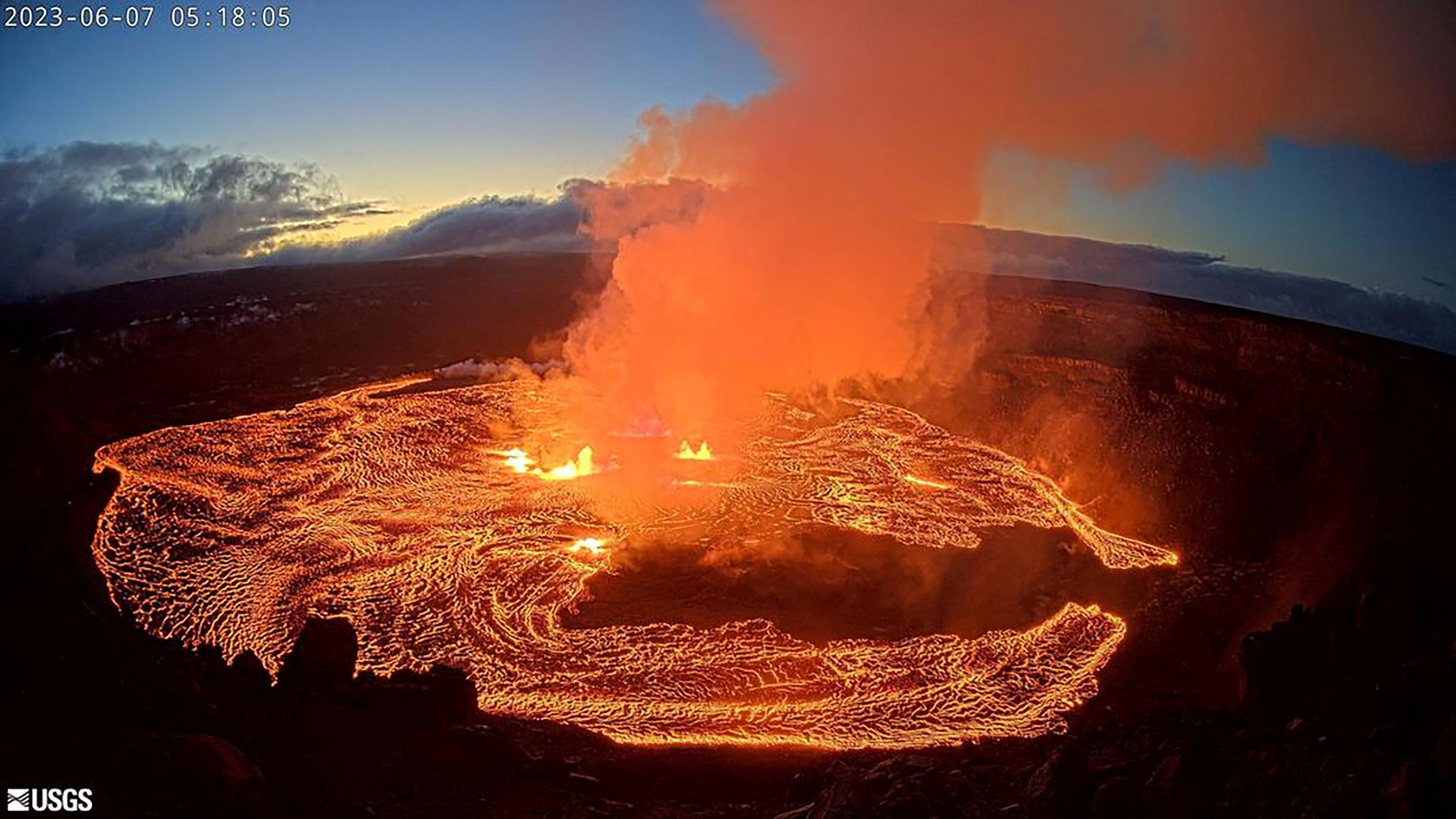
Kilauea: The Ever-Changing Landmark of Fire
When people ask which volcano is erupting in Hawaii, the answer most frequently points to Kilauea. Regarded as one of the most active volcanoes on Earth, this shield volcano has been a near-constant source of wonder for decades. Located on the southeastern shore of the Big Island, it is the youngest and most active land-based volcano in the Hawaiian-Emperor Seamount Chain.
The Evolution of the Halemaumau Crater
The Halemaumau Crater is perhaps the most iconic landmark within the summit caldera of Kilauea. For years, it housed a persistent lava lake that glowed against the night sky, visible from the Volcano House. However, the massive eruption event of 2018 fundamentally altered this landmark. The crater floor collapsed, deepening significantly and changing the profile of the summit forever.
In recent years, activity has returned to the Halemaumau Crater in cycles. Since 2020, several eruption phases have filled the deepened pit with new layers of basaltic rock, creating a mesmerizing display of fountaining lava and cooling crust. For those monitoring the United States Geological Survey (also known as the USGS), Kilauea remains the primary focus of volcanic observation in the North Pacific.
The Legacy of the Puu Oo Vent
For over 30 years, the Puu Oo vent was the center of Kilauea’s eruptive activity. This cinder and spatter cone became a world-famous landmark, responsible for the destruction of the Kalapana gardens and the creation of hundreds of acres of new land. The 2018 lower Puna eruption saw the end of the Puu Oo era as the magma plumbing system shifted toward the Leilani Estates area. While the vent is no longer active, it remains a critical historical landmark for geologists studying the longevity of volcanic systems in Polynesia.
Mauna Loa: The Awakening of the Earth’s Largest Shield Volcano
While Kilauea is known for its frequent activity, Mauna Loa represents the sheer scale of volcanic power. Rising more than 13,000 feet above sea level and extending even further to the ocean floor, it is the world’s largest subaerial volcano. After a 38-year period of quiet, Mauna Loa made global headlines with its eruption in late 2022.
The 2022 Eruption and Its Impact
The 2022 eruption of Mauna Loa was a reminder of why this mountain is one of the most significant landmarks in North America. Lava flowed from the summit caldera, Moku’aweoweo, and eventually migrated to the Northeast Rift Zone. The spectacular fountains of fire were visible from both the east and west coasts of the island, drawing crowds to the Daniel K. Inouye Highway, also known as the Saddle Road.
The eruption safely avoided populated areas but came within a few miles of the main artery connecting Hilo and Kona. This event highlighted the unpredictable nature of Hawaii’s landmarks and the importance of the Mauna Loa Observatory in monitoring atmospheric and geological changes.
Comparing Mauna Loa and Mauna Kea
To the north of Mauna Loa stands its sister peak, Mauna Kea. While Mauna Loa is a landmark of active fire, Mauna Kea is a landmark of ice and stars. As a dormant volcano, Mauna Kea provides a stark contrast to the eruptive activity of its neighbor. Its summit is home to world-class astronomical facilities like the W. M. Keck Observatory. Together, these two mountains form a geological duo that defines the skyline of the Pacific.
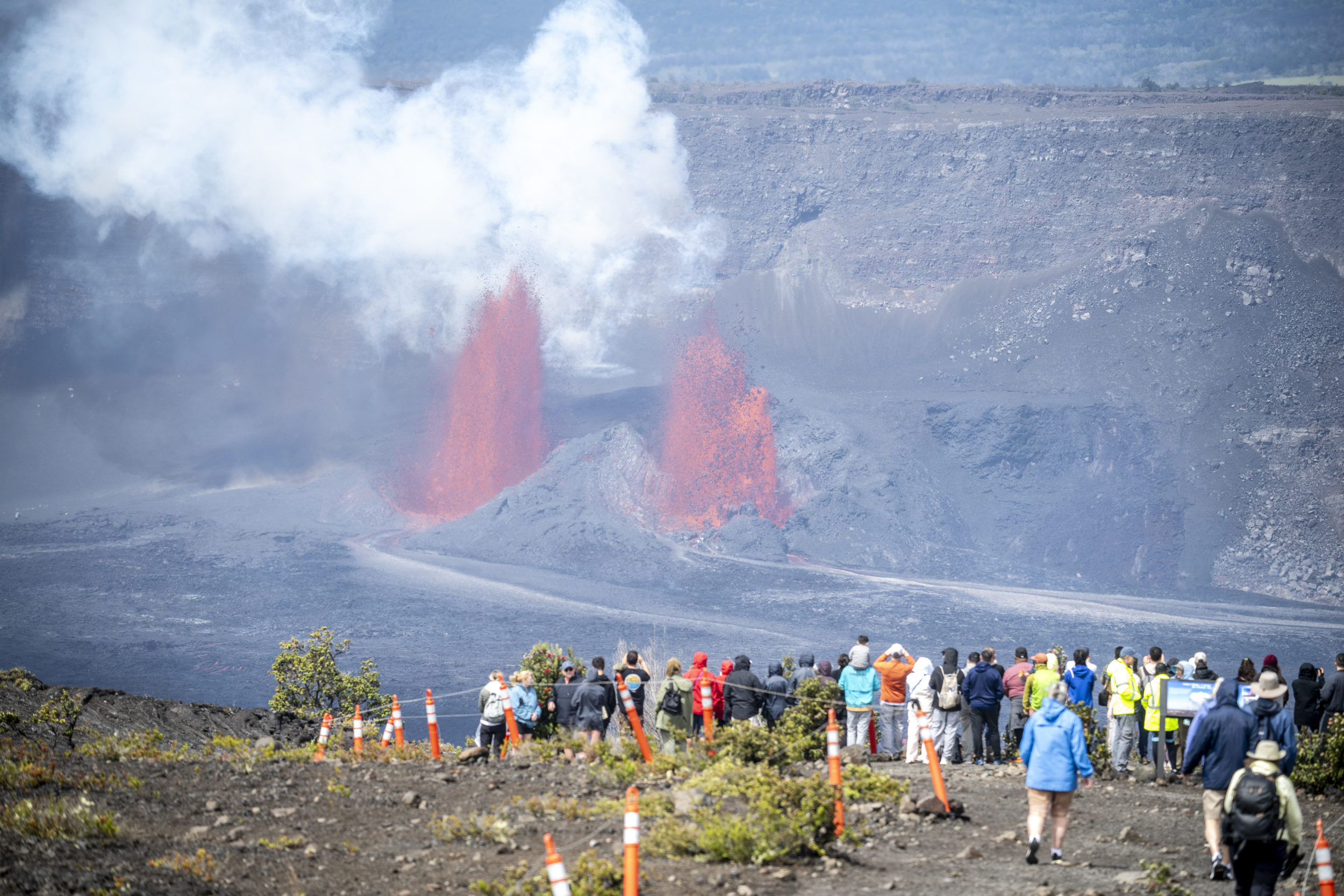
Exploring the Landmarks of Hawaii Volcanoes National Park
The Hawaii Volcanoes National Park is the best place to witness the historical and current results of Hawaii’s volcanic activity. Designated as a UNESCO World Heritage Site, the park protects some of the most unique biological, geological, and cultural landmarks in the world.
The Thurston Lava Tube (Nahuku)
One of the most accessible and famous landmarks in the park is the Thurston Lava Tube, traditionally known as Nahuku. This 500-year-old cave was formed by a river of lava that cooled on the outside while the molten center continued to flow, leaving behind a hollow conduit. Walking through Nahuku offers a glimpse into the subterranean plumbing that characterizes the Big Island.
Chain of Craters Road
For a visual history of Kilauea’s past eruptions, the Chain of Craters Road is an unparalleled landmark journey. The road descends 3,700 feet to the coast, passing numerous craters and vast fields of frozen lava from various decades. The road ends abruptly where a 2003 lava flow crossed the pavement, serving as a poignant reminder of the island’s ever-changing geography. Along this route, the Holei Sea Arch stands as a natural landmark carved by the erosive power of the Pacific Ocean against the volcanic rock.
The Jaggar Museum and Overlook
Named after Thomas A. Jaggar, a pioneer in volcanology, the Jaggar Museum was once the premier spot for viewing the Halemaumau Crater. Although the building was damaged during the 2018 earthquakes and is currently closed to the public, the area remains a historical landmark. The insights gained here by the Hawaiian Volcano Observatory have shaped our global understanding of how basaltic volcanoes function.
Cultural and Future Landmarks of Hawaii’s Volcanic Chain
The volcanoes of Hawaii are not just physical landmarks; they are deeply spiritual entities. In Hawaiian tradition, the deity Pele resides in the summit of Kilauea. Every eruption is seen as her movement and creation, making the lava flows sacred landmarks that demand respect and reverence.
Haleakala: The Landmark of Maui
While the Big Island currently hosts the most active landmarks, the island of Maui is defined by Haleakala. This massive shield volcano forms more than 75% of the island. Although it hasn’t erupted since the late 1700s, it is still considered active. The Haleakala National Park is a vital landmark for those wishing to see the older, more eroded stages of Hawaiian volcanism.
Kama’ehuakanaloa: The Landmark of the Future
Looking toward the future, a new landmark is currently being born beneath the waves. Kama’ehuakanaloa, formerly known as Loihi Seamount, is an active submarine volcano located about 20 miles off the southern coast of the Big Island. Currently sitting thousands of feet below sea level, it is expected to eventually break the surface and become the next island in the Hawaiian chain. It represents the ongoing cycle of landmark creation that has existed for millions of years, from the weathered cliffs of Kauai to the bustling shores of Oahu.
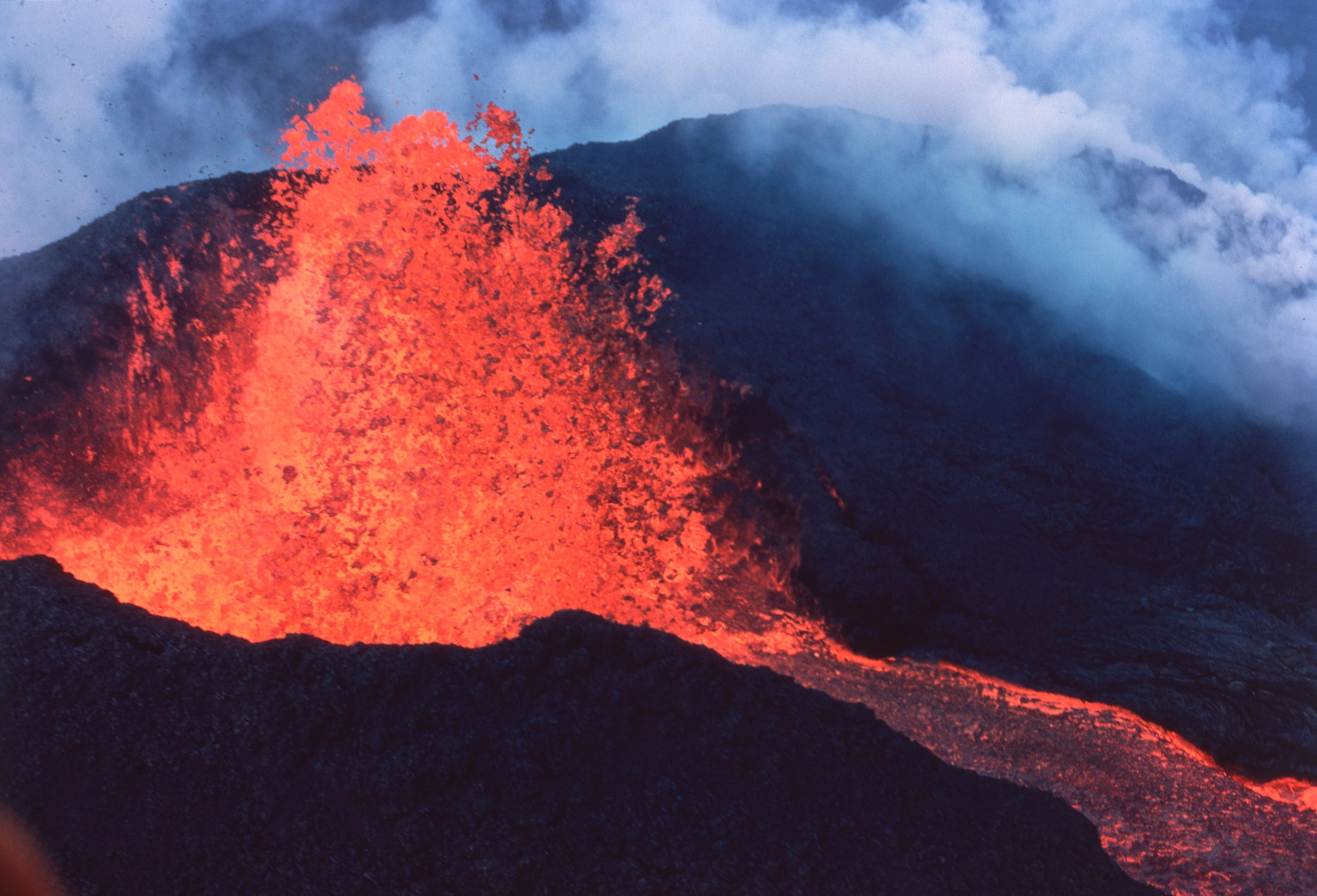
The Significance of the Pacific Ring of Fire
The volcanic landmarks of Hawaii are unique because they are located in the middle of a tectonic plate, rather than at a boundary. This “hotspot” volcanism creates the characteristic shield shape of Kilauea and Mauna Loa. While the Pacific Ring of Fire is known for explosive volcanoes in Japan or Chile, the Hawaiian landmarks are generally more effusive, allowing for closer scientific study and a different type of natural landmark experience.
In conclusion, whether it is the current bubbling of lava within Kilauea or the sleeping giant of Mauna Loa, the volcanoes of Hawaii remain the most dynamic landmarks in the world. They remind us that the Earth is alive, constantly renewing itself and creating new history with every drop of molten rock that meets the sea. For anyone visiting the Big Island, these landmarks offer a profound connection to the geological forces that shape our existence.
LifeOutOfTheBox is a participant in the Amazon Services LLC Associates Program, an affiliate advertising program designed to provide a means for sites to earn advertising fees by advertising and linking to Amazon.com. Amazon, the Amazon logo, AmazonSupply, and the AmazonSupply logo are trademarks of Amazon.com, Inc. or its affiliates. As an Amazon Associate we earn affiliate commissions from qualifying purchases.