
Nevada, a state often defined by its glittering casinos and vast desert landscapes, presents a unique and often surprising political tapestry. While often stereotyped as a reliably Republican or Democratic stronghold, the reality is far more nuanced. Understanding Nevada’s voting patterns requires delving into its diverse demographics, economic drivers, and the evolving cultural currents that shape its electorate. This exploration aims to illuminate the key factors influencing how Nevadans cast their ballots, moving beyond simplistic assumptions to uncover the intricate dynamics at play.
The Shifting Sands of the Silver State Electorate
Nevada’s political landscape is in constant flux, a characteristic born from its rapid growth and the continuous influx of new residents. Unlike many older states with deeply entrenched political traditions, Nevada is a relatively young state in terms of its modern demographic makeup. This dynamism means that voting patterns are less about historical allegiances and more about adapting to present-day economic realities and social trends.
Demographic Determinants
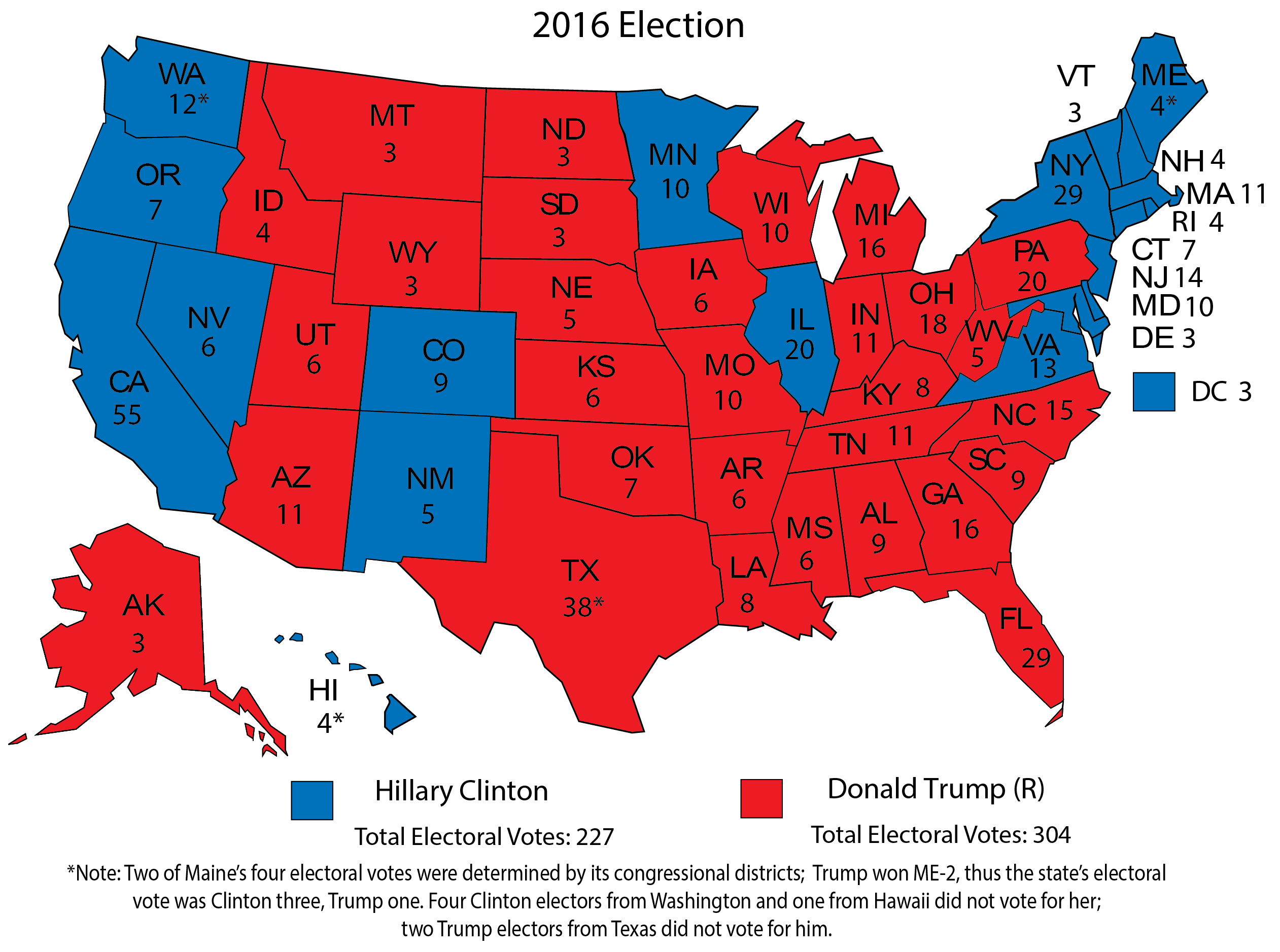
The demographic composition of Nevada is a crucial determinant of its voting behavior. The state is characterized by a growing Hispanic population, a significant portion of which are first-generation immigrants or their descendants. This demographic group often leans Democratic, influenced by issues such as immigration policy, economic opportunity, and social justice.
Furthermore, Nevada has a substantial unionized workforce, particularly in the hospitality and service industries that are central to its economy. These unions have historically been powerful advocates for Democratic candidates, aligning with policies on workers’ rights, wages, and benefits. The influence of union households remains a significant factor in presidential and congressional races, especially in counties like Clark County, which encompasses Las Vegas.
Conversely, rural Nevada tends to be more conservative, with a higher proportion of white working-class voters and a stronger emphasis on traditional values, gun rights, and less government intervention. This rural-urban divide is a recurring theme in Nevada politics, creating distinct voting blocs that parties must court. The burgeoning population in Reno and its surrounding areas also adds another layer of complexity, with a growing tech sector and a more liberal urban core that often contrasts with the surrounding rural conservatism.
Economic Influences and Candidate Appeal
Nevada’s economy is heavily reliant on tourism, gaming, and, increasingly, technology and logistics. These economic pillars directly impact voting patterns.
The Gaming and Tourism Connection
The immense gaming industry, centered in Las Vegas and Reno, creates a unique political environment. While the industry itself often maintains a bipartisan approach to lobbying for favorable regulations, the workforce within it is diverse. Candidates who can effectively address concerns about job security, wages, and the economic impact of tourism tend to resonate with a broad swath of voters. The reliance on the hospitality sector means that economic downturns or shifts in consumer spending can significantly influence voter sentiment, often leading to a desire for change in leadership.
The Rise of the Tech Sector
The growth of the technology sector, particularly around Reno and Las Vegas, has introduced a new demographic with different priorities. This population, often younger and more educated, may be more aligned with Democratic platforms on issues such as environmental protection, social progress, and education funding. The presence of companies like Tesla and its Gigafactory near Reno signifies this shift, bringing a different economic and cultural dynamic to the state.
Addressing Economic Disparities
Nevada has experienced significant economic fluctuations, particularly during recessions that heavily impact its tourism-dependent economy. Voters often look to candidates who can offer credible solutions to economic instability, job creation, and support for small businesses. The perceived effectiveness of a candidate in navigating these economic challenges often plays a decisive role in their electoral success.
Key Battlegrounds and Voting Trends
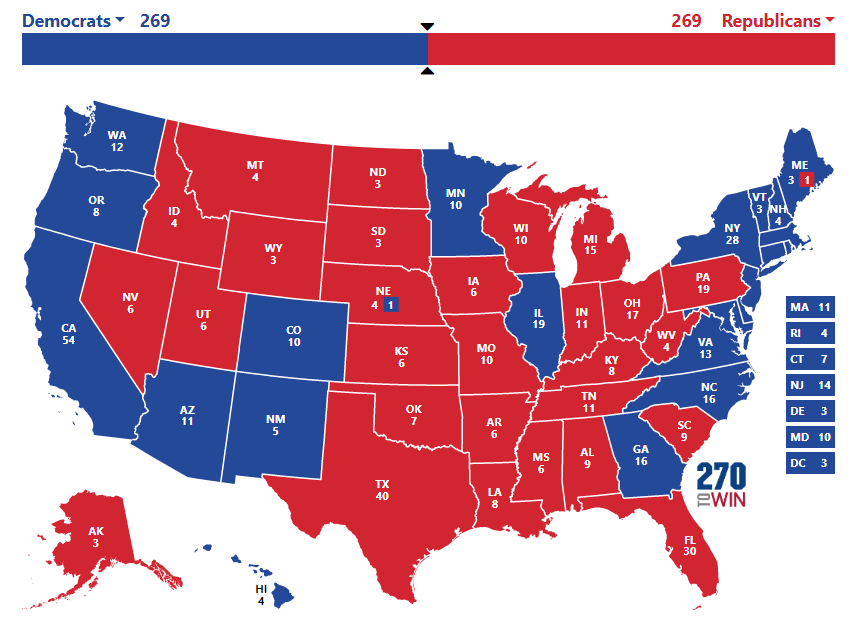
Nevada’s electoral map is characterized by distinct battlegrounds where the outcome of elections is often decided. Understanding these regions and the trends within them is crucial for predicting how the state will vote.
Clark County: The Democratic Anchor
Clark County, home to Las Vegas and encompassing a majority of the state’s population, is typically the Democratic Party’s strongest base. The diverse population, the presence of powerful unions, and the sheer concentration of voters in this urban area give Democrats a significant advantage. However, even within Clark County, there are variations. Suburban areas and more affluent communities might exhibit more moderate or even Republican leanings, creating opportunities for Republican candidates to gain ground.
Washoe County: The Swing County
Washoe County, which includes Reno, is often considered Nevada’s swing county. Its electorate is more balanced between Democratic and Republican voters, making it a crucial battleground in state and national elections. The growing tech sector and university populations in Reno contribute to a more liberal bent, while the surrounding rural areas and the county’s traditional industries maintain a conservative presence. The outcome in Washoe County can often tip the scales for the entire state.
Rural Nevada: The Conservative Frontier
The vast majority of Nevada’s landmass is rural, characterized by smaller towns and a population that generally leans Republican. These voters often prioritize issues such as gun rights, deregulation, and a strong stance against federal government overreach. While their numbers are smaller than those in Clark County or Washoe County, their unified voting bloc can still be influential, particularly in down-ballot races and in reinforcing statewide Republican trends. Counties like Elko County and Lyon County represent this conservative sentiment.
Emerging Trends and Future Predictions
Nevada’s political future is dynamic, shaped by ongoing demographic shifts, economic evolution, and the ever-present influence of its unique character.
The Influence of Newcomers
Nevada continues to attract residents from across the United States, including those from more politically polarized states. The political leanings of these new arrivals can subtly shift the state’s overall voting patterns over time. Understanding the origins and motivations of these newcomers is a key challenge for political strategists.
The Role of Independent and Non-Affiliated Voters
A significant portion of Nevada’s electorate registers as independent or non-affiliated. This group often votes based on individual candidate appeal, specific policy issues, or dissatisfaction with the major parties. Their swing vote can be decisive, making it essential for candidates to appeal beyond their party base and to engage with independent voters directly.
Water and Environmental Concerns
As a desert state, water scarcity and environmental sustainability are increasingly becoming critical issues for Nevadans. Candidates who can articulate credible plans for managing water resources and addressing climate change are likely to gain traction, particularly among younger voters and those in environmentally sensitive regions. The future of the Colorado River, a vital water source for much of the Southwest, is a growing concern that will undoubtedly influence future elections.

Evolving Political Discourse
The political discourse in Nevada is not static. The state has a history of electing moderate Republicans and Democrats, showcasing a pragmatic streak among its voters. However, as national political polarization intensifies, Nevada is not immune. Candidates who can bridge divides, offer practical solutions, and connect with the everyday concerns of Nevadans are most likely to succeed in this complex and ever-evolving political landscape. The allure of the Nevada Desert and the vibrant energy of its cities create a unique backdrop against which these political battles are fought, making Nevada a fascinating case study in American democracy.
LifeOutOfTheBox is a participant in the Amazon Services LLC Associates Program, an affiliate advertising program designed to provide a means for sites to earn advertising fees by advertising and linking to Amazon.com. Amazon, the Amazon logo, AmazonSupply, and the AmazonSupply logo are trademarks of Amazon.com, Inc. or its affiliates. As an Amazon Associate we earn affiliate commissions from qualifying purchases.