
The Chicago Cubs are more than just a Major League Baseball team; they are an institution, a beloved landmark, and an integral part of Chicago‘s identity. For generations, the team has captured the hearts of millions, embodying the city’s enduring spirit and passion for sport. While the roar of the crowd at Wrigley Field is an unmistakable sound of summer, a question often lingers in the minds of fans and curious travelers alike: who exactly owns this iconic franchise? The answer lies with the Ricketts family, a name now synonymous with the Cubs and a significant force in shaping the landscape of Wrigleyville and beyond. Their ownership story is not merely one of business acquisition but a narrative deeply interwoven with urban development, enhancing tourism, and transforming the lifestyle surrounding one of America’s most historic ballparks.

This article delves into the journey of the Ricketts family – from their origins in finance to becoming the stewards of a baseball legend. We will explore how their vision has extended far beyond the diamond, dramatically influencing Chicago’s appeal as a premier destination for sports tourism, family trips, and unique cultural experiences. Understanding the ownership of the Cubs provides fascinating insights into the convergence of high-stakes sports, strategic real estate development, and the vibrant life of a major American city, offering valuable perspectives for anyone interested in travel, accommodation, and the economic impact of landmarks.
The Ricketts Family: A Dynasty Built on Sports and Community
The story of the Ricketts family and their connection to the Chicago Cubs begins long before their official acquisition of the team. It’s a tale rooted in entrepreneurial success, a deep love for the game, and a strategic understanding of community building. Their journey to Major League Baseball ownership is a testament to calculated risk-taking and a commitment to preserving and enhancing a beloved American institution.
From Humble Beginnings to MLB Ownership
The foundation of the Ricketts family’s financial prowess was laid by Joe Ricketts, the patriarch. Joe Ricketts revolutionized discount brokerage by co-founding First Omaha Securities in 1971, which later evolved into the highly successful TD Ameritrade. His innovative approach to making financial services accessible propelled him to immense wealth, establishing a legacy of business acumen that would eventually fund the family’s ambitious ventures. This success provided the financial backing for a dream that many passionate baseball fans share: owning a professional sports team.
Growing up in Nebraska, Joe and his children, Tom, Laura, Pete, and Todd Ricketts, were avid followers of baseball. The Chicago Cubs, with their storied history and endearing underdog narrative, held a special place in their hearts. This personal connection, combined with their extensive business experience, set the stage for one of the most significant acquisitions in sports history. The transition from successful entrepreneurs in the financial sector to owners of a storied baseball franchise highlights a fascinating intersection of business and passion, reflecting a unique lifestyle choice that often accompanies significant wealth.
Acquiring an Icon: The Purchase of the Chicago Cubs
The opportunity to purchase the Chicago Cubs arose in 2007 when the Tribune Company, the team’s long-time owner, filed for bankruptcy and announced its intention to sell the franchise along with Wrigley Field. This presented a monumental chance for the Ricketts family to turn a childhood dream into a tangible reality. After a competitive bidding process that lasted nearly two years, the Ricketts family, led by Tom Ricketts, emerged as the successful bidder. In October 2009, they finalized the purchase of approximately 95% of the team and Wrigley Field for an estimated $845 million.
This acquisition was more than just a transaction; it was a commitment to preserving and revitalizing a cherished Chicago institution. The scale of the investment underscored not only the family’s financial capabilities but also their deep emotional attachment to the team. Upon taking ownership, the family articulated a clear vision: to win a World Series while also improving the fan experience and integrating the team more deeply into the fabric of the surrounding Wrigleyville neighborhood. This blend of sporting ambition and community development immediately positioned the Ricketts family as significant stakeholders in Chicago’s tourism and lifestyle economy. Their stewardship marked a new chapter for the Cubs, promising both athletic glory and significant enhancements to one of the city’s most iconic landmarks.
Transforming Wrigleyville: The Ricketts’ Vision for a Ballpark District
The Ricketts family’s ownership of the Chicago Cubs brought with it an ambitious, multi-faceted plan to revitalize not just the team, but the entire district surrounding Wrigley Field. This vision, known collectively as the “1060 Project” (referencing the ballpark’s address at 1060 Waveland Avenue), aimed to transform Wrigleyville into a premier year-round destination, seamlessly blending sports, entertainment, accommodation, and local culture.
Renovating Wrigley Field: A Landmark Reimagined
At the heart of the “1060 Project” was the extensive renovation of Wrigley Field itself. As one of the oldest and most beloved ballparks in Major League Baseball, the challenge was to modernize the facility for the 21st century while meticulously preserving its historic charm and iconic status as a landmark. The multi-year, multi-million dollar undertaking addressed critical infrastructure needs, improved player facilities, and significantly enhanced the fan experience.
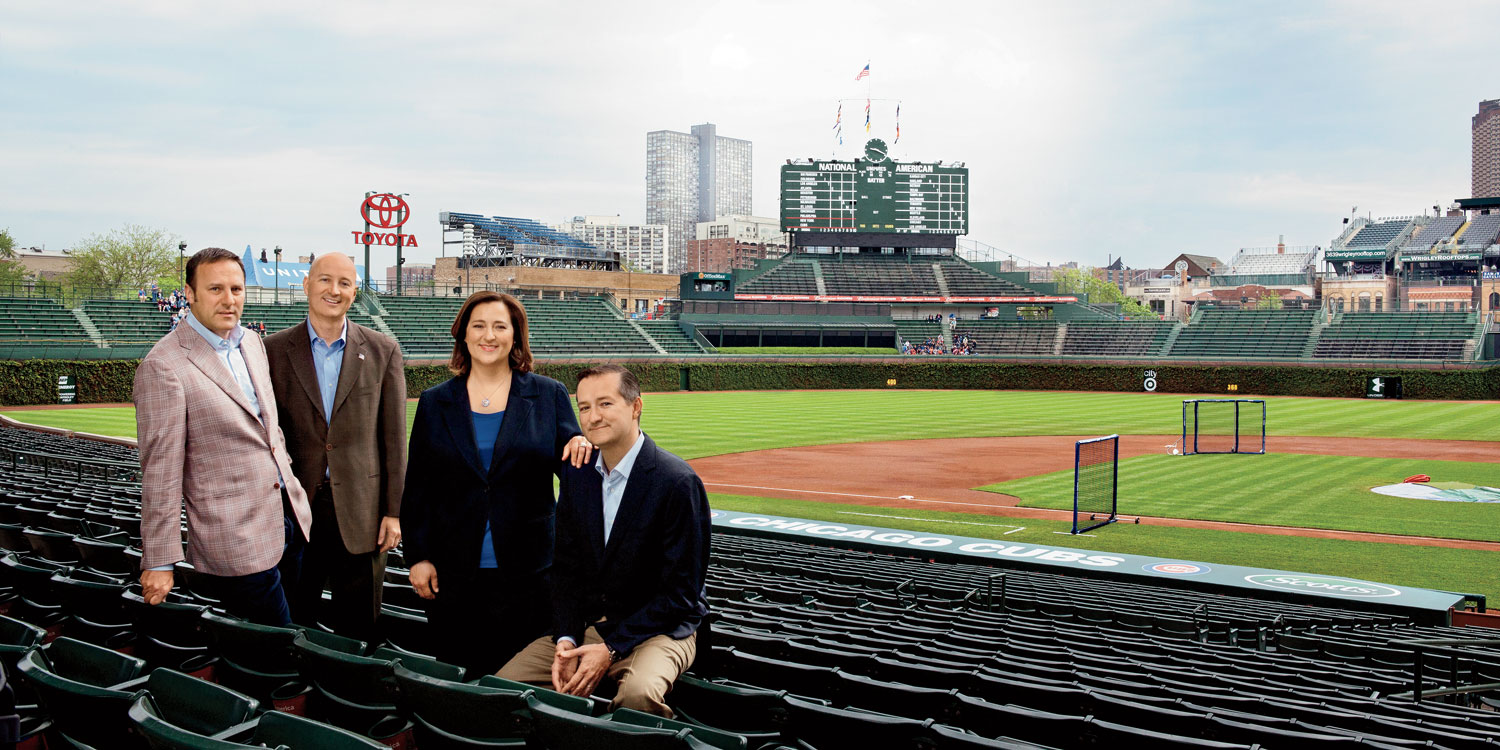
Improvements included expanding concourses, upgrading restrooms, adding state-of-the-art video boards (a sensitive topic among traditionalists, but ultimately integrated respectfully), and introducing premium seating options. The famous Budweiser Bleachers were also renovated, offering new amenities while retaining their legendary open-air atmosphere. From a travel perspective, these enhancements made visiting Wrigley Field an even more appealing experience, drawing tourists interested in famous places, architecture, and history. The meticulous attention to detail in balancing tradition with modernity made the ballpark a model for historic preservation within a contemporary context, appealing to both die-hard fans and casual visitors looking for a memorable Chicago experience. The improved facilities ensure comfort and convenience, which are crucial factors for any destination striving to attract diverse demographics, from families to business travelers.
Beyond the Ballpark: Developing the Wrigleyville Neighborhood
The Ricketts family’s vision extended far beyond the ivy-covered walls of Wrigley Field. They embarked on a comprehensive development plan for the surrounding Wrigleyville neighborhood, aiming to create a vibrant entertainment district that would thrive every day, not just on game days. This initiative involved significant real estate investments, transforming neglected properties into dynamic new attractions and amenities.
A cornerstone of this development is Hotel Zachary, a boutique hotel named after Zachary Taylor Davis, the architect of Wrigley Field. This modern accommodation option provides luxury suites and a stylish base for visitors, directly catering to the growing demand for convenient and upscale lodging near major attractions. Its presence immediately addressed a gap in the local accommodation market, offering an ideal solution for travelers seeking a premium experience close to the action.
Adjacent to the hotel and the ballpark, the family developed Gallagher Way, a sprawling, open-air plaza that has become a community hub. Gallagher Way hosts a variety of events year-round, from farmers’ markets and movie nights to ice skating in the winter, effectively transforming Wrigleyville into a destination that transcends baseball season. It features popular dining establishments like Big Star and Smoke Daddy, offering diverse culinary experiences that appeal to both locals and tourists exploring Chicago’s food scene.
Further developments include The Marquee at Wrigleyville, a mixed-use building featuring retail, dining, and entertainment spaces, as well as the Cubs Store. These additions have not only revitalized the aesthetic of Clark Street and Addison Street but also created new jobs and economic opportunities. By consciously investing in attractions, hotels, and vibrant public spaces, the Ricketts family has essentially built a micro-economy designed to enhance the travel and tourism experience in Chicago. This strategic approach showcases how private ownership can contribute significantly to urban regeneration, offering visitors a more comprehensive and enriching stay.
The Cubs’ Impact on Chicago Tourism and Lifestyle
The Chicago Cubs and Wrigley Field, under the ownership of the Ricketts family, have evolved into much more than a baseball team and stadium. They are now central pillars of Chicago’s vibrant tourism industry and an undeniable influence on the city’s unique lifestyle. The symbiotic relationship between the team’s success, the development of Wrigleyville, and the overall appeal of Chicago as a destination is a prime example of strategic investment yielding broad benefits.
A Major Attraction for Sports Tourism
The allure of the Cubs draws millions of visitors to Chicago each year, positioning the team and its historic home as a top attraction for sports tourism globally. Tourists flock to Wrigley Field not just to watch a game, but to experience the electrifying atmosphere, soak in the history, and participate in a uniquely American pastime. Game days are a spectacle, with fans from across the country and around the world converging on Wrigleyville, creating an unparalleled buzz that permeates the entire neighborhood.
Beyond game attendance, Wrigley Field offers stadium tours that provide a behind-the-scenes look at this architectural marvel, attracting history buffs and casual visitors alike. These tours highlight the famous places and rich history of the ballpark, including its iconic scoreboards, press box, and dugouts. The ability to visit this landmark, whether for a game or a tour, significantly contributes to Chicago’s appeal as a travel destination. The presence of the Cubs provides a compelling reason for tourists to choose Chicago, often extending their stay to explore other famous landmarks such as Millennium Park, the Magnificent Mile, or the Art Institute of Chicago. The family’s efforts to modernize and expand amenities around the ballpark further support this influx of tourism, ensuring that visitors have access to quality hotels, diverse dining options, and engaging activities. This holistic approach caters to various travel styles, from luxury travel to budget-conscious trips, all revolving around the magnetic pull of the Cubs.

The Lifestyle of a Cubs Fan and the Local Economy
Being a Cubs fan is more than just supporting a team; it’s a lifestyle. It encompasses traditions like singing “Go, Cubs, Go” after a victory, gathering at rooftop bars on Sheffield Avenue or Waveland Avenue for a unique view of the game, and donning the iconic blue and red. This strong sense of community and shared identity translates directly into economic benefits for the local area and the broader Chicago economy.
The transformation of Wrigleyville into a year-round entertainment district has solidified its role as a vibrant urban center. The cluster of restaurants, bars, and retail establishments that the Ricketts family has developed, alongside existing local businesses, thrives on the continuous flow of visitors. From grabbing a craft beer at Lucky Dorr to enjoying a meal before a game, the array of choices caters to every taste and budget. These businesses create thousands of jobs and generate significant tax revenue for the city of Chicago and the state of Illinois.
Moreover, the improved infrastructure and amenities, including enhanced public transportation access, make Wrigleyville an attractive neighborhood for residents as well, further integrating the ballpark into the daily life of Chicagoans. The family’s commitment to creating a dynamic urban experience around Wrigley Field not only enriches the lives of fans but also contributes to the overall vibrancy and economic health of Chicago. It showcases how investments in sports franchises can extend their positive influence far beyond the playing field, fostering a thriving ecosystem of tourism, entertainment, and local lifestyle.
In conclusion, the Ricketts family has proven to be more than just owners of the Chicago Cubs; they are visionary stewards who have significantly contributed to the team’s legacy and the revitalized identity of Wrigleyville. Their journey from successful financiers to baseball proprietors underscores a profound dedication to both sporting excellence and community development. Through strategic investments in Wrigley Field and the surrounding neighborhood, they have transformed a historic ballpark and its environs into a world-class destination. This comprehensive approach has not only elevated the fan experience but has also greatly enhanced Chicago’s standing as a leading city for travel, tourism, and diverse lifestyle experiences. The Ricketts family’s ownership story serves as a compelling case study of how a single entity can profoundly impact a city’s economic vitality and cultural appeal, making the Chicago Cubs an even brighter beacon in the landscape of American sport and urban life.
LifeOutOfTheBox is a participant in the Amazon Services LLC Associates Program, an affiliate advertising program designed to provide a means for sites to earn advertising fees by advertising and linking to Amazon.com. Amazon, the Amazon logo, AmazonSupply, and the AmazonSupply logo are trademarks of Amazon.com, Inc. or its affiliates. As an Amazon Associate we earn affiliate commissions from qualifying purchases.