
The question “Who bombed Boston?” immediately conjures a specific, harrowing chapter in American history: the Boston Marathon bombing of April 15, 2013. This devastating act of terrorism, occurring near the finish line of one of the world’s most iconic races, shook the city to its core and left an indelible mark on its collective memory. For those seeking to understand the historical fabric of Boston, this event is a crucial, albeit tragic, landmark, demonstrating both the vulnerability of public spaces and the profound resilience of a community. Delving into this historical incident allows us to grasp not only the immediate terror but also the powerful, unifying response that emerged in its wake, shaping how Boston is understood today.
The Day the Race Stood Still: A Historical Account
Marathon Monday, April 15, 2013, began like any other Patriots’ Day in Boston, vibrant with energy and anticipation. Thousands of runners were pushing their limits, while hundreds of thousands of spectators lined the streets, cheering them on. The atmosphere was festive, a celebration of endurance, community, and the arrival of spring. The Boston Marathon, an event deeply woven into the city’s identity since 1897, was nearing its conclusion.
Explosions on Boylston Street
At approximately 2:49 PM EDT, the celebratory mood shattered. Two homemade pressure-cooker bombs detonated just 12 seconds apart, near the finish line on Boylston Street, in the heart of Copley Square. The first explosion occurred outside the Forum restaurant, followed almost immediately by a second blast a block away, in front of Marathon Sports. The explosions sent shrapnel, smoke, and debris through the crowd, transforming a scene of triumph into one of chaos and terror. The immediate aftermath was horrific: three innocent lives were lost, and more than 260 others were injured, many sustaining life-altering amputations and severe burns. The victims who perished were 29-year-old restaurant manager Krystle Campbell, 23-year-old Boston University graduate student Lu Lingzi from China, and 8-year-old Martin Richard from Dorchester, Massachusetts. This moment etched itself into the city’s history, becoming a stark reminder of vulnerability in an otherwise joyous public ritual.
The Immediate Response and Aftermath
In the immediate chaos, first responders, medical personnel, and even ordinary citizens reacted with extraordinary courage and selflessness. Runners who had just completed the 26.2-mile race continued running towards hospitals to donate blood, while others, still wearing their medals, rushed to aid the injured. The emergency services, including the Boston Police Department, Massachusetts State Police, and local hospitals, implemented well-rehearsed disaster protocols, rapidly triaging and treating the wounded. The city of Boston and the surrounding communities swiftly mobilized, offering support, shelter, and comfort to those affected. This immediate, unified response became a crucial part of the historical narrative, highlighting the inherent resilience and compassionate spirit of Bostonians.
The Manhunt: A City Under Siege
The question of “Who bombed Boston?” became the most pressing inquiry for law enforcement agencies across the nation. What followed was an intensive, unprecedented five-day manhunt that captivated the world and brought the greater Boston area to a standstill.
Launching the Investigation
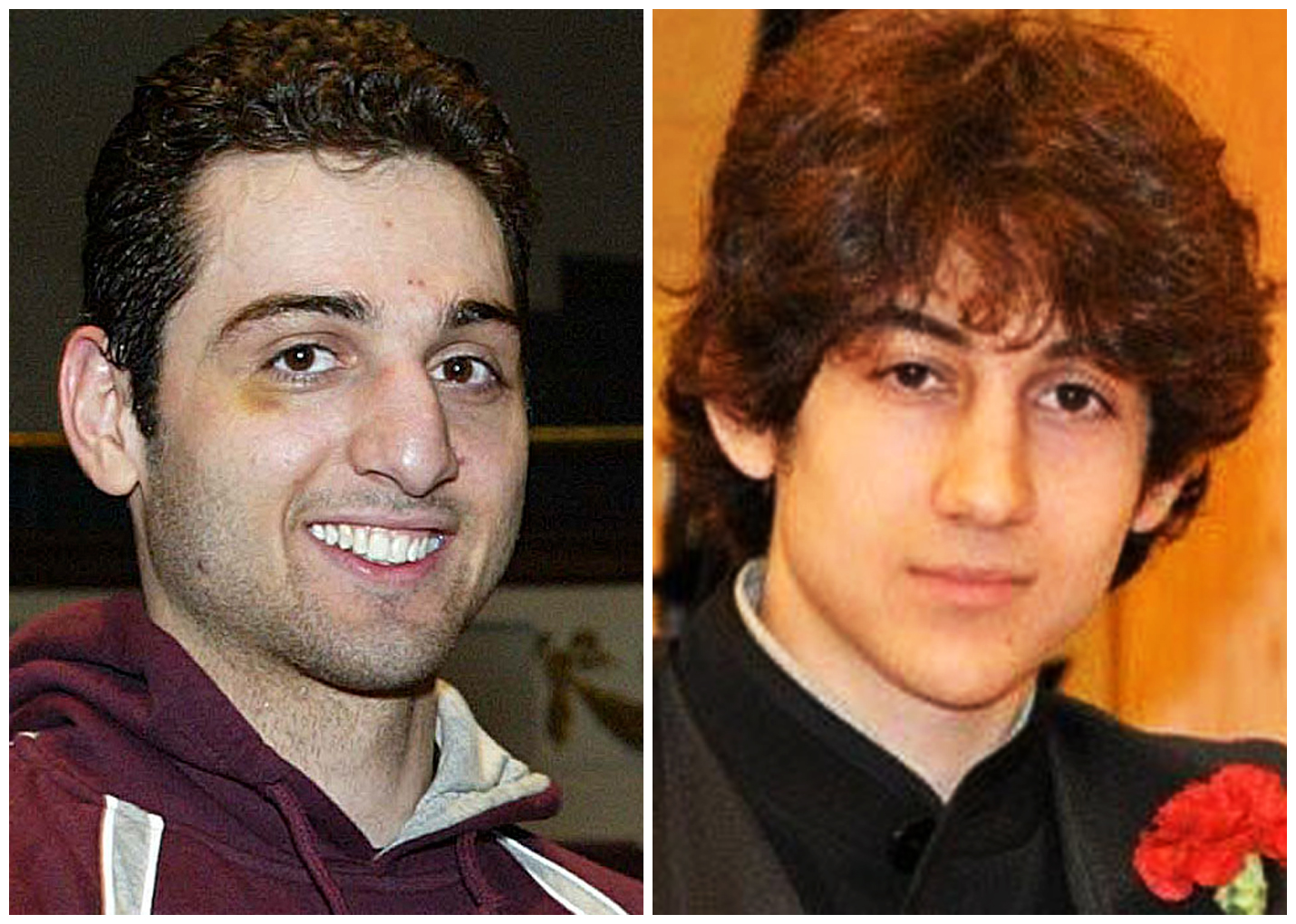
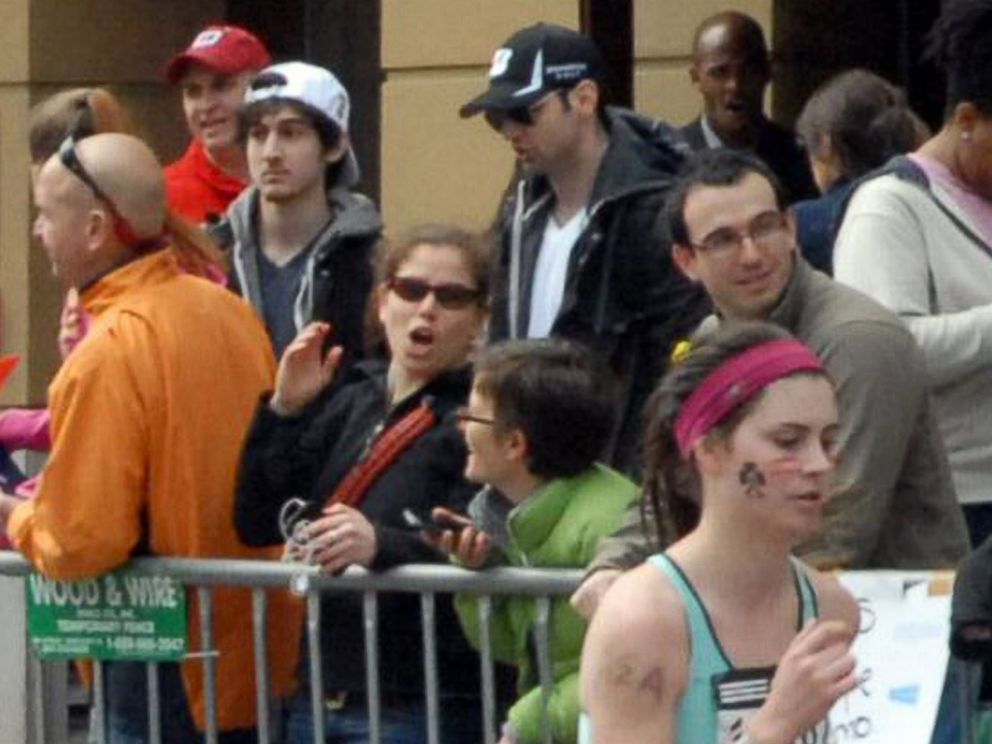
The FBI swiftly took charge of the investigation, deploying a vast array of resources, including hundreds of agents, forensic experts, and analysts. They meticulously combed through evidence from the blast sites, reviewed countless hours of surveillance footage from businesses and street cameras along the marathon route, and sifted through thousands of tips from the public. Within days, investigators released grainy images of two suspects captured on security cameras near the finish line. These images, showing two young men wearing baseball caps and carrying backpacks, were critical in narrowing down the search. The suspects were identified as brothers Tamerlan Tsarnaev and Dzhokhar Tsarnaev.
The Pursuit and Capture
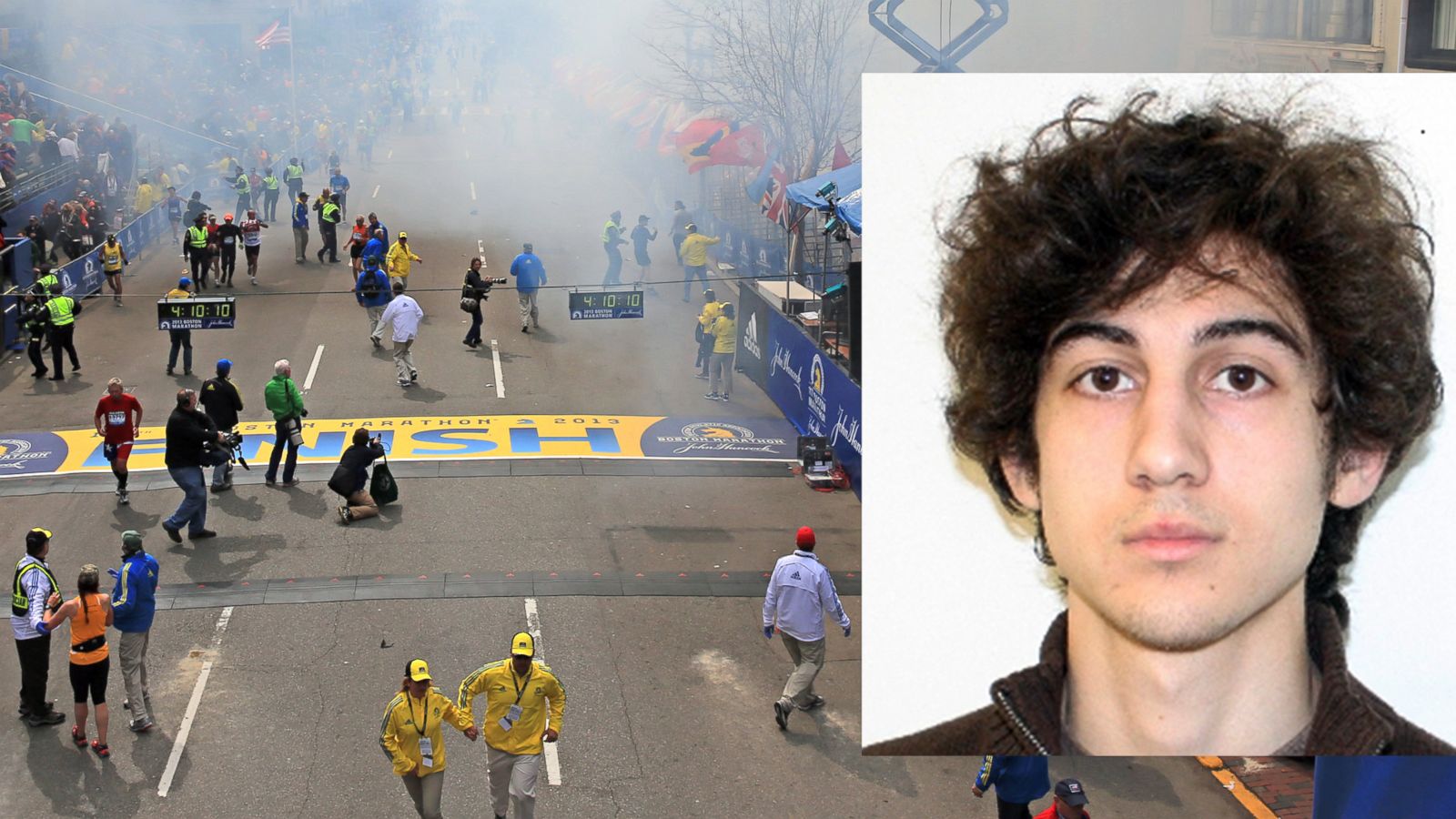
The manhunt intensified dramatically on the evening of April 18, when the Tsarnaev brothers murdered MIT Police Officer Sean Collier in Cambridge in an attempt to steal his firearm. This act escalated the situation from a bombing investigation to an active pursuit of armed and dangerous fugitives. Later that night, they carjacked a vehicle, which led to a violent confrontation with police in Watertown. During a fierce shootout, Tamerlan Tsarnaev was killed, and MBTA Transit Officer Richard Donohue was gravely wounded. Dzhokhar Tsarnaev managed to escape, triggering an unprecedented “shelter-in-place” order for the entire city of Boston and several surrounding communities. Public transportation was shut down, businesses closed, and streets became eerily deserted as residents hunkered down, gripped by fear and anticipation. The search for Dzhokhar Tsarnaev culminated on April 19, when he was discovered hiding in a boat in a backyard in Watertown. His capture brought a collective sigh of relief and an end to the terrifying ordeal. This five-day period is a testament to the dedication of law enforcement and the resilience of a city united in the face of fear, becoming another significant historical marker for Boston.
The Culprits and Their Motives
The capture of the Tsarnaev brothers revealed the identities of the perpetrators and brought the chilling realization that the attack was carried out by individuals who had lived within the very communities they targeted.
Tamerlan and Dzhokhar Tsarnaev
Tamerlan Tsarnaev (26 at the time of the attack) and his younger brother, Dzhokhar Tsarnaev (19), were ethnic Chechens who had immigrated to the United States with their family in the early 2000s, eventually settling in Cambridge, Massachusetts. While the exact motivations remain complex and debated, it was determined that the brothers were self-radicalized Islamists. Evidence presented during Dzhokhar Tsarnaev’s trial suggested they were influenced by extremist propaganda, particularly from figures like Anwar al-Awlaki, and sought to wage jihad against the United States in retribution for its actions against Muslim nations. The older brother, Tamerlan, appeared to be the primary instigator, guiding and influencing his younger brother.
Trial and Conviction
Dzhokhar Tsarnaev was tried in federal court and found guilty on all 30 counts against him, including conspiracy and use of a weapon of mass destruction resulting in death. The trial, held in Boston, was a deeply emotional and significant event for the victims, their families, and the city. In 2015, a jury sentenced Dzhokhar Tsarnaev to death, a sentence that has since faced appeals but remains in legal limbo. His conviction brought a measure of closure for many, solidifying the historical record of who perpetrated the horrific attack. The legal proceedings themselves became a historical document, preserving testimonies and evidence for future generations seeking to understand this event.
Boston’s Enduring Legacy: From Tragedy to Resilience
The Boston Marathon bombing stands as a profound historical moment, not just for the devastation it caused, but for the remarkable display of unity and resilience that followed. The city’s response forged a new chapter in its history, epitomized by the phrase “Boston Strong.”
The Spirit of “Boston Strong”
“Boston Strong” became more than just a slogan; it was a rallying cry, a testament to the city’s unwavering spirit and its refusal to be defined by fear. In the days, weeks, and years following the attack, Bostonians demonstrated incredible courage, compassion, and determination. Fundraising efforts, such as the One Fund Boston, raised millions of dollars to support victims and their families. Community events, memorials, and public gatherings continuously reinforced the message of solidarity and healing. The phrase has since been adopted globally as a symbol of resilience in the face of adversity, underscoring the universal human capacity for hope and recovery. The legacy of “Boston Strong” is now an integral part of Boston’s historical identity, remembered alongside its revolutionary past and its academic prowess.
Remembering and Moving Forward
Each year, on Marathon Monday, the city of Boston pauses to remember the victims and honor the survivors and first responders. The Boston Marathon itself has become a powerful symbol of defiance and determination, with increased security measures and an even stronger sense of community among participants and spectators. Memorials have been established on Boylston Street to commemorate Krystle Campbell, Lu Lingzi, and Martin Richard, ensuring their memory lives on as a permanent fixture in the city’s historical landscape. The historical event of “who bombed Boston” is not just a tale of terror, but a profound narrative of a city that faced an unimaginable tragedy and emerged with an even deeper sense of unity and purpose. It stands as a powerful historical landmark, illustrating how human spirit can overcome even the darkest acts, solidifying its place in the enduring story of Boston.
LifeOutOfTheBox is a participant in the Amazon Services LLC Associates Program, an affiliate advertising program designed to provide a means for sites to earn advertising fees by advertising and linking to Amazon.com. Amazon, the Amazon logo, AmazonSupply, and the AmazonSupply logo are trademarks of Amazon.com, Inc. or its affiliates. As an Amazon Associate we earn affiliate commissions from qualifying purchases.