
The world of professional sports, particularly the National Basketball Association (NBA), is often seen through the lens of star players, thrilling games, and championship glory. Yet, behind every iconic franchise lies a powerful ownership group, whose influence extends far beyond the hardwood court. The acquisition of a storied team like the Boston Celtics is not merely a business transaction; it’s an entry into an exclusive lifestyle, a strategic investment, and a significant contributor to local economies and global travel trends. For those fascinated by the intersection of high finance, luxury living, and impactful investments, understanding “who bought the Boston Celtics?” offers a captivating glimpse into the world of the ultra-wealthy and their expansive influence across industries, including hospitality, tourism, and real estate.
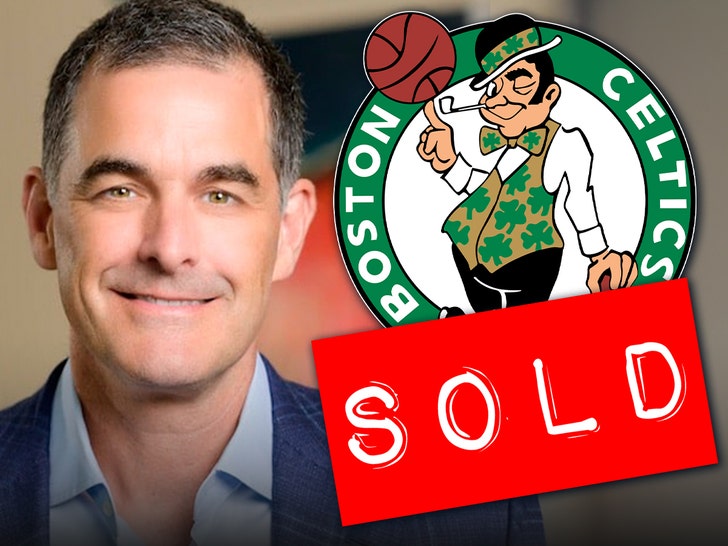
This article delves into the ownership of one of the NBA’s most revered teams, exploring the individuals and entities that steered its destiny since the early 2000s. More importantly, we’ll connect their world to the broader themes of travel, exquisite accommodation, vibrant tourism, iconic landmarks, and the unparalleled lifestyle that accompanies such significant ventures, painting a holistic picture that goes beyond mere sports statistics.
The Visionaries Behind the Dynasty: Boston Basketball Partners LLC
In 2002, a consortium of investors known as Boston Basketball Partners LLC acquired the Boston Celtics from then-owner Paul Gaston. This pivotal moment marked a new era for the franchise, eventually leading to its 17th NBA championship in 2008. The deal, valued at approximately $360 million at the time, was a testament to the enduring appeal and potential of one of sports’ most valuable brands. The key figures at the helm of Boston Basketball Partners LLC are co-managing partners Wyc Grousbeck and Stephen Pagliuca, alongside H. Irving Grousbeck, Wyc’s father, who is also a significant investor. Their collective vision wasn’t just about winning games; it was about building a sustainable, globally recognized sports enterprise that intertwined with their broader investment philosophies.
The Acquisition: A Strategic Move
The decision to invest in a major sports franchise like the Boston Celtics is rarely made in isolation. For Wyc Grousbeck, a venture capitalist with a keen eye for high-growth opportunities, and Stephen Pagliuca, a co-chairman of the private equity giant Bain Capital, the Celtics represented more than just a passion project. It was a strategic asset, capable of generating significant returns, enhancing personal and professional networks, and providing a platform for community engagement in a city with deep historical ties to sports. The acquisition process itself involved intricate financial negotiations, due diligence, and a comprehensive understanding of market dynamics, all hallmarks of high-stakes investments undertaken by individuals operating at the pinnacle of global finance.
The subsequent success of the Celtics under their ownership, both on the court and as a business entity, only solidified the wisdom of their investment. The value of the franchise has skyrocketed since 2002, reflecting not only wise management but also the increasing global appeal of basketball and the prestige associated with owning a piece of sporting history.
Beyond the Hardwood: Investment Portfolios and Global Reach
The individuals who own the Boston Celtics are not solely sports team proprietors. Their primary careers and investment portfolios span a vast array of industries, demonstrating a global reach that often touches upon the very themes of this website. Stephen Pagliuca’s role at Bain Capital, for example, places him at the center of a colossal investment firm with stakes in companies across technology, healthcare, retail, and crucially for our discussion, hospitality and travel. While direct ownership of a specific luxury resort by the Celtics ownership group might not be public knowledge, it is highly plausible that their investment vehicles hold shares or full ownership in various hotel chains, travel technology companies, or premium accommodation providers worldwide.
These extensive business interests mean that the owners are, by necessity, global travelers. Their itineraries likely involve trips to financial hubs like London, Hong Kong, or Dubai for business meetings, interwoven with leisure travel to exclusive destinations. This creates a fascinating nexus between their professional commitments and a lifestyle synonymous with premium travel experiences, from staying in opulent suites at Four Seasons Hotels and Resorts to utilizing private aviation for seamless transit across continents. The ownership of a major sports team, therefore, acts as a prominent jewel in a much larger, globally interconnected crown of investments and influence.
The Lifestyle of Elite Ownership: Travel, Luxury, and Philanthropy
Owning an NBA team is a statement of immense wealth and influence, affording a lifestyle characterized by unparalleled access, comfort, and bespoke experiences. It’s a world where travel is not merely a means to an end but an intrinsic part of daily life, often blending business with leisure in the most exquisite ways.
Curating Experiences: From Private Jets to Luxury Resorts
The logistical demands of managing a professional sports team, coupled with global business interests, necessitate efficient and comfortable travel. For individuals like Wyc Grousbeck and Stephen Pagliuca, this often means eschewing commercial flights for private aviation. Services like NetJets or wholly-owned private aircraft become standard, offering unparalleled flexibility, privacy, and speed. Imagine flying directly to a game in Los Angeles or Miami in a luxurious cabin, then transitioning seamlessly to a meeting, or perhaps a private dinner overlooking the ocean, all without the queues and inconveniences of commercial travel.
Accommodation choices reflect a similar standard of excellence. When traveling with the team or for personal engagements, the owners and their families gravitate towards the world’s most prestigious hotels. Whether it’s a penthouse suite at The Ritz-Carlton in San Francisco, a lavish executive apartment at a Mandarin Oriental property in New York City, or an entire villa at a secluded luxury resort in Maui, the emphasis is always on discretion, impeccable service, and amenities that cater to every whim. These are not just places to sleep; they are extensions of their luxurious homes, offering personalized concierge services, private chefs, and exclusive access to facilities.
Beyond business and team commitments, personal leisure travel takes them to the most coveted corners of the globe. From the pristine beaches and vibrant nightlife of St. Barts to the breathtaking coastal vistas of the Amalfi Coast in Italy, or perhaps an adventurous, curated safari experience in Africa, their travels are often bespoke, meticulously planned by elite travel advisors, and designed to create unforgettable experiences that only a select few can access.

Boston as a Hub for High-Net-Worth Individuals
The city of Boston itself serves as a crucial hub for these high-net-worth individuals, not just as the home of their team but as a world-class city offering a sophisticated lifestyle. Boston’s unique blend of historical significance, intellectual prowess (home to institutions like Harvard University and MIT), thriving cultural scene, and burgeoning culinary landscape makes it an attractive place for both residence and extensive visits.
Affluent residents and visitors alike are drawn to upscale neighborhoods such as Beacon Hill with its charming cobblestone streets and elegant brownstones, or the stately Victorian homes of Back Bay. The city boasts an array of luxury hotels catering to this elite clientele, including the Four Seasons Hotel Boston overlooking the Public Garden, The Langham Boston with its opulent heritage, and the contemporary elegance of The Whitney Hotel. These establishments provide not just accommodation but an entire ecosystem of amenities, from world-class dining and exclusive spas to personalized concierge services, ensuring a seamless and luxurious experience for discerning guests. For the owners of the Celtics, Boston is more than just a place of business; it’s a cultural cornerstone that complements their discerning tastes and demanding lifestyles.
Boston’s Enduring Appeal: Sports, Tourism, and Economic Impact
The ownership of a team like the Boston Celtics has a profound ripple effect on the city, contributing significantly to its tourism, economy, and overall global appeal. Boston is already a magnet for tourists due to its rich history and vibrant culture, but professional sports amplify this draw exponentially.
TD Garden and the Fan Experience
The home arena of the Boston Celtics and Boston Bruins, TD Garden, is a landmark in its own right. More than just a venue for games, it’s an entertainment complex that draws hundreds of thousands of visitors annually. For fans, attending a Celtics game is an immersive experience, especially for those who splurge on premium seating, including luxury suites and club access. These high-end options offer private dining, dedicated service, and exclusive vantage points, catering to corporations and affluent individuals seeking unique hospitality experiences.
Sports tourism is a powerful engine, and the Celtics play a crucial role. Fans from across the United States and indeed, the world, travel to Boston to witness games, particularly during the playoffs or against rival teams. This influx of visitors directly benefits local hotels, restaurants, shops, and transportation services, contributing millions to the city’s economy each season. The owners, by investing in the team and the fan experience, are indirectly investing in Boston’s broader tourism sector.
Exploring Boston: Beyond the Game
A trip to Boston for a Celtics game is often just one part of a larger travel itinerary. Visitors are eager to explore the city’s myriad attractions, which perfectly align with a travel and lifestyle website’s interests. The iconic Freedom Trail offers a walking tour through American history, connecting landmarks like Faneuil Hall, the Old North Church, and the Paul Revere House. Faneuil Hall Marketplace, a vibrant hub of shops, eateries, and street performers, provides a lively cultural experience.
Beyond history, Boston boasts world-class museums such as the Museum of Fine Arts and the Isabella Stewart Gardner Museum, as well as family-friendly attractions like the New England Aquarium. The city’s culinary scene is a draw in itself, renowned for its fresh seafood, particularly clam chowder and lobster, alongside an impressive array of fine dining establishments that cater to every palate.
From boutique hotels in historic districts to grand establishments offering panoramic city views, Boston provides a diverse range of accommodation options. For those seeking premium experiences, the city’s luxury accommodations ensure that a visit is not just memorable but truly indulgent, enhancing the overall tourism experience and showcasing Boston’s capacity as a top-tier global destination.

The Global Interconnectedness of Sports and Hospitality
The story of “who bought the Boston Celtics?” transcends a simple ownership transfer; it illustrates the deep interconnectedness between the world of elite sports, global finance, and the luxury travel and hospitality sectors. Modern sports team ownership is rarely a static, local endeavor. It involves a global mindset, from scouting international talent to engaging with a worldwide fan base through media rights and merchandising. This global reach directly impacts travel, as players, coaches, and executives constantly move between cities and countries.
Moreover, the owners themselves, being titans of industry, often bridge these worlds. Their investment portfolios might include stakes in airline companies, hotel groups, cruise lines, or destination development projects. This means their strategic decisions in one domain, such as sports, can indirectly influence or be influenced by their investments in tourism and accommodation. The drive for excellence and the pursuit of premium experiences are common threads that run through both sports ownership and high-end travel.
The visibility and prestige associated with owning a team like the Boston Celtics also create unique opportunities for networking and philanthropic endeavors, often facilitated by international travel and hosted in luxurious settings. Charity galas, exclusive conferences, and high-profile meetings frequently take place in world-class hotels and resorts, bringing together influential figures from diverse backgrounds, further blurring the lines between business, leisure, and impact.
In essence, the individuals who bought and continue to own the Boston Celtics are not just stewards of a basketball franchise; they are key players in a global ecosystem that drives economic growth, fosters cultural exchange, and continually redefines the benchmarks for luxury, travel, and lifestyle experiences. Their journey underscores how deeply intertwined the pursuits of sports excellence, financial acumen, and an enriched global lifestyle truly are. Their influence helps to shape not only the future of a beloved basketball team but also contributes to the vibrant tapestry of travel and tourism worldwide, always seeking out the best that life has to offer, both on and off the court.
LifeOutOfTheBox is a participant in the Amazon Services LLC Associates Program, an affiliate advertising program designed to provide a means for sites to earn advertising fees by advertising and linking to Amazon.com. Amazon, the Amazon logo, AmazonSupply, and the AmazonSupply logo are trademarks of Amazon.com, Inc. or its affiliates. As an Amazon Associate we earn affiliate commissions from qualifying purchases.