
Florida, the Sunshine State, beckons millions with its vibrant cities, pristine beaches, and endless recreational opportunities. Whether you’re dreaming of a budget-friendly long-term stay, planning an extended family trip, or even contemplating a permanent move to embrace a new lifestyle, understanding the practicalities of living here is paramount. High on that list of considerations is healthcare. While many associate Florida with luxury resorts and exciting attractions, for a significant portion of its residents and those aspiring to call it home, access to affordable medical care is a cornerstone of a stable and healthy lifestyle. This is where Medicaid, a vital state and federal program, comes into play. For many, understanding “Who Can Get Medicaid In Florida?” is not just about policy; it’s about securing peace of mind and ensuring their chosen Florida lifestyle is sustainable and resilient.
This guide aims to demystify Medicaid eligibility in Florida, framing it within the context of various lifestyles. From budget-conscious families to individuals with specific health needs, knowing the pathways to affordable healthcare can be a game-changer for anyone building a life, temporary or permanent, in this dynamic state.
Florida’s Allure and the Importance of Healthcare Planning
The draw of Florida is undeniable. From the bustling metropolis of Miami to the family-friendly theme parks of Orlando, and the serene Gulf Coast beaches, it offers a diverse tapestry of experiences and living environments. People come seeking sunshine, retirement, career opportunities, or simply a change of pace. However, behind every idyllic Florida dream lies the practical necessity of planning, especially concerning health.
For those engaging in a budget-conscious lifestyle, whether as long-term visitors or new residents, the cost of healthcare can be a significant concern. Uninsured medical emergencies can quickly derail financial stability and impact quality of life. Similarly, families moving to Florida need assurances that their children and pregnant members will have access to necessary medical services. Understanding programs like Medicaid becomes a critical part of comprehensive lifestyle planning, ensuring that the dream of Florida living doesn’t come with undue health-related anxieties.
Sunshine State Dreams and Practicalities
Envisioning a life in Florida often conjures images of leisure and relaxation. However, reality dictates that even paradise comes with its practicalities. For many, a sustainable Florida lifestyle involves careful budgeting and resource management. Healthcare costs, particularly without adequate insurance, can be unpredictable and exorbitant. This is especially true for individuals and families who are self-employed, working in seasonal industries, or on fixed incomes. Knowing the existence and eligibility requirements of Medicaid provides a crucial safety net, allowing individuals to pursue their lifestyle goals without the constant worry of medical bills. It enables them to budget more effectively for other aspects of their Florida experience, from housing to leisure activities, rather than hoarding funds for potential health crises.
The Role of Affordable Healthcare in Long-Term Stays
Whether you’re a snowbird extending your stay beyond the typical vacation, a digital nomad considering a longer residency, or a family relocating for work, the duration of your time in Florida directly impacts your healthcare needs. Short-term travel insurance might suffice for a brief visit, but for months or years, a more robust and sustainable solution is required. This is where Medicaid can bridge a critical gap. For those whose chosen lifestyle involves extended periods in Florida and whose income falls within specific thresholds, Medicaid offers comprehensive health coverage that can make long-term living not just feasible, but genuinely secure. It eliminates the need to constantly re-evaluate health insurance options, allowing individuals and families to focus on integrating into their new community and enjoying their chosen Florida lifestyle without a recurring healthcare burden.
Understanding Medicaid: A Safety Net for Specific Lifestyles
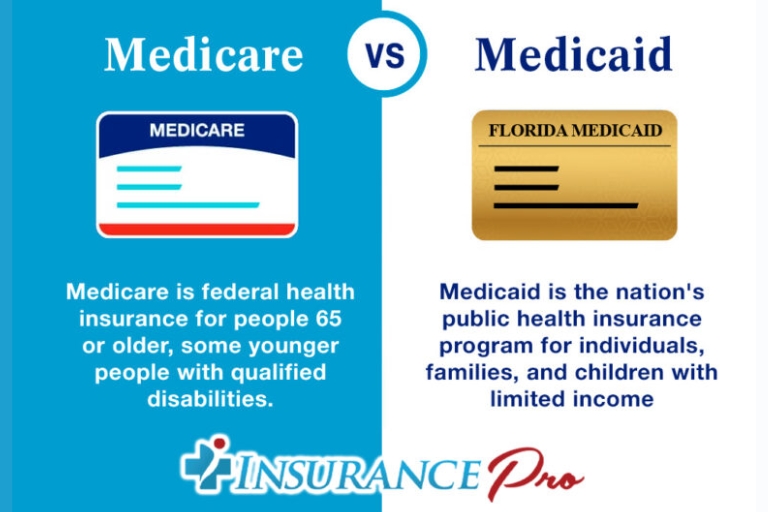
Medicaid in Florida is a joint federal and state program that provides healthcare coverage to eligible low-income adults, children, pregnant women, elderly adults, and people with disabilities. Unlike some states, Florida has not expanded its Medicaid program under the Affordable Care Act, meaning eligibility criteria remain relatively strict and primarily focused on specific categories of individuals rather than solely on income for all adults. For certain lifestyles – particularly those characterized by limited income, specific health challenges, or a commitment to family well-being – understanding and accessing Medicaid can be foundational. It represents more than just insurance; it’s a critical support system that allows individuals and families to maintain their chosen quality of life without sacrificing their health or financial stability.
Key Eligibility Pathways for Residents
The pathways to Medicaid eligibility in Florida are category-based, meaning you generally need to fall into one of the designated groups to qualify, in addition to meeting income and residency requirements. For new residents or those planning long-term stays, identifying which category applies to their specific lifestyle is the first step.
- Children and Pregnant Women: This is one of the broadest eligibility categories. Most children under 19 and pregnant women whose family income is at or below a certain percentage of the Federal Poverty Level (FPL) are eligible. For families embracing a Florida lifestyle, this provides essential coverage for their youngest members and ensures maternal health.
- Parents/Caretaker Relatives: Adults who are parents or caretaker relatives of children under 18 (or 18 and a full-time student) may qualify if their income is very low. This supports family-oriented lifestyles where a primary caregiver is present.
- Individuals with Disabilities: People who are certified as disabled by the Social Security Administration or the state of Florida and meet income and resource limits are often eligible. This is crucial for individuals with chronic conditions or disabilities seeking a stable life in Florida.
- Elderly Adults (65 and Older): Seniors who meet specific income and resource requirements can qualify for Medicaid, often to cover costs not covered by Medicare, such as long-term care services. For those envisioning a retirement lifestyle in Florida, this provides essential support.
- Former Foster Care Individuals: Young adults who were in foster care at age 18 or older may be eligible until they turn 26.
It’s important to remember that general healthy adults without children or a qualifying disability typically do not qualify for Medicaid in Florida, regardless of their low income, due to the state’s non-expansion status. This is a critical factor for single adults or couples without dependents to consider when planning their Florida lifestyle.
Navigating Income and Household Requirements
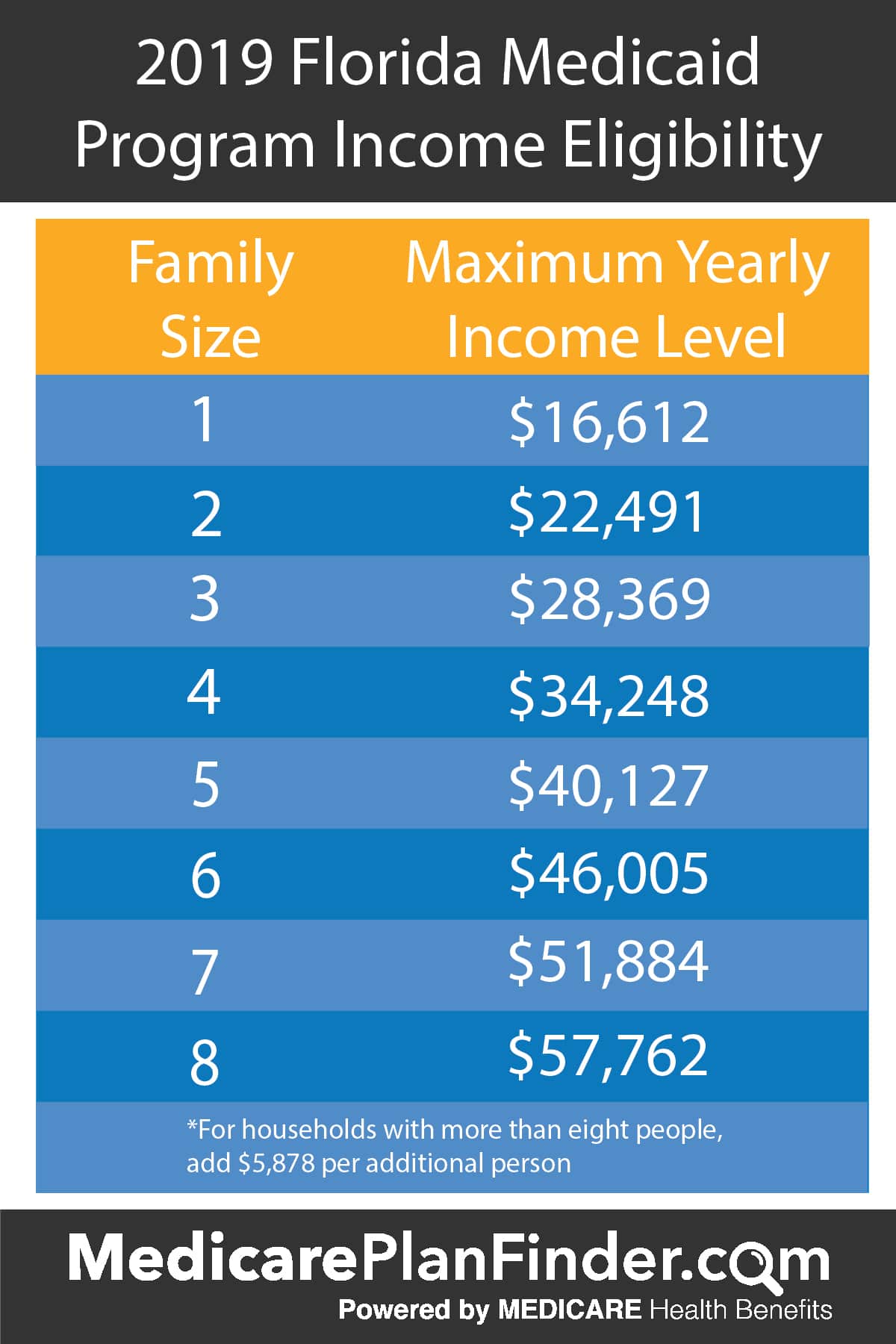
Beyond fitting into one of the specific categories, income and household size are primary determinants for Medicaid eligibility in Florida. These limits are tied to the Federal Poverty Level (FPL), which is updated annually. The exact percentages of the FPL vary significantly depending on the eligibility group. For instance, children and pregnant women typically have higher income thresholds than parents or caretaker relatives.
To determine if your lifestyle fits the financial criteria, you’ll need to accurately report your household income, including wages, self-employment income, Social Security benefits, and certain other sources. For those pursuing a budget-conscious lifestyle, whether as seasonal workers, artists, or remote employees with variable income, understanding how these figures are calculated is key. Florida also considers certain assets (resources) for some eligibility groups, particularly for the elderly and disabled, though not typically for children or pregnant women.

Careful documentation of income and household composition is vital. Many lifestyle choices, such as living with extended family or having fluctuating income from contract work, can impact these calculations. Consulting the Florida Department of Children and Families (DCF) website or a local community health organization can provide the most current and specific income guidelines relevant to your unique lifestyle circumstances.
Medicaid for Families, Children, and Special Considerations
For many, a Florida lifestyle is synonymous with family. Whether it’s raising young children amidst the vibrant culture or ensuring the well-being of a pregnant spouse, accessible healthcare for every family member is a top priority. Florida’s Medicaid program, alongside the Children’s Health Insurance Program (CHIP), is particularly robust in supporting these family-centric lifestyles, providing essential services that safeguard the health of the state’s youngest and most vulnerable residents.
Supporting Family Lifestyles with Healthcare
For families looking to establish or maintain a life in Florida, understanding the breadth of coverage for children and pregnant women is crucial. Medicaid provides comprehensive benefits for eligible children, including doctor visits, immunizations, dental care, vision services, prescription medications, and hospital stays. This ensures that children can grow up healthy, attend school, and participate fully in their Florida community without health barriers. For parents managing a family budget, this coverage significantly reduces out-of-pocket medical expenses, allowing resources to be allocated to education, housing, and enriching family experiences.
Similarly, pregnant women can receive extensive prenatal, delivery, and postpartum care through Medicaid. This critical support helps ensure healthy outcomes for both mother and baby, which is a cornerstone of any stable family lifestyle. Knowing that these essential services are covered removes a substantial financial burden and allows expectant parents to focus on preparing for their new arrival.
Specific Programs for Vulnerable Populations
Beyond children and pregnant women, Florida Medicaid extends its safety net to other vulnerable populations whose unique circumstances necessitate dedicated healthcare support.
- Individuals with Disabilities: For those whose lifestyle involves managing a disability, Medicaid can offer vital assistance. This often includes coverage for home and community-based services (HCBS) that allow individuals to live independently rather than in institutional settings, greatly enhancing their quality of life. Services can range from personal care assistance to therapy and specialized equipment, making a self-directed lifestyle in Florida achievable.
- Elderly and Long-Term Care: As Florida is a popular retirement destination, the needs of its elderly population are significant. Medicaid plays a crucial role in covering long-term care services for eligible seniors, including nursing home care, assisted living facilities, and in-home care. For those planning their retirement lifestyle in Florida, understanding how Medicaid can supplement Medicare and cover these extensive costs is paramount for financial security and dignified aging.
- Medically Needy Program: Florida also has a “Medically Needy” program for individuals who meet certain criteria but have incomes that are too high for regular Medicaid. If their medical bills reduce their income below a specific threshold (their “share of cost”), they can qualify for Medicaid assistance for the remainder of their medical expenses. This program provides a crucial lifeline for those facing significant healthcare costs, helping to prevent medical debt from crippling their Florida lifestyle.
These specialized programs underscore Medicaid’s role not just as basic health insurance, but as a comprehensive support system tailored to the diverse health and lifestyle needs of Florida’s residents.
Beyond Eligibility: Applying and Maintaining Coverage While Living in Florida
Understanding who can get Medicaid is just the first step. For those planning a long-term Florida lifestyle, navigating the application process and maintaining eligibility are equally important. The system requires attention to detail and consistent updates to ensure continuous coverage. This administrative aspect, while seemingly mundane, is integral to securing the healthcare foundation for your chosen lifestyle in the Sunshine State.
The Application Journey for Newcomers
Applying for Medicaid in Florida can be done online through the Florida Department of Children and Families (DCF) website, by mail, or in person at a local DCF service center. For newcomers or those unfamiliar with government assistance programs, the process can seem daunting. It requires submitting documentation to verify identity, residency, income, household size, and any qualifying conditions (like pregnancy or disability).
- Documentation is Key: Prepare documents such as birth certificates, Social Security cards, proof of Florida residency (e.g., utility bills, lease agreements), income statements (pay stubs, tax returns), and medical records if applying for disability-related Medicaid.
- Online Application: The online portal is often the most convenient method, allowing applicants to upload documents directly and track the status of their application.
- Assistance Available: Many community organizations and local health clinics offer free assistance with Medicaid applications. This can be invaluable for individuals who may have language barriers, limited computer access, or complex financial situations. Engaging with these resources can streamline the process and reduce stress, helping you settle into your Florida lifestyle more smoothly.
Staying Covered: Keeping Your Florida Lifestyle Secure
Once approved, maintaining Medicaid coverage requires ongoing attention. Eligibility is typically reviewed annually, and recipients are responsible for reporting any changes in their income, household size, or residency status.
- Annual Renewals: Be proactive about responding to renewal notices from the DCF. Missing deadlines or failing to provide updated information can lead to a lapse in coverage.
- Reporting Changes: If your lifestyle changes – for example, you get a new job with a higher income, your household size changes, or your medical condition improves – you must report these changes to the DCF promptly. Failure to do so could result in you receiving benefits you are not eligible for, leading to penalties.
- Understanding Your Benefits: Familiarize yourself with the services covered by your specific Medicaid plan. This empowers you to utilize your benefits effectively and make informed healthcare choices that support your desired Florida lifestyle.
For those whose Florida lifestyle depends on Medicaid, staying informed and proactive about administrative requirements is just as important as meeting the initial eligibility criteria. It ensures that healthcare remains a reliable pillar of their life in the Sunshine State, rather than a source of continuous worry.
In conclusion, “Who Can Get Medicaid In Florida?” is a question with layered answers, deeply intertwined with the diverse lifestyles residents and long-term visitors pursue. While Florida’s specific eligibility rules mean it’s not a universal safety net, for budget-conscious families, individuals with disabilities, pregnant women, children, and eligible seniors, Medicaid offers a crucial pathway to affordable and comprehensive healthcare. For anyone planning to embrace the Florida lifestyle, understanding these provisions is an essential step in securing both their health and their financial future in this vibrant state.
LifeOutOfTheBox is a participant in the Amazon Services LLC Associates Program, an affiliate advertising program designed to provide a means for sites to earn advertising fees by advertising and linking to Amazon.com. Amazon, the Amazon logo, AmazonSupply, and the AmazonSupply logo are trademarks of Amazon.com, Inc. or its affiliates. As an Amazon Associate we earn affiliate commissions from qualifying purchases.