
The Hawaiian Islands, a breathtaking archipelago in the heart of the Pacific Ocean, are renowned for their stunning volcanic landscapes, pristine beaches, and vibrant Polynesian culture. For many travelers, a visit to Hawaii conjures images of surfing legendary waves, relaxing in luxurious resorts, and experiencing the spirit of Aloha. However, understanding the history of Hawaii also involves delving into its complex colonial past, a narrative that profoundly shaped the islands and their people. The question “Who Colonized Hawaii?” leads us to a story of arrival, influence, and transformation, involving multiple groups over centuries, with the United States ultimately establishing firm control.

While the popular image of colonization often brings to mind a single, dominant power, the Hawaiian Islands experienced a layered history of interaction and influence. The initial colonization, in the most fundamental sense of the word, was undertaken by the seafaring Polynesians who navigated across vast stretches of the Pacific Ocean to settle these remote islands. Later, European and American contact brought new waves of influence, trade, and ultimately, political and economic subjugation. The story is not one of a simple takeover, but a gradual process of integration and assimilation into foreign powers, driven by economic interests and geopolitical ambitions.
The narrative of Hawaii’s colonization is a crucial element for anyone seeking to understand the local culture, history, and the unique identity of this island paradise. For tourists looking to connect with the islands beyond the typical travel experiences, exploring this historical context enriches their journey. It provides a deeper appreciation for the resilience of the Native Hawaiian people and the enduring legacy of their traditions. This exploration also sheds light on the development of Hawaii’s economy, its social structures, and the very fabric of the accommodations and attractions that draw visitors from around the globe.
The First Settlers: Polynesian Navigation and Settlement
The initial “colonization” of Hawaii was a monumental feat of human exploration and ingenuity, undertaken by skilled Polynesian navigators. These intrepid seafarers, originating from lands likely in the Marquesas Islands, began settling Hawaii around 300-500 CE. Their arrival marked the first human presence on these islands, establishing a unique and thriving culture that would flourish for centuries.
These early Polynesians were master astronomers and navigators, using the stars, ocean currents, and bird migrations to chart their courses across thousands of miles of open ocean. Their voyaging canoes, some carrying extended families and essential supplies, represented sophisticated engineering for their time. Upon reaching Hawaii, they found a land rich in resources, with fertile volcanic soil, abundant marine life, and diverse ecosystems.
The Polynesians brought with them not only their people but also their culture, language, food, and traditions. They developed a complex social structure, known as the kapu system, which governed daily life and maintained social order. They cultivated staple crops like taro and sweet potatoes, raised pigs and chickens, and expertly fished the surrounding waters. Their architecture, exemplified by hale (houses) and heiau (temples), reflected their deep connection to the land and their spiritual beliefs.
Over generations, the Polynesian population grew and diversified, adapting to the unique environments of each island. They developed distinct dialects and cultural practices, yet maintained a shared sense of Polynesian identity. This period of self-governance and cultural development laid the foundation for the Hawaiian Kingdom that would later emerge. The Polynesians were the original stewards of these islands, shaping them into a rich and vibrant homeland long before any outside powers arrived. Their legacy is still palpable today, evident in Hawaiian language, customs, food, and the deep respect for ‘āina (land) that permeates local culture.
European Encounters and Early Western Influence
The arrival of Europeans marked a significant turning point in Hawaiian history, initiating a period of increasing external contact and influence. In 1778, Captain James Cook, an English explorer, made landfall on the island of Kauai, becoming the first recorded European to reach the archipelago. He named the islands the Sandwich Islands in honor of his patron, the Earl of Sandwich.
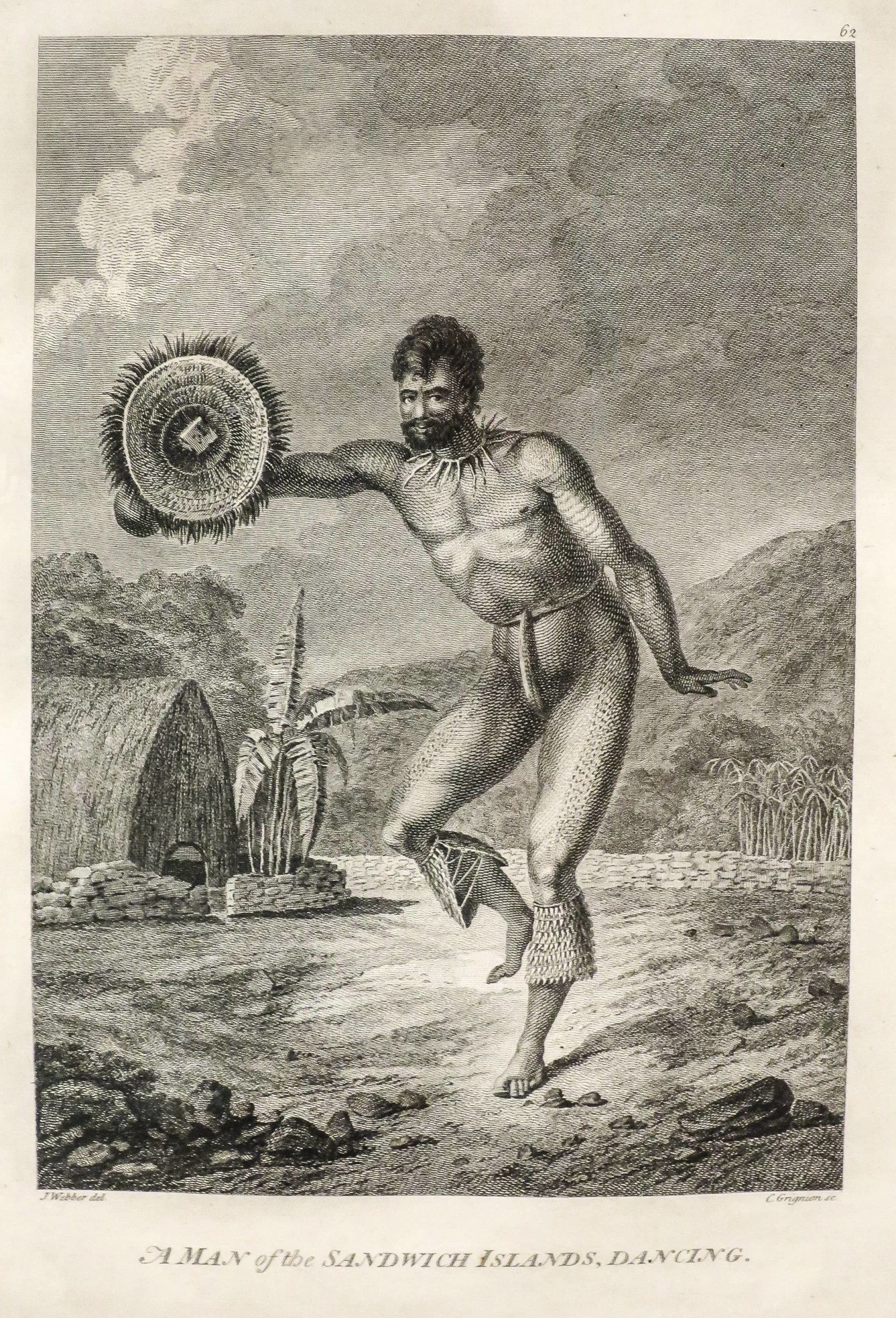
Cook’s arrival was met with a mixture of curiosity and apprehension by the Native Hawaiians. While initially engaging in trade, interactions soon became more complex, marked by misunderstandings and escalating tensions. Tragically, Captain Cook himself was killed in a skirmish with Hawaiians in 1779 at Kealakekua Bay.
Following Cook’s voyage, other European explorers and traders began to visit Hawaii, drawn by its strategic location in the Pacific and its abundant resources, particularly sandalwood. Missionaries, primarily from New England, arrived in the early 19th century, driven by a desire to convert the Native Hawaiians to Christianity. These missionaries played a dual role: they introduced literacy and Western education, but also exerted significant cultural and social influence, leading to changes in traditional beliefs and practices.
This era also saw the gradual rise of a unified Hawaiian Kingdom under leaders like King Kamehameha I. He skillfully leveraged Western technology, including firearms, to consolidate power and unite the islands under a single monarch. The establishment of a monarchy, while an internal achievement, also coincided with increasing pressure and interest from foreign powers, including the United States, Great Britain, and France.
The introduction of Western diseases, to which Native Hawaiians had no immunity, had a devastating impact, drastically reducing the population. Furthermore, economic interests, particularly in the lucrative whaling industry and later in the burgeoning sugar plantations, began to draw Hawaii deeper into the global economy, laying the groundwork for future political and economic entanglements. The seeds of colonization, though not yet in the form of direct political control, were being sown through trade, cultural exchange, and increasing foreign presence.
American Expansionism and the Annexation of Hawaii
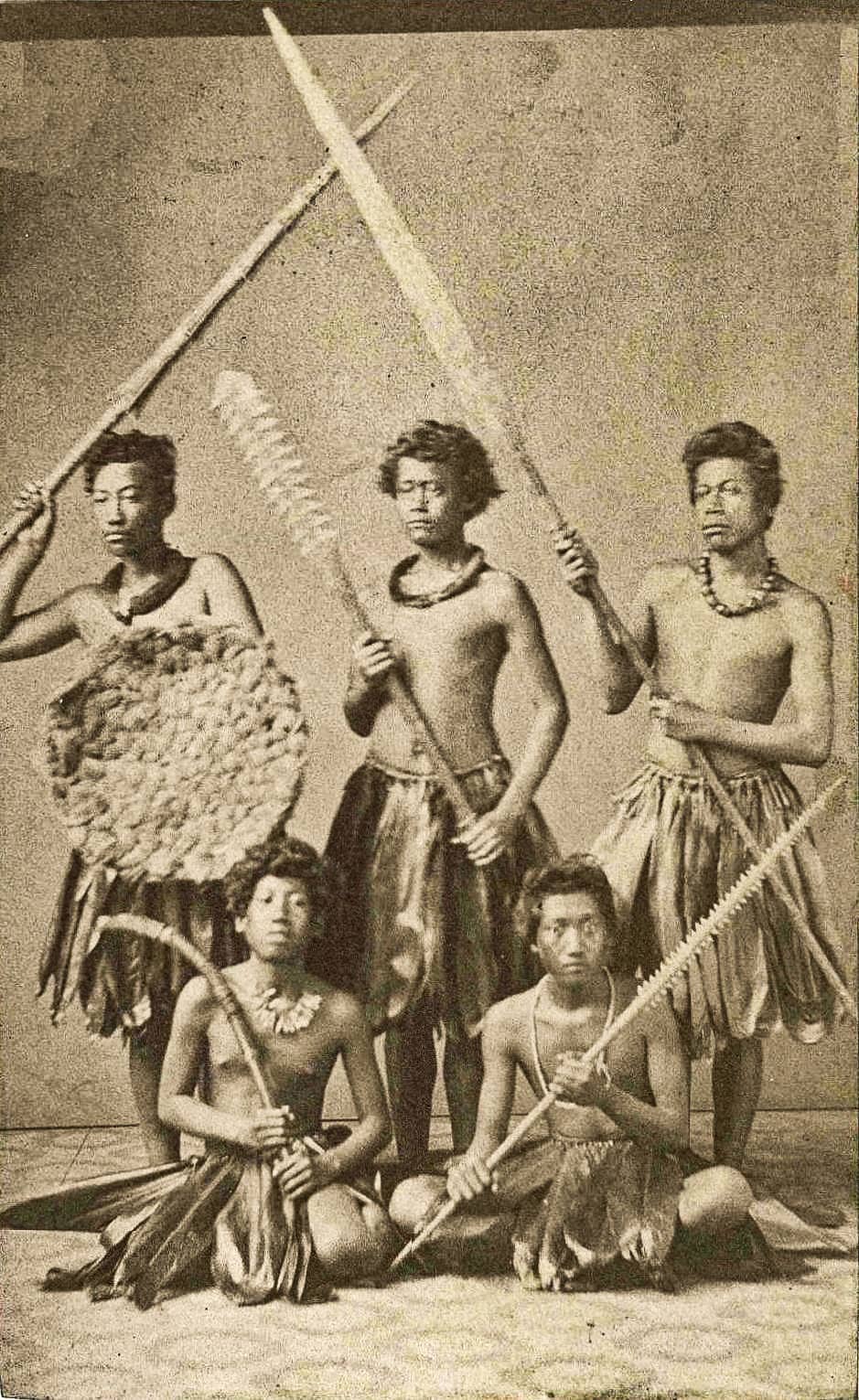
The 19th century witnessed a growing American presence in Hawaii, driven by economic aspirations and the expansionist policies of the United States. American businessmen established vast sugar plantations, which became the backbone of Hawaii’s economy. This economic dominance led to significant political influence, with American stakeholders advocating for closer ties with the United States.
The Hawaiian Kingdom, while increasingly reliant on American trade and investment, strove to maintain its sovereignty. However, internal political instability, exacerbated by foreign pressures, began to erode its independence. The Bayonet Constitution of 1887, imposed upon King Kalākaua under threat of force by American and European business interests, significantly curtailed the monarch’s power and disenfranchised many Native Hawaiians.
The pivotal moment in Hawaii’s colonization by the United States occurred in 1893. A group of American and European businessmen, with the support of the U.S. Minister to Hawaii, orchestrated a coup d’état that overthrew Queen Liliuokalani, the last reigning monarch of Hawaii. The Queen was forced to abdicate to avoid bloodshed.
Following the overthrow, a provisional government was established, led by Sanford B. Dole, a haole (foreigner) born in Hawaii who was a prominent figure in the sugar industry. Their immediate goal was annexation by the United States. While an initial annexation treaty in 1893 failed to pass the U.S. Senate, annexation was eventually achieved in 1898, during the Spanish-American War, under President William McKinley.
Hawaii was initially organized as a territory of the United States in 1900. This marked the official end of Hawaiian sovereignty and the beginning of direct American rule. The economic and political landscape of the islands was irrevocably altered, with American laws and governance taking precedence.
The period of U.S. territorial status saw further demographic shifts, with large numbers of laborers brought from Asia, including China, Japan, and the Philippines, to work on the plantations. This led to the creation of Hawaii’s multi-ethnic society, a characteristic that defines it to this day. The U.S. military also established a significant presence, particularly after the attack on Pearl Harbor in 1941, which brought Hawaii to the forefront of World War II.
Finally, in 1959, Hawaii achieved statehood, becoming the 50th state of the United States. While this marked a new phase of political integration, the legacy of colonization, including the dispossession of Native Hawaiian lands and the impact on Kama’āina (native-born) culture, continues to be a significant part of Hawaii’s contemporary identity and a subject of ongoing discourse and efforts towards cultural preservation and self-determination. Understanding this complex history is vital for appreciating the destination beyond its surface allure.
LifeOutOfTheBox is a participant in the Amazon Services LLC Associates Program, an affiliate advertising program designed to provide a means for sites to earn advertising fees by advertising and linking to Amazon.com. Amazon, the Amazon logo, AmazonSupply, and the AmazonSupply logo are trademarks of Amazon.com, Inc. or its affiliates. As an Amazon Associate we earn affiliate commissions from qualifying purchases.