
The verdant expanse of Central Park stands as a monumental achievement in urban planning and landscape architecture, a testament to visionary design that has shaped the identity of New York City. Far from being a natural occurrence, this iconic park is the deliberate creation of brilliant minds who sought to provide a sanctuary of nature amidst the burgeoning metropolis. The story of its design is one of fierce competition, innovative thinking, and a profound understanding of how natural landscapes could elevate the human spirit and urban living.
The Genesis of a Grand Vision
The mid-19th century witnessed New York City rapidly expanding, its streets becoming increasingly congested and its citizens yearning for respite from the relentless urban grind. Recognizing this pressing need, the city’s authorities proposed the creation of a large public park, a “breathing space” that would offer recreation, aesthetic beauty, and a vital connection to nature. This ambitious undertaking was not without its challenges. The chosen site, a roughly triangular area spanning 843 acres in the heart of Manhattan, was a disparate collection of swamps, rocky outcrops, and existing communities, some of which, like the Seneca Village, would be displaced to make way for the park.

In 1857, a park commission was established to solicit designs for this monumental project. A competition was announced, inviting landscape architects and architects from across the nation to submit their proposals. The objective was to transform this raw, unappealing land into a harmonious and functional public space that would serve the diverse needs of the city’s population. The competition was intense, drawing numerous entries, each offering a unique perspective on how to harness the potential of the site.
The Winning Design: Olmsted and Vaux
Emerging victorious from this competitive field was the visionary “Greensward Plan,” submitted by Frederick Law Olmsted and Calvert Vaux. Their design was not merely a collection of trees and paths; it was a meticulously crafted, integrated system designed to offer a variety of experiences and to accommodate a wide range of recreational activities. Olmsted, a journalist, author, and self-taught landscape architect, brought his keen observational skills and deep appreciation for natural landscapes to the project. Vaux, a British architect and landscape designer, complemented Olmsted’s vision with his architectural sensibilities and practical design expertise.
The genius of the Greensward Plan lay in its ability to create an illusion of naturalism while employing sophisticated engineering and design principles. The park was conceived as a series of distinct zones, each offering a different character and purpose. From the grand, sweeping meadows to the intimate, wooded glades, the design aimed to evoke different moods and experiences for visitors. This layered approach was crucial in ensuring that the park could cater to a diverse populace, offering spaces for quiet contemplation, energetic recreation, and social gathering.
The Principles of the Greensward Plan
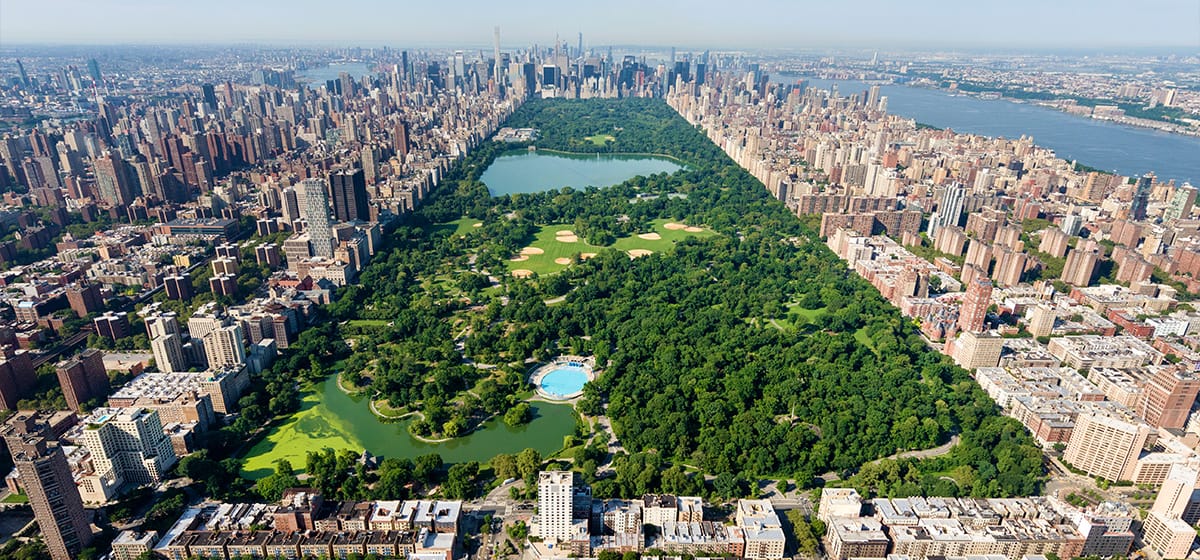
The Greensward Plan was guided by several core principles:
-
Flow and Circulation: A primary concern was to ensure the smooth and efficient movement of people throughout the park. Olmsted and Vaux meticulously planned a network of winding paths and carriage drives, separated to prevent congestion and to offer distinct viewing experiences. The famous “transverse roads,” sunken below the park’s grade, allowed for the unimpeded passage of horse-drawn carriages and later, automobiles, without disrupting the pastoral serenity of the park itself. This innovative solution for separating traffic from pedestrian and recreational areas was a landmark achievement in park design.
-
Naturalistic Aesthetics: The design emphasized the creation of a landscape that appeared natural, even though it was heavily engineered. They moved an astonishing amount of earth – over three million cubic yards – to sculpt the terrain, create rolling hills, and hollow out valleys. They also introduced a vast array of plant species, carefully selected to mimic natural woodlands and meadows, creating a sense of organic growth and seasonal change.
-
Variety of Experiences: The park was designed to offer a diverse range of environments and activities. The Great Lawn, a vast expanse of green, was envisioned for large gatherings and leisurely strolls. The Ramble, a densely wooded area, provided a more intimate and wilder experience, encouraging exploration. Water features, such as The Lake and The Pond, added reflective beauty and opportunities for boating. The architects also incorporated elements that celebrated the city, such as the architectural design of buildings and bridges, ensuring the park was not entirely divorced from its urban context.
-
Social Equity: A fundamental aspect of Olmsted and Vaux’s philosophy was the belief that public parks were essential for the social well-being of all citizens, regardless of their class. Central Park was conceived as a democratic space, a place where people from all walks of life could come together, escape the rigues of their daily lives, and connect with nature and each other. This commitment to social inclusivity was a revolutionary concept for its time.
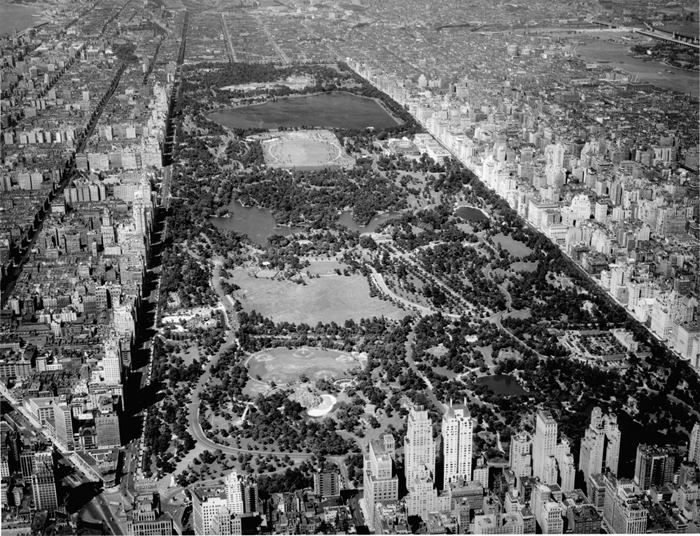
The Collaborative Efforts and Lasting Legacy
While Olmsted and Vaux are credited as the principal designers, the construction of Central Park was a massive undertaking that involved hundreds of workers and artisans. The process of transforming the raw land into the park we know today spanned decades and involved continuous refinement and adaptation. Vaux, in particular, played a crucial role in overseeing the construction and in designing many of the park’s iconic structures, such as Bethesda Terrace and Fountain.
The construction of Central Park was not without its controversies and challenges. Funding issues, political interference, and debates over the park’s management were constant hurdles. However, the unwavering commitment of Olmsted and Vaux, coupled with the growing public appreciation for the park, ensured its eventual completion and enduring success.
The legacy of Olmsted and Vaux extends far beyond Central Park. Their work here became a blueprint for urban park design across the globe, influencing countless other cities striving to incorporate green spaces into their urban fabric. They demonstrated that parks could be more than just decorative patches of green; they could be vital, functional components of a healthy and thriving city, offering a profound connection to nature and a refuge for the human spirit. The careful consideration of circulation, the creation of diverse experiences, and the commitment to social equity are principles that continue to inform landscape architecture and urban planning to this day. Central Park remains a living monument to their visionary genius and a beloved destination for millions of visitors each year, a testament to the power of thoughtful design to shape our cities and our lives.
LifeOutOfTheBox is a participant in the Amazon Services LLC Associates Program, an affiliate advertising program designed to provide a means for sites to earn advertising fees by advertising and linking to Amazon.com. Amazon, the Amazon logo, AmazonSupply, and the AmazonSupply logo are trademarks of Amazon.com, Inc. or its affiliates. As an Amazon Associate we earn affiliate commissions from qualifying purchases.