
The answer to who designed one of the most iconic urban green spaces in the world, Central Park in New York City, is a testament to an extraordinary collaboration between two brilliant minds: Frederick Law Olmsted and Calvert Vaux. Their visionary design transformed a challenging, barren landscape into the verdant oasis that millions of visitors and locals cherish today. This masterpiece of landscape architecture and urban planning not only offers a tranquil escape from the bustling city but also stands as a historical landmark that shaped the very concept of public parks in the United States and beyond. Understanding their journey, the challenges they overcame, and the enduring legacy of their work provides invaluable insight into why Central Park remains a must-visit destination for travelers from across the globe.

The Visionaries Behind a Masterpiece: Frederick Law Olmsted and Calvert Vaux
The genesis of Central Park began in the mid-19th century when civic leaders recognized the urgent need for a large public park in rapidly expanding Manhattan. The city’s population was exploding, and access to nature and recreational spaces was diminishing, especially for the working classes. A competition was launched in 1858 to solicit designs for this ambitious project, attracting 33 entries. The winning design, known as the “Greensward Plan,” was the brainchild of Frederick Law Olmsted and Calvert Vaux. This victory marked the beginning of a transformative partnership that would forever alter the urban landscape and set a new standard for park design. Their approach wasn’t just about planting trees; it was about creating an immersive, democratic space that offered a respite for all citizens, regardless of their social standing, and blended seamlessly with the city while providing a complete sense of escape.
The “Greensward Plan” and the Competition
The “Greensward Plan” stood out among its competitors for its innovative approach to integrating diverse functionalities within a harmonious natural setting. While other proposals might have focused more on formal gardens or rigid geometric layouts, Olmsted and Vaux’s vision was far more ambitious and nuanced. They proposed a landscape that felt entirely naturalistic, almost as if untouched by human hands, yet was meticulously engineered to serve a wide range of recreational and aesthetic purposes. The plan envisioned distinct zones for leisurely strolls, active recreation, and quiet contemplation, all subtly interconnected through a complex system of pathways and bridges. It was a revolutionary concept for its time, emphasizing the psychological benefits of natural scenery and fresh air on urban dwellers. The competition, therefore, wasn’t just about aesthetics; it was a profound civic statement, acknowledging the essential role of nature in the health and well-being of a bustling metropolis like New York City, distinguishing itself from the more grid-like urban planning that defined the rest of Manhattan and its sister boroughs of Queens, Brooklyn, Bronx, and Staten Island.
A Partnership of Brilliance: Olmsted’s Landscape Genius and Vaux’s Architectural Flair
The success of the “Greensward Plan” and the subsequent construction of Central Park can be attributed to the unique strengths and synergistic collaboration between Olmsted and Vaux. Frederick Law Olmsted, a self-taught landscape architect, journalist, and social reformer, brought a profound understanding of human psychology, sociology, and the restorative power of nature. His philosophy championed the idea of “pastoral” landscapes within cities – spaces designed to evoke a sense of tranquility, freedom, and an escape from urban pressures. He meticulously planned the flow of movement, the placement of plantings, and the creation of scenic vistas to induce specific emotional responses in visitors.
Calvert Vaux, an English architect, complemented Olmsted’s vision with his keen eye for architectural detail and structural design. Vaux was responsible for designing many of the park’s iconic structures, including bridges, arches, and buildings, ensuring they harmonized with the naturalistic landscape. His most famous contribution is arguably Bethesda Terrace and Fountain, a grand architectural centerpiece that seamlessly blends sculpture, stonework, and natural elements. Together, their combined talents ensured that the park was not only a beautiful natural space but also a highly functional and architecturally integrated urban amenity, where every bridge, pathway, and building was carefully considered to enhance the overall experience. Their enduring partnership serves as a model for collaborative design, creating a landmark that continues to inspire.
The Herculean Task of Creating Central Park
Building Central Park was an undertaking of monumental proportions, fraught with engineering challenges, political obstacles, and an sheer scale that seems almost unfathomable today. The chosen site was far from ideal, consisting primarily of rocky, swampy terrain, interspersed with shantytowns and quarries. It was an area largely considered undesirable and difficult to develop. Yet, Olmsted and Vaux, along with thousands of laborers, embarked on a colossal transformation that would redefine urban green spaces forever. This enormous project required innovative solutions and an unwavering commitment to their grand vision, making it one of the most ambitious public works projects of the 19th century. The story of its creation is as compelling as the park itself, speaking to human ingenuity and perseverance.
Transforming a Barren Landscape
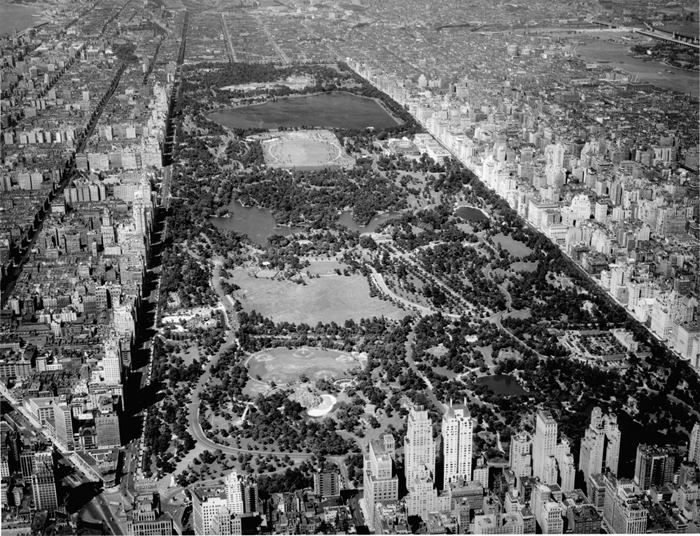
The transformation of Central Park from its original rugged state into the lush landscape we see today involved an unprecedented amount of earthwork and landscaping. Over five million cubic yards of earth and rock were moved, requiring vast quantities of gunpowder for blasting. To create the rolling hills and picturesque valleys, thousands of laborers, many of them immigrants, meticulously shaped the terrain. Drainage systems were installed to manage the marshy areas, and new soil, transported from as far away as New Jersey and Long Island, was brought in to support the planting of millions of trees, shrubs, and plants. Rivers were diverted, lakes were dug, and a comprehensive infrastructure of paths, bridges, and tunnels was constructed beneath the surface to separate different types of traffic. This massive undertaking, which lasted for over 15 years, essentially created a fabricated natural environment, a testament to the ingenuity and sheer will of its designers and the workforce. The result was a dramatic shift from barren wasteland to a vibrant ecosystem, setting the stage for one of the world’s most beloved urban oases.
Key Design Elements and Their Purpose
The brilliance of Central Park’s design lies in its careful consideration of various elements, each serving a specific aesthetic and functional purpose. The separation of different types of traffic – pedestrian, equestrian, and carriage/vehicular – was a groundbreaking innovation, achieved through a network of sunken transverse roads, overpasses, and underpasses, allowing visitors to move through the park largely uninterrupted by cross-traffic. Iconic features such as The Mall, a grand promenade lined with American elm trees, provide a formal gathering space. Bethesda Terrace, with its magnificent fountain and detailed carvings, serves as the park’s architectural heart, offering stunning views and a popular meeting point.
Bridges like the romantic Bow Bridge not only facilitate movement but also add visual charm. The Jacqueline Kennedy Onassis Reservoir, originally a vital part of the city’s water supply, now provides a scenic jogging path. Areas like The Ramble, a heavily wooded section, were designed to feel wild and untamed, offering a sense of deep nature immersion. The more formal Conservatory Garden provides structured beauty, while symbolic spots like Strawberry Fields offer spaces for reflection and remembrance. Each element, from the expansive Sheep Meadow to the intricate stone walls, was meticulously crafted to enhance the visitor’s experience, providing both active recreation and peaceful contemplation within this remarkable urban sanctuary.
Central Park: A Timeless Urban Oasis and Global Landmark
Since its official opening, Central Park has not only become the undisputed green heart of New York City but also a global icon, influencing urban planning and landscape architecture worldwide. It embodies the very essence of a vibrant public space, continually evolving to meet the needs of a dynamic metropolis while retaining its timeless appeal. For travelers, it’s more than just a park; it’s a destination offering a myriad of experiences, from quiet contemplation to lively cultural events, all set against the stunning backdrop of the Manhattan skyline. Its enduring popularity stems from its ability to cater to diverse interests, making it an indispensable part of any New York City itinerary and a testament to the foresight of its designers.
More Than Just a Park: Its Impact on Urban Planning and Tourism
Central Park’s impact extends far beyond its physical boundaries. It revolutionized urban planning, demonstrating that large, naturalistic parks were not just luxuries but essential components for healthy city living. Olmsted and Vaux’s success spurred a park movement across the United States and internationally, inspiring cities like Chicago, San Francisco, and even influencing designs in Paris and London to create their own grand urban green spaces. As a tourism magnet, Central Park attracts an estimated 42 million visitors annually, making it one of the most visited urban parks in the world. It serves as a living museum of landscape design, a vibrant community hub, and a serene escape. Its presence significantly boosts New York City’s appeal as a premier travel destination, offering a unique blend of natural beauty and urban excitement that is central to the city’s identity and global allure. The park’s carefully curated ecosystem supports diverse wildlife and offers a rich tapestry of experiences for everyone.
Experiencing Central Park Today: Activities and Attractions
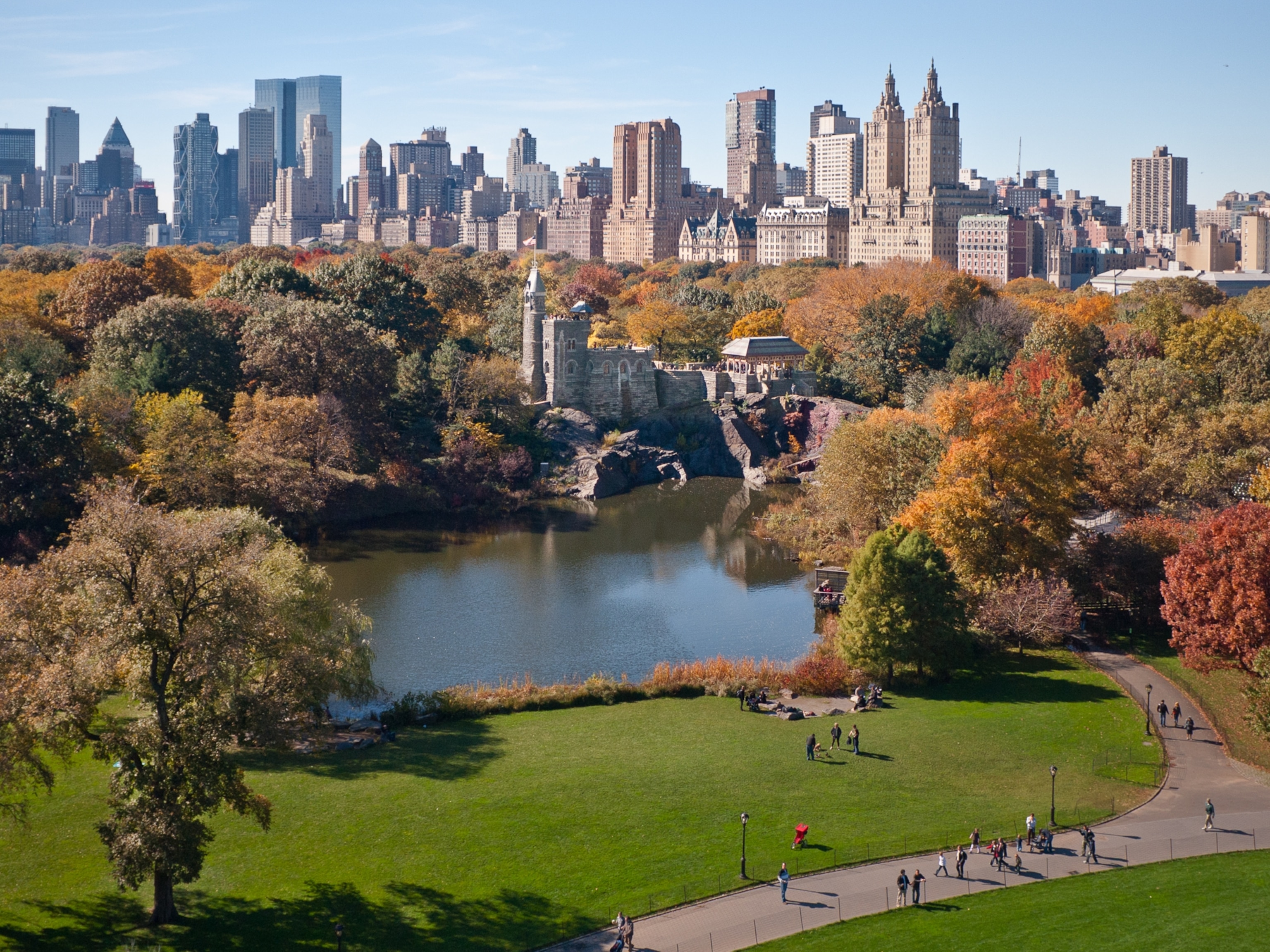
Today, Central Park offers an endless array of activities and attractions for every type of traveler. Leisurely strolls along its winding paths reveal hidden gems and picturesque vistas at every turn. Visitors can rent rowboats or gondolas at the Loeb Boathouse on The Lake, cycle along designated lanes, or simply relax on the vast lawns of Sheep Meadow or Great Lawn. For families, the Central Park Zoo and various playgrounds offer delightful diversions. History buffs and those seeking cultural enrichment can explore Belvedere Castle, which offers panoramic views, or attend free concerts and performances at the Naumburg Bandshell or the famous Shakespeare in the Park productions at the Delacorte Theater. The surrounding cultural institutions, such as the Metropolitan Museum of Art and the American Museum of Natural History, and the Guggenheim Museum are just a stone’s throw away, making the park a perfect anchor for a day of exploration. Whether seeking active adventure, peaceful contemplation, or cultural engagement, Central Park truly offers an unparalleled experience, solidifying its place as a must-see attraction on any New York City travel guide.
Staying Near the Heart of New York: Accommodation and Lifestyle Around Central Park
For those looking to immerse themselves fully in the Central Park experience, staying in one of the many exquisite hotels or accommodations surrounding the park is an ideal choice. The perimeter of Central Park boasts some of New York City’s most prestigious and luxurious hotels, offering unparalleled views and convenient access to this urban oasis. Establishments like The Plaza Hotel, the Ritz-Carlton Central Park, and the Four Seasons Hotel New York provide world-class amenities, exceptional service, and suites that often overlook the park’s lush landscapes. Beyond luxury, there are numerous boutique hotels, stylish apartments, and comfortable guest houses within a short walk or subway ride, catering to various budgets and preferences.
Choosing accommodation near Central Park enhances the overall travel experience, allowing guests to start their day with a refreshing walk or jog in the park, enjoy a leisurely picnic lunch, or unwind with an evening stroll after a day of sightseeing. This lifestyle offers a unique blend of urban sophistication and natural tranquility, making it particularly appealing for family trips, romantic getaways, or even business stays where a peaceful escape is desired. Proximity to the park also means easy access to cultural attractions, fine dining, and upscale shopping, making it a prime location for those seeking a quintessential New York City experience that combines the best of nature and city life. The reviews of accommodations in this area consistently highlight the advantage of being so close to such a magnificent landmark, often influencing booking decisions for long-term stays as well.
In conclusion, Central Park is far more than just a large green space; it is a monumental achievement in urban planning and landscape architecture, meticulously designed by Frederick Law Olmsted and Calvert Vaux. Their collaborative genius transformed a challenging site into a vibrant, democratic oasis that continues to serve as the beating heart of New York City. Its enduring legacy as a global landmark, a source of endless attractions and experiences, and a testament to the restorative power of nature in an urban setting makes it an indispensable destination for any traveler seeking to truly understand the spirit of New York.
LifeOutOfTheBox is a participant in the Amazon Services LLC Associates Program, an affiliate advertising program designed to provide a means for sites to earn advertising fees by advertising and linking to Amazon.com. Amazon, the Amazon logo, AmazonSupply, and the AmazonSupply logo are trademarks of Amazon.com, Inc. or its affiliates. As an Amazon Associate we earn affiliate commissions from qualifying purchases.