
The Boston Marathon bombing remains a stark reminder of a day that shook not only the vibrant city of Boston but also sent ripples of concern across the globe. The events of April 15, 2013, cast a dark shadow over what is typically a joyous celebration of athletic achievement and community spirit. As the dust settled and the immediate chaos subsided, a paramount question emerged, echoing through news cycles and public consciousness: who was responsible for this act of terrorism? This article will delve into the investigation that followed, the individuals identified as perpetrators, and the broader context surrounding this tragic event, framed within the lens of travel, tourism, and the resilience of a beloved city.
Unraveling the Attack: The Investigation and Identification
The immediate aftermath of the bombings was characterized by a frantic search for answers. The finish line of the Boston Marathon, usually a scene of elation and accomplishment, became a crime scene. The dual explosions, detonated within seconds of each other, injured over 260 people, many of whom suffered life-altering injuries, including the amputation of limbs. The sheer brutality and the indiscriminate targeting of innocent bystanders ignited a powerful and urgent investigation.
The Role of Technology and Community in the Search
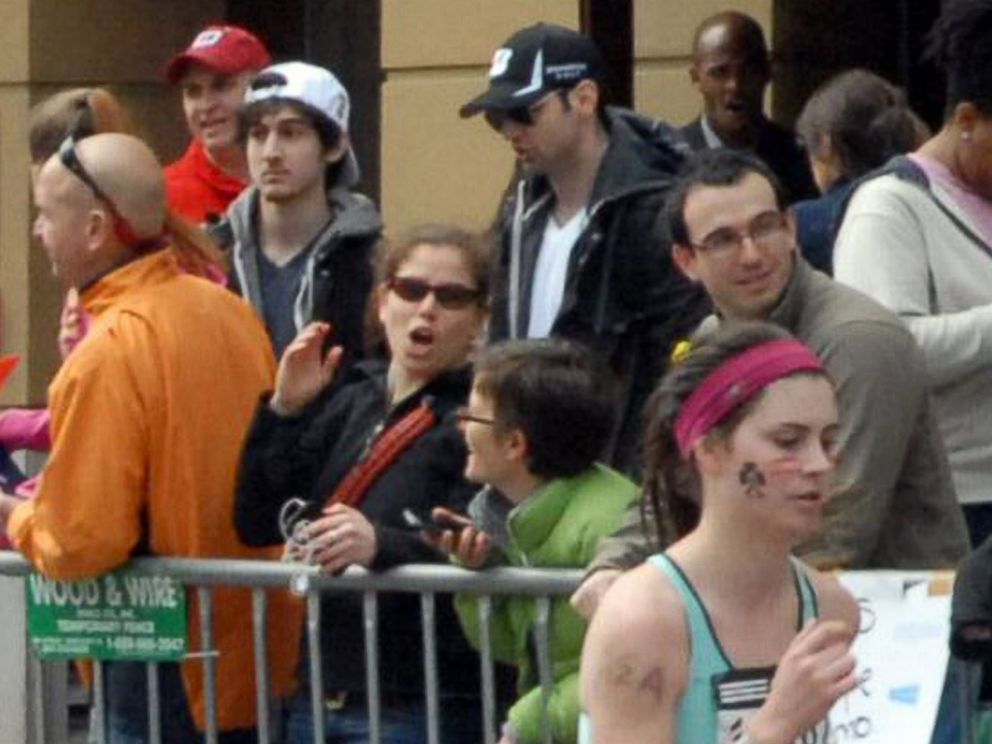
In the digital age, the investigation benefited immensely from technological advancements and the overwhelming support of the public. Law enforcement agencies, including the FBI and the Boston Police Department, meticulously sifted through hours of surveillance footage, social media posts, and eyewitness accounts. The public’s willingness to share information, to be the eyes and ears of the investigators, proved invaluable. Citizens uploaded photos and videos taken near the scene, creating a vast digital tapestry that investigators could analyze. This collective effort, driven by a shared desire to identify those responsible and prevent further harm, highlighted the strength of community in the face of adversity.
The search extended beyond the immediate vicinity of Boylston Street. Investigators worked tirelessly to piece together the timeline of events leading up to the explosions, examining every detail for clues. This period was marked by intense speculation and a palpable sense of unease. The iconic backdrop of Boston’s historic streets, normally a draw for tourists and residents alike, became a place of heightened security and somber reflection. The usual hustle and bustle associated with the marathon, the cheers of spectators lining the route from Hopkinton to Boston, were replaced by an air of apprehension.
Identifying the Tsarnaev Brothers
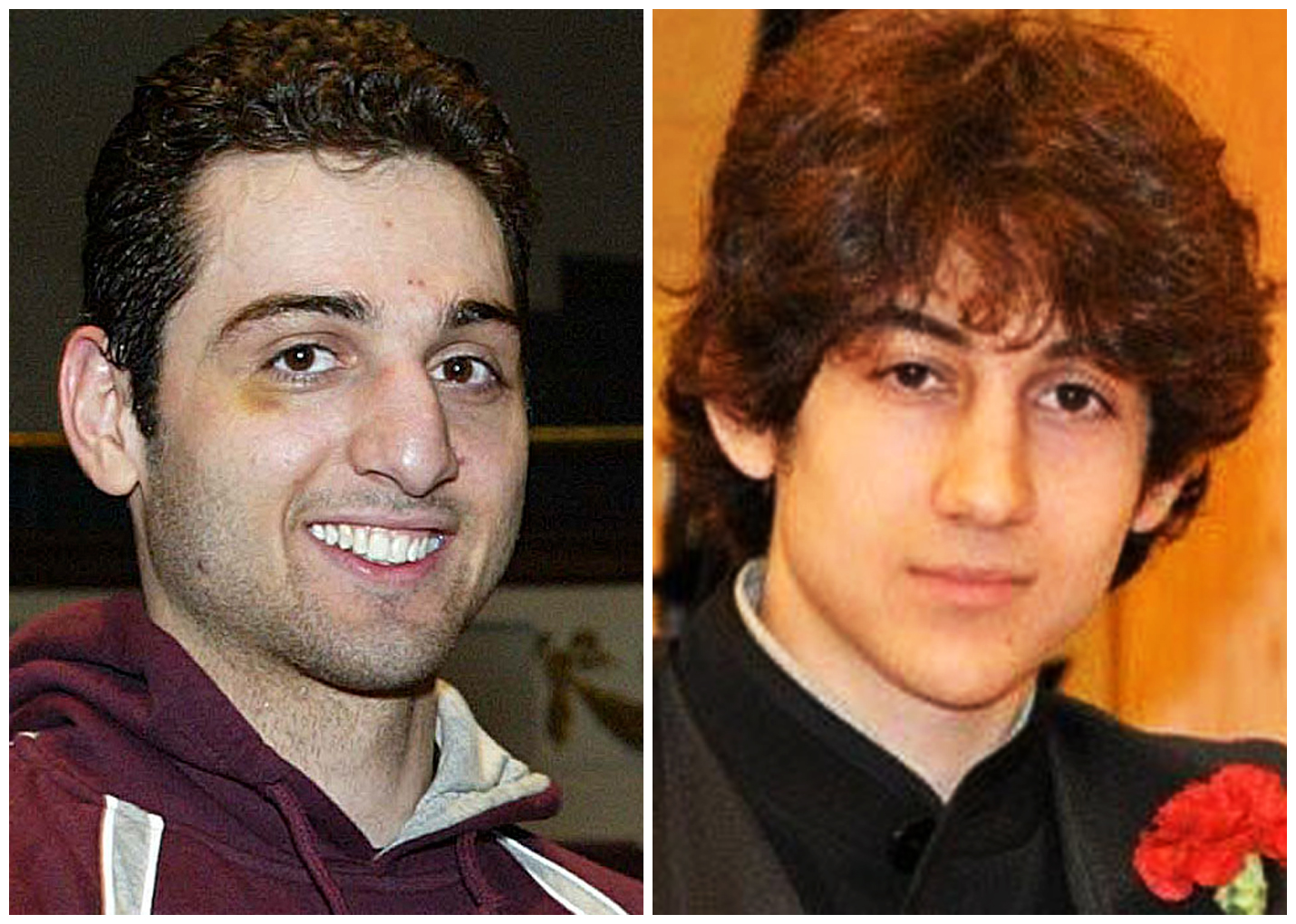
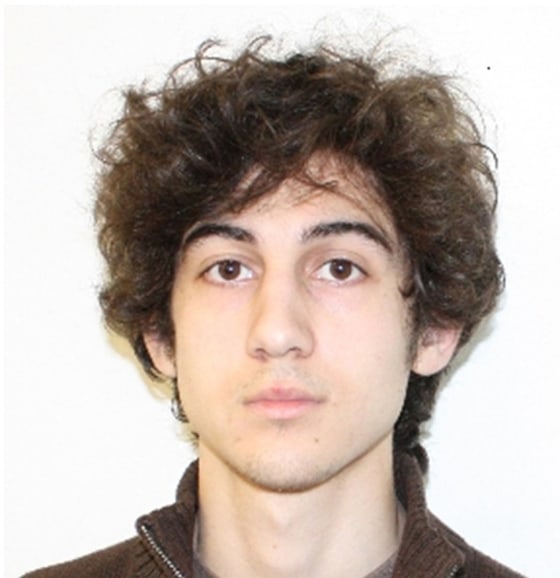
Through a painstaking process of forensic analysis, witness testimonies, and the analysis of obtained materials, investigators were able to identify two primary suspects: Tamerlan Tsarnaev and his younger brother, Dzhokhar Tsarnaev. The breakthrough in identifying the brothers came after a dramatic turn of events a few days after the bombing. A MIT police officer, Sean Collier, was shot and killed on the campus of the Massachusetts Institute of Technology, and a carjacking incident involving the Tsarnaev brothers ensued. This escalated the manhunt into a citywide lockdown and a desperate search for the fugitives.
The brothers, who were ethnic Chechens and had emigrated from Russia to the United States years earlier, became the focus of a massive manhunt. The events that unfolded in the days following the bombing painted a grim picture of a deliberate and coordinated act of terror. The world watched as Boston held its breath, and eventually, as Dzhokhar Tsarnaev was apprehended following a standoff in Watertown. Tamerlan Tsarnaev had been killed during an earlier confrontation with law enforcement.
The Motivation and Ideology: Understanding the “Why”
The question of “who” was answered with the identification of the Tsarnaev brothers. However, the deeper, more unsettling question of “why” remained a critical focus of the investigation and subsequent legal proceedings. Understanding the motivations behind such an act is crucial for comprehending the broader landscape of terrorism and preventing future occurrences.
Radicalization and Foreign Influence
Evidence gathered by investigators and presented in court suggested that the brothers had become radicalized, with Tamerlan Tsarnaev reportedly being the more ideologically driven of the two. Reports indicated that Tamerlan Tsarnaev had become increasingly religious and had consumed extremist propaganda online. Investigations explored potential connections to radical Islamic groups and the influence of foreign terrorist organizations. The prosecution argued that the brothers were inspired by extremist ideologies and sought to inflict terror on the United States in retaliation for U.S. military actions in Muslim-majority countries.
The details that emerged painted a disturbing picture of a gradual descent into extremism. The brothers’ personal histories, their interactions, and their online activities were all scrutinized to understand the pathways to radicalization. This aspect of the investigation was not just about attributing blame but also about gaining insights that could inform counter-terrorism strategies and efforts to prevent radicalization in communities. The ability to foster welcoming and inclusive environments, to address grievances constructively, and to counter extremist narratives are all part of the ongoing effort to safeguard society.
The Legacy of the Bombing on Travel and Tourism
The Boston Marathon bombing had a significant impact on the city’s tourism and travel industry, albeit temporarily. For a period, the tragedy cast a pall over the city, leading to increased security measures at public events and a heightened sense of caution among travelers. However, the resilience of Boston and its people shone through. The city, renowned for its rich history, world-class educational institutions, and vibrant cultural scene, quickly began to heal.
The marathon itself, a symbol of endurance and unity, has continued to be held annually, a testament to the city’s determination to not be defined by the actions of a few. Travelers continue to flock to Boston to explore its numerous landmarks, such as the Freedom Trail, visit renowned museums like the Museum of Fine Arts, and experience its distinctive New England charm. The accommodation options in Boston range from luxurious hotels like the Fairmont Copley Plaza to charming boutique inns, catering to every type of traveler. The city’s vibrant culinary scene, from casual seafood shacks to upscale dining, also draws visitors.
The bombing served as a somber reminder of the vulnerabilities inherent in open societies and large public gatherings. Consequently, security protocols at major events, including sporting competitions and festivals, have been re-evaluated and enhanced globally. For travelers, this has meant an increased awareness of security measures and a greater understanding of the importance of vigilance. Yet, the fundamental desire to explore new destinations, experience different cultures, and engage with landmarks remains strong. The Boston Marathon bombing, while a tragic event, ultimately underscored the human spirit’s capacity for recovery and the enduring allure of travel and cultural exchange.
The legal proceedings against Dzhokhar Tsarnaev concluded with his conviction and sentencing. The trial brought to light further details about the planning and execution of the bombing, offering a definitive answer to the question of “who.” The reverberations of that day continue to be felt, but Boston has demonstrably moved forward, a city that faced a profound challenge and emerged stronger, forever marked by the events of April 15, 2013, but not defeated by them. The narrative of the Boston Marathon is one of tragedy, but also one of immense courage, community, and an unwavering spirit that continues to welcome visitors to its historic streets and vibrant neighborhoods.
LifeOutOfTheBox is a participant in the Amazon Services LLC Associates Program, an affiliate advertising program designed to provide a means for sites to earn advertising fees by advertising and linking to Amazon.com. Amazon, the Amazon logo, AmazonSupply, and the AmazonSupply logo are trademarks of Amazon.com, Inc. or its affiliates. As an Amazon Associate we earn affiliate commissions from qualifying purchases.