
The city of Boston, renowned globally for its vibrant history, intellectual prowess, and passionate sports culture, faced an unimaginable horror on April 15, 2013. A day that began with joyous celebration at the annual Boston Marathon, a prestigious event attracting runners and spectators from around the world, quickly descended into chaos and tragedy. The question, “Who did the bombing in Boston?”, pierces through the memory of that fateful Marathon Monday, revealing a narrative of domestic terrorism, a city’s harrowing lockdown, and an extraordinary display of human resilience.
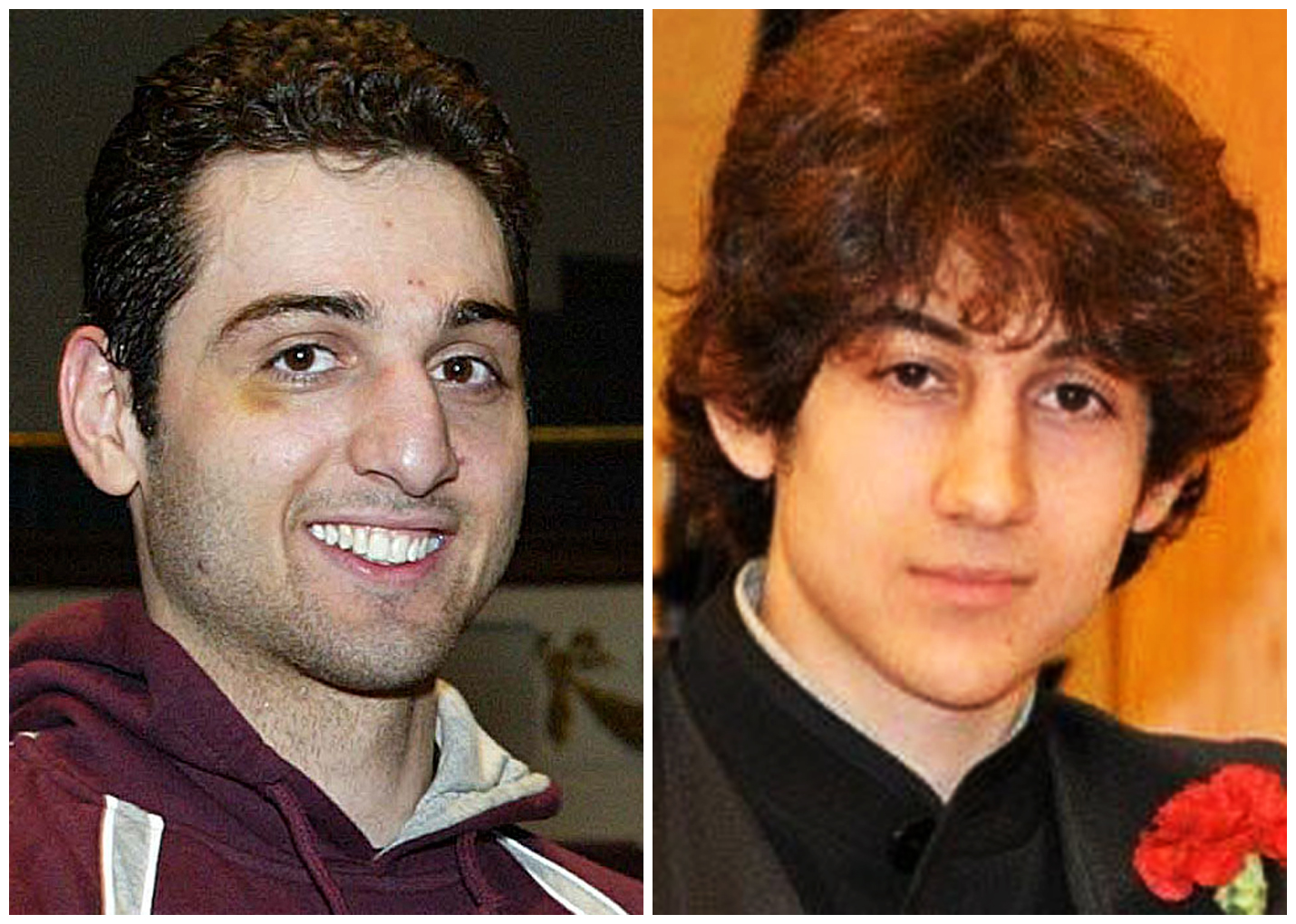
The perpetrators of the Boston Marathon bombings were brothers Dzhokhar Tsarnaev and Tamerlan Tsarnaev. These individuals, driven by extremist ideologies, planned and executed the attack that forever altered the lives of countless people and tested the spirit of one of America’s most historic cities. Their actions led to the deaths of three innocent bystanders, the grievous injury of hundreds, and a widespread manhunt that captivated the nation. For anyone who has traveled to Boston or plans to, understanding this pivotal moment is key to appreciating the enduring strength and unity that defines this remarkable New England metropolis.
The Day of Tragedy: A City Under Attack
The Boston Marathon is more than just a race; it’s a cherished tradition, a spring festival that brings together athletes, families, and friends to line the streets of Boston, cheering on participants as they complete the grueling 26.2-mile course. On April 15, 2013, the festive atmosphere was at its peak. Thousands of runners, many having trained for years, were nearing the finish line on Boylston Street, just steps from Copley Square, a bustling area typically filled with celebratory crowds and vibrant energy. Hotels in the vicinity, like the Fairmont Copley Plaza and the Mandarin Oriental, Boston, would have been at capacity, their windows offering prime viewing spots for the marathon’s dramatic conclusion.
At approximately 2:49 PM ET, two improvised explosive devices, fabricated from pressure cookers and packed with shrapnel, detonated within seconds of each other near the finish line. The first blast occurred outside the Forum Restaurant, sending shockwaves through the crowd. Moments later, a second explosion erupted further down Boylston Street, close to the Marathon Sports store. The scene instantly transformed from one of jubilation to utter devastation. Shrapnel, smoke, and the cries of the injured filled the air.
Emergency responders, including the Boston Police Department, paramedics, and volunteers, reacted with extraordinary courage and efficiency. Within minutes, a triage system was established, and the critically wounded were transported to nearby hospitals such as Massachusetts General Hospital, Brigham and Women’s Hospital, and Boston Medical Center. The immediate aftermath highlighted the dedication of Boston‘s medical community, whose swift actions saved countless lives, often performing complex surgeries under immense pressure.
For tourists and travelers in Boston at the time, the experience was jarring. Many found themselves in lockdown, their travel plans abruptly halted. Flights out of Logan International Airport were affected, and public transportation, including the MBTA (the city’s transit system), was suspended or rerouted. Hotels became refuges, not just for guests but for some marathon participants who couldn’t return to their accommodations due to street closures. The immediate impact on Boston‘s tourism and accommodation sectors was significant, albeit temporary, as the city prioritized public safety above all else. The iconic landmarks along the marathon route, like the Prudential Center and the John Hancock Tower, which usually offer stunning views of the city, became symbols of the unfolding crisis, their lights reflecting the somber mood of the city.
Unraveling the Conspiracy: The Manhunt Begins
In the hours and days following the bombing, the focus shifted from immediate rescue to identifying and apprehending those responsible. The Federal Bureau of Investigation (FBI) quickly launched a massive investigation, utilizing an unprecedented amount of surveillance footage and eyewitness accounts. They meticulously pieced together the movements of the bombers before and after the attack. The global community watched in anticipation as forensic experts and law enforcement agencies worked tirelessly.
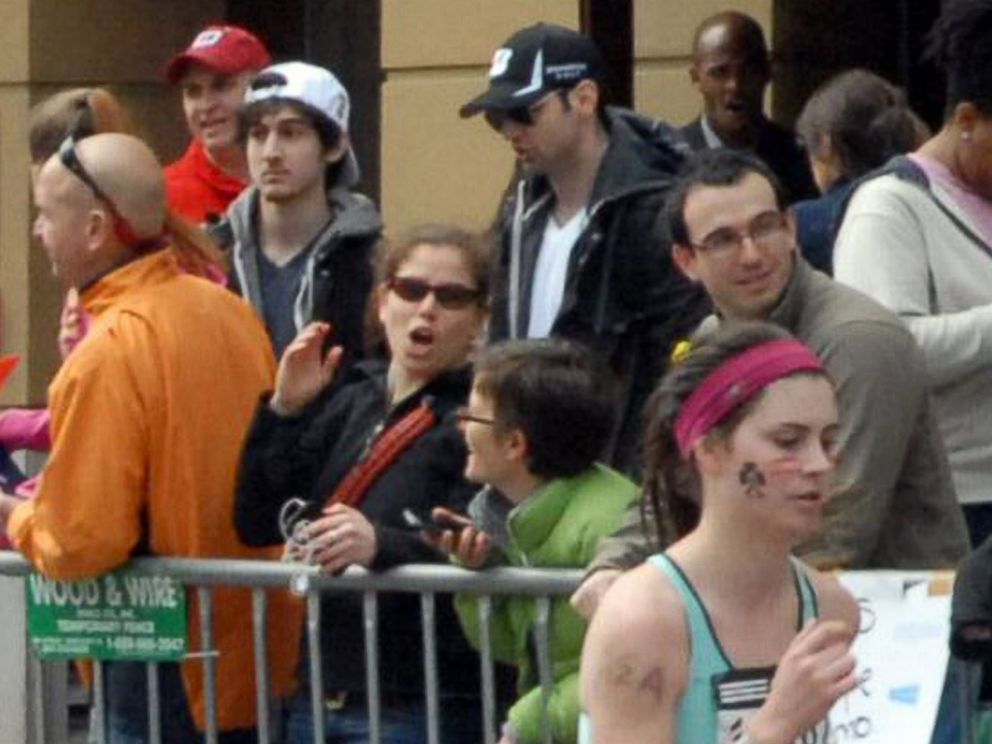
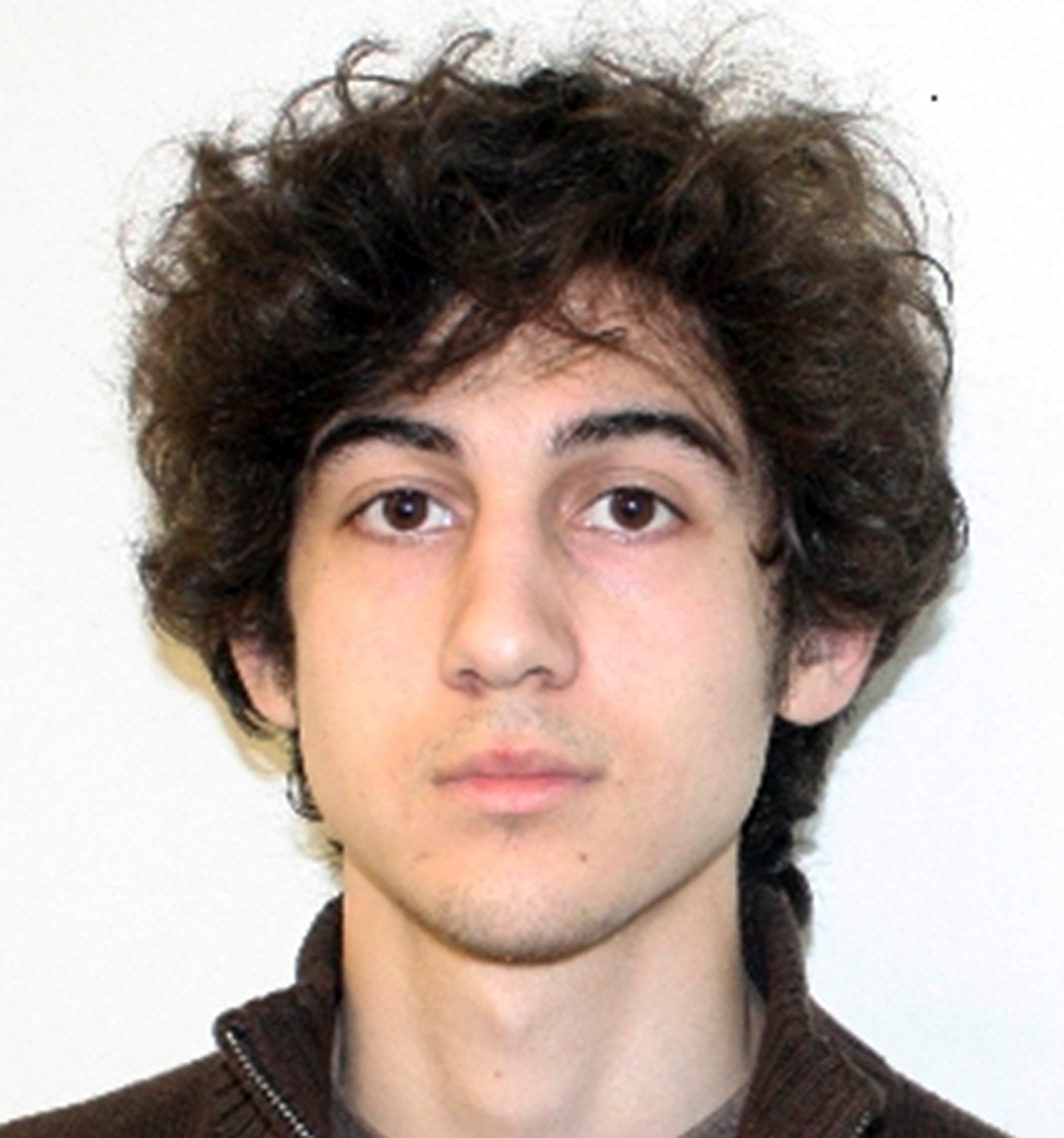
On April 18, 2013, the FBI released images of two suspects, urging the public to assist in their identification. The images, clear photographs of Dzhokhar Tsarnaev and Tamerlan Tsarnaev carrying backpacks near the finish line, immediately put the city on high alert. The manhunt intensified rapidly.
That same evening, the Tsarnaev brothers’ desperate flight from justice began. They shot and killed MIT Police Officer Sean Collier in an attempt to steal his firearm, a tragic loss that underscored their violent resolve. They then carjacked a vehicle, briefly holding the driver hostage before he managed to escape at a gas station. This crucial escape allowed authorities to track the vehicle’s movements.
The chase culminated in a dramatic confrontation in Watertown, a suburb west of Boston, in the early hours of April 19. A fierce shootout ensued between the brothers and law enforcement officers. During this chaotic exchange, Tamerlan Tsarnaev was critically wounded and ultimately died, both from gunshot injuries and being run over by his brother Dzhokhar as he fled the scene in the stolen vehicle.
The City on Lockdown: A Search for Justice
The escape of Dzhokhar Tsarnaev initiated an unprecedented lockdown across Boston and several surrounding communities, including Watertown and Cambridge. Authorities issued a “shelter in place” order, advising residents to stay indoors, lock their doors, and not open them for anyone except uniformed officers. Public transportation was suspended, businesses were shuttered, and schools, universities like Harvard University and MIT, and even the State House were closed. The streets of Boston, usually bustling with commuters, tourists exploring the Freedom Trail, and students heading to class, became eerily silent, patrolled by armed officers and military vehicles.
For travelers, this meant a complete halt to all activities. Those booked in hotels suddenly found themselves confined to their rooms, watching the unfolding events on television. Restaurants and attractions, key components of Boston‘s tourism appeal, were deserted. The city’s famed cultural institutions, from the Museum of Fine Arts to the Boston Symphony Orchestra, temporarily ceased operations. It was a stark reminder of how deeply an act of terror could impact the fabric of daily life and the experience of visiting a major destination.
The manhunt involved thousands of law enforcement personnel, going door-to-door in Watertown, searching every house, backyard, and alley. The tension was palpable. Finally, late in the evening of April 19, a resident in Watertown noticed something unusual in his boat, parked in his backyard. Upon investigation, he discovered a bloodied Dzhokhar Tsarnaev hiding under a tarp. Authorities quickly converged on the scene, and after a tense standoff, Tsarnaev was apprehended. The capture brought a collective sigh of relief to Boston, Massachusetts, and indeed the entire United States.
The Trial and Conviction
Following his capture, Dzhokhar Tsarnaev faced a federal trial that brought to light the full extent of his and his brother’s motivations and actions. The trial, held in Boston, was a painful but necessary process for the victims, their families, and the city to seek justice. Evidence presented included surveillance footage, forensic analysis, and the testimonies of survivors, which painted a grim picture of the attack’s brutality.
In 2015, Dzhokhar Tsarnaev was found guilty on all 30 charges against him, including conspiracy and the use of a weapon of mass destruction resulting in death. He was subsequently sentenced to death. While the legal process for his appeal continues, the conviction affirmed the accountability for the heinous act and provided a measure of closure for many affected. The justice system, though slow and arduous, played its vital role in addressing the question of “Who did the bombing in Boston?” and holding the perpetrator responsible.
“Boston Strong”: A Legacy of Resilience and Rebirth
In the aftermath of the bombings, a powerful phrase emerged that quickly became a global symbol of defiance and solidarity: “Boston Strong.” This slogan encapsulated the spirit of the city – its unwavering courage, its compassionate response, and its steadfast refusal to be defined by terror. For a city steeped in revolutionary history and known for its fierce independent spirit, “Boston Strong” was a natural, heartfelt declaration.
The recovery process was multifaceted, encompassing physical healing, emotional support, and a collective determination to move forward. Memorials were established at the finish line on Boylston Street, offering a place for reflection and remembrance. These sites have since become poignant landmarks for visitors, embodying both the tragedy and the city’s remarkable healing journey. The Boston Athletic Association, organizers of the marathon, dedicated themselves to ensuring future races would be safe, secure, and imbued with an even deeper sense of community and purpose.
The impact on Boston‘s image as a travel destination was significant but ultimately positive in its long-term trajectory. While there was an initial dip in tourism as people processed the events, the overwhelming narrative quickly shifted to the city’s resilience. Travelers were not deterred; instead, many were inspired to visit, to witness the strength of the community, and to experience a city that had faced adversity with grace and unity. Boston reinforced its reputation as a safe, welcoming place, a testament to its robust public safety measures and the inherent kindness of its residents.
Today, Boston continues to thrive as a premier global destination. Its unique blend of colonial charm and modern innovation draws millions of visitors annually. Tourists flock to walk the Freedom Trail, exploring sites like Faneuil Hall and Old North Church, which echo the very foundations of the United States. The vibrant neighborhoods of Back Bay, the North End, and Beacon Hill offer diverse culinary experiences, boutique shopping, and stunning architecture. Sports enthusiasts can catch a Boston Red Sox game at historic Fenway Park, while culture seekers can explore world-class museums and theaters.
The Boston Marathon itself has returned with renewed vigor, serving as an annual reaffirmation of endurance, hope, and community spirit. Security measures have been enhanced, but the joyous atmosphere remains undiminished. Participants and spectators often wear “Boston Strong” attire, a proud display of their connection to the city’s enduring spirit. For those considering a trip, Boston offers a profound experience – a chance to connect with history, innovation, and a community that, when tested, proved its strength beyond measure. The story of the bombing and its aftermath is woven into the modern fabric of the city, not as a scar that detracts from its beauty, but as a testament to the resilience and unbreakable spirit of a truly exceptional place.
LifeOutOfTheBox is a participant in the Amazon Services LLC Associates Program, an affiliate advertising program designed to provide a means for sites to earn advertising fees by advertising and linking to Amazon.com. Amazon, the Amazon logo, AmazonSupply, and the AmazonSupply logo are trademarks of Amazon.com, Inc. or its affiliates. As an Amazon Associate we earn affiliate commissions from qualifying purchases.