
The Boston Marathon Bombing on April 15, 2013, was a horrific act that shook the city of Boston, Massachusetts, and indeed the world. The perpetrators, two brothers named Tamerlan Tsarnaev and Dzhokhar Tsarnaev, planted two pressure cooker bombs near the finish line of the iconic Boston Marathon on Boylston Street. This tragedy resulted in the deaths of three innocent people and injured hundreds more, casting a shadow over what is typically a joyous celebration of athleticism and community spirit. Yet, in the wake of such devastation, [Boston] demonstrated an extraordinary resilience, a spirit powerfully captured by the rallying cry “Boston Strong.” This enduring strength not only brought the city through its darkest hour but also solidified its reputation as a vibrant, historic, and welcoming destination. While the memory of that day remains, [Boston] has continued to thrive, inviting visitors to explore its rich history, dynamic culture, and diverse attractions, embodying a powerful narrative of recovery and steadfastness that continues to inspire.
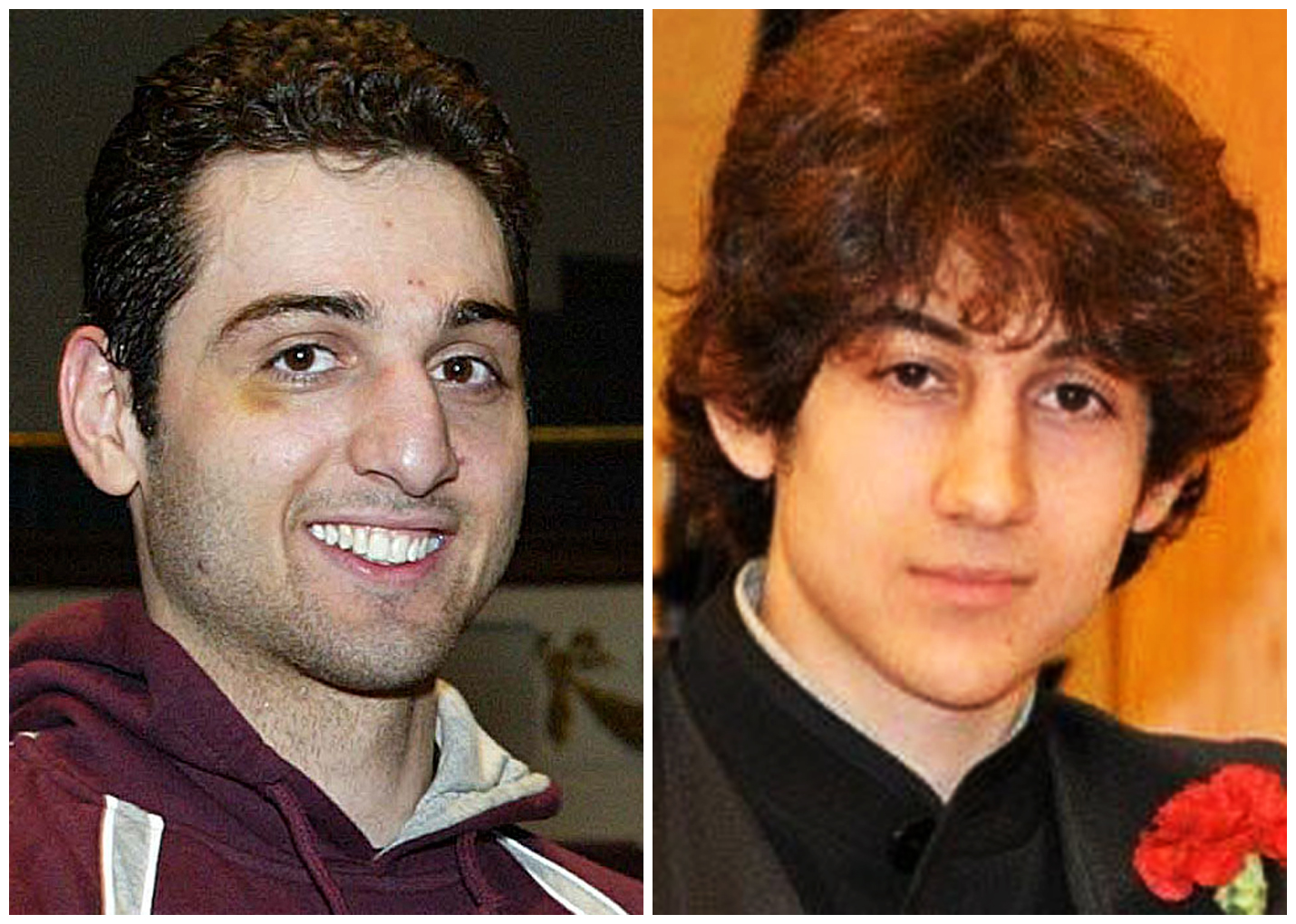
The Tragic Day and Its Immediate Aftermath
The afternoon of April 15, 2013, a day often associated with Patriots’ Day celebrations and the [Boston Marathon], turned into one of profound sorrow. At 2:49 PM, two homemade bombs detonated within seconds of each other, roughly 210 yards apart, close to the finish line where spectators cheered on runners. The devices, later identified as pressure cooker bombs packed with shrapnel, inflicted devastating injuries. The victims included 8-year-old Martin Richard, 23-year-old Lingzi Lu, and 29-year-old Krystle Campbell. Additionally, Sean Collier, a police officer at the Massachusetts Institute of Technology (MIT), was ambushed and killed by the brothers a few days later during their flight. The swift response from first responders, medical personnel, and ordinary citizens at the scene was nothing short of heroic, providing immediate aid amidst the chaos and confusion.
Unraveling the Attack: Who and What
The investigation quickly escalated into one of the largest manhunts in U.S. history. Federal, state, and local law enforcement agencies, including the FBI, meticulously pieced together clues from surveillance footage and eyewitness accounts. Within days, the identities of the bombers were revealed: [Tamerlan Tsarnaev], 26, and his younger brother, [Dzhokhar Tsarnaev], 19, Chechen-American residents who had immigrated to the United States as children. Their motives, though explored extensively during the subsequent trial, remained complex, often attributed to extremist ideology and a sense of alienation. The discovery of their identities marked a pivotal moment, shifting the focus from understanding the “what” to apprehending the “who” behind the heinous act. The urgency of the situation underscored the profound impact such events have on public safety and the collective sense of security, transforming a celebratory event into a national crisis.
The City Under Siege: A Manhunt Across Massachusetts
The period following the identification of the suspects was marked by an unprecedented lockdown of [Boston] and its surrounding communities. On the night of April 18, 2013, the Tsarnaev brothers engaged in a violent confrontation with police in Watertown, a suburb of [Boston]. This intense shootout resulted in the death of [Tamerlan Tsarnaev] and serious injury to several officers. [Dzhokhar Tsarnaev] managed to escape, leading to a massive, day-long manhunt on April 19, 2013, that effectively shut down the entire metropolitan area. Public transportation ceased, businesses closed, and residents were advised to shelter in place, creating an eerie silence across the normally bustling city. The sight of empty streets and the pervasive presence of law enforcement transformed the urban landscape into a scene from a thriller, yet it was a stark reality for millions.
The search culminated that evening when [Dzhokhar Tsarnaev] was discovered hiding in a boat in a backyard in [Watertown]. His capture brought an immense sense of relief and closure to the terror-stricken region. The manhunt showcased the remarkable coordination of law enforcement and the patient cooperation of millions of residents, highlighting a community united in the face of adversity. This period, though terrifying, ultimately reinforced the strength of the community and the unwavering dedication of its public servants, proving that solidarity can prevail even in the most challenging times.
A City’s Undefeated Spirit: Boston’s Resurgence
The immediate aftermath of the bombing sparked a wave of international sympathy and support for [Boston]. But more significantly, it ignited a powerful demonstration of local resilience. The phrase “Boston Strong” became a global emblem of solidarity and defiance against terrorism. Far from being deterred, the city rallied, and the [Boston Marathon] itself became a poignant symbol of this unwavering spirit. The following year, the 2014 [Boston Marathon] saw an unprecedented surge in participation and spectatorship, with runners and crowds reclaiming the streets with renewed determination and joy. The atmosphere was electric, a powerful testament to the city’s refusal to let fear triumph over tradition and community. This annual event now represents more than just a race; it’s a profound statement of collective endurance and hope.
Symbol of Resilience: The Boston Marathon’s Enduring Legacy
This event is more than just a race; it’s a cornerstone of [Boston]’s identity and a massive draw for both athletes and tourists. Each year, thousands descend upon the city to participate or cheer, contributing significantly to the local economy. Hotels fill up, restaurants thrive, and the entire city buzzes with energy, showcasing the vital link between major events and tourism. The marathon, originally conceived in 1897, links back to the first modern Olympic Games and Patriots’ Day, making it a living piece of history and a vibrant contemporary event that continues to inspire. It exemplifies how a city can transform a moment of tragedy into an enduring legacy of strength and community spirit, attracting visitors keen to witness this powerful narrative firsthand. For many, attending or participating in the [Boston Marathon] is a pilgrimage, a way to connect with the city’s heart.
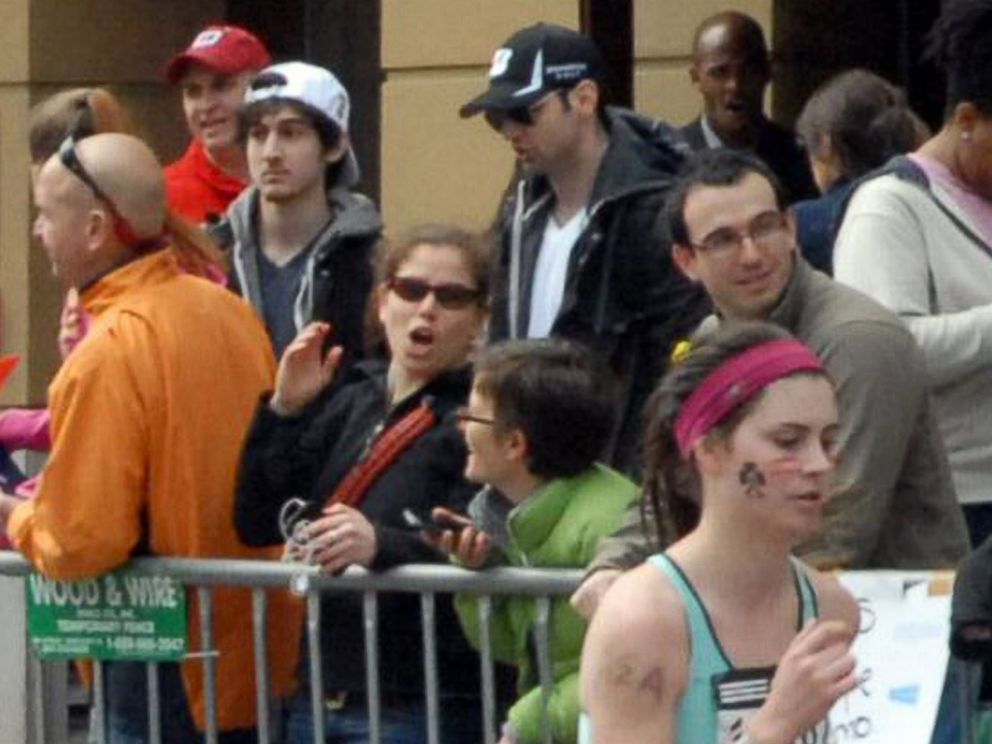
Commemorating the Lives: Memorials and Reflection
In the years following the tragedy, [Boston] has ensured that the victims are never forgotten. Permanent memorials have been established, offering places of quiet reflection and remembrance. The official Boston Marathon Memorial on [Boylston Street], near the sites of the bombings, is a beautifully designed tribute. It features two elegant bronze spires, inscribed with the names of those who died, surrounded by flowering trees and subtle lighting. This serene space invites visitors to pause, reflect on the lives lost, and acknowledge the enduring pain while also celebrating the spirit of courage and community that emerged. The memorial integrates seamlessly into the urban landscape, becoming a significant landmark for visitors and residents alike.
Visiting the memorial offers a profound experience, connecting visitors to a significant moment in modern history and to the heart of the city’s enduring compassion. It stands not only as a remembrance of loss but also as a beacon of hope and a testament to the fact that even in tragedy, beauty and resilience can flourish. These landmarks serve as powerful reminders of human capacity for endurance and recovery, enriching the travel experience by offering a deeper understanding of [Boston]’s character.
Experiencing Boston Today: A Hub of History, Culture, and Tourism
Beyond its recent history, [Boston] remains one of the [United States]’ most historically significant and culturally rich cities, making it an ideal destination for travelers of all interests. For history buffs, the Freedom Trail is an absolute must-do. This 2.5-mile red-lined path guides visitors to 16 historically important sites, including the Paul Revere House, the Old North Church, Faneuil Hall Marketplace, and the Massachusetts State House. Each stop tells a compelling story of the [American Revolution] and the birth of the nation, offering an immersive journey through pivotal moments in history. Exploring these landmarks provides a unique glimpse into the foundational narratives of the country.
Iconic Landmarks and Attractions
Art and culture enthusiasts will find themselves at home in institutions like the Museum of Fine Arts, Boston and the Isabella Stewart Gardner Museum, both offering world-class collections spanning centuries and continents. For those seeking green spaces, the Boston Common and the Public Garden provide serene urban oases, especially beautiful during spring and fall. The charming cobblestone streets and elegant brownstones of Beacon Hill evoke a sense of timeless elegance, while the bustling marketplaces of the North End offer an authentic taste of Italian heritage and culinary delights. The city’s diverse neighborhoods each contribute to its unique appeal, making it a multifaceted destination for every type of traveler. From historic architecture to vibrant cultural hubs, [Boston] offers an endless array of attractions to discover.
Beyond the Marathon: Sports, Culture, and Culinary Delights
[Boston]’s passion for sports extends far beyond the marathon. Home to legendary teams like the Boston Red Sox at Fenway Park, the Boston Celtics, and the New England Patriots, the city vibrates with athletic energy year-round. Attending a game is an quintessential [Boston] experience, offering a lively glimpse into local culture and community pride. The city’s culinary scene is equally diverse and enticing. From fresh seafood at the Seaport District’s acclaimed restaurants to hearty clam chowder and lobster rolls, [Boston] is a paradise for foodies. The historic [North End] is renowned for its authentic Italian restaurants and pastry shops, while newer neighborhoods offer innovative, farm-to-table dining experiences. Exploring the food scene is an integral part of understanding [Boston]’s character and its rich cultural tapestry.Furthermore, [Boston]’s proximity to other incredible New England destinations makes it an excellent base for broader explorations. Day trips to Cape Cod for its pristine beaches, Martha’s Vineyard for its charming towns, or Nantucket for its historic whaling heritage offer distinct travel experiences, showcasing the diverse beauty of the region. This regional appeal enhances [Boston]’s position as a gateway to broader [New England] adventures.
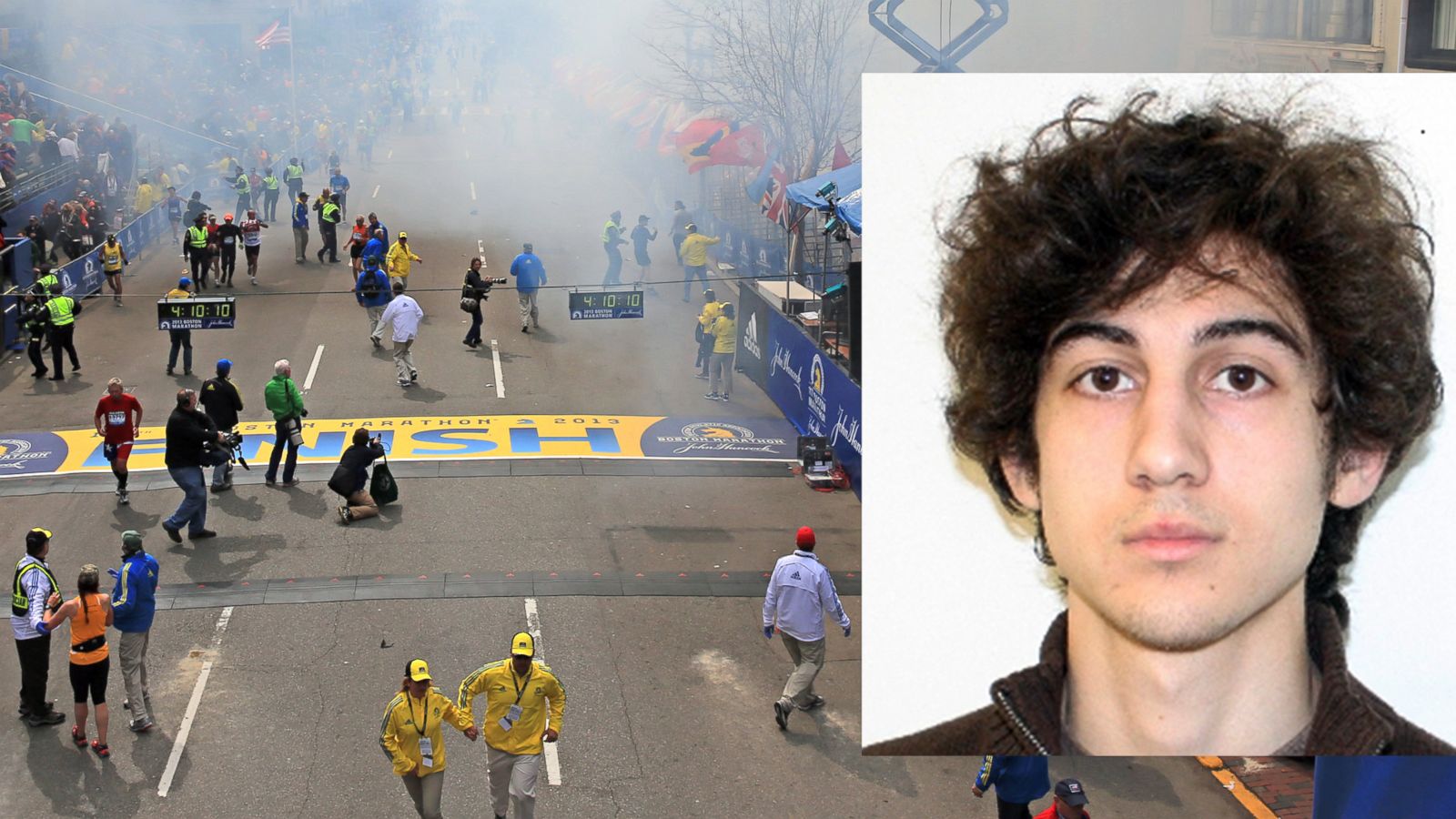
Planning Your Visit: Accommodation and Travel Tips
As a major tourist destination, [Boston] offers a wide range of accommodation options to suit every preference and budget. Luxury travelers might consider staying at elegant properties like The Lenox Hotel or the Four Seasons Hotel Boston, offering opulent amenities and prime locations. Historic charm can be found at the Omni Parker House, a landmark hotel with a storied past and a reputation for refined service. For those seeking modern comfort and convenience, numerous contemporary hotels are available throughout the Financial District and the [Seaport District]. Budget-conscious travelers will find a selection of comfortable guesthouses and boutique hotels, particularly in areas slightly outside the immediate city center, or consider apartments and long-term stays for a more local experience.
Booking in advance, especially during peak season (spring and fall, or around the marathon), is highly recommended to secure desired rates and availability. [Boston]’s public transportation system, known as the “T,” is efficient and makes navigating the city straightforward. Arriving via Logan International Airport provides easy access to downtown. Exploring the city on foot is also a wonderful way to discover its hidden gems, particularly along the Charles River Esplanade or the scenic paths in Cambridge. Whether you’re interested in history, culture, sports, or simply soaking in the vibrant atmosphere, [Boston] promises a memorable and enriching travel experience, a testament to its enduring allure.
The question “Who did the [Boston Marathon Bombing]?” carries with it the heavy weight of a tragic day, but the answer is inextricably linked to the story of a city that refused to be defined by terror. The acts of [Tamerlan Tsarnaev] and [Dzhokhar Tsarnaev] brought pain and loss, yet they also inadvertently highlighted the extraordinary courage, compassion, and indomitable spirit of [Boston]. Today, [Boston] stands not as a city scarred by fear, but as a beacon of resilience, a welcoming metropolis where history comes alive, innovation thrives, and community bonds remain unbreakable. For travelers, it offers a deeply enriching journey, a chance to explore world-class attractions, savor exquisite cuisine, and experience the warmth of a city that epitomizes strength and enduring hope.
LifeOutOfTheBox is a participant in the Amazon Services LLC Associates Program, an affiliate advertising program designed to provide a means for sites to earn advertising fees by advertising and linking to Amazon.com. Amazon, the Amazon logo, AmazonSupply, and the AmazonSupply logo are trademarks of Amazon.com, Inc. or its affiliates. As an Amazon Associate we earn affiliate commissions from qualifying purchases.