
The question of who the United States bought Hawaii from is one rooted in a common historical misconception. Unlike the Louisiana Purchase from France or the acquisition of Alaska from Russia, there was no financial transaction or “bill of sale” for the Hawaiian Islands. To understand how this archipelago became the 50th state, one must look beyond real estate transactions and toward the historical landmarks that tell a story of sovereign nations, strategic interests, and a complex political overthrow.
The history of Hawaii is etched into the very stones of its most famous buildings and the basalt of its volcanic peaks. From the corridors of the only royal palace on America soil to the deep waters of naval harbors, the transition of Hawaii from an independent kingdom to a United States territory is a narrative of power, diplomacy, and cultural endurance.
The Myth of Purchase and the Reality of Annexation
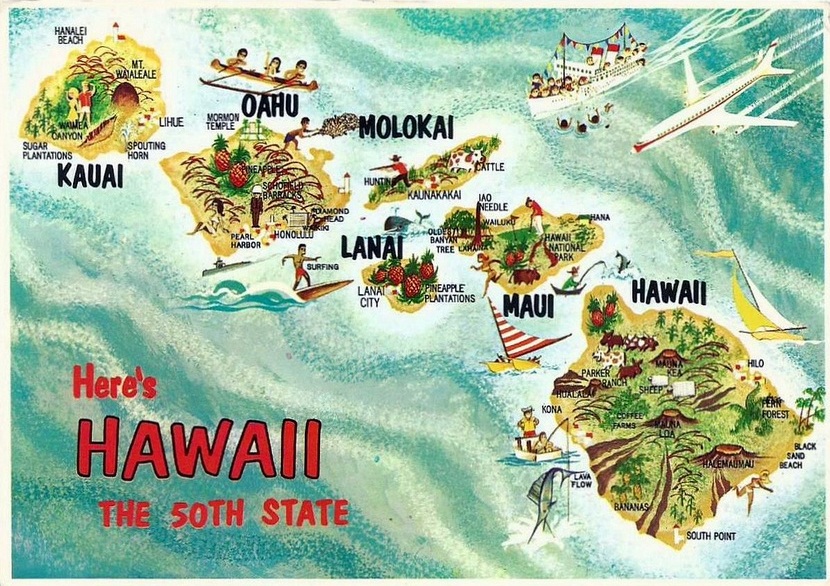
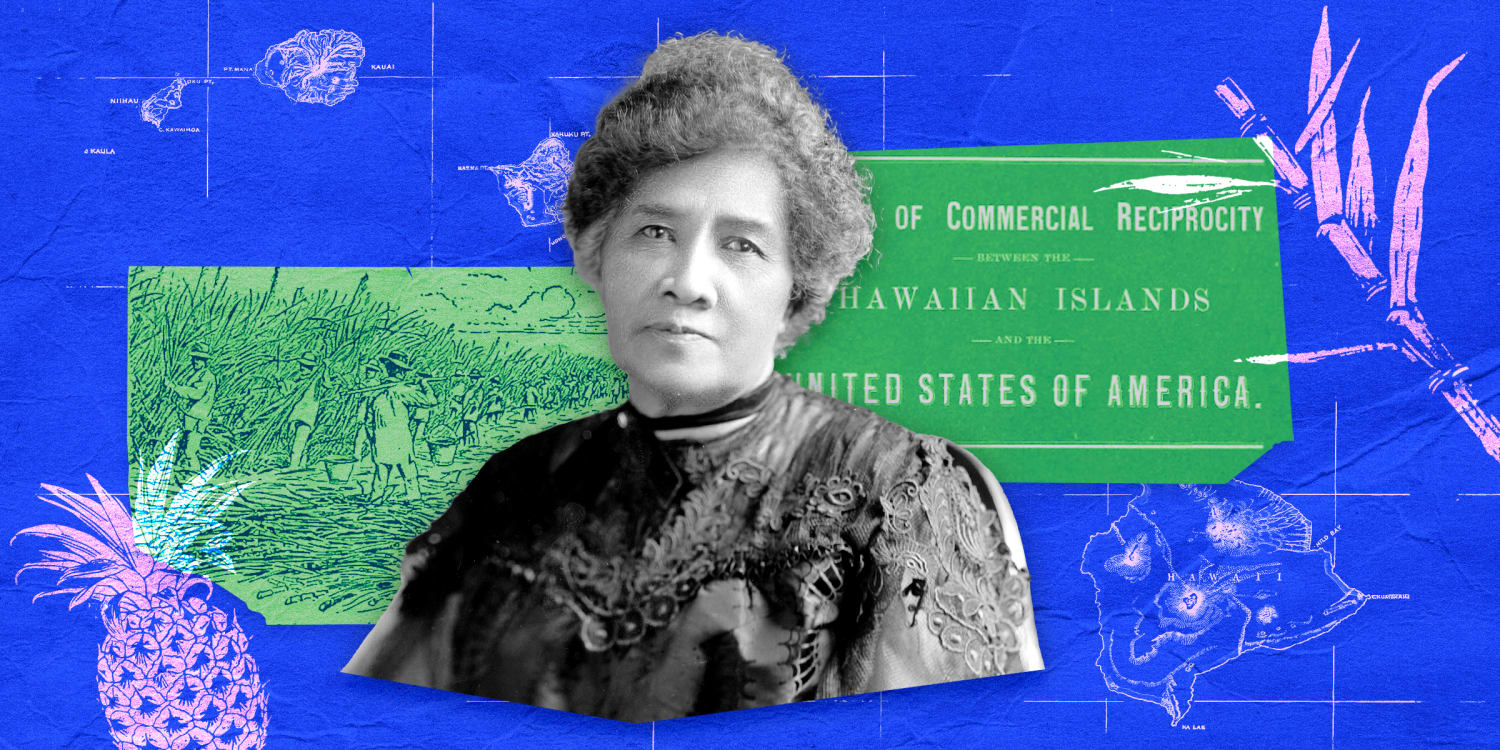
To answer the question directly: the United States did not buy Hawaii from anyone. Instead, the islands were annexed in 1898 through a joint resolution of Congress, known as the Newlands Resolution. This followed several years of political upheaval that began with the overthrow of the Kingdom of Hawaii in 1893.
The Sovereignty of the Kingdom of Hawaii
Before it was a state, Hawaii was a globally recognized sovereign nation. Under the leadership of King Kamehameha I, the islands were unified into a single kingdom by 1810. Throughout the 19th century, the Kingdom of Hawaii established diplomatic relations with major global powers, including Great Britain, France, and the United States.
The capital city of Honolulu became a cosmopolitan hub, blending native traditions with modern international influences. Travelers today who visit Honolulu can still see the remnants of this era in the architecture of the downtown district, which reflects a nation that was rapidly modernizing while trying to maintain its independence against the encroaching interests of Europe and North America.
Iolani Palace: The Throne of a Fallen Monarchy
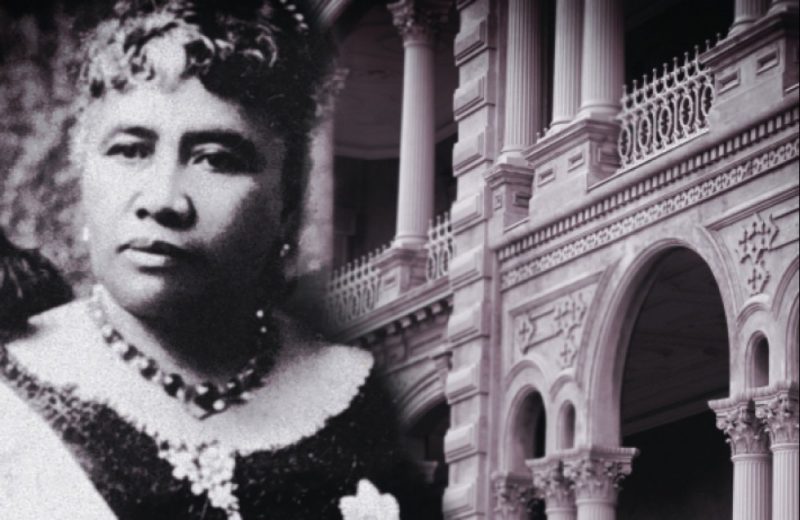
Perhaps the most significant historical landmark in this narrative is Iolani Palace. Completed in 1882 by King Kalakaua, the palace stands as a symbol of Hawaiian sovereignty and the sophisticated culture of the monarchy. It is the only official royal palace in the United States and was a marvel of its time, featuring electricity and telephones before even the White House in Washington DC.
The architecture of Iolani Palace, often described as American Florentine, features grand galleries, intricate koa wood carvings, and portraits of Hawaiian royalty. However, this landmark also represents a tragic turning point. In 1893, a group of businessmen and sugar planters, supported by United States Marine Corps troops, staged a coup. Queen Liliuokalani, the last reigning monarch, was deposed. She was later imprisoned in an upstairs bedroom of the palace for nearly a year following a failed attempt by her supporters to restore the monarchy.
Landmark Sites of the 1893 Overthrow
The sites surrounding the 1893 overthrow serve as silent witnesses to the end of the Kingdom of Hawaii. These landmarks are essential for anyone seeking to understand why the United States moved to annex the islands without a purchase agreement.
Washington Place and Queen Liliuokalani
Located just a short walk from Iolani Palace is Washington Place, a historic home that served as the private residence of Queen Liliuokalani until her death in 1917. Originally built by an American merchant captain, the home became a sanctuary for the Queen after her removal from power.
Washington Place is more than just a beautiful example of Greek Revival architecture; it is a landmark of resilience. It was here that the Queen wrote the famous song “Aloha Oe” and her memoir, “Hawaiis Story by Hawaiis Queen”. The house serves as a poignant reminder of the personal cost of the annexation and the enduring spirit of the Hawaiian people.
The United States Role: A Shift in Pacific Power
The annexation was driven largely by the strategic location of Hawaii in the Pacific Ocean. During the Spanish-American War, the United States realized that control over the islands was vital for supporting operations in the Philippines.
While there was no purchase, the United States government eventually took control of “ceded lands”—millions of acres of crown and government lands belonging to the Kingdom of Hawaii. This transfer of land remains a controversial topic in Hawaii today, as it bypassed the traditional legal processes usually required for international land acquisitions.
Military Landmarks and the Strategic Annexation
The transformation of Hawaii into a United States territory was cemented by the development of massive military infrastructure. These landmarks highlight the “strategic value” that served as the primary motivation for annexation in lieu of a purchase.
Pearl Harbor: The Catalyst for Statehood
Pearl Harbor is perhaps the most famous landmark associated with Hawaii. Long before the infamous attack in 1941, the United States had eyes on the harbor for its deep-water capabilities. In 1887, the Kingdom of Hawaii granted the United States exclusive rights to use Pearl Harbor as a coaling and repair station for its ships.
Today, the USS Arizona Memorial and the Battleship Missouri Memorial are essential landmarks for understanding Hawaii’s role in global history. They represent the culmination of a century of American expansion in the Pacific. The move to annex Hawaii was largely to ensure that this vital naval asset would never fall into the hands of other powers like Japan or the United Kingdom.
Fort DeRussy and the Defense of Oahu
Located in the heart of Waikiki, Fort DeRussy is a military reservation that showcases the defensive landmarks built after annexation. While most visitors flock to the nearby Waikiki Beach, the fort and its U.S. Army Museum of Hawaii offer insight into how the island of Oahu was fortified.
The battery structures and coastal defense systems built here in the early 20th century were designed to protect the United States’ newest and most valuable territorial acquisition. These landmarks emphasize that Hawaii was viewed through the lens of national security rather than as a simple territory to be bought and sold.
Natural Landmarks That Shaped Hawaiian Identity
While buildings and forts tell the political story, the natural landmarks of the islands provide the cultural context of why the Kingdom of Hawaii was so fiercely defended by its people.
Mauna Kea and Sacred Ground
On the Island of Hawaii, often called the Big Island, stands Mauna Kea. This dormant volcano is the highest point in the state and is considered the most sacred landmark in Hawaiian culture. In native tradition, Mauna Kea is the “piko” (navel) of the island and the realm of the gods.
The tension between scientific progress and cultural preservation at Mauna Kea mirrors the broader historical tension of the annexation. For the indigenous population, these natural landmarks were never for sale. They represent a connection to the land (aina) that transcends political borders or colonial acquisitions.
Diamond Head: The Iconic Sentinel of Waikiki
The tuff cone known as Diamond Head (or Leahi in Hawaiian) is perhaps the most photographed natural landmark in the Pacific. While it is now a popular hiking destination, its history is deeply tied to the military era following annexation.
The United States military built Fort Ruger inside the crater in 1906, using the high vantage point as a fire control station for coastal artillery. Today, hikers can still walk through the tunnels and bunkers used during World War II. Diamond Head serves as a bridge between Hawaii’s ancient volcanic past and its modern identity as a strategic outpost of the United States.
Preserving History Through Modern Landmarks
To truly understand the “who and how” of Hawaii’s history, one must visit the institutions dedicated to preserving the story of the Polynesian people and their journey.
The Bernice Pauahi Bishop Museum
The Bernice Pauahi Bishop Museum in Honolulu is the premier natural and cultural history institution in the Pacific. Founded in 1889 by Charles Reed Bishop in honor of his wife, Princess Bernice Pauahi Bishop, the last descendant of the Kamehameha Dynasty, the museum houses the world’s largest collection of Hawaiian artifacts.
A visit to the Bishop Museum provides the necessary context to debunk the idea of Hawaii being a “purchased” territory. Through its exhibits, visitors see the complexity of the Kingdom of Hawaii’s governance and the depth of its international standing prior to 1898.
Nuʻuanu Pali Lookout: A Site of Ancient Conflict
Long before the American annexation, Hawaii was a land of internal battles for unification. The Nuʻuanu Pali Lookout is a landmark that commemorates the Battle of Nuʻuanu in 1795. Here, King Kamehameha I defeated the forces of Oahu, leading to the eventual unification of the islands.
The sheer cliffs of the Pali offer a breathtaking view of the windward coast, including Kaneohe and Kailua. This landmark reminds us that Hawaii was a nation built on its own terms, with its own heroes and historical milestones, long before the United States flag ever flew over its shores.
In summary, the United States did not buy Hawaii from another nation. The islands were annexed under controversial circumstances that transitioned a sovereign kingdom into an American territory and, eventually, the 50th state. By exploring the landmarks of Oahu, the Big Island, Maui, and Kauai, visitors can discover the true story of this unique and historic corner of the world.
LifeOutOfTheBox is a participant in the Amazon Services LLC Associates Program, an affiliate advertising program designed to provide a means for sites to earn advertising fees by advertising and linking to Amazon.com. Amazon, the Amazon logo, AmazonSupply, and the AmazonSupply logo are trademarks of Amazon.com, Inc. or its affiliates. As an Amazon Associate we earn affiliate commissions from qualifying purchases.