
The question of how the United States acquired its 50th state often leads to a common misconception: that there was a formal purchase agreement similar to the one involving Alaska or the Louisiana territory. However, the history of Hawaii is far more complex, characterized not by a bill of sale but by a series of political maneuvers, an overthrow of a sovereign monarchy, and an eventual annexation. To understand who the United States “bought” Hawaii from—or rather, how it came to possess it—one must look at the physical landmarks that still stand as silent witnesses to this dramatic transformation. From the regal halls of Iolani Palace to the somber waters of Pearl Harbor, the story of Hawaii is etched into the very architecture and landscape of the islands.

The Myth of the Purchase: From Sovereignty to Territory
When people ask “Who did we buy Hawaii from?”, they are often looking for a name like France or Russia. In reality, the United States did not purchase Hawaii from a foreign power. Instead, the transition of power occurred through the annexation of the Kingdom of Hawaii. This process began in the late 19th century, a time when the islands were a recognized independent nation with their own diplomatic ties to Europe and Asia.
The Overthrow of the Monarchy
The pivotal moment in this history occurred in 1893. A group of local businessmen and sugar planters, many of whom were of American descent, orchestrated a coup against Queen Liliuokalani. This group, backed by United States Marines from the USS Boston, sought to protect their economic interests and eventually push for annexation. The resulting “Provisional Government” eventually became the Republic of Hawaii. It was from this self-established republic, not a foreign seller, that the United States eventually accepted the islands.
The Newlands Resolution and Annexation
Unlike the purchase of Manhattan or the Gadsden Purchase from Mexico, the acquisition of Hawaii was finalized via the Newlands Resolution in 1898. During the Spanish-American War, the strategic importance of the Pacific Ocean became undeniable. Washington DC saw Hawaii as a vital coaling station and military outpost. Consequently, the islands were annexed as a territory, a status they held until achieving statehood in 1959.
Architectural Witnesses: Landmarks of the Hawaiian Monarchy
The story of the transition from a kingdom to a United States territory is best told through the landmarks located in the heart of Honolulu. These sites serve as the physical evidence of a lost era and the birth of a new political identity.
Iolani Palace: The Seat of Power
Iolani Palace stands as the most significant landmark in this narrative. Completed in 1882, it is the only royal palace on American soil. Its architecture, a style known as American Florentine, was intended to showcase the Kingdom of Hawaii as a modern, sophisticated nation. Walking through its grand halls, visitors can see the throne room where the monarchy held court and the private quarters where Queen Liliuokalani was eventually imprisoned following the coup. The palace is not just a museum; it is a symbol of the sovereignty that existed before the United States presence was formalized.
Aliiolani Hale: Justice and the King
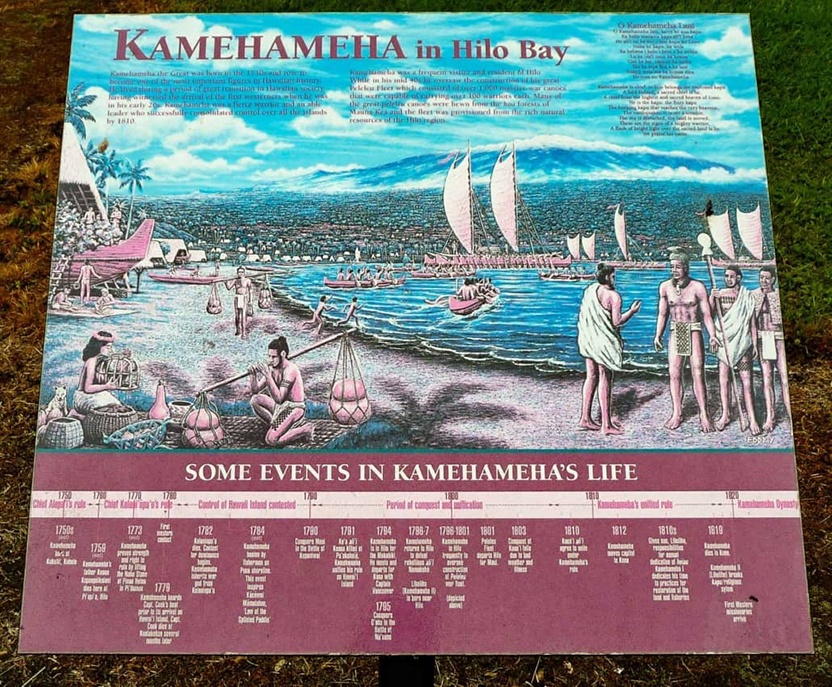
Directly across from the palace is Aliiolani Hale. Today, it houses the Hawaii State Supreme Court, but its history predates statehood. Originally designed as a palace, it was converted into a government building for the kingdom. Standing prominently in front of it is the iconic gold-leaf statue of King Kamehameha I, the monarch who first unified the Hawaiian Islands. This landmark represents the legal and administrative framework of the kingdom that was eventually absorbed by the United States legal system.
Washington Place: A Transition of Residence
Another essential landmark is Washington Place. Built by an American sea captain, it later became the private residence of Queen Liliuokalani. After the annexation, it served as the executive mansion for the Governors of Hawaii. This transition from a queen’s home to a governor’s mansion perfectly encapsulates the shift in “ownership” of the islands—from a royal family to a United States administrative head.
Strategic Hubs: Landmarks of Global Conflict and Diplomacy
While the political shift happened in the courtrooms and palaces of Oahu, the international justification for Hawaii becoming part of the United States was largely military. The landmarks associated with this era explain why the United States was so determined to maintain control over the archipelago.
Pearl Harbor and the USS Arizona Memorial
Pearl Harbor is perhaps the most famous landmark in Hawaii. Long before the infamous 1941 attack, the United States had eyed the natural harbor as a strategic gem. The 1887 renewal of the Reciprocity Treaty between the United States and the Kingdom of Hawaii gave the U.S. Navy exclusive rights to use the harbor. Today, the USS Arizona Memorial stands as a testament to the heavy military presence that solidified Hawaii’s role as the “Crossroads of the Pacific.”
Ford Island and the Battleship Row
Located in the center of Pearl Harbor, Ford Island is a landmark that highlights the rapid militarization of the islands post-annexation. The transition from an island used for ancient Hawaiian agriculture to a massive naval aviation hub illustrates how the land’s purpose shifted to serve the national security interests of the United States. The presence of the USS Missouri, where the surrender of Japan was signed, further anchors Hawaii as a landmark of global diplomatic history.
Punchbowl Crater: The National Memorial Cemetery of the Pacific
Punchbowl Crater, or Puowaina, is a volcanic landmark that serves as the National Memorial Cemetery of the Pacific. It is a site of deep historical reverence, housing the remains of thousands of soldiers who served in the Pacific Theater. This landmark bridges the gap between Hawaii’s natural geological history and its contemporary role as a cornerstone of American military sacrifice and heritage.
Natural Monuments: The Geography of an Archipelago
Beyond the man-made structures, the very geography of Hawaii acts as a landmark of its unique status. These natural features were the ultimate “commodity” that the United States sought to secure, providing a gateway to the Far East and control over Pacific trade routes.
Diamond Head State Monument
Diamond Head State Monument, known as Leahi to the locals, is the most recognizable natural landmark in Waikiki. Historically, it served as a lookout point for the Hawaiian military and later as a United States coastal defense site. Its iconic silhouette represents the rugged beauty that has made Hawaii a premier destination for travelers from San Francisco to Tokyo.
Hawaii Volcanoes National Park
On the Big Island, the Hawaii Volcanoes National Park showcases the raw power of the land. Home to Kilauea and Mauna Loa, this park is a landmark of the ongoing creation of the islands. For the United States, the acquisition of these volcanic lands meant gaining control over unique geological resources and some of the most diverse ecosystems on the planet.
The Napali Coast of Kauai
The Napali Coast on the island of Kauai serves as a reminder of the Hawaii that existed before Western contact. Its towering cliffs and secluded valleys were home to early Polynesian settlers. This natural landmark remains largely untouched, providing a stark contrast to the developed urban centers of Honolulu. It stands as a testament to the endurance of the land itself, regardless of which government claims ownership.

A Legacy Written in Stone and Soil
In conclusion, the United States did not “buy” Hawaii in a traditional sense. There was no exchange of gold for land as there was with Spain for Florida. Instead, the acquisition was a multifaceted process of annexation that followed a complex era of monarchy and revolution. The landmarks of the islands—ranging from the royal Iolani Palace to the natural heights of Mauna Kea—provide the most accurate record of this history.
For those visiting the Hawaiian Islands, these landmarks offer more than just photo opportunities. They are chapters in a story of a nation that transitioned from an independent kingdom to a vital part of the United States. Whether exploring the lush Hana Highway on Maui or the historic streets of Lahaina, the history of “who we bought Hawaii from” is visible everywhere. It is a legacy of the Hawaiian people, the monarchs who led them, and the geopolitical forces that reshaped the map of the world. Understanding these landmarks is the first step in appreciating the true depth and spirit of Hawaii.
LifeOutOfTheBox is a participant in the Amazon Services LLC Associates Program, an affiliate advertising program designed to provide a means for sites to earn advertising fees by advertising and linking to Amazon.com. Amazon, the Amazon logo, AmazonSupply, and the AmazonSupply logo are trademarks of Amazon.com, Inc. or its affiliates. As an Amazon Associate we earn affiliate commissions from qualifying purchases.