
The Boston Marathon is more than just a race; it’s a revered institution, a symbol of athletic endurance, and a beloved annual tradition that transforms the city of Boston into a vibrant celebration of community spirit. Every Patriot’s Day, thousands of runners from around the globe converge on this historic route, cheered on by over half a million spectators. However, on April 15, 2013, this joyous occasion was tragically interrupted by an act of terror that left an indelible mark on the hearts of many. The question “Who died at the Boston Marathon?” carries a profound weight, prompting us to remember the innocent lives lost and reflect on the extraordinary resilience that emerged from unimaginable pain.
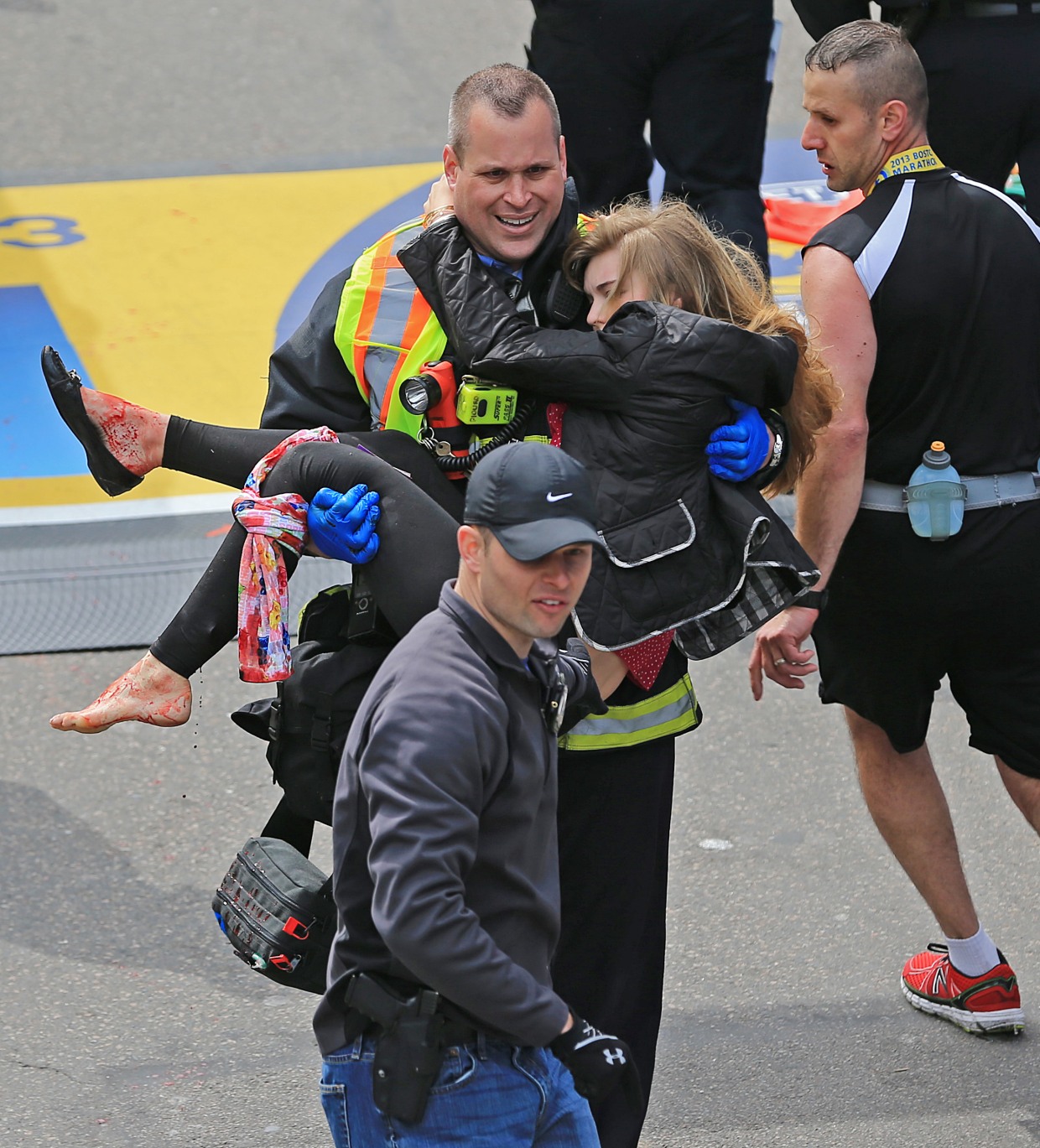
The bombing at the Boston Marathon was a senseless act of violence that not only claimed lives but also injured hundreds, shattering the festive atmosphere and plunging a city into shock. Yet, from the depths of despair, the spirit of “Boston Strong” rose, uniting individuals, families, and communities in an inspiring display of courage, compassion, and unwavering determination. This article delves into the tragic events of that day, honors the memories of those who perished, and explores how Boston, a city rich in history and culture, transformed grief into a powerful testament to human resilience, continuing to welcome visitors worldwide with open arms and an enduring spirit.
The Day That Changed Everything: April 15, 2013
Patriot’s Day in Boston is typically a day of dual celebrations: the remembrance of the Battles of Lexington and Concord, and the running of the world’s oldest annual marathon. The air is usually electric with anticipation, hope, and the collective roar of support for every runner pushing towards the finish line. On that fateful Monday in 2013, the mood was no different. The weather was mild, spirits were high, and the city was abuzz with its quintessential spring festivities. Runners, having conquered miles of challenging terrain, were nearing their ultimate goal, just blocks away from glory on Boylston Street, the heart of the finish line experience.
A Celebration Turned Tragedy
As the clock ticked past 2:49 PM, the festive scene on Boylston Street dissolved into chaos. Two homemade pressure-cooker bombs, detonated just seconds apart, ripped through the crowd near the finish line. The explosions sent shockwaves not only through the immediate vicinity but across the entire nation and beyond. What was moments earlier a picture of triumph and human endeavor instantly became a scene of horror: smoke billowing, debris flying, and the joyous cheers replaced by screams of terror and anguish. The iconic finish line banners, once symbols of achievement, were now tattered remnants of a shattered dream. The attack, unprecedented in the history of the Boston Marathon, brought an abrupt and brutal end to the day’s celebration, forever altering the perception of public gatherings and challenging the innocence of a beloved event. The vibrant energy that defines the city’s relationship with its marathon tradition was momentarily overshadowed by fear and disbelief, a stark reminder of vulnerability even amidst the grandest public spectacles.
The Immediate Aftermath
In the immediate moments following the blasts, the scene was one of overwhelming confusion and devastation. Yet, amidst the terror, extraordinary acts of heroism emerged. Spectators, emergency responders, and even other runners rushed towards the injured, offering aid, comfort, and support. Medical tents, initially set up to treat exhausted marathoners, quickly transformed into triage centers for those suffering from severe injuries. The city’s emergency services, along with countless volunteers, sprang into action with remarkable speed and coordination. The streets were cleared, victims were transported to nearby hospitals, and a massive manhunt for the perpetrators began, galvanizing law enforcement agencies at local, state, and federal levels. The initial shock gave way to a resolute determination to not only care for the wounded but also to bring those responsible to justice. This immediate outpouring of solidarity and courage laid the groundwork for the “Boston Strong” mantra that would soon define the city’s response to the tragedy, reflecting an inherent refusal to be defeated by fear.
Remembering the Victims: Lives Lost, Legacies Enduring
The question of “Who died at the Boston Marathon?” transcends mere statistics; it is a solemn call to remember the individuals whose lives were tragically cut short and whose absence left an irreplaceable void in the lives of their loved ones. Three spectators were killed on Boylston Street in the bombings, and a fourth individual, an MIT police officer, was fatally shot days later during the manhunt for the perpetrators. Their stories, though tragically brief, speak volumes about the vibrant lives they led and the profound impact they had on their communities.
Martin Richard was an 8-year-old boy from Dorchester, a neighborhood in Boston, who was at the finish line with his family to cheer on the runners. A vibrant and active child, Martin was known for his infectious smile and his passionate advocacy for peace. A photograph of him holding a handmade sign that read “No more hurting people. Peace.” became an iconic image of the tragedy, encapsulating a child’s simple yet profound wish for a better world. He was an avid participant in local sports and community events, and his innocent joy touched everyone he met. His family, including his mother and sister, were also severely injured in the blast, a testament to the indiscriminate cruelty of the attack. Martin’s memory continues to inspire acts of kindness and calls for peace, embodying the very best of human spirit even in the face of unspeakable loss.
Krystle Campbell, a 29-year-old restaurant manager from Medford, Massachusetts, was at the finish line with a friend, enjoying the festive atmosphere and supporting the runners. Known for her infectious laugh, kind heart, and adventurous spirit, Krystle was a beloved daughter, sister, and friend. She was admired for her work ethic and her ability to make everyone around her feel valued and happy. Her passion for life extended to her love for animals and her unwavering loyalty to her loved ones. Her sudden death was a devastating blow to her family and friends, who remember her as a bright light whose presence made the world a better place. Krystle’s story is a poignant reminder of the vibrant futures stolen and the countless moments of joy that will never be shared.
Lingzi Lu, a 23-year-old graduate student from China attending Boston University, was with friends watching the race, experiencing the thrill of American culture and academic life. She was pursuing a master’s degree in mathematics and statistics, a testament to her intelligence and ambition. Friends and professors described Lingzi as an enthusiastic and diligent student with a vibrant personality and a passion for life. She loved exploring Boston, savoring new experiences, and sharing her culture with others. Her dream was to complete her studies and return to China to build a successful career. Lingzi’s death underscored the global reach of the tragedy, impacting families far beyond American borders and highlighting the vulnerability of international students drawn to Boston’s renowned educational institutions.
Days after the bombing, during the intense manhunt for the perpetrators, Sean Collier, a 27-year-old police officer with the Massachusetts Institute of Technology (MIT) Police Department, was tragically ambushed and killed in the line of duty. Officer Collier was known for his dedication, his kindness, and his commitment to serving the MIT community. He was a promising young officer with a passion for helping others, and his colleagues remembered him as a calm and steady presence who genuinely cared for the students and staff he protected. His death, directly linked to the aftermath of the bombings, added another layer of sorrow to the tragedy, reminding everyone of the sacrifices made by law enforcement in protecting communities. Officer Collier’s ultimate sacrifice solidified his place as a hero in the hearts of Bostonians and the nation.
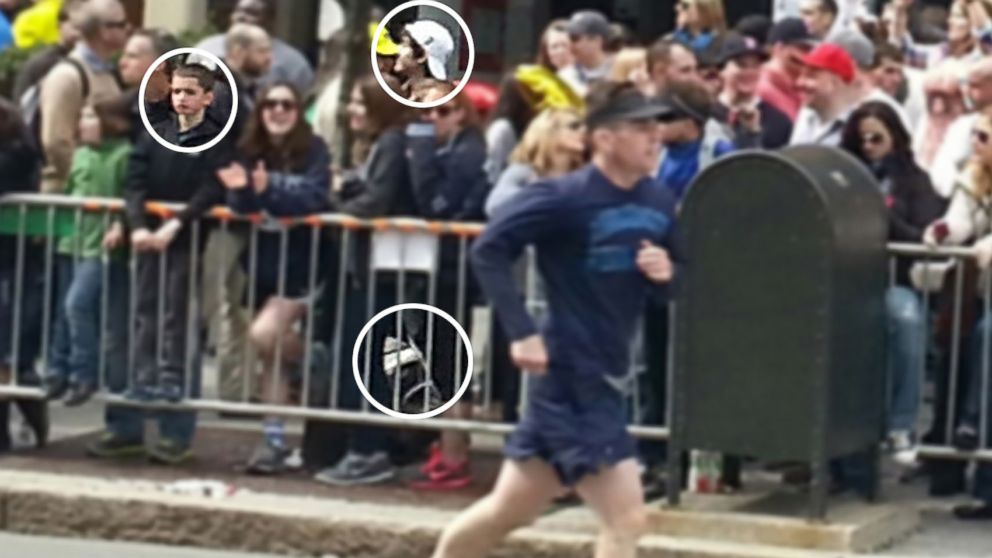
Beyond these four lives lost, over 260 people were injured, many suffering life-altering wounds, including traumatic amputations. The physical and psychological scars of the bombing are a permanent part of Boston’s story, a solemn reminder of the fragility of life and the enduring strength required to heal and rebuild. The remembrance of these victims is not just about recounting a tragedy, but about honoring their humanity and ensuring their legacies inspire future generations to uphold values of peace, community, and resilience.
The Spirit of Boston Strong: Resilience and Community
In the wake of the Boston Marathon bombings, the world watched to see how a city would respond to such an act of terror. What emerged was a powerful and unifying display of courage, compassion, and an unwavering commitment to overcome adversity. The phrase “Boston Strong” became more than just a slogan; it was a rallying cry that encapsulated the collective spirit of a city refusing to be defined by violence. This spirit has profoundly influenced how Boston is perceived as a travel destination, highlighting its deep sense of community and its ability to turn tragedy into a testament to human fortitude.
Unifying a City and Beyond
The “Boston Strong” movement quickly transcended local boundaries, becoming a symbol of resilience that resonated globally. The people of Boston, from its iconic neighborhoods like the North End to the academic halls of Harvard University and MIT, came together with unprecedented unity. Fundraisers were organized, vigils were held, and countless acts of kindness were exchanged, all demonstrating a refusal to let fear prevail. The immediate response from medical professionals, first responders, and ordinary citizens was nothing short of heroic. The sense of shared grief quickly transformed into a shared resolve, fostering a deeper connection among residents and reinforcing the city’s identity as a place where community matters above all else. This enduring spirit of unity became a compelling narrative for visitors, showcasing a city that, while steeped in history, is vibrantly alive with a modern strength and a welcoming heart. The outpouring of support from across the United States and the world also underscored the universal appeal of Boston as a place that holds a special significance for many.
The Marathon Continues
Perhaps the most poignant demonstration of Boston’s resilience has been the continuation of the Boston Marathon itself. In the years following the 2013 tragedy, the marathon has been embraced with renewed vigor and significance. Each subsequent race has served as both a memorial and a powerful declaration of triumph over terror. The crowds along the route are larger and more enthusiastic than ever, their cheers echoing a message of defiance and hope. Runners, many inspired by the victims and survivors, participate not just for personal achievement but as part of a collective act of remembrance and solidarity. The event has become a pilgrimage for many, a testament to the fact that while tragedy can strike, it cannot extinguish the human spirit or the communal joy of a cherished tradition. For those interested in unique travel experiences, attending the Boston Marathon offers an unparalleled opportunity to witness a global event steeped in history, emotion, and an unforgettable display of human endurance. It showcases Boston as a destination where history is not just preserved but actively lived and celebrated, a city that embodies the very essence of human perseverance.

Visiting Boston: A City of History, Culture, and Resilience
Boston, often called “The Hub,” is a city where revolutionary history meets contemporary charm, offering a rich tapestry of experiences for every traveler. From its cobblestone streets to its bustling modern districts, Boston invites visitors to explore its past, immerse themselves in its vibrant present, and witness the enduring spirit of its people. The city’s ability to heal and thrive after the marathon bombing only adds another layer to its compelling narrative, making it an even more inspiring destination for those seeking a blend of historical depth, cultural richness, and modern resilience.
Exploring Boston’s Landmarks and Attractions
Boston’s historical significance is palpable around every corner, making it a dream destination for history buffs. A must-do experience is walking the Freedom Trail, a 2.5-mile red-lined path that guides visitors to 16 historically significant sites, including the Massachusetts State House, Faneuil Hall, and the site of the Boston Massacre. Faneuil Hall, known as the “Cradle of Liberty,” is a bustling marketplace where history and commerce seamlessly intertwine, offering diverse food options and artisan crafts.
Beyond the Freedom Trail, visitors can relax in the serene beauty of the Boston Common and the adjacent Public Garden, home to the iconic Swan Boats. Architectural enthusiasts will appreciate the stunning Victorian brownstones of the Back Bay neighborhood, which also hosts high-end shopping on Newbury Street and cultural institutions near Copley Square, including the Boston Public Library and Trinity Church. The Boston Marathon finish line on Boylston Street is also in Copley Square, serving as a powerful, albeit subtle, reminder of the city’s journey. For those interested in maritime history, the USS Constitution Museum in Charlestown offers a fascinating glimpse into America’s naval past. The Museum of Fine Arts and the Isabella Stewart Gardner Museum cater to art lovers, showcasing diverse collections from around the world. These landmarks and attractions not only offer incredible experiences but also connect travelers to the deep roots of American culture and the ongoing story of a city that cherishes its heritage.
Accommodation and Lifestyle in the Hub
Boston’s diverse neighborhoods offer a wide array of accommodation options to suit every preference and budget, ensuring a comfortable stay for all types of travelers. From luxurious hotels in Back Bay and the Financial District to charming boutique inns in the Beacon Hill area, visitors can choose lodging that reflects their desired travel style. Many world-class properties offer amenities such as exquisite dining, spa services, and stunning views of the city skyline or Boston Harbor. For those seeking a more local experience, numerous guesthouses and short-term apartment rentals are available in areas like the South End, providing an authentic glimpse into Bostonian life. Families can find spacious suites, while business travelers might prefer hotels with comprehensive meeting facilities and easy access to transportation.
Beyond lodging, Boston’s lifestyle scene is rich and varied. The city is a culinary haven, celebrated for its fresh New England seafood, especially clam chowder and lobster rolls. Vibrant dining districts abound, from the Italian restaurants of the North End to the upscale eateries in the Seaport District. For entertainment, Boston boasts a thriving theater scene, live music venues, and a robust sports culture, highlighted by its beloved professional teams. The city’s numerous parks and waterfront areas also offer ample opportunities for outdoor activities, from jogging along the Charles River Esplanade to enjoying harbor cruises. Whether you’re planning a luxurious escape, a budget-friendly adventure, a family vacation, or a business trip, Boston provides a multifaceted experience that caters to all, blending its historical significance with a contemporary, dynamic way of life.
The tragedy of the Boston Marathon bombing brought profound sorrow, but it also revealed the extraordinary strength and unity of a remarkable city. The memory of Martin Richard, Krystle Campbell, Lingzi Lu, and Officer Sean Collier endures, serving as a powerful reminder of the human cost of violence and the enduring power of compassion. Boston’s journey of healing and resilience, encapsulated by the phrase “Boston Strong,” has become an integral part of its identity, showcasing a community that refused to yield to fear. Today, Boston stands as a vibrant testament to history, culture, and an unwavering spirit. It welcomes visitors not just to explore its iconic landmarks and enjoy its rich lifestyle, but also to witness firsthand the strength of a city that transformed tragedy into a powerful narrative of hope and human endurance.
LifeOutOfTheBox is a participant in the Amazon Services LLC Associates Program, an affiliate advertising program designed to provide a means for sites to earn advertising fees by advertising and linking to Amazon.com. Amazon, the Amazon logo, AmazonSupply, and the AmazonSupply logo are trademarks of Amazon.com, Inc. or its affiliates. As an Amazon Associate we earn affiliate commissions from qualifying purchases.