
The Boston Marathon is more than just a race; it’s a cornerstone of Boston‘s identity, an annual spectacle that transforms the city into a vibrant festival of human endurance and community spirit. Each year on Patriots’ Day, thousands of runners from across the globe converge on this historic route, cheered on by over a million spectators lining the streets. It’s a day of celebration, personal achievement, and collective joy, deeply woven into the fabric of American sports and culture. For many, attending or participating in the Boston Marathon is a bucket-list travel experience, a chance to witness history and feel the palpable energy of one of the world’s most prestigious road races. The journey from Hopkinton to the finish line on Boylston Street is a testament to perseverance, embodying the very spirit of athleticism and communal support.

However, the question “Who Died At The Boston Marathon?” carries a profound weight, redirecting the narrative from triumph to tragedy. It harks back to April 15, 2013, a day that began with typical fanfare but ended in an unimaginable act of terror that shook the city and the world. On that fateful “Marathon Monday,” two homemade pressure cooker bombs detonated near the race’s finish line, transforming a scene of joyous culmination into one of chaos, fear, and immense suffering. This horrific event claimed the lives of three innocent spectators immediately and critically injured hundreds more, leaving an indelible scar on the heart of Boston and forever altering the landscape of large public gatherings. This article delves into the lives lost, the bravery that emerged from the rubble, and the enduring legacy of resilience that continues to define the Boston Marathon and the vibrant city it calls home. It explores how this event, while tragic, also showcased the unbreakable spirit of a community and the power of human connection, themes that resonate deeply with the essence of travel and shared experiences.
The Day the Marathon Became a Memorial
The morning of April 15, 2013, was quintessential Marathon Monday in Boston. The air buzzed with excitement, the streets were packed with cheering fans, and the iconic yellow and blue finish line banner stretched proudly across Boylston Street in Copley Square, just outside the historic Boston Public Library. Runners, after enduring 26.2 miles, pushed through their final strides, often collapsing into the arms of volunteers or celebrating with loved ones. Spectators, many of whom had traveled far to witness the event, lined the barricades, holding signs and shouting encouragement. Hotels in the vicinity, like those around Copley Square and the Back Bay area, were at capacity, bustling with guests eager to experience the race from prime vantage points or offering respite to weary runners post-race.
Then, at 2:49 PM EDT, the celebratory atmosphere shattered. Two explosions, just 12 seconds apart, ripped through the air near the finish line, precisely where thousands of spectators were gathered. The first bomb detonated outside the Marathon Sports store at 671 Boylston Street, followed almost immediately by the second at 755 Boylston Street, near the Forum restaurant. The deafening blasts, the plumes of smoke, and the immediate screams of terror and pain replaced the cheers. The scene quickly devolved into chaos: bloodied bodies, scattered debris, and the heart-wrenching cries of the injured. First responders, medical personnel, and even ordinary citizens, including many runners who had just completed the race, rushed towards the injured, demonstrating an immediate and profound display of heroism amidst the horror. This section of Boylston Street, typically a vibrant hub of tourism and local life, transformed into an emergency triage center, a stark reminder of how quickly joy can turn to sorrow. The marathon, a symbol of human triumph, became a site of profound tragedy, forever linking its name not just with athletic achievement, but with a community’s shared grief and unwavering courage.
Lives Lost: A Community’s Shared Grief
The immediate impact of the Boston Marathon bombings was the tragic loss of three innocent lives, each a vibrant thread torn from the fabric of their families and communities. These individuals, present at the finish line for diverse reasons, represent the indiscriminate nature of such an attack and underscore the deep personal cost of terrorism.
Krystle Campbell: A 29-year-old restaurant manager from Medford, Massachusetts, Krystle Campbell was at the finish line with a friend, waiting to cheer on her friend’s boyfriend as he completed the race. Described by her family and friends as a bright, outgoing, and loving woman with a radiant smile, Krystle embodied the spirit of a supportive friend. She had traveled to Boston that day, like many others, to partake in the communal celebration, a common experience for those seeking local immersion and connection during major city events. Her sudden death left an immeasurable void for her family, who remembered her for her kindness and unwavering positive attitude. Her story is a poignant reminder of the everyday individuals who become caught in extraordinary acts of violence while simply enjoying life’s simple pleasures.
Lu Lingzi: A talented 23-year-old graduate student from China, Lu Lingzi was studying mathematics and statistics at Boston University. She was at the finish line with two friends, having ventured out to experience the excitement of the iconic American event. Lingzi was an aspiring actuary, known for her dedication, intelligence, and a vibrant curiosity that led her to explore new cultures and experiences. Her journey to Boston represented a significant step in her academic and personal growth, highlighting the city’s role as a global destination for education and cultural exchange. Her death resonated particularly deeply within the international student community and emphasized the global impact of the tragedy. She was a young woman with immense potential and dreams of a bright future, cut short in a city she had come to call a second home.
Martin Richard: The youngest victim, 8-year-old Martin Richard from the Dorchester neighborhood of Boston, was at the finish line with his family to cheer on runners. Martin was a typical energetic child, full of life and a love for sports. He was standing on a barrier with his younger sister, Jane, who lost a leg in the blast, and his mother, Denise, who suffered a severe brain injury. His father, Bill, and older brother, Henry, were unharmed. Martin’s image became an enduring symbol of the tragedy, particularly a photograph of him holding a handmade poster that read, “No more hurting people. Peace.” This powerful message, penned by a child, became a rallying cry for healing and unity, encapsulating the profound innocence lost and the hope for a more peaceful future. His story highlighted the vulnerability of families enjoying a public event and underscored the universal desire for peace and safety.
These three individuals, distinct in their backgrounds and aspirations, were united in their tragic fate. Their stories serve as a powerful reminder of the human cost of violence and the shared grief that binds a community in the face of senseless acts.
The Aftermath: A City United in Purpose
The days following April 15, 2013, plunged Boston into an unprecedented state of emergency and a collective outpouring of grief and determination. The chaos of the bombing quickly gave way to a meticulous and urgent investigation, led by federal and local law enforcement agencies working around the clock. The world watched as the city, usually a bustling hub for tourism and business, transformed into a tense, unified front against terror. This period tested the resilience of Boston’s residents and showcased the indomitable spirit that would soon become globally recognized. The immediate aftermath involved not only a massive manhunt but also an incredible display of community support, compassion, and unwavering solidarity, echoing the historical strength embedded in the city’s very foundations as a landmark of American liberty.
The Manhunt and the Heroic Sacrifice
In the days immediately following the bombings, the investigation rapidly progressed. On April 18, the FBI released surveillance images of two suspects, later identified as brothers Tamerlan Tsarnaev and Dzhokhar Tsarnaev. This public identification escalated the urgency of the manhunt, leading to a series of dramatic events that captivated the nation.

Late on the evening of April 18, the tranquility of the Massachusetts Institute of Technology (MIT) campus in Cambridge was shattered. The Tsarnaev brothers ambushed and fatally shot MIT Police Officer Sean Collier, 27, in his patrol car. Officer Collier, a dedicated and beloved member of the MIT community, had merely been performing his duty, unaware of the lurking danger. His heroic sacrifice in the line of duty added a fourth name to the list of lives tragically cut short by the bombers’ actions, further galvanizing the resolve of law enforcement and the public. His memory is honored as a protector and a testament to selfless service, particularly significant for those visiting academic landmarks like MIT.
The events then unfolded rapidly, leading to a harrowing chase through the streets of Watertown, Massachusetts. Following a carjacking and a desperate flight, the suspects engaged in a violent shootout with police in the early hours of April 19. During this intense confrontation, Tamerlan Tsarnaev was killed. The entire city of Boston and several surrounding communities, including Watertown, were placed under an unprecedented “shelter-in-place” lockdown order. Public transportation ceased, businesses closed, and residents were instructed to stay indoors. The streets, typically bustling with commuters and tourists, were eerily deserted, creating a surreal atmosphere across this historic American city.
Hours later, after an exhaustive door-to-door search by law enforcement, Dzhokhar Tsarnaev was discovered hiding in a boat in a backyard in Watertown and was apprehended. The capture of the second bomber brought a collective sigh of relief, marking the end of a terrifying 100-hour ordeal that had gripped the nation. The successful resolution of the manhunt, achieved through exceptional inter-agency cooperation and immense public support, demonstrated an unparalleled dedication to justice.
Boston’s Unyielding Spirit: “Boston Strong”
In the wake of the bombings, a powerful slogan emerged that would define the city’s response and resonate far beyond its borders: “Boston Strong.” This simple yet profound phrase became a rallying cry for unity, resilience, and unwavering defiance in the face of terror. It was more than just a motto; it was a testament to the character of a city that refused to be broken.
The “Boston Strong” movement transcended mere words, manifesting in countless acts of compassion and solidarity. Blood donation centers were overwhelmed with volunteers. Fundraisers, notably The One Fund Boston, raised millions of dollars to support the victims and their families, with contributions pouring in from across the globe. Healthcare professionals performed miracles, saving lives and limbs under immense pressure. Businesses, many of which had to close during the lockdown, offered support to employees and the wider community. Hotels, usually focused on guest comfort, became havens for those displaced or needing to assist. This collective response highlighted the deep-seated community spirit that is a hallmark of Boston, a city rich in history and known for its fiercely independent yet unified population. For travelers to Boston, particularly in the years following the bombing, the “Boston Strong” message became an integral part of understanding the local culture and the enduring spirit of its people.
The Boston Marathon itself became the ultimate symbol of this resilience. The very next year, in 2014, the race returned with an unprecedented wave of emotional intensity and participation. Security was significantly heightened, transforming the event into a meticulously guarded spectacle, yet the spirit of triumph remained undimmed. Spectators lined the course in even greater numbers, their cheers louder, their solidarity more visible. Runners wore “Boston Strong” bibs and tributes, turning each stride into an act of defiance and remembrance. The finish line, once a scene of devastation, became a monument to perseverance, a place where triumph and remembrance intertwined. The 2014 Boston Marathon was not just a race; it was a cathartic affirmation that the city had healed, rebuilt, and emerged stronger. It profoundly impacted the perception of Boston as a destination, showcasing it not just as a historical landmark city, but as a vibrant, resilient community.
The Enduring Legacy and Lessons for Travelers
The events of April 15, 2013, left an indelible mark on Boston and the collective consciousness, but out of the tragedy, a powerful legacy of remembrance, resilience, and renewed purpose emerged. For those visiting Boston today, the story of the bombings is an intrinsic part of understanding the city’s modern identity, much like its Revolutionary War history. It offers profound lessons not only about community and courage but also about the inherent risks and responsibilities associated with global travel and attendance at large public events.
Remembering and Rebuilding: Landmarks and Memorials
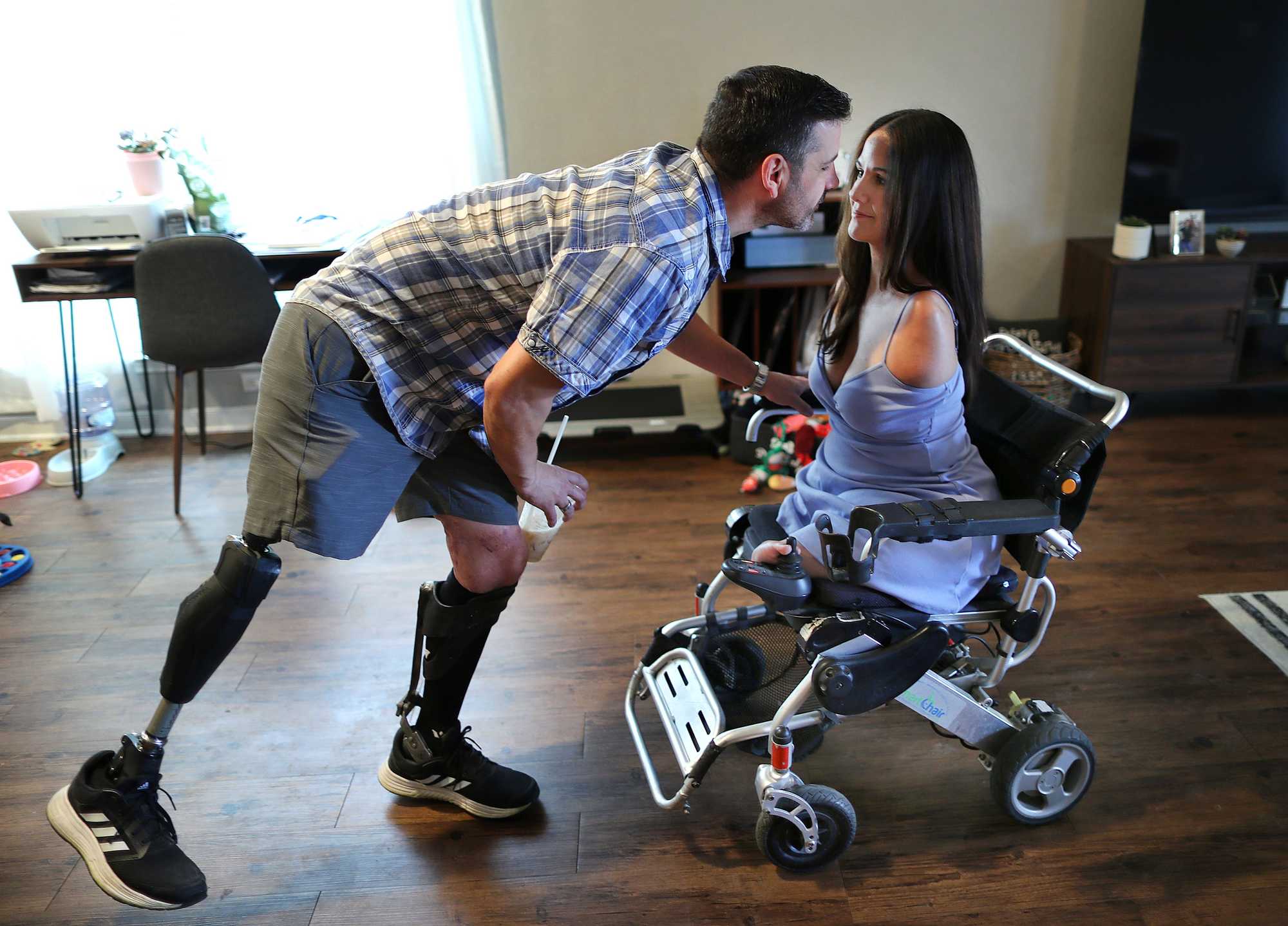
Today, the physical landscape around the finish line on Boylston Street has been meticulously rebuilt and revitalized, yet it carries the profound weight of history. The stores, restaurants, and surrounding hotels have resumed their bustling activity, but memorials subtly weave the story of the tragedy into the urban fabric. The official Boston Marathon Memorial, unveiled in 2019, stands as a permanent tribute. Located at both bomb sites on Boylston Street, the memorial features bronze spires, symbolizing the light that emerged from darkness, and granite stones engraved with the names of the victims, surrounded by benches and trees providing a space for quiet reflection.
For travelers, these memorials and the revitalized area around Copley Square offer a somber yet essential stop. Visiting these sites allows for a deeper connection to the city’s modern history and its remarkable journey of recovery. It’s a testament to how a community can honor its past while defiantly looking towards the future. The Boston Public Library, a landmark that served as an emergency triage center during the immediate aftermath, continues to stand as a beacon of knowledge and public gathering, its historical significance now layered with the memory of that day. Each year, the Boston Marathon continues to draw thousands, not just as a race, but as a pilgrimage of sorts, a powerful affirmation of life and collective spirit. The event, far from being diminished, has grown in emotional resonance and global significance, making it an even more compelling experience for participants and spectators from around the world.
Safety, Community, and the Spirit of Travel
The Boston Marathon bombings prompted a global re-evaluation of security protocols for major public gatherings, from sporting events to concerts and festivals. For travelers, this heightened awareness translates into visible changes: increased law enforcement presence, stricter bag checks, and crowd control measures are now standard at large events worldwide. While these measures can sometimes feel intrusive, they are a necessary evolution in ensuring public safety in an unpredictable world. Understanding these protocols is an important aspect of responsible travel in the modern era, particularly when visiting popular tourist destinations or attending high-profile events.
Beyond security, the Boston tragedy underscored the profound importance of community and the universal human desire for connection and shared experiences. Travel, at its core, is about connecting with new places, cultures, and people. The response of the Boston community—the immediate heroism, the ongoing support for victims, and the collective resilience—serves as a powerful reminder of the strength found in unity. It highlights how cities, often seen as mere collections of buildings and attractions, are in fact vibrant ecosystems of human interaction and solidarity.
For those planning to attend major events or explore bustling urban centers, the lessons from Boston are invaluable:
- Situational Awareness: Always be aware of your surroundings, identify exits, and note any unusual activity.
- Emergency Preparedness: Know what to do in case of an emergency, and follow instructions from authorities.
- Embrace Community: Recognize the shared humanity that brings people together at such events, fostering a sense of collective responsibility and mutual support.
The story of the Boston Marathon bombing is a somber chapter in the city’s history, marked by unimaginable loss. However, it is also an inspiring testament to human courage, compassion, and unwavering resilience. The memory of Krystle Campbell, Lu Lingzi, Martin Richard, and Officer Sean Collier lives on, not just in memorials, but in the spirit of a city that chose defiance over despair. Boston today stands as a landmark of history, innovation, and, perhaps most profoundly, human strength, offering travelers not just sights and experiences, but a deeply moving narrative of enduring hope.
LifeOutOfTheBox is a participant in the Amazon Services LLC Associates Program, an affiliate advertising program designed to provide a means for sites to earn advertising fees by advertising and linking to Amazon.com. Amazon, the Amazon logo, AmazonSupply, and the AmazonSupply logo are trademarks of Amazon.com, Inc. or its affiliates. As an Amazon Associate we earn affiliate commissions from qualifying purchases.