
Unearthing the Lingering Spirits of the Crescent City
The question “Who Died In New Orleans?” is more than a morbid curiosity; it’s an invitation to explore the rich, often poignant, history woven into the fabric of this legendary American city. While its vibrant music, culinary delights, and unique architecture draw millions, a significant part of its allure lies in the stories of those who have passed and, some believe, never truly left. This exploration delves into the historical figures, notable residents, and the enduring legends that contribute to the spectral reputation of New Orleans. Understanding the lives and deaths of these individuals offers a deeper appreciation for the city’s profound cultural heritage and its captivating, ghost-haunted atmosphere.

The city’s long and complex history, marked by periods of immense prosperity, devastating loss, and a unique cultural synthesis, has naturally led to a rich tapestry of folklore and reported hauntings. From the early colonial days to the tumultuous events of more recent times, New Orleans has been a stage for countless dramas, both grand and intimate, many of which have left an indelible mark on its spiritual landscape. The mingling of cultures – French, Spanish, African, Caribbean, and American – has created a unique spiritual and religious heritage, including Voodoo, which often informs beliefs about the afterlife and the presence of spirits.
The Architects of the City’s Soul
Many prominent figures whose lives and deaths are intertwined with the city’s narrative are said to linger. Their contributions, whether in politics, arts, or social reform, shaped New Orleans into the entity it is today, and their spirits are often associated with significant landmarks or their former residences.
Voodoo Queens and Their Enduring Influence
Perhaps no figures are more synonymous with the spectral side of New Orleans than the Voodoo Queens. Marie Laveau, the most famous of them all, remains a powerful presence even in death. Her tomb in St. Louis Cemetery No. 1 is a pilgrimage site for those seeking blessings or simply paying respects to her legendary influence. Believed to possess extraordinary powers, her spirit is said to still wander the streets of the French Quarter and even her former home. The stories surrounding her life and alleged immortality contribute to the mystique of Voodoo in New Orleans, making her one of the most frequently discussed spectral residents. Her ability to navigate and influence the city’s social and spiritual currents during her lifetime has translated into an enduring legendary status that transcends the physical realm.
Literary Luminaries and Their Haunting Presence
The city has long been a muse for writers, attracting figures whose creative spirits are said to still inhabit their favorite haunts. William Faulkner, though not a native, spent formative years in New Orleans and penned his first novel here. Some report sightings or feelings of his presence in literary establishments and older homes where he may have resided. Tennessee Williams, who famously set many of his plays in the city, including the iconic “A Streetcar Named Desire,” is also believed by some to haunt the streets and theaters that inspired his dramatic masterpieces, particularly around the French Quarter. His intense emotional connection to the city and its often melancholic beauty seems to have imprinted itself onto its very atmosphere, leading to a lingering sense of his artistic spirit.
Political Figures and Their Spectral Footprints
The political landscape of New Orleans has been a dramatic and often contentious arena, and some of its powerful figures are rumored to continue their influence from beyond the grave. Andrew Jackson, the seventh U.S. President, spent significant time in the city and is associated with several historical sites. While his primary connection is with Nashville, his military and political career had notable intersections with New Orleans, particularly during the War of 1812. Historical accounts and local lore sometimes place his spectral form at places connected to his military achievements or residences. The tumultuous nature of early American politics often meant figures were larger than life, and their passing did not necessarily diminish their perceived influence.
Notorious Lives and Tragic Endings
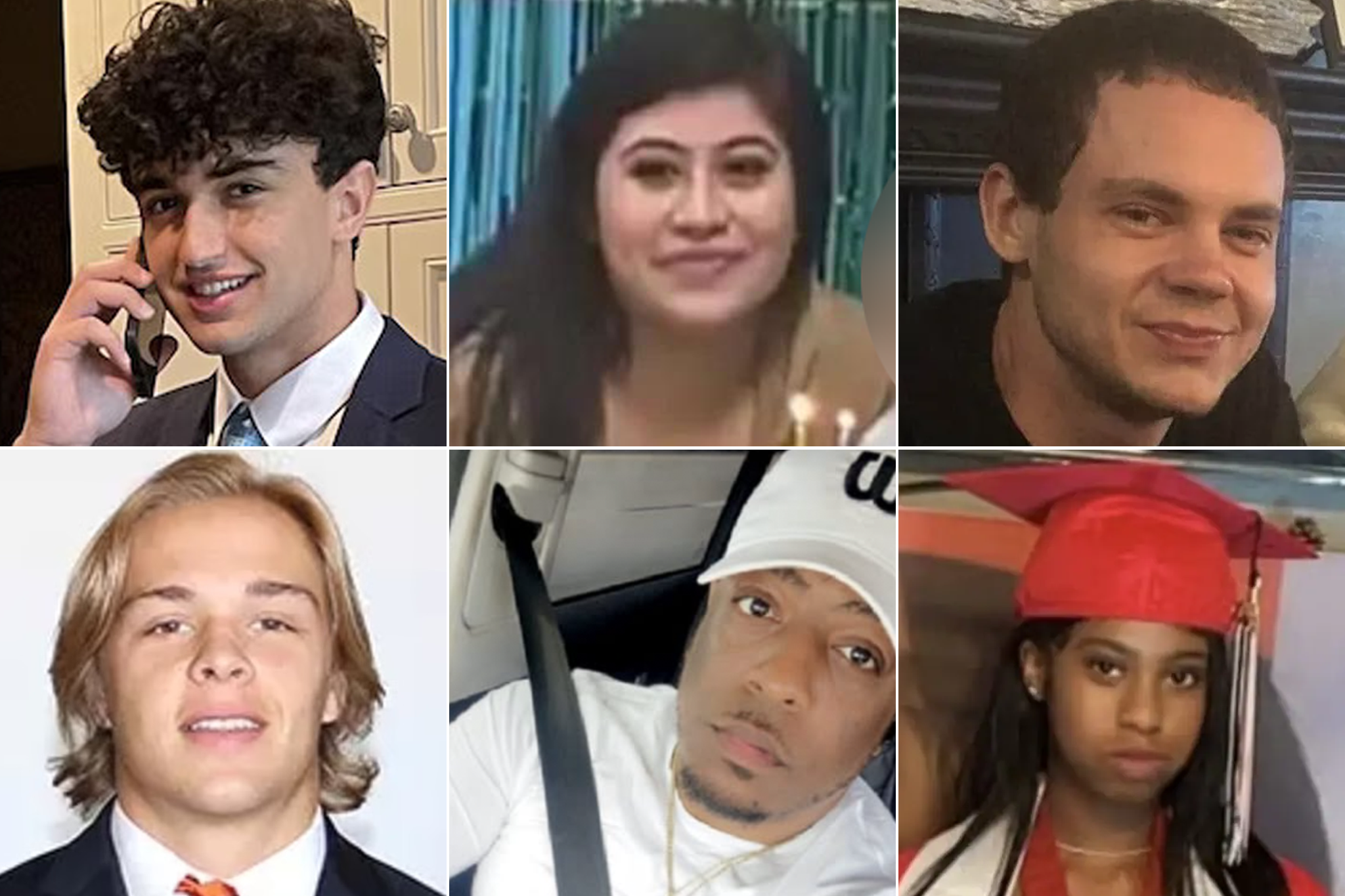
Beyond the celebrated figures, New Orleans is also a city where dramatic events and unfortunate deaths have given rise to some of its most persistent ghost stories. These tales often involve individuals who met untimely ends, suffered greatly in life, or were involved in scandalous affairs, their spirits seemingly tethered to the places where their earthly stories concluded.
The Victims of the City’s Darker Chapters
The history of New Orleans includes periods of significant hardship, including disease outbreaks, fires, and social unrest, all of which have contributed to a rich repository of hauntings. The yellow fever epidemics, which ravaged the city multiple times in the 19th century, claimed thousands of lives, and many believe the residual energy of these victims can still be felt in certain historical areas, particularly around old cemeteries and former infirmaries. The victims of the Great Fire of 1897, which devastated large portions of the French Quarter, are also said to linger, their spectral forms sometimes seen amidst the ruins or in the rebuilt structures. The sheer scale of suffering during these events has led to a collective memory that is often expressed through ghostly apparitions and unexplained phenomena.
The Infamous and the Unsettled
Certain individuals, due to their notoriety or the circumstances of their demise, have become central figures in the city’s paranormal lore. The story of the eccentric millionaire Delphine LaLaurie, whose cruel treatment of her enslaved people led to her notoriety and a horrifying discovery in her mansion, continues to captivate and chill. The LaLaurie Mansion is frequently cited as one of the most haunted sites in New Orleans, with reports of phantom screams, footsteps, and the apparitions of her tortured victims. The sheer barbarity associated with her actions has, according to many, left a potent and restless spiritual residue.
The legend of the pirate Jean Lafitte, a figure of both heroism and villainy, also adds to the city’s spectral tapestry. While his physical death is historically documented, tales persist of his spirit haunting locations where he conducted his illicit operations, particularly around the waterways and clandestine meeting places of his era. His larger-than-life persona and the clandestine nature of his activities lend themselves to the mystique of his enduring presence.
Echoes in Historic Haunts
The physical locations in New Orleans where notable deaths occurred or where spirits are believed to reside are as diverse as the city itself, ranging from grand mansions and historic hotels to public spaces and silent resting grounds.
Cemeteries as Cities of the Dead
The above-ground tombs of New Orleans cemeteries are perhaps its most iconic and spiritually charged locations. St. Louis Cemetery No. 1, the oldest in the city, is not only the final resting place of Marie Laveau but also of numerous other historical figures, including civil rights activists, politicians, and victims of yellow fever. The unique architecture of these “cities of the dead,” designed to cope with the city’s high water table, creates an almost village-like atmosphere, and it is here that many report sensing the presence of those laid to rest. The historical depth of these cemeteries, holding generations of the city’s inhabitants, makes them natural repositories of memory and, for some, spiritual energy.
The French Quarter’s Spectral Residents
The French Quarter itself is a labyrinth of history, and many of its iconic buildings are said to harbor the spirits of their former inhabitants. The Hotel Monteleone, with its storied past, is a well-known location for reported hauntings, with tales of the ghost of a young boy named Maurice, who died in the hotel, and other spectral guests. The Beauregard-Keyes Historic House and Garden, once home to Confederate General P.G.T. Beauregard, is also a site of reported paranormal activity. Every corner of the French Quarter, from its grand salons to its shadowy courtyards, seems to whisper tales of those who lived, loved, and died within its ancient walls. The sheer density of historical events and personal dramas that have unfolded in this relatively small district makes it a prime location for such enduring legends.

Other Significant Sites of Apparitions
Beyond the most famous locales, numerous other buildings and sites across New Orleans are associated with spectral activity. Old theaters, historic homes, and even certain street corners are cited as places where unexplained events occur. The residual energy of intense human experiences – joy, sorrow, fear, or anger – is believed by many to imprint itself onto these locations, leading to the phenomena described as hauntings. The continuous cycle of life and death, played out against the backdrop of New Orleans’s unique cultural and historical context, ensures that the question “Who Died In New Orleans?” will continue to be a source of fascination and a gateway to understanding the city’s soul. The very air of New Orleans seems to hold these stories, making a visit to the city a journey not just through space, but through time and the spectral realm.
LifeOutOfTheBox is a participant in the Amazon Services LLC Associates Program, an affiliate advertising program designed to provide a means for sites to earn advertising fees by advertising and linking to Amazon.com. Amazon, the Amazon logo, AmazonSupply, and the AmazonSupply logo are trademarks of Amazon.com, Inc. or its affiliates. As an Amazon Associate we earn affiliate commissions from qualifying purchases.