
The question “Who discovered gold in California?” often conjures images of prospectors, pan in hand, striking it rich in the pristine rivers of the American West. While the tale is imbued with legend, the actual discovery was a pivotal moment in history, triggering one of the greatest mass migrations the world has ever seen: the California Gold Rush. This event forever reshaped the Golden State, turning it from a sparsely populated frontier into a global economic and cultural powerhouse. For anyone planning a journey through California, understanding this foundational moment adds a rich layer of appreciation to the state’s diverse landscapes, vibrant cities, and historical landmarks.

The undisputed discoverer of gold in California was James W. Marshall, an American carpenter and sawmill operator. His chance finding on January 24, 1848, set in motion a chain of events that transformed a nascent territory into a land of opportunity, drawing hundreds of thousands of dreamers, adventurers, and entrepreneurs from across the globe. Today, the sites of these historic events are preserved as cherished landmarks, offering fascinating travel destinations for history buffs, nature lovers, and families alike.
The Fateful Day at Sutter’s Mill: A Stroke of Destiny
The discovery of gold was not the result of a deliberate search for precious metals but rather an incidental byproduct of industrial expansion. In the mid-19th century, John Sutter, a Swiss immigrant and ambitious entrepreneur, envisioned an agricultural empire in California. He owned a vast tract of land near present-day Sacramento and was building Sutter’s Fort as the center of his burgeoning domain. To support his growing settlement, which included farming, ranching, and trading, Sutter needed lumber. He commissioned James W. Marshall to construct a sawmill.
James W. Marshall: A Man of Practicality
James Wilson Marshall was a quiet, practical man who had traveled west seeking new opportunities. In August 1847, he entered into an agreement with Sutter to build and operate a sawmill along the South Fork of the American River, near what is now the town of Coloma. The location was chosen for its abundant timber and proximity to water power. The construction of the mill was a significant undertaking, requiring the labor of local Native Americans and Latter-day Saints.
On the morning of January 24, 1848, Marshall was inspecting the tailrace – the channel through which water drained after powering the mill wheel. The previous night, he had let more water flow through the race to deepen and widen it, a common practice to clear debris. As he meticulously examined the channel, something glinted in the shallow water. It was a pea-sized nugget of a yellowish, metallic substance. Marshall picked it up, tested its malleability, and then conducted a crude specific gravity test, comparing its weight to a similar-sized common stone. His heart must have quickened with a mix of disbelief and dawning realization. He immediately suspected it was gold.
The Initial Discovery and Its Secrecy
Marshall brought his find to the attention of his workers, and together they performed more tests, including boiling it in lye and hammering it. The metal remained unchanged, confirming their suspicions. A few days later, Marshall rode to Sutter’s Fort to inform John Sutter of the incredible discovery. Sutter, a shrewd businessman, immediately understood the potential implications, both good and bad, for his carefully constructed agricultural empire. He swore Marshall and his workers to secrecy, fearing that a gold rush would decimate his workforce and destroy his plans for a tranquil, agrarian domain.
However, such a momentous secret was impossible to keep for long. Word began to leak out through various channels. One of Sutter’s’s teamsters paid for supplies with gold dust, attracting attention. A local storekeeper, Sam Brannan, a shrewd entrepreneur and Mormon elder, learned of the discovery and saw an opportunity. The news spread slowly at first, mostly among the local population. At the time of the discovery, California had just become part of the United States following the signing of the Treaty of Guadalupe Hidalgo that ended the Mexican-American War just nine days after Marshall’s find. The region was remote, and communication was slow, meaning the rest of the nation and the world would remain unaware for several crucial months.
The Spark Ignites a Nation: The California Gold Rush
What began as a whispered secret quickly escalated into a global phenomenon. The official confirmation of gold by government officials and widespread media attention transformed the trickle of early prospectors into a flood, forever altering the landscape and destiny of California.
From Secrecy to Stampede
The secrecy surrounding the gold discovery was ultimately shattered by Sam Brannan. In May 1848, he famously strode through the streets of San Francisco, holding aloft a bottle filled with gold dust and shouting, “Gold! Gold! Gold from the American River!” His dramatic announcement, coupled with undeniable proof, ignited a frenzy. San Francisco, a sleepy port town, was practically emptied overnight as its residents rushed to the goldfields. Sailors deserted their ships, merchants closed their shops, and farmers abandoned their fields – all dreaming of striking it rich.
News then traveled east, reaching the United States government. In December 1848, President James K. Polk confirmed the discovery in his address to Congress, presenting a lump of California gold. This official endorsement removed any lingering doubts, triggering a massive migration. The year 1849 saw the arrival of tens of thousands of “forty-niners” by land and sea, embarking on arduous journeys around Cape Horn or across the treacherous overland trails. From miners and merchants to adventurers and desperadoes, people from all walks of life converged on California, each hoping to carve out their fortune.
The Immediate Impact on California and Beyond
The Gold Rush had an immediate and profound impact. The population of California exploded from roughly 14,000 non-Native Americans in 1848 to over 100,000 by 1849 and nearly 380,000 by 1860. This rapid influx spurred the development of new towns, infrastructure, and industries. San Francisco transformed into a bustling port city, its waterfront choked with abandoned ships and its streets teeming with new arrivals. The demand for goods and services soared, creating immense opportunities for entrepreneurs who provided supplies, accommodation, and entertainment to the miners.
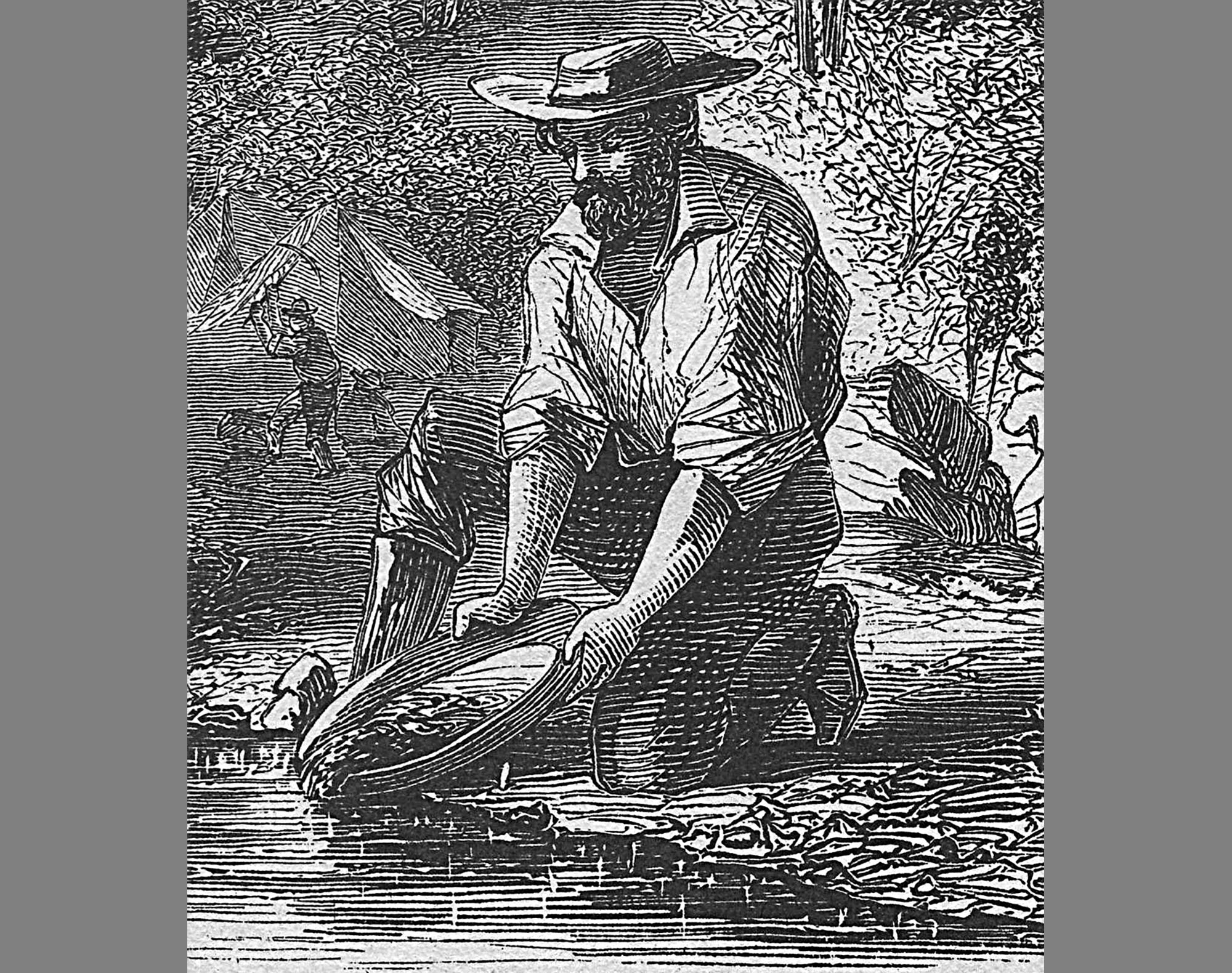
Economically, the Gold Rush injected vast wealth into the American economy, stimulating trade and industrial growth. Globally, it spurred further emigration from Europe, China, Latin America, and Australia, creating a diverse multicultural society in California. Politically, the rapid population growth quickly propelled California to statehood in 1850, bypassing the traditional territorial phase. However, the Gold Rush also brought challenges, including environmental degradation, rising crime, and devastating impacts on Native American populations whose lands were encroached upon and whose ways of life were disrupted.
Gold Rush Legacy: Exploring California’s Historic Heart
Today, the legacy of the Gold Rush is deeply embedded in California’s identity. The region known as the Mother Lode, stretching along the western foothills of the Sierra Nevada mountains, is dotted with preserved towns, state parks, and museums that transport visitors back to this exciting era. These destinations offer rich experiences for travelers interested in history, outdoor adventure, and local culture.
Visiting Marshall Gold Discovery State Historic Park Today
The epicenter of the discovery, Coloma, is now home to the Marshall Gold Discovery State Historic Park. This landmark destination is managed by California State Parks and offers a remarkably well-preserved glimpse into the past. Visitors can explore a replica of Sutter’s Mill on the banks of the American River, stand at the very spot where James W. Marshall made his momentous discovery, and visit the Marshall Monument marking his grave.
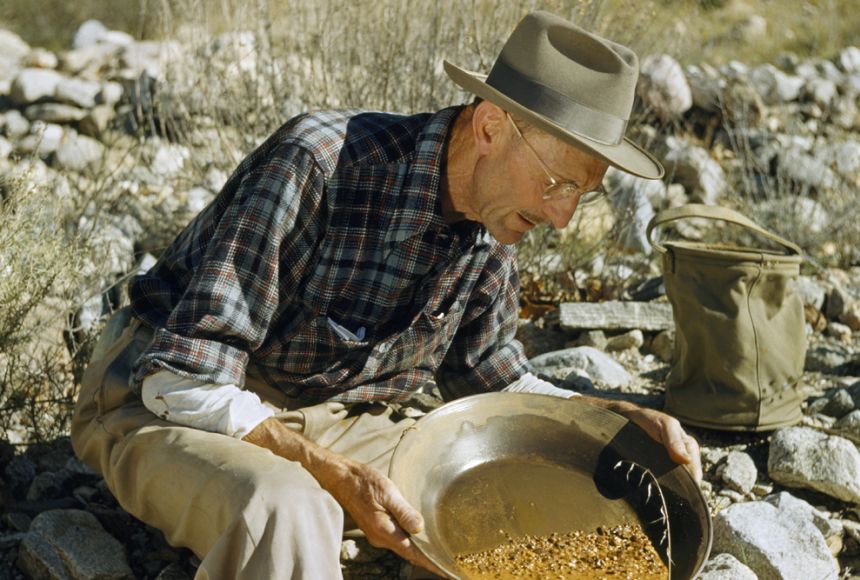
The park features a museum with extensive exhibits detailing the lives of miners, the techniques of gold extraction, and the societal impact of the Gold Rush. Interactive displays and living history demonstrations bring the era to life, making it a fantastic educational experience for all ages. Travelers can also try their hand at gold panning in the American River, hike scenic trails, or enjoy a picnic amidst the historic setting. For those seeking accommodation, nearby Placerville offers charming historic inns and modern hotels, perfect for establishing a base camp for exploring the surrounding Gold Rush country.
Other Iconic Gold Rush Destinations
Beyond Coloma, the Mother Lode region is replete with fascinating towns that thrived during the Gold Rush and retain their historical character.
- Sacramento: As the state capital, Sacramento served as a critical supply hub during the Gold Rush. Its Old Sacramento Waterfront district is a vibrant attraction, with cobblestone streets, horse-drawn carriage rides, historic buildings housing shops and restaurants, and several museums, including the California State Railroad Museum. Visitors can find a range of hotels, from luxury high-rises to boutique accommodations, making it a perfect starting point for a Gold Rush itinerary.
- Columbia State Historic Park: Known as “Gem of the Southern Mines,” Columbia is a wonderfully preserved 19th-century mining town, offering perhaps the most immersive experience. Costumed docents roam the streets, stagecoaches offer rides, and visitors can explore authentic shops, saloons, and a working blacksmith shop. It feels like stepping directly into 1850.
- Bodie State Historic Park: For a hauntingly beautiful experience, the ghost town of Bodie offers a unique glimpse into the raw, untamed nature of the Gold Rush. Preserved in a state of “arrested decay,” its weathered buildings and dusty interiors tell stories of boom and bust, offering a stark contrast to the living history of Columbia.
- Nevada City and Grass Valley: These charming towns in the Northern Mines retain much of their Victorian architecture and offer a more upscale experience with art galleries, fine dining, and boutique hotels. They were major hard-rock mining centers and continue to thrive today, blending history with modern amenities.
- Sonora: The “Queen of the Southern Mines,” Sonora boasts a rich history with many historic buildings, museums, and a vibrant downtown that offers a mix of local culture, food, and activities.
Planning Your Golden State Adventure
Embarking on a journey through California’s Gold Rush country offers a unique blend of history, nature, and adventure. It’s an ideal travel experience for families, solo travelers, and couples looking to delve deeper into the state’s storied past.
Accommodation and Travel Tips for History Enthusiasts
When planning your trip, consider the type of experience you desire. The region offers diverse accommodation options:
- Historic Inns & Boutique Hotels: Many Gold Rush towns like Placerville, Nevada City, and Sonora boast beautifully restored Victorian-era inns, offering a blend of historical charm and modern comfort. These often provide a more intimate and atmospheric stay, enhancing the historical immersion.
- Modern Hotels & Resorts: Larger cities like Sacramento provide a full spectrum of hotel choices, from budget-friendly options to luxury resorts, offering amenities like pools, spas, and fine dining. These can serve as excellent hubs for day trips to the surrounding Gold Country.
- Camping & RV Parks: For nature enthusiasts and budget travelers, numerous campgrounds and RV parks are available, particularly near the American River and in the Sierra Nevada foothills, providing access to hiking, fishing, and white-water rafting.
Consider renting a car to explore the various towns and attractions at your own pace, as public transportation is limited in many rural areas. The best times to visit are spring and fall, when the weather is mild and the crowds are smaller. Summer can be hot, especially in the lower elevations.
Lifestyle and Experiences in Gold Country
Beyond the historical sites, the Gold Rush region offers a rich lifestyle experience. The area is becoming increasingly known for its burgeoning wine industry, with numerous wineries offering tastings and tours, much like a smaller-scale Napa Valley. Local cuisine often features farm-to-table dining, capitalizing on the region’s agricultural heritage.
Outdoor activities abound, from hiking and mountain biking in the Sierra Nevada to white-water rafting on the American River. Quaint shops, art galleries, and local festivals provide unique cultural experiences. Whether you’re seeking a family-friendly educational trip, a romantic getaway steeped in history, or an adventurous exploration of California’s natural beauty, the Gold Rush country delivers.
In conclusion, James W. Marshall’s serendipitous discovery of gold at Sutter’s Mill was more than just a historical footnote; it was the spark that ignited the transformation of California and shaped the course of American history. By visiting these historical landmarks and experiencing the vibrant culture of Gold Country, travelers can connect directly with the intrepid spirit of the “forty-niners” and appreciate the enduring legacy of that fateful day in 1848. It’s a journey not just through space, but through time, offering profound insights into the forces that shaped one of the United States’ most dynamic states.