
When we ask, “Who discovered Mississippi?” we are peeling back layers of a narrative that spans thousands of years. Often, history books focus on the arrival of European explorers in the 16th century, but the true discovery of this region belongs to the indigenous populations who inhabited the fertile river valleys and coastal plains long before the first sails appeared on the horizon. To understand the heritage of this landmark-rich state, we must look beyond the initial contact and appreciate the deep, ancestral history that defines the land today.
The Indigenous Stewardship of the Land
Long before the state was a geopolitical entity, the land was home to complex, thriving civilizations. The Mississippian culture, a mound-building society, flourished throughout the Southeastern United States from approximately 800 CE to 1600 CE. These people were architects of social hierarchy and sophisticated agriculturalists, creating massive earthen structures that still stand as testament to their ingenuity.
The Mound Builders and Cultural Legacy
The most prominent physical remnants of this era are the ceremonial mounds, such as those found at Emerald Mound. As the second-largest pre-Columbian earthwork in the country, it serves as a silent witness to a society that understood the landscape’s contours and water systems intimately. These tribes—including the Natchez, Choctaw, and Chickasaw—did not merely “live” on the land; they were its stewards. Their societal structures were deeply tied to the Mississippi River, which acted as a vital artery for trade, communication, and spiritual life.
The European Arrival and the Quest for Wealth
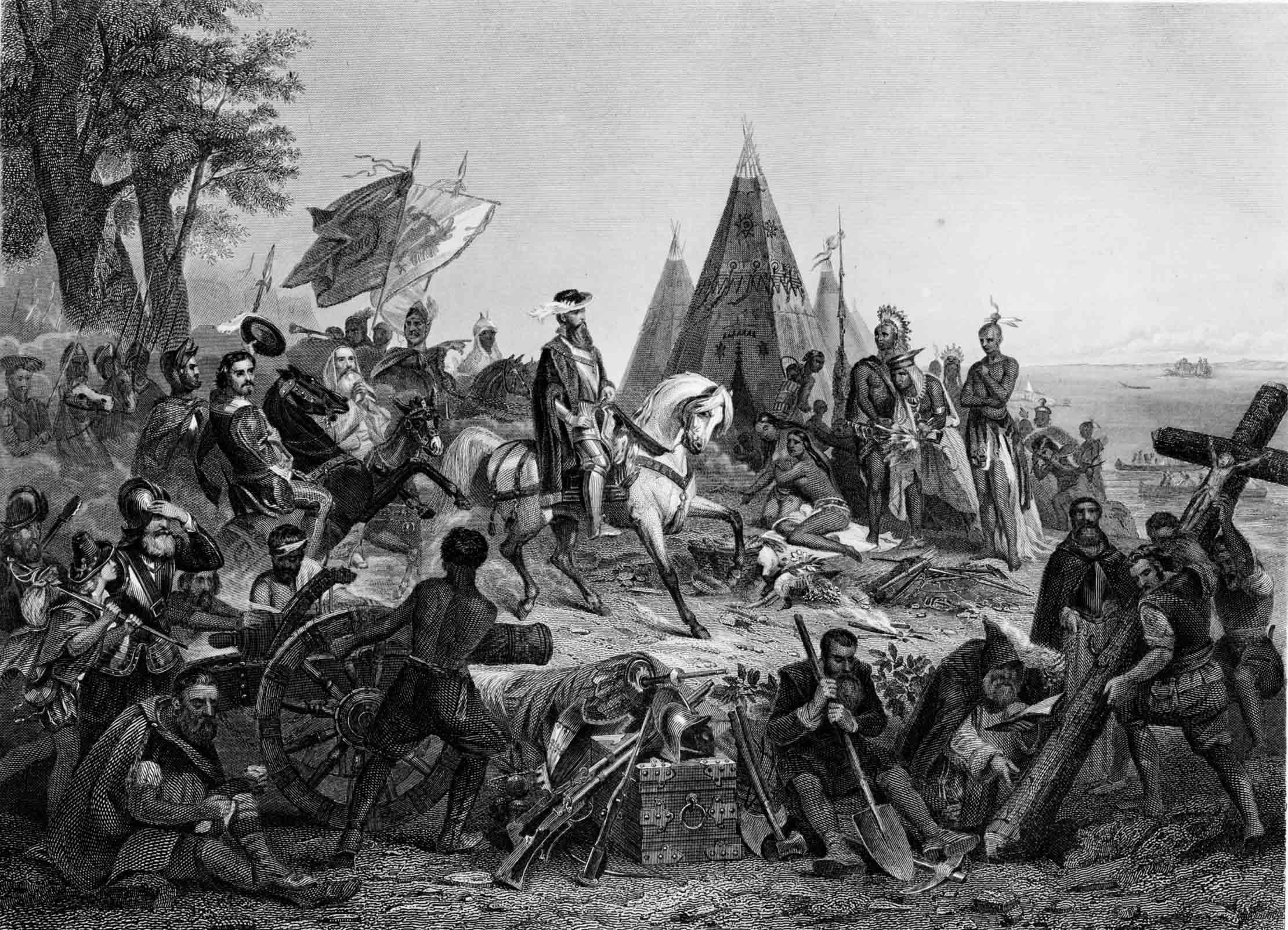
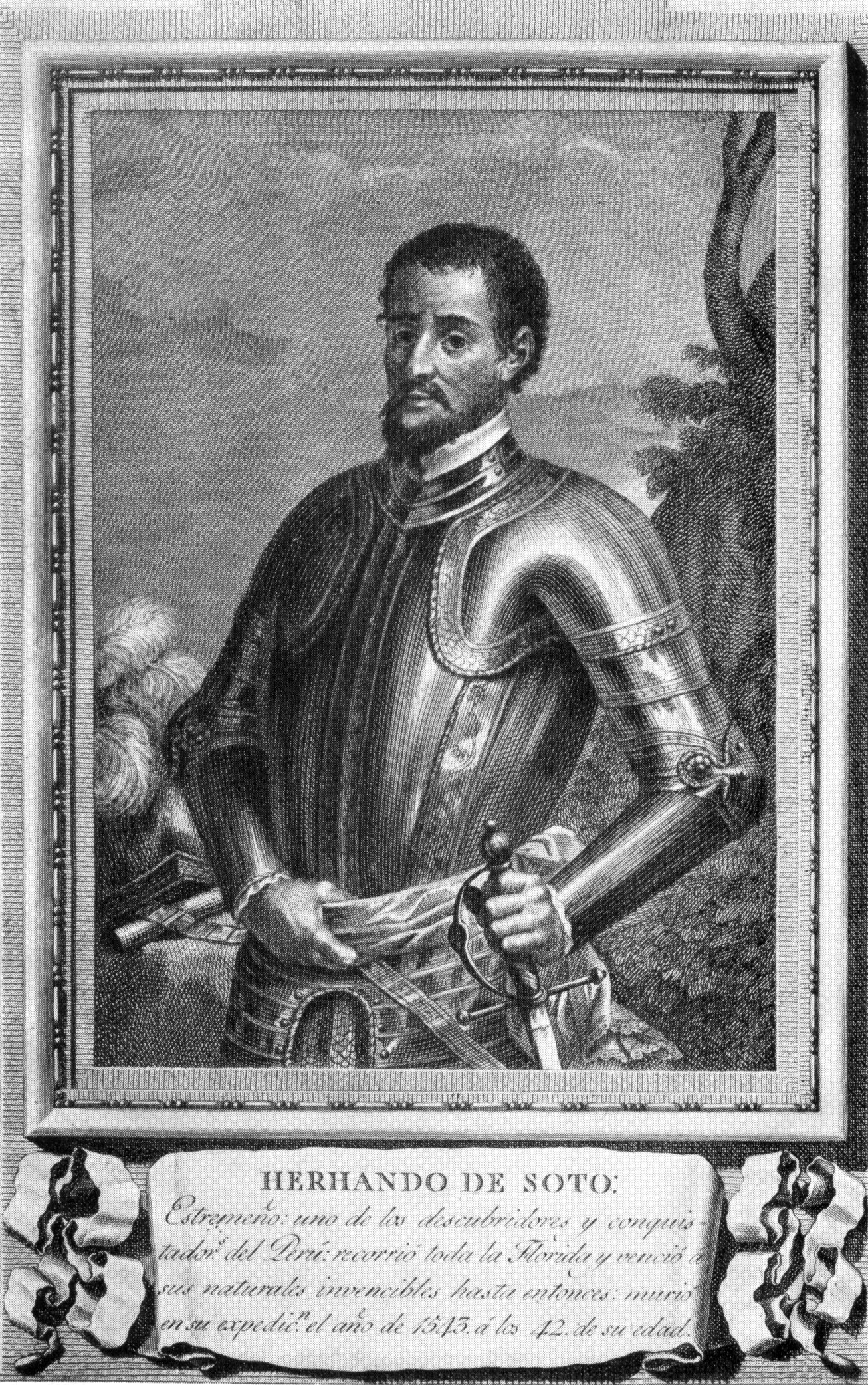
The European narrative of “discovery” begins with the Spanish expedition led by Hernando de Soto. In 1540, his party marched through what is now the southeastern part of the state, fueled by rumors of gold and boundless riches. For the indigenous nations, this was not a discovery, but an encounter—the beginning of a period characterized by cultural disruption, disease, and conflict.
De Soto and the Spanish Expedition
De Soto’s journey was arduous and violent, leaving a mark on the collective memory of the native tribes. He reached the banks of the Mississippi River in 1541, becoming the first European to document the massive waterway. However, his expedition failed to find the fabled treasures they sought, and the Spanish eventually retreated, leaving the region largely untouched by European governance for the next century.
The French Exploration and Colonization
It was not until the late 17th century that European interest returned in force. In 1682, the French explorer René-Robert Cavelier, Sieur de La Salle, traveled down the river, claiming the entire Mississippi Valley for France and naming it “Louisiana” in honor of King Louis XIV. This shifted the focus from the Spanish search for gold to the French interest in trade, specifically the fur trade and the strategic control of the continent’s interior water routes.
Colonial Foundations and the Port of Natchez
The establishment of permanent European settlements brought a new era of architecture and cultural synthesis. One of the most significant early sites was Fort Maurepas, established by Pierre Le Moyne d’Iberville near modern-day Ocean Springs. This location provided the French with a foothold on the Gulf Coast.
The Rise of Natchez
Following the coastal settlements, the French moved inland to establish outposts that would become centers of colonial power. Natchez emerged as a crown jewel of the region. Originally the site of the Grand Village of the Natchez Indians, it was transformed into a French colonial hub. The strategic importance of the bluffs overlooking the river allowed Natchez to become a melting pot of cultures, influencing everything from local culinary traditions to the grand architectural styles that characterize the “Old South.”
Landmarks as History
To visit Mississippi today is to walk through a living museum. The state is dotted with landmarks that tell the fragmented story of its discovery and development. From the ancient earthworks to the antebellum homes, the physical landscape reflects the diverse hands that shaped it.
Preserving the Past
Travelers often flock to the Natchez Trace Parkway, an ancient path that has been used for centuries—first by the indigenous tribes for hunting and travel, later by the French, and eventually by pioneers moving through the American frontier. It serves as a connector, literally and figuratively, between the prehistoric past and the modern state.
The Cultural Synthesis
The “discovery” of this region was never a single event but an ongoing process of change. The food, music, and architecture found in places like Vicksburg or Biloxi are the results of centuries of interaction between indigenous knowledge and European influence. Whether you are exploring the military fortifications at Vicksburg National Military Park or relaxing on the shores of Biloxi Beach, you are witnessing the end result of those early, turbulent years of encounter.

Why History Matters to the Traveler
Understanding who was here first and how the land was navigated provides a richer experience for any visitor. When you stand on the mounds of the Emerald Mound, you aren’t just seeing a historic site; you are standing on the stage where human history began in this region. Recognizing the indigenous roots of the Mississippi River region transforms a trip from a simple vacation into an educational pilgrimage.
In conclusion, the question of who discovered Mississippi depends on your definition of discovery. If we define it as the first human contact, the honor goes to the ancient ancestors of the Choctaw and Chickasaw. If we define it as the moment the region was mapped into the European consciousness, we look to the bold and often destructive paths of Hernando de Soto and René-Robert Cavelier, Sieur de La Salle. By exploring the landmarks, engaging with the local culture, and respecting the heritage of the land, visitors can appreciate the full complexity of this unique American treasure. The true beauty of the state lies not in a single “founder,” but in the enduring spirit of the cultures that continue to define the identity of the Gulf Coast and its surrounding territories.
LifeOutOfTheBox is a participant in the Amazon Services LLC Associates Program, an affiliate advertising program designed to provide a means for sites to earn advertising fees by advertising and linking to Amazon.com. Amazon, the Amazon logo, AmazonSupply, and the AmazonSupply logo are trademarks of Amazon.com, Inc. or its affiliates. As an Amazon Associate we earn affiliate commissions from qualifying purchases.