
The narrative of a city’s genesis is often a tapestry woven with threads of ambition, necessity, and the vision of individuals who dared to shape the future. When one asks, “Who founded the city of Detroit?”, the answer points to a singular figure of immense historical significance: Antoine de la Mothe Cadillac. His name is inextricably linked to the establishment of Fort Pontchartrain du Détroit, the French outpost that would eventually grow into the vibrant metropolis known today as Detroit.
The Genesis of Fort Pontchartrain du Détroit
The story of Detroit’s founding is rooted in the strategic interests of the French colonial empire in North America. In the early 18th century, the French were keen to solidify their presence and control over the lucrative fur trade routes that crisscrossed the vast interior of the continent. The territory that would become Michigan was particularly vital, offering a strategic passage between the Great Lakes of Ontario and Erie, a crucial waterway for transportation and commerce.
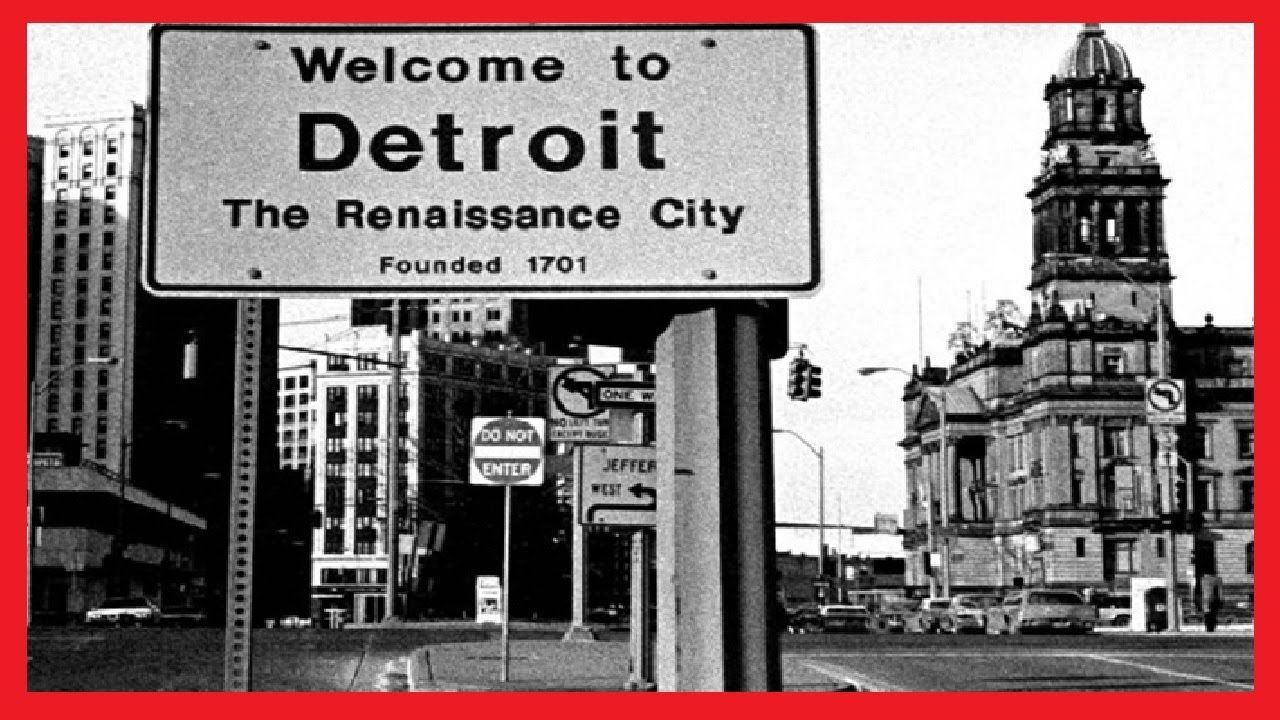
It was against this backdrop that Antoine de la Mothe Cadillac, a French-born soldier and fur trader, saw an opportunity. Having served in New France for several years, Cadillac was a man with a keen understanding of the region’s potential and a determined will to exploit it. He recognized the strategic advantage of the strait connecting Lake St. Clair to Lake Erie, a location that could serve as a vital defensive point and a central hub for trade.
Cadillac’s persistent lobbying efforts in the French court eventually bore fruit. He was granted permission to establish a settlement and trading post at the site. On July 24, 1701, accompanied by 100 soldiers and settlers, Cadillac and his expedition landed on the shores of the Detroit River. He named the new settlement Fort Pontchartrain du Détroit, in honor of his patron, Jérôme Phélypeaux, Comte de Pontchartrain, who served as Secretary of State for the Navy under King Louis XIV. The name “Détroit” itself is French for “The Strait,” a fitting description of its geographical significance.
The initial purpose of Fort Pontchartrain was primarily military and commercial. It was intended to secure French dominance in the region, deter British encroachment, and facilitate the flow of furs from Indigenous tribes to New France. Cadillac’s vision extended beyond a mere military outpost; he aimed to establish a permanent settlement that would foster agriculture and attract colonists, thereby solidifying French control.
Cadillac’s Vision and Challenges
Antoine de la Mothe Cadillac envisioned a thriving settlement, a testament to French ingenuity and power in the New World. He was not merely a military man; he was an entrepreneur with grand ambitions. His efforts to cultivate relationships with the local Indigenous peoples, such as the Huron and Ottawa, were crucial to the early success of the settlement. Trade was the lifeblood of Fort Pontchartrain, and these alliances were essential for obtaining the valuable furs that were the primary commodity.
However, Cadillac’s tenure was not without its challenges. The initial years were marked by difficulties in attracting a significant number of permanent settlers. The harsh climate, the ever-present threat of conflict with rival European powers and some Indigenous factions, and the arduous nature of frontier life deterred many from making the Detroit area their permanent home. Furthermore, Cadillac’s autocratic style and his sometimes-contentious dealings with his superiors and trading partners led to his eventual recall from his governorship in 1710.
Despite these obstacles, Antoine de la Mothe Cadillac laid the essential groundwork. He established the physical presence of a French settlement, forged initial diplomatic and economic ties, and recognized the enduring strategic importance of the Detroit Strait. His foresight in choosing this location proved to be a defining factor in the region’s future development.
The Evolving Identity of Detroit
Following Antoine de la Mothe Cadillac’s departure, Detroit continued to evolve under different administrations. Control of the settlement passed from the French to the British following the conclusion of the French and Indian War in 1763. The British renamed the settlement Detroit, a simplification of its original French name, a moniker that has persisted to this day.
Under British rule, Detroit remained a significant fur trading post and a strategic military garrison. The Pointe Pelee National Park area and the broader region continued to be shaped by the dynamics of colonial expansion and Indigenous resistance. The Pontiac’s War of 1763, a widespread Indigenous uprising against British rule, saw Detroit besieged, highlighting its continued strategic importance.
The American Revolutionary War brought further changes. After a protracted struggle, Detroit was ceded to the United States as part of the Treaty of Paris in 1783, though the British did not fully relinquish control until 1796. This marked the beginning of a new era for the settlement, transitioning from French and British colonial rule to becoming part of the nascent United States.

The Foundation for Future Growth
While Antoine de la Mothe Cadillac is undeniably credited as the founder of Detroit, his establishment of Fort Pontchartrain du Détroit was the seed from which a much larger entity would grow. The strategic location, which he so astutely identified, remained its most valuable asset. This strait, connecting several of the Great Lakes, facilitated trade and transportation, making Detroit a natural hub.
Over the ensuing decades and centuries, Detroit grew from a small French trading post into a major industrial center, most famously becoming the heart of the American automotive industry. The spirit of innovation and ambition that characterized Antoine de la Mothe Cadillac’s initial endeavor found new expressions in the industrial giants like Ford Motor Company, General Motors, and Chrysler, which would later rise to prominence in the city.
The legacy of Antoine de la Mothe Cadillac is not just in the act of planting a flag and establishing a fort. It lies in his understanding of geography, his entrepreneurial drive, and his ability to navigate the complex political and economic landscape of his time. He recognized the potential of the Detroit Strait and set in motion a chain of events that would transform a wilderness outpost into one of America’s most significant cities. His name is etched into the history of Detroit, forever remembered as the individual who first envisioned and established a permanent European presence at the gateway to the Great Lakes.
LifeOutOfTheBox is a participant in the Amazon Services LLC Associates Program, an affiliate advertising program designed to provide a means for sites to earn advertising fees by advertising and linking to Amazon.com. Amazon, the Amazon logo, AmazonSupply, and the AmazonSupply logo are trademarks of Amazon.com, Inc. or its affiliates. As an Amazon Associate we earn affiliate commissions from qualifying purchases.