
The origins of Miami, the vibrant “Magic City” of Florida, are often shrouded in the glitz of modern nightlife and the architectural splendor of its Art Deco Historic District. However, the history of this sprawling metropolis is deeply rooted in the vision of a singular, unlikely pioneer. Unlike many American cities that grew organically from colonial outposts or gold rushes, Miami was deliberately engineered into existence, transformed from a swampy, isolated frontier into a world-class destination.
The Visionary Behind the Metropolis: Julia Tuttle
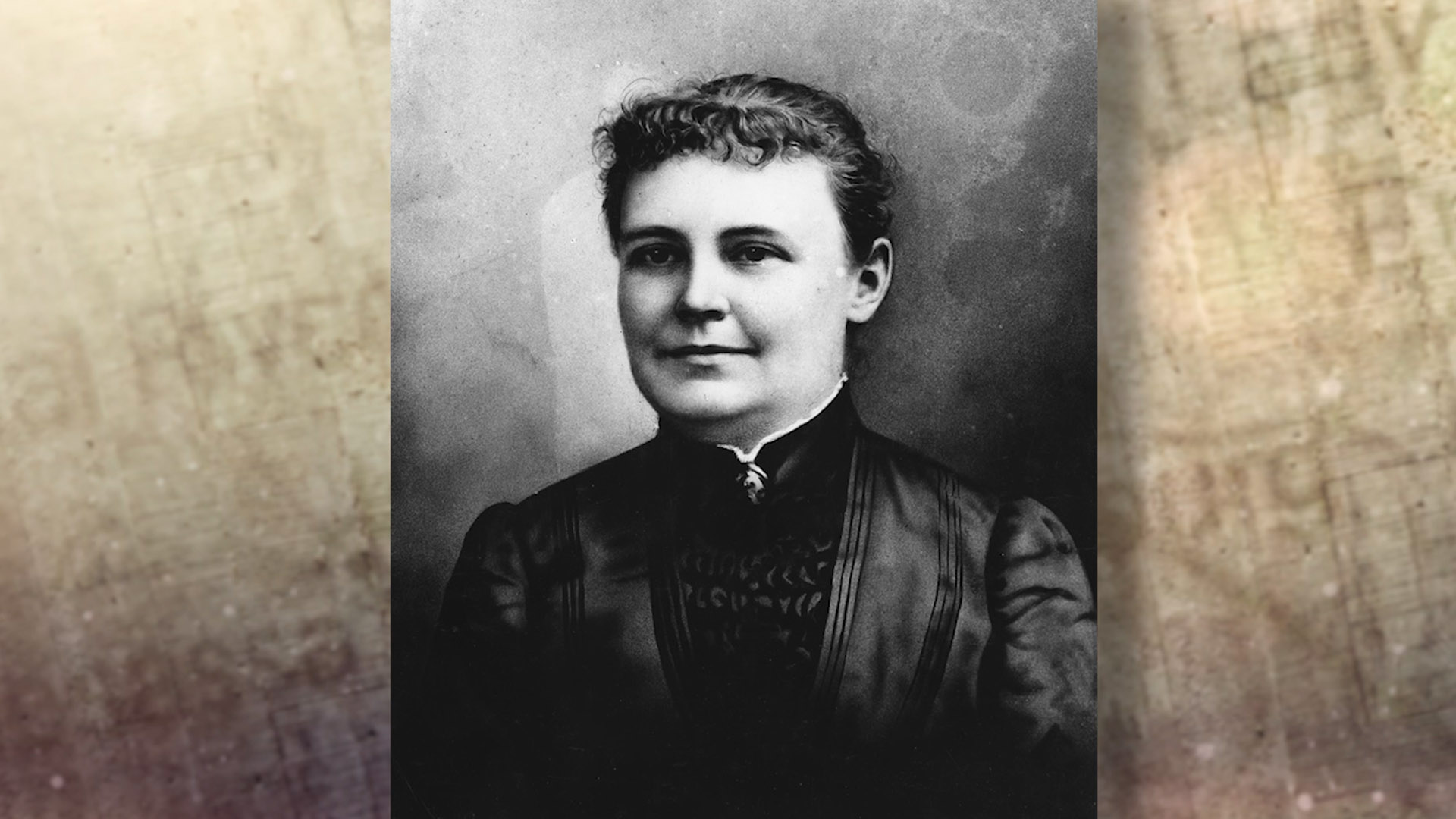
While many histories of the United States focus on male industrialists, the birth of Miami is credited to a woman. Julia Tuttle, a wealthy businesswoman from Cleveland, Ohio, is the only woman known to have founded a major American city.

A Relocation to the Frontier
In 1891, Julia Tuttle moved to the Biscayne Bay region after inheriting a tract of land from her father. At the time, the area was largely considered uninhabitable by the standards of the late 19th century. Yet, Tuttle saw what others dismissed as desolate wetlands: a strategic port that could bridge trade between the United States, the Caribbean, and South America.
The Great Freeze and the Iron Horse
The catalyst for Miami’s rapid development was the Great Freeze of 1894–1895. While crops across Florida were decimated by a historic frost, the area around the Miami River remained miraculously untouched. Tuttle sent a bouquet of orange blossoms to Henry Flagler, the powerful industrialist and developer of the Florida East Coast Railway. This tangible proof of the region’s climate resilience convinced Flagler to extend his railway line southward, providing the essential infrastructure needed for the city to flourish.
The Role of Industry and Expansion
Once Henry Flagler committed to extending his railroad, the landscape of South Florida changed irrevocably. The transition from a small trading post to an incorporated city happened in a matter of months.
Infrastructure as Destiny
Henry Flagler did more than just lay tracks. He recognized the potential for a luxury tourist economy. He dredged the Biscayne Bay to create a deep-water port, cleared the wilderness for streets, and built the Royal Palm Hotel. This grand resort became the crown jewel of the new city, attracting wealthy travelers from the Northeast who were seeking refuge from bitter winters. By 1896, Miami was officially incorporated, boasting a population of several hundred residents, most of whom were workers involved in the construction of Flagler’s grand vision.
William Brickell: The Other Landowner
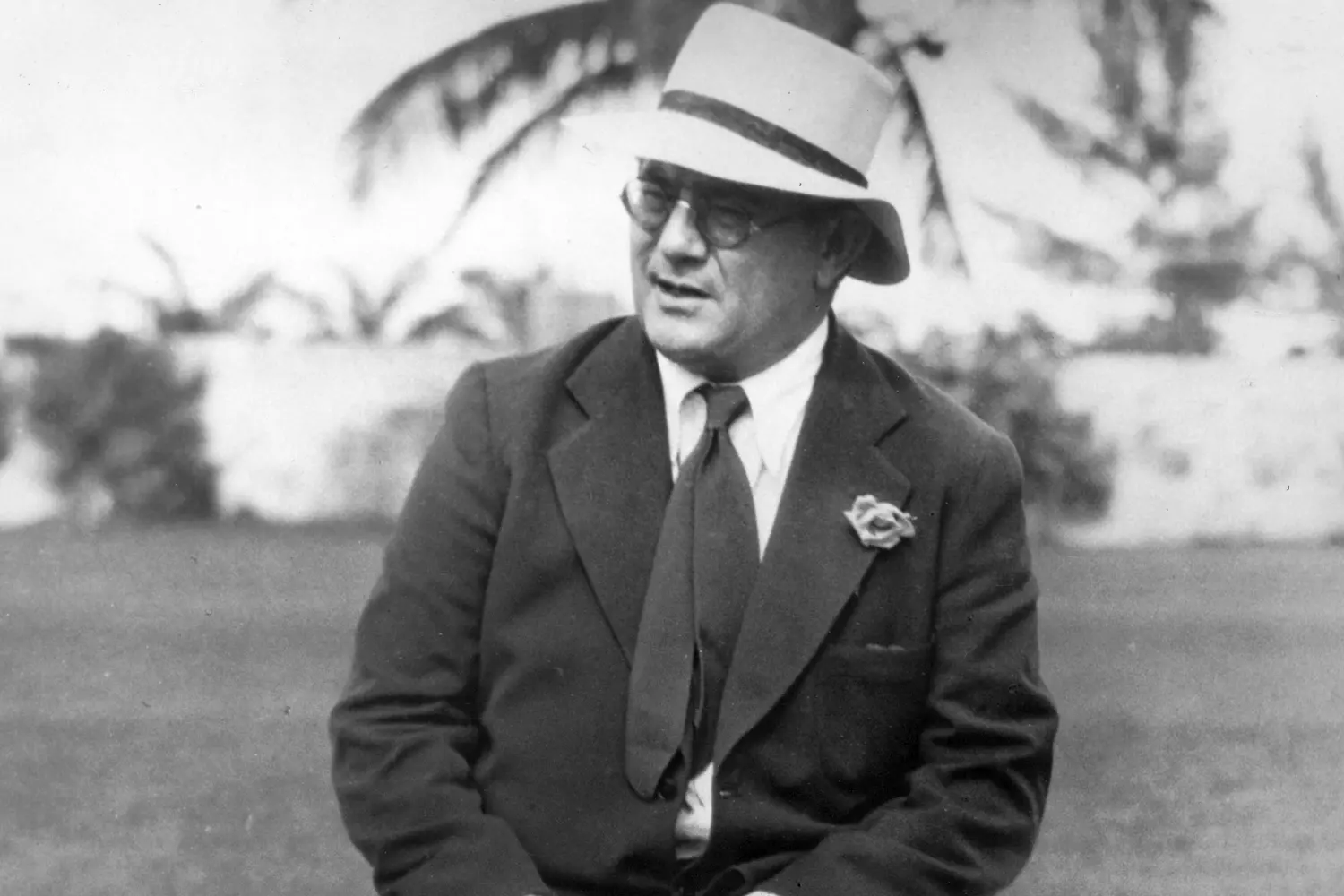
While Julia Tuttle is known as the “Mother of Miami,” the city’s formation also relied on the cooperation of William Brickell. Brickell was a successful merchant who owned vast tracts of land on the south bank of the Miami River. Both Tuttle and Brickell provided significant land grants to Henry Flagler to ensure the railroad would reach their properties. This partnership effectively divided the early city, with Brickell’s influence still visible today in the bustling Brickell Avenue district, now the financial heart of the city.
From Boom Town to Global Icon
The rapid rise of Miami was not a smooth ascent, but it was certainly a constant one. The city weathered economic booms, busts, and devastating hurricanes, yet it consistently reinvented itself.
The Transformation of South Beach
By the 1920s, the development had moved eastward toward the barrier islands. The area known today as South Beach began its transformation from a coconut plantation into a playground for the wealthy. The introduction of the McArthur Causeway connected the mainland to the beach, cementing the city’s identity as a seaside haven. This era also saw the rise of the Mediterranean Revival and Art Deco architecture that characterizes the Miami Beach skyline today.
A Legacy of Resilience
Modern-day visitors walking through Downtown Miami or strolling along the Lincoln Road Mall are traversing a landscape built on the daring gamble of Julia Tuttle and the industrial might of Henry Flagler. Their combined efforts ensured that the city evolved from a mosquito-ridden swamp into a crossroads of culture.
Preserving the History of the Magic City
Today, the heritage of the city is carefully preserved through its landmarks and historical districts. The Miami Circle site serves as a reminder that the history of this land stretches back much further than the arrival of the railroad, highlighting the indigenous Tequesta people who inhabited the Biscayne Bay area for thousands of years before the city was incorporated.
Landmarks and Modern Exploration
- Vizcaya Museum and Gardens: A stunning example of the lavish lifestyle brought to Miami by James Deering in the early 20th century.
- Fairchild Tropical Botanic Garden: An institution dedicated to the biodiversity of South Florida, reflecting the lush, subtropical landscape that initially captivated the city’s founders.
- Wynwood Walls: A modern evolution of the city’s spirit, showcasing how Miami continues to lead as a center for international art and culture.
A City Built on Foresight
The question of who founded Miami reveals a fascinating intersection of environmental luck, industrial ambition, and entrepreneurial spirit. Julia Tuttle provided the land and the vision, Henry Flagler provided the infrastructure, and William Brickell provided the local influence necessary to clear the legal and logistical hurdles. Together, these figures laid the foundation for a city that remains one of the most culturally significant and recognizable locations in the world. As travelers continue to flock to the beaches of Florida, they are experiencing the long-term dividend of a cold snap in 1894 and the unwavering determination of the woman who saw an empire in a bunch of orange blossoms.
LifeOutOfTheBox is a participant in the Amazon Services LLC Associates Program, an affiliate advertising program designed to provide a means for sites to earn advertising fees by advertising and linking to Amazon.com. Amazon, the Amazon logo, AmazonSupply, and the AmazonSupply logo are trademarks of Amazon.com, Inc. or its affiliates. As an Amazon Associate we earn affiliate commissions from qualifying purchases.