
Navigating the beautiful waterways of Alabama offers a unique and exhilarating experience, from the picturesque shores of Gulf Shores to the serene expanse of Lake Martin. However, before you cast off, understanding the regulations surrounding boating is crucial for a safe and enjoyable outing. A common question for those looking to enjoy Alabama’s waters is about the necessity of a boater’s license. This article delves into who is exempt from obtaining an Alabama boater’s license, clarifying the rules and helping you plan your aquatic adventures with confidence.
The Alabama Law Enforcement Agency (ALEA) oversees boating regulations in the state, aiming to ensure safety and responsible operation of watercraft. While many boaters are required to possess a boater’s education card, often referred to as a license, Alabama law carves out specific exemptions for certain individuals and types of watercraft. Understanding these exemptions can save you time and potential penalties, allowing you to focus on the pleasure of being on the water.
Understanding Alabama’s Boating Regulations
Alabama’s approach to boater licensing is primarily focused on education and safety. The state mandates that individuals born after January 1, 1972, who operate a watercraft with a motor of 10 horsepower or greater, must have a boater education card. This card is obtained by successfully completing an approved boater education course. The intent behind this requirement is to ensure that all operators have a fundamental understanding of safe boating practices, navigation rules, emergency procedures, and legal responsibilities.
The boater education course covers a wide array of essential topics. These include, but are not limited to:
- Navigation Rules: Understanding the “rules of the road” on the water, including right-of-way, buoyage systems, and collision avoidance.
- Safety Equipment: Knowing what safety gear is required on a vessel and how to use it, such as life jackets, fire extinguishers, and sound-producing devices.
- Emergency Procedures: Learning how to respond to common boating emergencies like man overboard situations, capsizing, and running aground.
- Weather Awareness: Recognizing the importance of checking weather forecasts and understanding the potential hazards of changing weather conditions.
- Alcohol and Drug Influence: Understanding the severe risks and legal consequences of operating a boat under the influence of alcohol or drugs.
- Vessel Operation: Basics of handling different types of boats, including speed limits and safe anchoring.
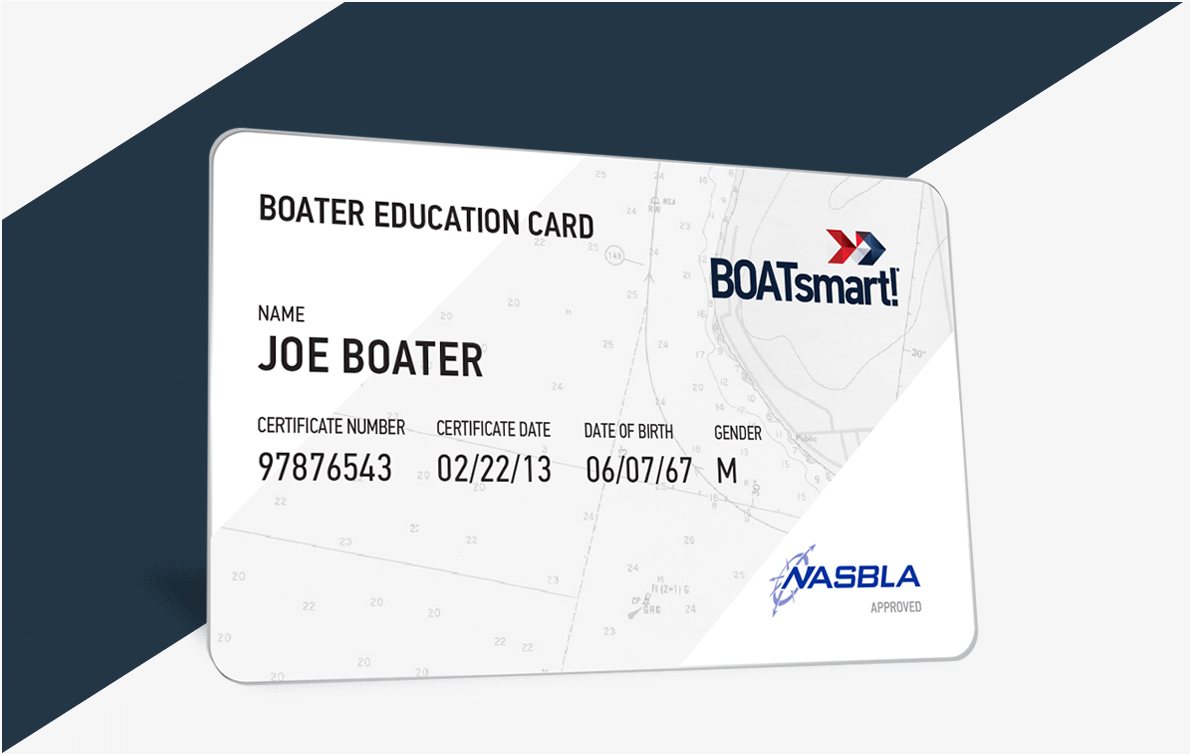
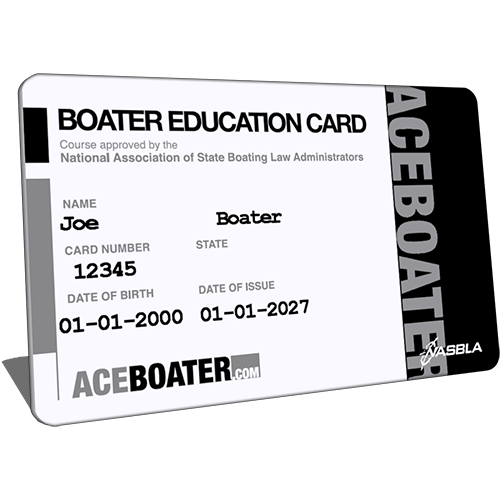
The boater education card serves as proof of this knowledge. It’s not a driver’s license in the traditional sense, but rather a certification of completing a safety course. The ALEA administers these courses and approves providers, ensuring a consistent standard of education across the state.
The Boater Education Card Requirement
As mentioned, the core requirement for operating most motorized watercraft in Alabama hinges on possessing a boater education card if you were born on or after January 1, 1972. This age cutoff is a common feature in many states’ boating regulations, acknowledging that younger generations may have had more exposure to formal safety education. The law applies to a wide range of vessels, from small fishing boats to larger pleasure craft, as long as they are powered by an engine of 10 horsepower or more.
The card itself is typically a small, durable document that you should carry with you while operating a boat. It’s essential to have it readily available for inspection by law enforcement officials, such as the ALEA’s Marine Patrol. Failure to produce a valid boater education card when required can result in citations and fines.
Who Is Exempt From the Alabama Boaters License Requirement?
While the boater education card requirement is broadly applicable, Alabama law provides specific exemptions to ensure that certain individuals and situations do not fall under its purview. These exemptions are designed to either cater to individuals who possess equivalent knowledge or to acknowledge scenarios where the risk profile is significantly different.
Age Exemptions
The most straightforward exemption relates to age. As previously stated, the boater education card is required for individuals born after January 1, 1972. This means that individuals born on or before January 1, 1972, are generally exempt from the boater education card requirement. These individuals are presumed to have sufficient life experience and knowledge to operate a watercraft safely without formal certification.
- Individuals Born On or Before January 1, 1972: This group is automatically exempt from the boater education card requirement, regardless of the size or type of watercraft they operate (as long as it’s not a commercial vessel). They are still expected to operate their vessels safely and in accordance with all boating laws.
It’s important to note that while these individuals are exempt from the education card requirement, they are not exempt from adhering to all other boating laws and regulations. This includes obeying speed limits, maintaining a safe distance from other vessels, ensuring proper equipment is on board, and never operating a boat under the influence of alcohol or drugs.
Vessel Type Exemptions
Certain types of watercraft are also exempt from the boater education card requirement. These exemptions typically apply to vessels that are not considered to be of a high-risk nature or that operate in specific, controlled environments.
- Watercraft Powered by Less Than 10 Horsepower: Any vessel propelled by a motor with a horsepower rating of less than 10 horsepower is exempt. This includes small jon boats, kayaks with trolling motors, and many personal watercraft (PWCs) when operated at slow speeds. This exemption acknowledges that smaller, slower vessels generally pose a lower risk to the operator and others.
- Sailboats: Sailboats are generally exempt from the boater education card requirement, provided they are solely propelled by sail power. If a sailboat also has a motor of 10 horsepower or greater, then the operator would be subject to the education requirement if they meet the age criteria.
- Non-Motorized Watercraft: Canoes, kayaks, paddleboards, and rafts that are not equipped with any motor are exempt. These activities are considered recreational and typically operate at speeds that minimize risk.
Other Potential Exemptions
While less common, there can be other specific situations or individuals who might be exempt under certain circumstances, often related to law enforcement or commercial operations that have their own specialized training requirements.
- Law Enforcement Officers: While on duty and operating official vessels, law enforcement officers may be exempt from certain standard boater education requirements as they undergo specialized training for their roles.
- Commercial Operations: Operators of commercial vessels, such as ferries or charter boats, are subject to federal regulations governed by the U.S. Coast Guard and may have different licensing and certification requirements that supersede state boater education card mandates. These requirements are typically more stringent.
- Non-Residents with Valid Certification: Alabama often honors valid boater education cards issued by other states that are NASBLA (National Association of State Boating Law Administrators) approved. While not a direct exemption from Alabama law, it means a boater who is compliant in their home state or another state with similar regulations may not need to get a separate Alabama card. This is a significant point for tourists visiting Alabama’s waters. However, it is always advisable to verify the reciprocity status of your certification with the ALEA.
Planning Your Boating Trip in Alabama
When planning your trip to Alabama’s beautiful lakes and coastal waters, understanding these exemptions is key to a smooth experience. If you fall into one of the exempt categories, you can enjoy your time on the water without the added step of obtaining a boater education card. However, it is always prudent to be aware of the general safety guidelines that the boater education program promotes.
For Those Not Exempt
If you do not meet any of the exemptions, obtaining your Alabama boater education card is a straightforward process. Several options are available:
- Online Courses: Numerous accredited online courses can be completed at your own pace. These are convenient and accessible from anywhere. Upon successful completion, you will receive your certification.
- In-Person Courses: Traditional classroom-style courses are also offered throughout the state. These provide an interactive learning environment and direct interaction with instructors.
- Mobile Apps: Some providers offer mobile applications that allow you to study and take the exam on your smartphone or tablet.
Remember to choose a course that is approved by the Alabama Law Enforcement Agency. Once you have passed the course, you will receive your boater education card, which is valid for a lifetime.
Staying Safe on Alabama Waters
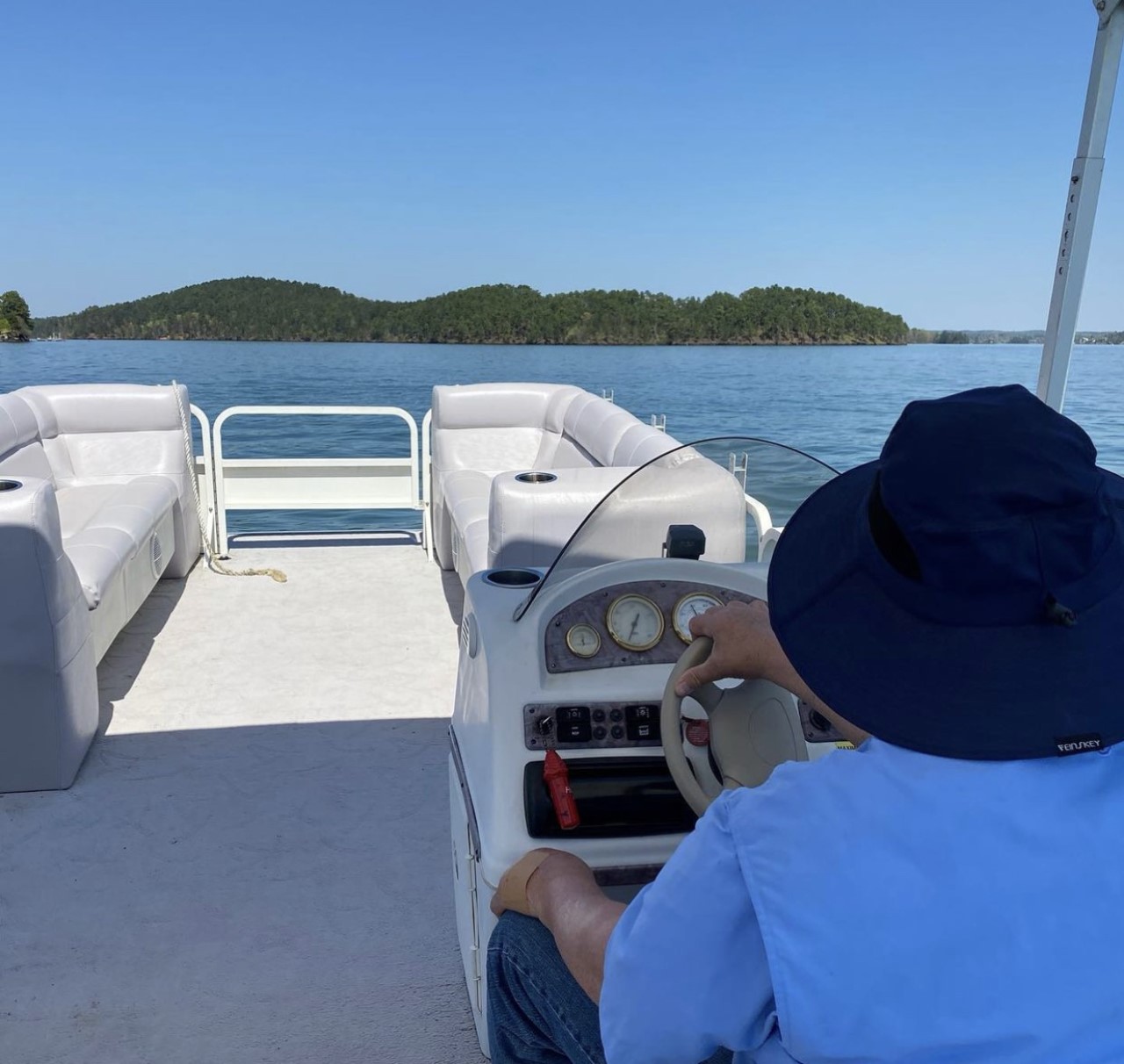
Regardless of whether you are exempt from the boater education card requirement, safety should always be your top priority. Always ensure your vessel is in good working order, carry the required safety equipment (including properly fitting life jackets for everyone on board), and never operate a boat under the influence of alcohol or drugs. Familiarize yourself with local boating regulations, be aware of your surroundings, and respect other boaters and marine life.
Alabama’s waterways offer incredible recreational opportunities. By understanding the boater licensing exemptions and prioritizing safety, you can ensure your adventures on the water are both memorable and secure, whether you’re exploring the Mobile-Tensaw Delta or enjoying a sunset cruise on Smith Lake.
LifeOutOfTheBox is a participant in the Amazon Services LLC Associates Program, an affiliate advertising program designed to provide a means for sites to earn advertising fees by advertising and linking to Amazon.com. Amazon, the Amazon logo, AmazonSupply, and the AmazonSupply logo are trademarks of Amazon.com, Inc. or its affiliates. As an Amazon Associate we earn affiliate commissions from qualifying purchases.