
In the vibrant tapestry of American history and modernity that is Boston, the role of its mayor is paramount, not just for its citizens, but for the millions of visitors who flock to this iconic city each year. The mayor’s vision, policies, and priorities inevitably shape the urban landscape, influence local culture, and profoundly impact the overall tourism experience. For those planning a visit to the “Cradle of Liberty,” understanding the civic leadership at its helm offers a deeper appreciation of the city’s current trajectory and its commitment to welcoming the world.
Civic Leadership and the Tourism Landscape: Mayor Michelle Wu
Currently, the mayor of Boston is Michelle Wu. A trailblazer in her own right, Mayor Wu made history as the first woman and the first person of color to hold this esteemed office, taking the reins in November 2021. Her administration has embarked on a mission to create a more equitable, sustainable, and inclusive Boston, a vision that inherently extends to and enriches the city’s thriving tourism sector. Her leadership philosophy emphasizes community engagement, environmental stewardship, and robust public services, all of which directly contribute to the allure and accessibility of Boston as a world-class destination.
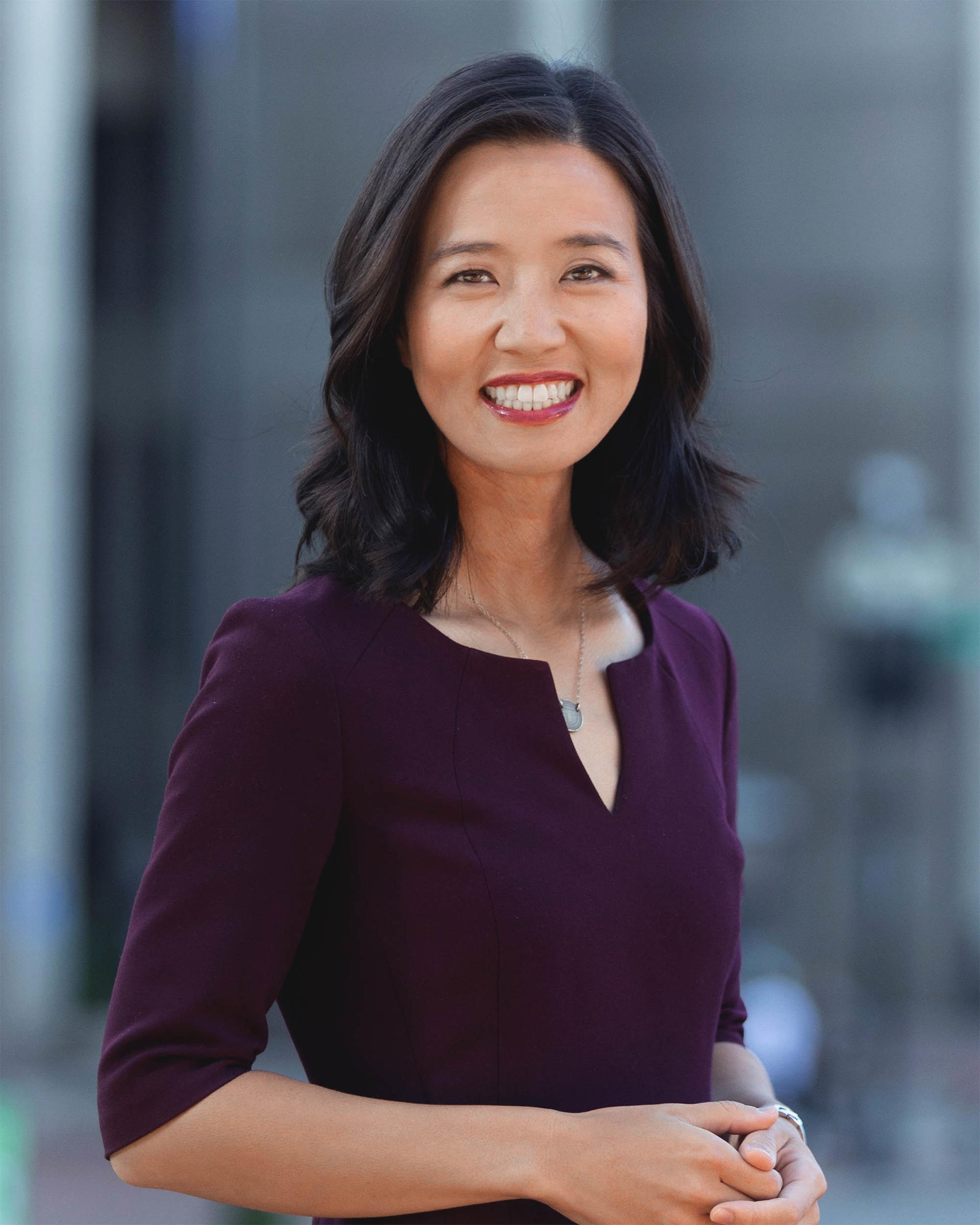
Mayor Wu’s focus on improving quality of life for residents often translates into enhanced experiences for visitors. Initiatives aimed at revitalizing public spaces, fostering a greener city, and bolstering public transportation systems are not just about civic duty; they are about crafting an environment that is clean, safe, and navigable for everyone. A city that functions efficiently and prioritizes the well-being of its inhabitants naturally becomes a more attractive and pleasant place for tourists to explore. Under her guidance, Boston is continuously evolving, striving to balance its rich historical legacy with a forward-looking approach that embraces innovation and modern urban living, factors keenly observed by today’s discerning traveler.
Enhancing the Visitor Experience: Initiatives and Impact
The Mayor’s office plays a crucial role in shaping the physical and cultural environment of Boston, which directly influences the experiences of its visitors. Through strategic initiatives and policy implementation, the administration seeks to make the city more accessible, enjoyable, and memorable for tourists.
Investing in Public Spaces and Infrastructure
A cornerstone of Mayor Wu’s administration has been the commitment to improving and expanding public infrastructure and green spaces. These efforts are immediately visible and beneficial to tourists. For instance, investments in the MBTA, Boston’s public transit system, aim to make navigating the city more efficient and less stressful. For visitors, this means easier access to iconic attractions like the Museum of Fine Arts, the New England Aquarium, or historic sites along the Freedom Trail, without the hassle of navigating traffic or parking. A reliable public transit system is a key differentiator for any major city’s tourism appeal.
Furthermore, the beautification and maintenance of Boston’s numerous parks and public areas significantly enhance the visitor experience. From the historic expanse of Boston Common and the serene elegance of the Public Garden to the vibrant linear park of the Rose Kennedy Greenway, these spaces are vital for relaxation, recreation, and experiencing the city’s natural charm. The Mayor’s commitment to these green assets ensures they remain pristine and welcoming, offering perfect backdrops for photographs, leisurely strolls, or simply enjoying the urban atmosphere. These efforts also extend to ensuring public safety across the city, an imperative for any tourism destination, making visitors feel secure as they explore Boston’s diverse neighborhoods.
Fostering Cultural Vibrancy and Accessibility
Boston’s identity is deeply intertwined with its rich history and dynamic cultural scene. The Mayor’s administration actively supports arts and cultural institutions, understanding their magnetic pull for tourists. This support often manifests through grants, public art initiatives, and the promotion of diverse cultural events that showcase Boston’s multifaceted heritage.
Visitors can experience this firsthand through city-sponsored festivals, free concerts in parks, and public art installations that bring life to urban spaces. Efforts to maintain and interpret historical landmarks, such as those along the Freedom Trail, ensure that Boston’s’s foundational stories continue to resonate with new generations of visitors. Moreover, the administration’s focus on supporting local businesses and diverse communities encourages tourists to venture beyond the traditional hotspots and discover the unique flavors and cultures of neighborhoods like the historic North End, the vibrant Chinatown, or the artistic streets of Jamaica Plain. This commitment to cultural inclusivity ensures that Boston offers authentic and enriching experiences for every traveler.
Sustainable Tourism and Urban Development
A key aspect of modern tourism is sustainability, and Mayor Wu’s administration has placed a strong emphasis on integrating environmentally conscious practices into Boston’s urban development and tourism strategies. Recognizing the global trend towards responsible travel, the city aims to reduce its carbon footprint, promote eco-friendly transportation options, and preserve its natural assets, particularly its cherished waterfront.
Initiatives such as expanding bike lanes, encouraging the use of electric vehicles, and investing in renewable energy sources contribute to a greener Boston. For tourists, this translates into a cleaner environment, more opportunities for outdoor activities like cycling or kayaking along the Charles River, and a sense of contributing to a city that values its ecological health. These sustainable practices not only protect Boston’s future but also enhance its appeal to travelers who prioritize environmental responsibility in their destination choices. The development of resilient infrastructure and green buildings also signals a commitment to long-term sustainability, ensuring that Boston remains a beautiful and viable destination for generations to come.
A Mayor’s Role in Boston’s Global Image
The mayor serves as Boston’s chief ambassador, promoting the city on both national and international stages. This advocacy is crucial for attracting not only leisure tourists but also business travelers, international students, and major events. Mayor Wu’s public engagements, partnerships with global cities, and participation in international forums all contribute to elevating Boston’s profile as a world leader in innovation, education, and culture.
By highlighting Boston’s’s strengths – its renowned universities, leading healthcare institutions, thriving tech sector, and unparalleled historical significance – the mayor helps to position the city as a multifaceted destination. This attracts a diverse range of visitors, from academics attending conferences to families exploring historical sites, and international tourists seeking a blend of old-world charm and modern vibrancy. Collaborations with organizations like Meet Boston (the city’s primary tourism and convention bureau) ensure that a cohesive and compelling narrative about Boston is consistently presented to potential visitors worldwide, showcasing everything from its culinary scene to its world-class performing arts venues like the Boston Symphony Hall. The mayor’s active involvement in these promotional efforts is invaluable in maintaining Boston’s competitive edge in the global tourism market.

Navigating the Boston Experience: Practical Tips Influenced by Civic Leadership
Understanding who leads Boston provides context for the city’s current environment and offers practical insights for visitors. The administration’s priorities directly influence the quality of city services, public safety, and the cultural landscape that tourists experience.
When planning a trip, consider how the Mayor’s focus on public transportation impacts your travel within the city. Utilizing the MBTA is often the most efficient and authentic way to explore, allowing you to connect with different neighborhoods and attractions seamlessly. Take advantage of Boston’s well-maintained public parks and greenways for relaxation and recreation, knowing that these spaces are a priority for the city’s leadership. Engage with Boston’s diverse cultural offerings, from historic sites to neighborhood festivals, many of which are supported by the city’s commitment to arts and culture.
The emphasis on community and sustainability also encourages visitors to embrace responsible tourism practices. Support local businesses, minimize your environmental impact, and immerse yourself respectfully in the unique local culture. The ongoing efforts by Mayor Wu’s administration to create a safer, cleaner, and more inclusive Boston mean that visitors can expect a welcoming and well-managed urban environment. By appreciating the civic leadership’s role in shaping the city, travelers can gain a richer, more informed perspective of their Boston adventure, understanding that every stroll down a historic street, every ride on the “T,” and every cultural event is part of a larger, carefully cultivated urban experience.
LifeOutOfTheBox is a participant in the Amazon Services LLC Associates Program, an affiliate advertising program designed to provide a means for sites to earn advertising fees by advertising and linking to Amazon.com. Amazon, the Amazon logo, AmazonSupply, and the AmazonSupply logo are trademarks of Amazon.com, Inc. or its affiliates. As an Amazon Associate we earn affiliate commissions from qualifying purchases.