
New Orleans, the vibrant heart of Louisiana and one of the United States’ most unique cities, is a destination celebrated for its rich history, unparalleled culture, and distinctive charm. For travelers planning a visit, understanding the local landscape extends beyond identifying the must-see landmarks and the best eateries. Knowing who leads this dynamic city, particularly how their vision influences urban development, tourism initiatives, and the overall visitor experience, can offer deeper insight into the soul of the Crescent City. As of this writing, the mayor steering the course of New Orleans is LaToya Cantrell, the city’s first female mayor, whose tenure has been marked by efforts to balance post-pandemic recovery, infrastructure improvements, and the preservation of the city’s unique heritage.
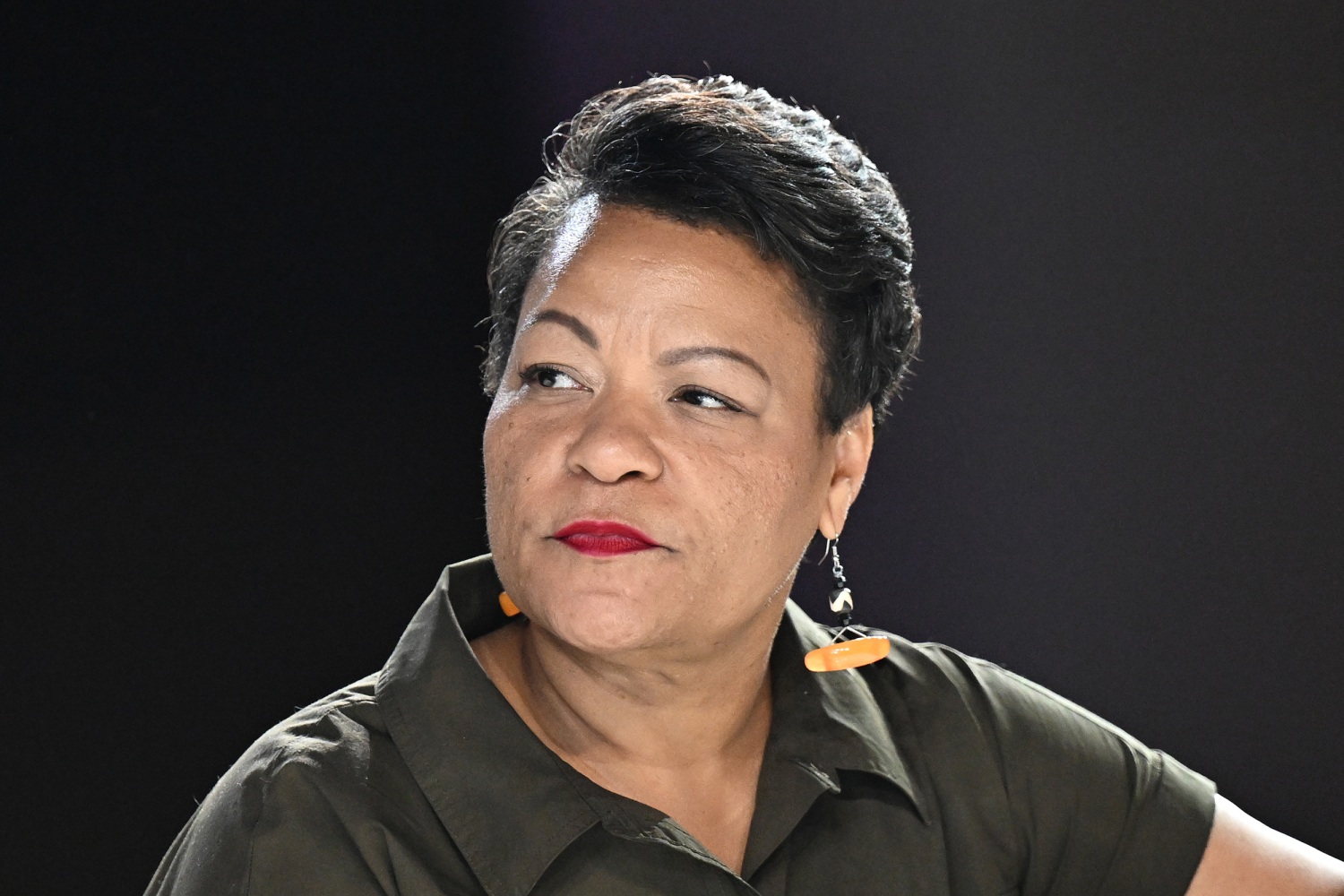
The role of mayor in a city as culturally significant and economically reliant on tourism as New Orleans is multifaceted. It involves not only addressing the everyday needs of residents but also strategically positioning the city on the global stage for travelers, ensuring the allure that draws millions each year remains intact and even flourishes. From the bustling streets of the French Quarter to the serene beauty of City Park, every aspect of New Orleans is, in some way, touched by the city’s leadership. This article delves into Mayor LaToya Cantrell’s influence on the city, exploring how her administration’s policies and priorities resonate with the travel, tourism, and accommodation sectors, ultimately shaping the experience for every visitor to this enchanting destination.
Leadership in the Crescent City: Mayor LaToya Cantrell’s Vision for New Orleans
The leadership in New Orleans plays an instrumental role in shaping the urban environment, which directly impacts the travel and tourism industries. Mayor LaToya Cantrell’s administration has focused on various initiatives aimed at improving the quality of life for residents and enhancing the visitor experience. Her vision for the city encompasses resilience, economic development, and cultural preservation, all of which are critical for a destination that thrives on its unique identity.
A Brief Overview of the Mayor’s Background and Role
LaToya Cantrell made history in 2018 when she was elected as the first female mayor of New Orleans. Prior to her mayoral term, she served on the New Orleans City Council, representing District B, where she gained recognition for her community activism and efforts in neighborhood revitalization. Her journey to the mayor’s office was rooted in a deep understanding of the city’s challenges and opportunities, particularly in the aftermath of Hurricane Katrina. Her role involves overseeing all executive functions of the city government, from public safety and infrastructure to economic development and cultural affairs.
For visitors, the mayor’s leadership directly influences aspects like the cleanliness and safety of tourist areas, the efficiency of public services, and the promotion of the city’s cultural calendar. A strong mayoral presence often means a clear direction for public events, improved transportation options, and a commitment to preserving the historic charm that attracts so many to New Orleans. Mayor Cantrell’s administration has consistently highlighted the importance of a balanced approach: fostering growth while safeguarding the city’s distinct character.
Impact on Urban Development and Infrastructure
Urban development and infrastructure are critical for any major city, and in New Orleans, these areas have a profound impact on the tourism sector. The mayor’s administration has focused on addressing long-standing infrastructure issues, particularly related to drainage and roads, which are vital for both residents and visitors navigating the city. Initiatives aimed at improving public transportation, such as streetcar services and bus routes, directly enhance accessibility to key attractions like the Audubon Park and Garden District, making it easier for tourists to explore beyond the immediate vicinity of the French Quarter.
Furthermore, the administration’s stance on sustainable development and resilience planning is crucial for a city vulnerable to environmental challenges. Efforts to enhance green infrastructure, improve waste management, and prepare for natural disasters not only contribute to the city’s long-term viability but also reinforce its image as a responsible and forward-thinking destination. Such initiatives ensure that the iconic sights, sounds, and experiences of New Orleans remain protected and accessible for generations of travelers to come. The emphasis on public safety and beautification projects in tourist-heavy zones also contributes significantly to a positive visitor experience, making the city an inviting and comfortable place to explore.
New Orleans as a Premier Travel Destination: Connecting Governance with Visitor Experience
New Orleans holds a unique position as a premier travel destination, captivating visitors with its unparalleled blend of history, music, food, and festive spirit. The city’s governance, particularly under Mayor LaToya Cantrell, plays a significant role in nurturing this appeal, ensuring that the infrastructure and cultural fabric are maintained and enhanced for both residents and the millions of tourists who flock here annually. The administration’s policies directly influence everything from the preservation of historic landmarks to the promotion of cultural events, all of which are cornerstones of the New Orleans travel experience.
Enhancing Tourist Attractions and Cultural Preservation
The charm of New Orleans lies in its iconic tourist attractions and the vibrant cultural tapestry woven into its daily life. The mayor’s office, in conjunction with various city departments and local organizations, actively supports the preservation of historical sites like the French Quarter, the architectural marvels of the Garden District, and the majestic St. Louis Cathedral overlooking Jackson Square. These efforts are not merely about maintaining old buildings; they are about safeguarding the stories, traditions, and atmosphere that define the city.
The city also promotes a rich calendar of events, with world-renowned festivals such as Mardi Gras, the New Orleans Jazz & Heritage Festival, and French Quarter Festival drawing massive crowds. The mayor’s administration often plays a crucial role in coordinating these large-scale events, ensuring public safety, sanitation, and logistical support. By investing in cultural programming and supporting local artists and musicians, the city leadership directly contributes to the authentic and immersive experiences that travelers seek. Whether it’s preserving the sounds of traditional jazz at Preservation Hall or protecting the unique culinary heritage, the city’s commitment to culture is palpable and a major draw for tourism.
The Culinary Scene: A Pillar of New Orleans Tourism
New Orleans’ legendary culinary scene is arguably as famous as its music and architecture, serving as a powerful magnet for tourism. The city’s distinct food culture, a fusion of Creole and Cajun traditions, is a major lifestyle draw for visitors. From upscale fine dining establishments to casual po’boy shops and bustling oyster bars, the gastronomic landscape is diverse and celebrated. The mayor’s administration supports this vital sector through various initiatives, including promoting local restaurants, facilitating permits for food festivals, and fostering an environment conducive to culinary entrepreneurship.

The city’s vibrant restaurant scene not only offers incredible dining experiences but also supports a significant portion of the local economy. Policies that encourage small business growth, streamline licensing for food vendors, and promote New Orleans’ unique dishes – like gumbo, jambalaya, and beignets – contribute directly to the city’s appeal as a food lover’s paradise. Food tours, cooking classes, and farmers’ markets further immerse visitors in this delicious aspect of New Orleans life, reinforcing its status as a world-class culinary destination. The focus on local sourcing and sustainable practices within the food industry also aligns with broader city goals, appealing to conscious travelers seeking authentic and responsible experiences.
Navigating Accommodation and Hospitality in New Orleans
For a city like New Orleans, where tourism is a cornerstone of the economy, the accommodation and hospitality sector is of paramount importance. The availability, quality, and diversity of lodging options are critical factors for visitors planning their trips. The city’s administration, under Mayor LaToya Cantrell, plays a role in regulating this sector, fostering development, and ensuring a welcoming environment for all types of travelers. From luxurious resorts to charming boutique hotels and cozy vacation rentals, New Orleans offers a wide spectrum of choices to suit every preference and budget.
From Historic Hotels to Modern Stays: Options for Every Traveler
New Orleans’ accommodation landscape is as varied and charismatic as the city itself. For those seeking luxury and history, iconic establishments like the Hotel Monteleone in the French Quarter or The Roosevelt New Orleans, A Waldorf Astoria Hotel offer opulent suites and a glimpse into the city’s glamorous past. The Ritz-Carlton New Orleans provides a haven of sophistication with spa amenities, while the Royal Sonesta Hotel New Orleans immerses guests in the heart of Bourbon Street with its lush courtyards. These high-end properties contribute significantly to the city’s appeal for luxury travel and business stays.
Beyond the grand hotels, New Orleans boasts a myriad of boutique hotels, bed and breakfasts in historic homes, and modern apartment rentals catering to diverse tastes and budgets. The W New Orleans – French Quarter offers a chic, contemporary experience, while a plethora of smaller, independently owned establishments provide personalized service and a true local feel. For families or those planning a long-term stay, serviced apartments and villas offer the comforts of home. The city’s regulations on short-term rentals, often influenced by mayoral administrations, aim to strike a balance between supporting tourism and preserving residential neighborhoods, a critical consideration for both visitors and locals. This dynamic environment ensures that whether you’re looking for a resort experience or a budget-friendly option, New Orleans has a suitable choice, reflecting the city’s commitment to comprehensive accommodation.
The Future of Tourism and Accommodation
The future of tourism and accommodation in New Orleans is a topic of ongoing discussion and strategic planning, often guided by the mayor’s office. Post-pandemic recovery efforts have been central to Mayor Cantrell’s administration, focusing on rebuilding visitor confidence and supporting the hospitality industry. This includes initiatives to promote responsible tourism, encourage sustainable practices within hotels and attractions, and invest in infrastructure that supports a growing visitor base.
The administration also faces the challenge of managing the delicate balance between tourism growth and the quality of life for residents. Discussions around new hotel developments, the regulation of vacation rentals, and the expansion of convention facilities like the Ernest N. Morial Convention Center are ongoing. The goal is to ensure that tourism continues to be a vibrant economic driver while preserving the unique cultural fabric and authenticity of New Orleans. The city’s leadership is also keen on diversifying its tourism offerings, promoting lesser-known neighborhoods, and highlighting the city’s strengths beyond the traditional party atmosphere, such as its rich history, arts scene, and family-friendly attractions like the Audubon Aquarium of the Americas and the Audubon Zoo. This forward-looking approach ensures that New Orleans remains a competitive and appealing destination for years to come.
Experiencing the New Orleans Lifestyle: Beyond the Headlines
The true essence of New Orleans extends far beyond its political landscape or even its most famous landmarks. It’s an immersive lifestyle defined by a rhythm of music, a palette of flavors, and a spirit of communal celebration. For visitors, diving into this lifestyle is what transforms a trip into an unforgettable experience. The city’s leadership plays an indirect yet crucial role in safeguarding this unique ethos, ensuring that the infrastructure and policies are in place to allow this vibrant culture to flourish, benefiting both residents and those seeking authentic experiences.
Festivals, Music, and the Arts: The Soul of the City
Music flows through the veins of New Orleans, with jazz, blues, and Zydeco echoing from every corner. From the legendary clubs of Frenchmen Street to street performers in the French Quarter, music is an ever-present companion. Festivals are not just events; they are intrinsic to the city’s identity, with Mardi Gras being the most prominent example of the city’s zest for life. These celebrations, along with the countless smaller parades and second lines, are supported by city permits, public services, and a deep-seated tradition that city leadership helps to uphold. The mayor’s administration recognizes the economic and cultural significance of these festivals and the arts, often advocating for funding and support for local artists and venues.
Beyond music, the arts thrive in New Orleans. Galleries on Julia Street in the Arts District showcase contemporary works, while institutions like the New Orleans Museum of Art and the National WWII Museum offer profound cultural insights. The city’s support for these cultural pillars ensures that the soul of New Orleans remains vibrant and accessible, providing visitors with a rich tapestry of experiences that go beyond mere sightseeing. This commitment to cultural preservation and promotion is a testament to how the city’s governance directly impacts the lifestyle allure that makes New Orleans a truly special destination.

Practical Tips for Visitors: Making the Most of Your Stay
To truly embrace the New Orleans lifestyle, visitors can benefit from a few practical tips, many of which are indirectly supported by efficient city operations. Public transportation, including streetcars and buses, provides convenient and affordable ways to navigate the city, connecting major areas like the French Quarter, Garden District, and Magazine Street. The city’s efforts in maintaining this infrastructure are key to a smooth visitor experience.
Safety, always a priority for travelers, is an area where municipal leadership makes continuous efforts. While New Orleans is generally safe for tourists, especially in well-trafficked areas, awareness and common sense are always advised. Utilizing reputable taxi services or ride-sharing apps, particularly at night, and sticking to well-lit streets can enhance personal security. Additionally, being mindful of local customs and showing respect for the city’s unique culture, especially during parades or religious observances, ensures a more enjoyable and authentic experience for everyone. Engaging with locals, trying neighborhood eateries, and exploring beyond the typical tourist hotspots can unveil hidden gems and a deeper appreciation for the New Orleans way of life. The efficiency of the Louis Armstrong New Orleans International Airport also plays a vital role in the seamless arrival and departure experience for millions of visitors each year, reflecting broader infrastructural commitments by the city and state.
In conclusion, understanding who is mayor of New Orleans provides a crucial lens through which to view the city’s dynamic landscape. Mayor LaToya Cantrell’s leadership is intricately linked to the city’s development, its appeal as a global travel destination, and the overall quality of the visitor experience. From infrastructure projects that improve navigability to cultural initiatives that preserve the city’s vibrant traditions and policies that shape the hospitality sector, the mayor’s vision resonates throughout New Orleans. For anyone planning to visit or simply curious about this iconic Crescent City, knowing the individual at its helm offers valuable context to the ongoing evolution of one of the world’s most enchanting destinations. It underscores how civic leadership is not just about governance, but about curating an experience that continues to captivate hearts and minds across the globe, inviting travelers to immerse themselves in the unforgettable lifestyle of New Orleans.
LifeOutOfTheBox is a participant in the Amazon Services LLC Associates Program, an affiliate advertising program designed to provide a means for sites to earn advertising fees by advertising and linking to Amazon.com. Amazon, the Amazon logo, AmazonSupply, and the AmazonSupply logo are trademarks of Amazon.com, Inc. or its affiliates. As an Amazon Associate we earn affiliate commissions from qualifying purchases.