
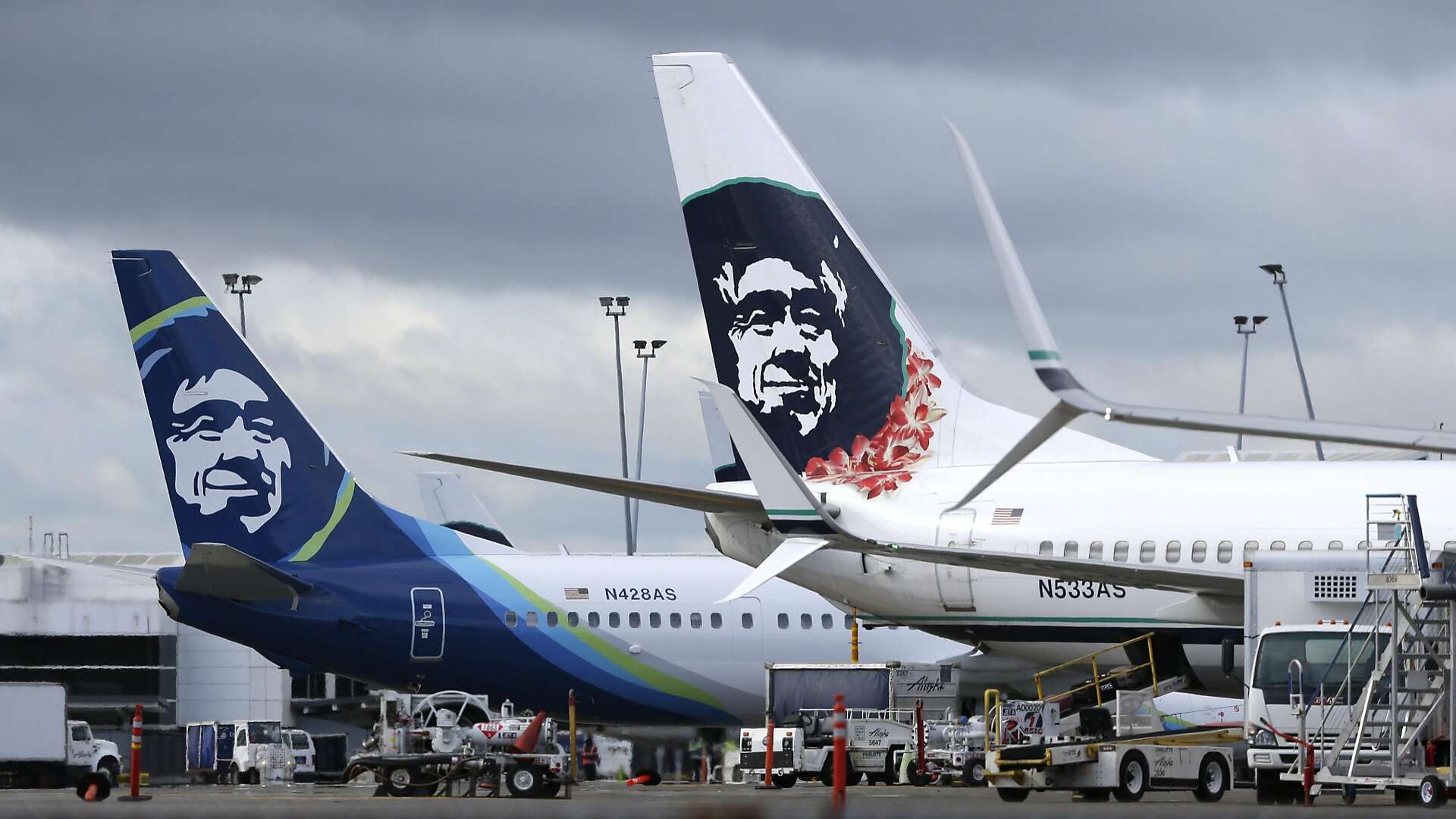
For many travelers, the smiling face gracing the tail of every Alaska Airlines plane is an iconic and instantly recognizable symbol. It’s a warm, welcoming visage that evokes a sense of friendliness and adventure, often serving as the first visual introduction to the wonders of Alaska itself. But beyond the immediate impression, the identity of this individual, and the rich cultural tapestry he represents, is a deeply significant aspect of Alaskan tourism and local heritage. This emblematic figure is more than just a corporate emblem; he is a profound connection to the heart and soul of the 49th state, embodying its spirit, its people, and its enduring traditions. Understanding who he is unlocks a deeper appreciation for the destination and the respectful engagement with its vibrant local culture.
The Enduring Symbol of Alaskan Heritage
The distinct profile on the Alaska Airlines logo has been a constant source of curiosity and affection. For decades, it has stood as a beacon for those embarking on journeys to the vast wilderness and unique communities of Alaska, silently communicating a story of resilience, welcome, and deep-rooted identity.
Unveiling the Enigmatic Figure
The instantly recognizable face belongs to an Indigenous Alaskan man, a direct representation of the native peoples who have inhabited Alaska for millennia. While his exact historical identity has been a subject of much discussion and even urban legend over the years, the airline itself has clarified that the logo is not based on one specific individual but rather a composite, an archetype intended to honor the broader Indigenous Alaskan population. This intentional representation acknowledges the fundamental role of Indigenous people in shaping the land, culture, and history of the region.
The design, which first appeared prominently in the 1970s, aimed to capture the essence of wisdom, warmth, and strength often associated with Alaskan native cultures. The figure’s slight smile and thoughtful gaze invite a sense of connection and approachability, making him an ideal ambassador for a state renowned for its majestic, yet often formidable, natural beauty. For tourists, this initial visual greeting serves as an important psychological gateway, suggesting that despite the wildness of the landscape, there is a human element of welcome and ancient wisdom waiting to be discovered.
A Nod to Native Culture and Local Identity
The decision to feature an Indigenous Alaskan on the logo was a deliberate and pioneering choice, especially given the historical context. It underscored a commitment to reflecting the true spirit of Alaska – not just its glaciers and wildlife, but its living, breathing human heritage. This is particularly significant for tourists seeking authentic experiences. The logo subtly communicates that a journey to Alaska is an opportunity to engage with a rich, vibrant culture that is intrinsically linked to the land.
The cultural tapestry of Alaska is woven from the traditions of numerous distinct Indigenous groups, including the Inupiat, Yup’ik, Aleut, Athabascan, Tlingit, Haida, and Tsimshian. Each group boasts unique languages, art forms, spiritual beliefs, and subsistence practices. The logo, while not specific to one tribe, serves as a universal emblem of this collective Alaskan Indigenous identity. It gently reminds visitors that they are entering lands steeped in thousands of years of human Alaskan history and ongoing cultural practices, encouraging a journey of respect and discovery. By choosing such a figure, Alaska Airlines not only represents the state but also implicitly advocates for the recognition and celebration of its first peoples, making it an insightful symbol for culturally conscious tourism.
The Face of Hospitality: Bridging Cultures Through Travel
The smiling face on the Alaska Airlines logo is far more than a mere design element; it functions as a powerful cultural ambassador, shaping perceptions and fostering connections long before a traveler even steps foot in Alaska. It sets a tone, inviting visitors not just to see the sights but to immerse themselves in the deep cultural currents that define the region.
More Than Just a Mascot: A Cultural Ambassador
The logo’s gentle smile and distinctive features instantly convey a sense of genuine welcome and authentic Alaskan hospitality. For many, it’s the first friendly face they encounter on their journey north, signaling that despite Alaska’s reputation for rugged individualism and vast, untamed wilderness, there is a warm, human connection at its core. This subtle message is critical for tourism, as it eases potential apprehension about visiting a remote destination and instead frames it as an opportunity for meaningful interaction.
This figure serves as a symbolic bridge, connecting the modern world of air travel with the ancient traditions of Alaska’s Indigenous communities. It suggests that authenticity is a core value of the Alaskan experience, encouraging tourists to look beyond superficial attractions and seek out deeper engagements. The logo primes visitors to appreciate the stories, the resilience, and the generosity of spirit that are hallmarks of Indigenous Alaskan culture. It acts as a visual promise of a culturally enriching journey, where visitors might encounter traditional arts, hear ancestral languages, and learn about time-honored ways of life, all underpinned by a welcoming ethos.
Promoting Authentic Alaskan Tourism Experiences
By featuring an Indigenous Alaskan on its logo, Alaska Airlines subtly but powerfully promotes a specific kind of tourism – one focused on authenticity and cultural appreciation. This branding choice encourages tourists to seek out experiences that go beyond merely observing landscapes. It nudges them towards understanding the human element that has shaped and continues to thrive within these landscapes.
This includes visiting cultural centers and museums dedicated to Indigenous art and history, attending traditional festivals and celebrations, and supporting local artists and craftspeople. The logo implicitly endorses tour operators and experiences that are owned or guided by Indigenous Alaskans, providing firsthand insights into their heritage and environment. It highlights the importance of connecting with the land through the eyes of those who have lived there for generations, offering perspectives that are often missed in conventional tourism. This fosters a more responsible and respectful approach to travel, where visitors are encouraged to contribute positively to the economic and cultural well-being of the Alaskan communities they encounter, ensuring their journeys are not just memorable but also meaningful.
Evolution of an Icon: From Mystery to Modern Representation
The story behind the Alaska Airlines logo is a journey reflecting not only the airline’s growth but also evolving societal perspectives on representation and cultural authenticity within tourism. Its enduring presence speaks volumes about its effectiveness in connecting with travelers and symbolizing the very essence of Alaska.
The Journey of the Logo’s Identity
When the smiling face first appeared on Alaska Airlines aircraft, its origin was shrouded in a bit of mystery, leading to various stories and local legends. Some believed it was a famous chief, others a particularly friendly resident of a remote village. Over time, as the airline matured and its commitment to Alaskan cultural representation deepened, the truth emerged: the face was inspired by a photograph of an Inupiat elder, but ultimately stylized to represent the collective spirit of Indigenous Alaskans. This evolution from a specific (though often mythical) individual to a broader, respectful archetype marks a significant step in how corporate branding can honor rather than appropriate culture.
The logo’s journey also parallels Alaska’s own development as a tourist destination. Initially, the draw was primarily wilderness and adventure. However, as global tourism became more sophisticated, there was a growing demand for cultural immersion and authentic local experiences. The consistency of the Indigenous Alaskan figure on the tail helped solidify Alaska Airlines’ identity as a carrier deeply connected to the state’s heritage, signaling to travelers that their journey would be more than just transportation; it would be an introduction to a unique way of life. This consistent visual messaging reinforces the importance of human stories and cultural depth in the overall narrative of visiting Alaska.
Modern Tourism and Cultural Sensitivity
In today’s global tourism landscape, cultural sensitivity and responsible representation are paramount. The Alaska Airlines logo stands as an example of thoughtful branding that aligns with these modern values. By deliberately choosing to feature an Indigenous Alaskan and by clarifying its symbolic nature, the airline contributes positively to the narrative of Alaskan tourism. It reinforces the message that the cultural heritage of the state’s first peoples is not just historical artifact but a living, vibrant part of its contemporary identity and a key aspect of the visitor experience.
This approach encourages tourists to engage with local communities respectfully, recognizing the inherent value and ongoing contributions of Indigenous Alaskans. Alaska Airlines has also extended its commitment beyond the logo, engaging in various initiatives that support Alaskan communities and cultural preservation efforts. For travelers, this means supporting an airline that champions ethical representation, thereby contributing to a sustainable and culturally aware tourism ecosystem. When choosing to visit Alaska, the logo is a subtle reminder to approach the destination not just as a consumer of natural beauty, but as an appreciative guest in a land rich with history, culture, and profound human connections.
Deepening Your Alaskan Cultural Immersion
The Alaska Airlines logo is a fantastic starting point for understanding the cultural richness of Alaska. However, to truly appreciate the depth and diversity of Indigenous Alaskan culture, a traveler must actively seek out opportunities for direct engagement and respectful interaction.
Beyond the Logo: Engaging with Alaskan Indigenous Culture
To move beyond the symbolic representation on the aircraft tail and truly connect with Alaskan Indigenous culture, visitors have numerous avenues. One of the most enriching experiences is to visit dedicated cultural centers and heritage sites across the state. In Anchorage, the Alaska Native Heritage Center offers an unparalleled immersive experience, showcasing the traditions, art, and languages of various Indigenous groups through dance performances, storytelling, and artisan demonstrations. Similarly, in Juneau, the Sealaska Heritage Institute provides insights into Tlingit, Haida, and Tsimshian cultures.
Beyond these major institutions, many smaller villages and communities offer opportunities for cultural exchange. Attending local festivals, such as Celebration in Juneau or smaller community potlatches (where visitors are welcome), can provide profound insights into traditional practices and contemporary life. Supporting Indigenous-owned businesses, especially those selling authentic Alaskan Native art, directly contributes to the economic vitality and cultural preservation of these communities. Engaging with Indigenous guides for tours, whether for wildlife viewing or historical explorations, offers unique perspectives rooted in generations of knowledge about the land and its resources. These interactions transform a simple vacation into a meaningful journey of understanding and appreciation.

Respectful Travel: A Guide for Visitors
Engaging with any local culture, especially Indigenous cultures, requires mindfulness and respect. For visitors to Alaska, approaching interactions with humility and an open mind is crucial. Always seek permission before taking photographs of people, especially in cultural settings or private ceremonies. Be mindful of cultural protocols and traditions, which might include specific ways of greeting, interacting, or participating in events. Learning a few words of an Indigenous language – even just “thank you” – can be a deeply appreciated gesture.
Furthermore, consider the economic impact of your visit. Prioritize supporting local businesses, especially Indigenous-owned enterprises, to ensure that the benefits of tourism directly empower the communities whose heritage you are experiencing. Avoid purchasing items that falsely claim to be Alaskan Native art or culturally significant artifacts; instead, seek out certified genuine products. By traveling responsibly and respectfully, visitors contribute to the sustainable future of Alaskan Indigenous culture, ensuring that the vibrant heritage celebrated by the Alaska Airlines logo continues to thrive for generations to come. The smiling face is an invitation to explore, but also a silent plea to honor the spirit of the land and its people with genuine reverence.
LifeOutOfTheBox is a participant in the Amazon Services LLC Associates Program, an affiliate advertising program designed to provide a means for sites to earn advertising fees by advertising and linking to Amazon.com. Amazon, the Amazon logo, AmazonSupply, and the AmazonSupply logo are trademarks of Amazon.com, Inc. or its affiliates. As an Amazon Associate we earn affiliate commissions from qualifying purchases.