
When travelers envision a sun-drenched escape to the Caribbean, the vibrant culture and stunning landscapes of Puerto Rico often come to mind. This enchanting island, a jewel nestled between the Atlantic Ocean and the Caribbean Sea, offers a unique blend of historical richness, natural wonders, and modern amenities. However, a common question that arises, particularly for those unfamiliar with its political landscape, is “Who is the President of Puerto Rico?” The answer, while seemingly straightforward, unravels a fascinating political status that profoundly shapes the island’s identity, economy, and the very experience it offers to visitors.

Puerto Rico is not an independent nation with its own president but rather an unincorporated territory of the United States. This distinct relationship means that while the island enjoys a significant degree of self-governance, its ultimate sovereignty rests with the United States Congress in Washington D.C.. Consequently, the President of the United States is also the head of state for Puerto Rico. This unique political arrangement has historical roots stretching back to 1898, following the Spanish-American War, when Spain ceded the island to the United States. Understanding this foundational aspect is key to appreciating the island’s bicultural identity, its legal framework, and even its appeal as a seamless travel destination for U.S. citizens, who do not require a passport to visit and use the U.S. dollar as currency.
Understanding Puerto Rico’s Unique Political Status
The political status of Puerto Rico is a complex tapestry woven from historical events, legal interpretations, and cultural aspirations. It significantly impacts everything from governance to daily life, and by extension, the tourism industry.
The Governor and the U.S. President: A Dual Leadership
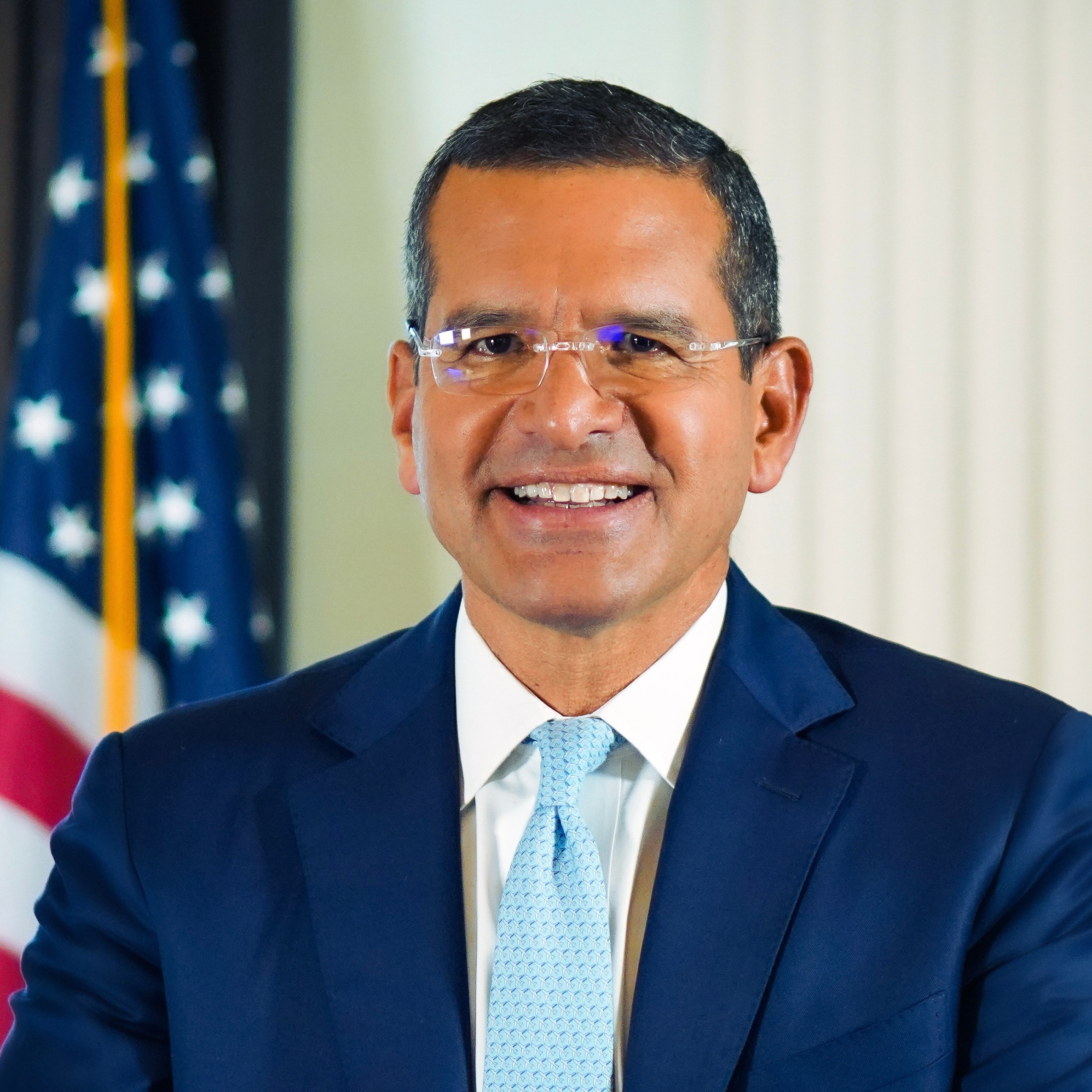
At the local level, Puerto Rico is led by its own elected Governor, who serves as the head of government for the commonwealth. The Governor holds executive power, overseeing the local administration, much like a state governor in the mainland United States. This elected official is responsible for the day-to-day operations of the island, including education, infrastructure, public safety, and local economic development initiatives that are crucial for supporting its vibrant tourism sector. They work in conjunction with a bicameral legislative assembly and an independent judiciary, creating a robust framework for self-governance.
However, overarchingly, the President of the United States is the ultimate executive authority for Puerto Rico. This means that federal laws, policies, and regulations enacted by the U.S. government apply to the island. While Puerto Rico has a non-voting Resident Commissioner in the United States Congress who can advocate for the island’s interests, residents of Puerto Rico do not vote in federal elections for President. This intricate balance of local autonomy under federal sovereignty creates a distinct political environment that shapes the island’s economic landscape, its infrastructure development, and even its cultural expressions, all of which directly influence its appeal as a travel destination.
A Commonwealth’s Distinct Identity
The term “commonwealth” for Puerto Rico signifies a unique political arrangement. While often compared to a U.S. state, it retains certain distinctions that grant it specific freedoms and responsibilities. Puerto Ricans are U.S. citizens, allowing for unrestricted travel between the island and the mainland, which greatly facilitates tourism and business. They serve in the U.S. armed forces and carry U.S. passports, yet they do not pay federal income tax on income earned within [Puerto Rico](https://lifeoutofthebox.com/puerto-rico]. This status fosters a unique blend of American influence and strong Puerto Rican cultural identity, often celebrated as “dos alas de un mismo pájaro” (two wings of the same bird).
For travelers, this dual identity translates into an incredibly rich and accessible experience. You get the convenience of U.S. currency, legal framework, and many familiar services, combined with the exotic allure of a distinct Caribbean culture, language (Spanish and English are official languages), and vibrant traditions. This blend is evident in everything from the architecture of Old San Juan to the fusion cuisine, making it an ideal destination for those seeking both familiarity and adventure.
Puerto Rico: A Caribbean Gem Shaped by Its Status
The political status of Puerto Rico, rather than diminishing its appeal, enhances its unique character as a travel destination. The blend of cultures, the robust infrastructure (supported by its ties to the United States), and the preserved historical sites all contribute to an unparalleled travel experience.
San Juan: A Historic Capital with Modern Allure
The capital city, San Juan, perfectly encapsulates the island’s rich history and contemporary vibrancy. As one of the oldest European-founded cities in the Americas, San Juan boasts the UNESCO World Heritage site of Old San Juan. This historic district, with its cobblestone streets, colorful colonial buildings, and imposing fortresses, is a living museum. Visitors can wander through the narrow alleyways, marvel at the architecture, and explore iconic landmarks such as El Morro (Castillo San Felipe del Morro) and Fort San Cristóbal, which once protected the city from invaders. The Paseo de la Princesa, a picturesque promenade, offers stunning views of the bay and a glimpse into local life.
Beyond its historical core, San Juan is a bustling modern metropolis. Areas like Condado and Isla Verde are renowned for their luxury hotels, sophisticated resorts, and pristine beaches. Here, travelers can find everything from opulent suites at properties like the Condado Vanderbilt Hotel to more intimate boutique hotels and vacation apartments, catering to diverse preferences and budgets. These areas are also hubs for fine dining, upscale shopping, and vibrant nightlife, showcasing Puerto Rico’s contemporary lifestyle. The proximity of Luis Muñoz Marín International Airport to San Juan makes it an accessible gateway for international travelers and a convenient starting point for any Puerto Rican adventure.
Beyond the Capital: Exploring the Island’s Diverse Landscapes
While San Juan offers an unforgettable urban experience, the true magic of Puerto Rico extends across its incredibly diverse landscapes. The island is a microcosm of natural wonders, offering something for every type of adventurer.
One of the most celebrated natural landmarks is El Yunque National Forest, the only tropical rainforest in the U.S. National Forest System. Here, lush biodiversity thrives, with cascading waterfalls, challenging hiking trails, and unique flora and fauna, including the iconic coqui frog. It’s an ideal destination for eco-tourism, providing a stark contrast to the bustling city life.
For those seeking sun and sand, Puerto Rico’s beaches are legendary. The islands of Vieques and Culebra, accessible by ferry or small plane from Fajardo, boast some of the world’s most breathtaking shores. Flamenco Beach on Culebra consistently ranks among the top beaches globally, known for its pristine white sands and turquoise waters. Vieques is home to Mosquito Bay, one of the brightest bioluminescent bays in the world, offering an ethereal night-time kayaking experience. Other notable bioluminescent bays include Laguna Grande in Fajardo and La Parguera in Lajas.
The west coast, particularly the town of Rincón, is a renowned surfing haven, attracting enthusiasts from around the globe with its consistent waves and laid-back vibe. Further south, the city of Ponce, known as the “Pearl of the South,” offers its own distinct historical and cultural attractions, including the striking Museum of Art of Ponce and the historic Castillo Serrallés. Inland, the central mountain range provides opportunities for adventure tourism, from zip-lining to exploring the vast underground river system of Rio Camuy Caves Park.
Immersing Yourself in Puerto Rican Culture and Lifestyle
The vibrant culture of Puerto Rico is a captivating fusion of Taíno, African, and Spanish influences, profoundly shaped by its relationship with the United States. This rich heritage is expressed through its music, dance, art, and most deliciously, its cuisine.
Culinary Delights and Vibrant Festivals
Puerto Rican food is a highlight for many visitors. Known as “cocina criolla,” it’s a savory blend of flavors. Staples like mofongo (fried plantain dish), lechón asado (slow-roasted pork), and pasteles (tamales-like turnovers) are must-tries. The island’s coffee culture is also robust, with plantations in the central mountains producing high-quality beans. For a refreshing treat, coquito (a coconut-based alcoholic beverage, especially popular during holidays) is a delight. Food tours are popular in Old San Juan, offering a guided journey through the island’s culinary traditions.
The island’s calendar is dotted with lively festivals and celebrations throughout the year. From the Fiestas de la Calle San Sebastián in Old San Juan to regional patron saint festivals, these events showcase traditional music (salsa, bomba y plena), colorful parades, and fervent community spirit. Attending a local festival provides an authentic glimpse into the heart and soul of Puerto Rican life, offering an experience far beyond typical tourist attractions.
Accommodation and Travel Styles for Every Visitor
Puerto Rico’s accommodation options are as diverse as its landscapes, catering to every travel style and budget. For those seeking luxury, exclusive resorts like the Dorado Beach, a Ritz-Carlton Reserve offer unparalleled service, private beaches, and world-class amenities in settings of exquisite beauty. These establishments often provide suites, villas, and even private residences, perfect for discerning travelers.
Mid-range options include well-known hotel brands and charming boutique hotels, particularly in San Juan and Ponce. For budget-conscious travelers or those seeking a more local experience, guesthouses, hostels, and vacation rentals (apartments and villas) are plentiful across the island. Booking platforms offer a wide array of choices, with reviews and comparison tools making it easy to find the perfect fit. Long-term stays are also popular, especially in areas like Rincón, where visitors can immerse themselves in the local community and lifestyle.
Whether it’s a family trip enjoying kid-friendly resorts, a romantic getaway at a secluded villa, a business stay with full amenities, or an adventurous budget trip exploring national parks and surf towns, Puerto Rico delivers. Many accommodations also offer unique amenities, from infinity pools overlooking the Caribbean Sea to eco-lodges nestled in the rainforest, ensuring that every traveler’s desire for comfort and experience is met.
Planning Your Puerto Rican Adventure
Understanding the political context of Puerto Rico not only answers the question of “Who is President?” but also clarifies many aspects of travel to the island. Its status as a U.S. territory means a familiar and secure environment for U.S. travelers, while its distinct culture offers a vibrant, exotic adventure.
Essential Travel Tips and Considerations
When planning a trip to Puerto Rico, here are a few key tips:
- Currency and Language: The official currency is the U.S. dollar. While Spanish is the dominant language, English is widely spoken in tourist areas and major cities, making communication relatively easy for English speakers.
- Transportation: Renting a car is recommended for exploring beyond San Juan, offering flexibility to visit remote beaches and mountain towns. Ride-sharing services are available in urban areas.
- Best Time to Visit: The dry season, from December to May, offers pleasant weather and fewer rain showers, ideal for outdoor activities. However, the off-season (June to November) can offer lower prices, though it coincides with hurricane season.
- Local Etiquette: Puerto Ricans are known for their warmth and hospitality. A simple “Hola” and “Gracias” go a long way. Punctuality is often flexible, reflecting the relaxed Caribbean pace.
- Safety: Like any travel destination, it’s wise to be aware of your surroundings, especially in crowded areas. The Puerto Rico Tourism Company provides helpful resources for travelers.
In conclusion, while Puerto Rico does not have its own president, being under the executive leadership of the President of the United States, this political reality has forged a truly unique travel destination. It is an island where historical legacies meet contemporary comforts, where rainforests touch pristine beaches, and where vibrant cultural traditions thrive alongside modern influences. From the historic fortifications of Old San Juan to the bioluminescent wonders of its bays, Puerto Rico offers an unforgettable travel experience for every type of adventurer, promising a blend of ease, excitement, and authentic Caribbean charm.
LifeOutOfTheBox is a participant in the Amazon Services LLC Associates Program, an affiliate advertising program designed to provide a means for sites to earn advertising fees by advertising and linking to Amazon.com. Amazon, the Amazon logo, AmazonSupply, and the AmazonSupply logo are trademarks of Amazon.com, Inc. or its affiliates. As an Amazon Associate we earn affiliate commissions from qualifying purchases.