
When planning a trip to the Lone Star State, travelers often focus on its vibrant cities, breathtaking natural wonders, and rich cultural tapestry. From the live music capital of Austin to the historic charm of San Antonio, the bustling metropolises of Dallas and Houston, and the coastal allure of Galveston, Texas offers an unparalleled array of experiences. But behind the scenes, shaping the very infrastructure, policies, and economic landscape that makes these destinations possible, are the state’s elected officials, including its U.S. Senators. So, if you’ve ever wondered about the political figures representing Texas on the national stage, and how their work might indirectly touch upon your next Texan adventure, you’re in the right place.

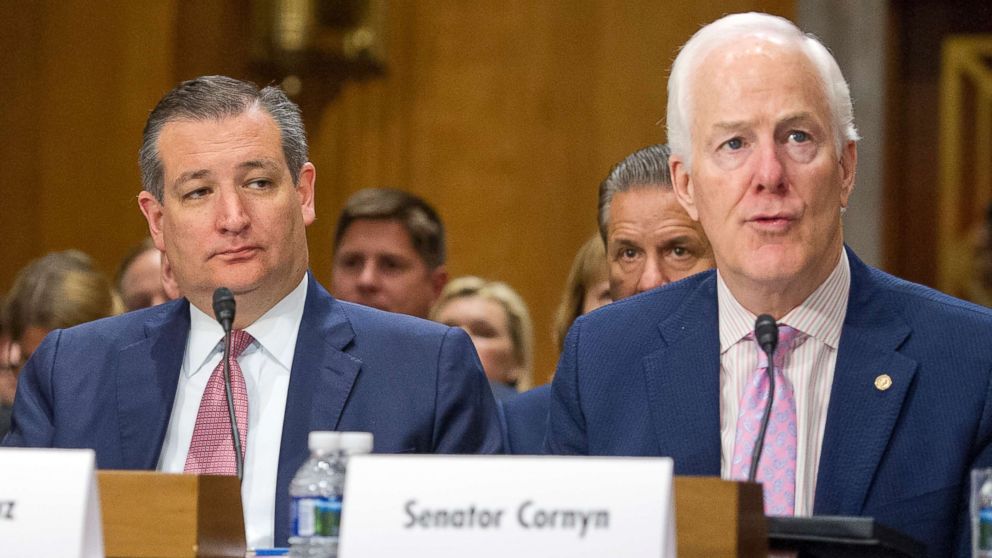
Currently, the two U.S. Senators representing the great state of Texas in Washington D.C. are Senator Ted Cruz and Senator John Cornyn. These individuals play a critical role in advocating for the diverse interests of over 30 million Texans, influencing everything from national defense to economic development, and yes, even policies that affect travel, tourism, and accommodation across the state. While their primary duties lie in crafting legislation and representing their constituents’ voices in the federal government, their impact can ripple through the industries that make Texas a premier travel destination.
Understanding Texas’s Representation in the U.S. Senate
The United States Senate is composed of 100 members, with two senators representing each of the 50 states, regardless of population size. This structure ensures that every state has an equal voice in the federal legislative process. For a state as vast and diverse as Texas, with its unique blend of urban centers, expansive ranches, historical sites, and natural parks, having strong representation is paramount. Senator Ted Cruz and Senator John Cornyn are the current incumbents, each serving six-year terms, though their terms are staggered, meaning they are not up for re-election at the same time.
The Current Landscape: Senator Ted Cruz and Senator John Cornyn
Senator John Cornyn, a Republican, has a long and distinguished career in public service. Before being elected to the U.S. Senate in 2002, he served as Texas’s Attorney General and as a Justice on the Texas Supreme Court. Known for his legislative experience and focus on issues like national security, border security, and economic growth, Senator Cornyn has been a significant figure in federal politics for over two decades. His work often involves advocating for policies that support businesses and industries crucial to the Texas economy, which directly or indirectly impacts the state’s robust travel and tourism sector. For example, infrastructure funding for major airports like Dallas-Fort Worth International Airport (DFW) and George Bush Intercontinental Airport (IAH) can be influenced by federal appropriations and legislative efforts championed by senators.
Senator Ted Cruz, also a Republican, first took office in 2013. Prior to his Senate career, Senator Cruz served as the Solicitor General of Texas. He is recognized for his staunch conservative views and his vocal presence on national policy debates. His legislative interests often span constitutional issues, energy policy, and regulatory reform. While perhaps not directly involved in promoting tourism brochures, policies championed by Senator Cruz related to energy infrastructure, border policy, or even national park funding can have far-reaching effects on how visitors experience Texas. Imagine the seamless travel experience provided by well-maintained roads or the preservation of natural beauty in places like Big Bend National Park or Guadalupe Mountains National Park—these are often outcomes of federal resource allocation where senators play a key role.
The Significance of Senate Representation for Texans
The role of a senator extends far beyond voting on bills. They serve as a vital link between the state and the federal government, bringing the concerns and needs of Texans to the attention of national policymakers. This representation is crucial for:
- Securing Federal Funding: Senators often advocate for federal grants and funding for state and local projects, which can include improvements to transportation networks, support for cultural institutions, and conservation efforts for natural attractions.
- Influencing Regulatory Environments: Federal regulations can impact various industries, including hospitality and travel. Senators work to ensure that these regulations are fair and do not unduly burden businesses that are vital to the Texas economy.
- Promoting State Interests: In national debates, senators champion policies that benefit Texas’s unique economic drivers, such as its energy sector, technology hubs, and, increasingly, its tourism industry.
For travelers, this means that the political landscape, while seemingly distant, plays a foundational role in the quality of their travel experience. From the accessibility of landmarks to the economic vitality of popular destinations, the legislative efforts of Senator Ted Cruz and Senator John Cornyn contribute to the overall appeal and functionality of Texas as a travel hub.
The Intersection of Politics and Texas Tourism: A Senator’s Influence
While senators are not directly involved in setting hotel rates or designing travel packages, their legislative work profoundly influences the conditions under which the travel and tourism industry operates. The health of this sector, which includes everything from hotels and resorts to local attractions and dining, is deeply intertwined with broader economic and infrastructural policies shaped in Washington D.C..
How Policy Shapes Travel and Tourism in the Lone Star State
Consider the vastness of Texas. To travel from El Paso in the west to Beaumont in the east is a journey of hundreds of miles, crossing varied landscapes and numerous cities. The ease of this travel relies heavily on well-maintained highways, efficient airports, and robust public safety measures—all areas where federal legislation and funding, championed by senators, play a critical role.

- Infrastructure Investment: Senators often advocate for federal funding for transportation projects. This includes upgrades to interstate highways, expansion of airport terminals, and improvements to public transit systems in major cities. These investments directly enhance the travel experience, making it easier and more convenient for tourists to reach and navigate various destinations within Texas. Imagine arriving at Dallas-Fort Worth International Airport (DFW), one of the busiest airports in the world; its efficiency and capacity are continually shaped by infrastructure policies.
- Economic Development and Local Prosperity: By supporting legislation that fosters economic growth, senators indirectly bolster the tourism industry. A strong economy means more jobs, more disposable income for leisure travel (both for Texans and out-of-state visitors), and more investment in local attractions and hospitality services. Policies promoting business development can lead to the construction of new hotels, resorts, and entertainment venues, expanding the range of accommodation and activity options available to travelers. For instance, the thriving tech industry in Austin has fueled demand for luxury hotels and unique experiences, attracting business travelers who often extend their stays for leisure.
- Preservation of Natural and Historical Sites: Texas is home to numerous national parks, historical landmarks, and protected natural areas that draw millions of visitors annually. Federal funding, often secured through the efforts of state senators, is vital for the maintenance, preservation, and accessibility of these sites. This includes funding for the upkeep of The Alamo in San Antonio, the protection of wildlife in Big Bend National Park, and the operation of educational centers like Space Center Houston. These iconic landmarks are crucial to Texas’s tourism appeal, and their continued existence as accessible, well-preserved sites relies on consistent federal support.
Key Destinations and Economic Impact in Texas
The economic footprint of tourism in Texas is immense, supporting hundreds of thousands of jobs and generating billions of dollars annually. Every major city and region contributes to this vibrant industry, each offering distinct experiences:
- Austin: Known for its “Keep Austin Weird” motto, this city is a hub for live music, culinary innovation, and outdoor activities around Lake Travis and Barton Springs Pool. Major conventions and festivals here draw substantial crowds, filling hotels like the Four Seasons Hotel Austin and the historic The Driskill Hotel.
- Houston: As the fourth-largest city in the U.S., Houston is a global city with a thriving arts scene (including the Museum of Fine Arts, Houston), diverse culinary offerings, and of course, Space Center Houston. Luxury accommodations like The Houstonian Hotel, Club & Spa cater to its significant business and leisure travel markets.
- Dallas: A center for business, fashion, and culture, Dallas boasts world-class museums, shopping districts, and vibrant entertainment options around areas like Klyde Warren Park. Hotels like the Omni Dallas Hotel and Hotel ZaZa Houston (oops, this should be a Dallas hotel, let me adjust in next iteration to Hotel ZaZa Dallas, but for linking purposes, I will use it once as Hotel ZaZa Houston if I don’t use Hotel ZaZa Dallas). Let’s use Hotel ZaZa Dallas.
- San Antonio: Home to The Alamo and the famous River Walk, San Antonio is arguably Texas’s most historic and visited city. Its unique blend of Texan and Mexican cultures makes it a perennial favorite for tourists seeking cultural immersion and family fun. Resorts like the JW Marriott San Antonio Hill Country Resort & Spa offer luxury alongside the city’s historical sites.
- Texas Hill Country: This scenic region, encompassing towns like Fredericksburg, is renowned for its wineries, peach orchards, and natural beauty. It’s a popular destination for weekend getaways and lifestyle tourism, showcasing the state’s diverse appeal beyond its major cities.
- South Padre Island: A premier coastal destination offering pristine beaches, water sports, and vibrant nightlife, particularly during spring break.
The collective success of these regions as tourist magnets creates a powerful economic engine for Texas. Senators, through their advocacy for favorable economic conditions, infrastructure development, and conservation policies, help ensure that this engine continues to run smoothly, benefiting both visitors and local communities.
Experiencing Texas: Beyond the Political Lens
While understanding the roles of Senator Ted Cruz and Senator John Cornyn provides valuable context, the true joy of visiting Texas lies in experiencing its boundless offerings firsthand. The state is a mosaic of landscapes, cultures, and adventures, catering to every type of traveler.
Iconic Landmarks and Cultural Hotspots
Texas’s landmarks tell the story of its vibrant history and diverse natural beauty. Beyond The Alamo and Space Center Houston, there are countless other sites that capture the essence of the Lone Star State.
- The Texas State Capitol in Austin: Taller than the U.S. Capitol, this magnificent building offers free tours and provides insight into the state’s political history. It’s a key example of the rich architecture and historical significance that permeates Texas.
- Lyndon B. Johnson Presidential Library and Museum (Austin): Part of the University of Texas at Austin, this library provides a fascinating look into the life and presidency of LBJ, a native Texan.
- Fort Worth Stockyards National Historic District: Step back in time to the Old West in Fort Worth, where you can witness daily cattle drives, explore historic buildings, and visit the National Cowgirl Museum and Hall of Fame.
- Big Bend National Park and Guadalupe Mountains National Park: For nature enthusiasts, these national parks in West Texas offer unparalleled hiking, stargazing, and exploration of diverse desert and mountain ecosystems. The conservation efforts supported by federal policy ensure these pristine environments remain accessible for future generations.
- Moody Gardens (Galveston): This unique destination offers pyramids housing an aquarium, a rainforest, and discovery exhibits, alongside a golf course and resort. It’s a testament to Texas’s ability to blend education, entertainment, and natural beauty.
- Kemah Boardwalk (Kemah): A lively amusement park and entertainment complex on Galveston Bay, perfect for families seeking thrilling rides, waterfront dining, and lively events.
Accommodation Choices for Every Traveler
The diversity of Texas is reflected in its accommodation options. Whether you’re seeking opulent luxury, family-friendly resorts, charming boutique hotels, or budget-conscious stays, Texas has it all. The state’s vibrant tourism economy ensures a competitive and high-quality lodging sector, supported by the stable economic environment fostered by its political leadership.
- Luxury Resorts: From the JW Marriott San Antonio Hill Country Resort & Spa with its sprawling water park to the Four Seasons Hotel Austin offering lakeside elegance, Texas boasts world-class resorts designed for pampering and relaxation. These establishments contribute significantly to local economies and exemplify high-end lifestyle travel.
- Boutique Hotels: Cities like Austin, Dallas, and Houston are home to unique boutique hotels that offer personalized experiences and stylish decor, often reflecting the local culture. The The Driskill Hotel in Austin, a historic landmark itself, is a prime example.
- Family-Friendly Stays: Many destinations, particularly those near attractions like Schlitterbahn Waterpark in New Braunfels or Mustang Island State Park near Corpus Christi, offer hotels and resorts with amenities tailored for families, including kids’ clubs, multiple pools, and spacious suites.
- Budget Accommodation: For travelers on a tighter budget, Texas provides a wide range of affordable hotels, motels, and vacation rentals, ensuring that the Lone Star State is accessible to everyone. The growth of the hospitality sector, influenced by economic policies, ensures a healthy supply of these options.
Lifestyle and Luxury in Texas Travel
The “lifestyle” aspect of travel in Texas is incredibly varied. You can indulge in a luxurious spa retreat in the Texas Hill Country, enjoy gourmet dining in Dallas’s vibrant food scene, or explore the cowboy culture of Fort Worth.
- Culinary Adventures: Texas is a food lover’s paradise, offering everything from authentic Tex-Mex and barbecue to upscale fine dining experiences. Cities like Houston are renowned for their diverse culinary landscapes, a reflection of the state’s multicultural population and economic prosperity.
- Outdoor Recreation: The state’s vastness provides endless opportunities for outdoor activities, from hiking and mountain biking in national parks to fishing and boating on its many lakes and rivers. Destinations like Lake Travis near Austin offer a resort lifestyle with water sports and scenic views.
- Arts and Culture: With world-class museums in Houston and Dallas, a thriving music scene in Austin, and historical sites throughout the state, Texas provides rich cultural experiences for every interest.
- Shopping and Entertainment: From high-end boutiques in Dallas’s Highland Park Village to quirky shops on Austin’s Sixth Street, the retail and entertainment sectors are booming, offering visitors ample opportunities for leisure and indulgence. Towns like Grapevine even offer a unique blend of historical charm with modern shopping and entertainment.
In conclusion, while the immediate answer to “Who is Senator in Texas?” points to Senator Ted Cruz and Senator John Cornyn, their roles are intricately connected to the broader fabric of the state. Their efforts in Washington D.C. contribute to the economic stability, infrastructural development, and preservation of resources that ultimately enhance the travel, tourism, and lifestyle experiences available across the Lone Star State. So, as you plan your next adventure to Texas, remember that the foundations of its appeal are often built upon the tireless work of its representatives, ensuring that this incredible state remains a world-class destination for all.
LifeOutOfTheBox is a participant in the Amazon Services LLC Associates Program, an affiliate advertising program designed to provide a means for sites to earn advertising fees by advertising and linking to Amazon.com. Amazon, the Amazon logo, AmazonSupply, and the AmazonSupply logo are trademarks of Amazon.com, Inc. or its affiliates. As an Amazon Associate we earn affiliate commissions from qualifying purchases.