
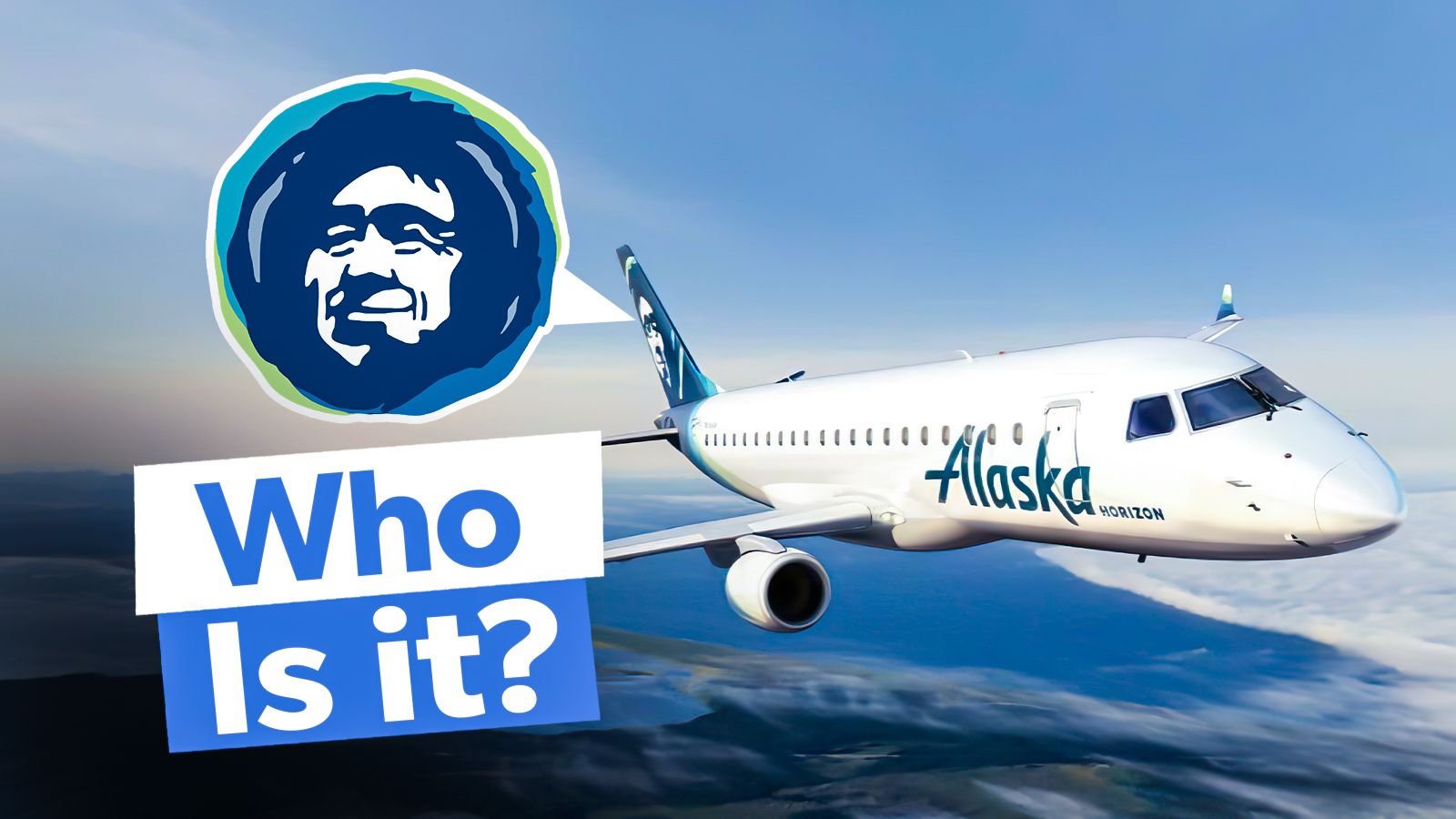
For millions of travelers across North America and beyond, the smiling face on the tail of an Alaska Airlines plane is an instantly recognizable and comforting symbol. It’s more than just a logo; it’s an enduring icon that embodies the airline’s deep roots, its commitment to the regions it serves, and a unique brand identity in the competitive world of air travel. This distinctive visage belongs to an Indigenous Alaskan figure, often colloquially referred to as the “Eskimo” man, whose presence on the airline’s livery tells a story of heritage, connection, and a pioneering spirit that has defined Alaska Airlines for decades.
The Enduring Symbol of Alaska Airlines
The smiling Indigenous Alaskan face has been the most consistent and iconic element of Alaska Airlines’ brand identity since its introduction. Far from being a random design choice, this emblem serves as a powerful visual anchor, representing the airline’s origins and its unwavering connection to the vast, diverse, and often challenging landscapes of Alaska. In an industry where corporate logos can often feel generic or abstract, this human face provides a touch of warmth and personality that resonates deeply with passengers.
A Legacy of Connection
The origins of Alaska Airlines are deeply intertwined with the history of flight in Alaska itself. Founded in 1932 as McGee Airways, the airline initially operated small aircraft, providing vital links between remote communities across the territory. These early days were characterized by daring pilots, challenging weather conditions, and a profound sense of service to isolated populations. The decision to feature an Indigenous Alaskan on its tail fins, which dates back to the 1970s, was a deliberate nod to this heritage and the people who were, and still are, central to the identity of Alaska. The face is specifically modeled after an Inupiat elder, chosen to represent the resilience, wisdom, and welcoming spirit of Alaska’s native peoples. This choice firmly rooted the airline’s brand in the cultural tapestry of its namesake state, distinguishing it sharply from competitors. For travelers, especially those venturing into the unique landscapes of the 49th state, this symbol immediately evokes a sense of place and authenticity. It hints at an experience that goes beyond mere transportation, suggesting a journey into the heart of Alaska itself.
Evolution of an Icon
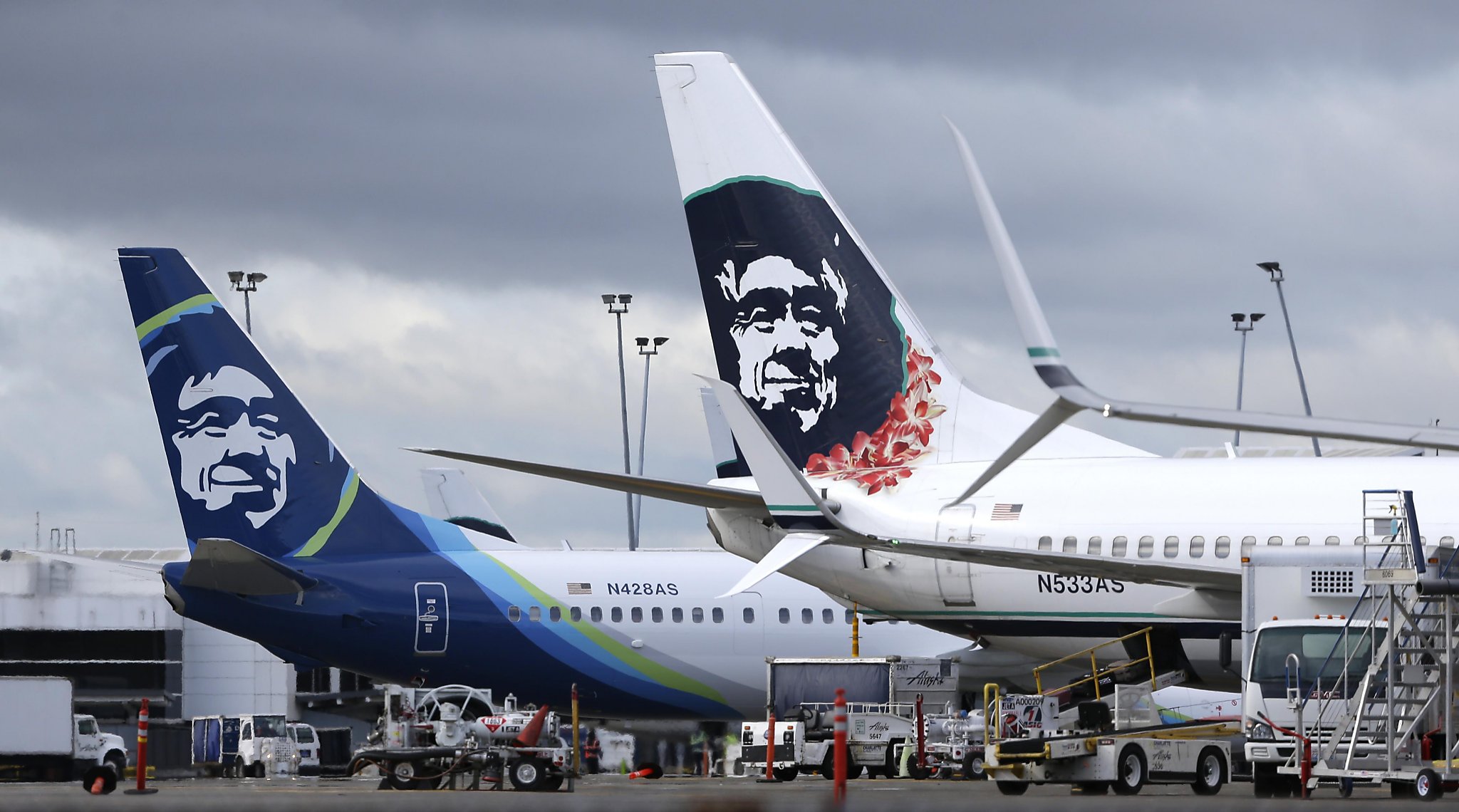
While the core imagery of the Indigenous Alaskan face has remained constant, its artistic rendition has evolved over the years, mirroring the airline’s own modernization and expansion. The initial design was more simplistic, but subsequent updates, notably in 1990 and 2016, refined the image, adding depth, detail, and a more contemporary feel. The 2016 refresh, in particular, introduced a brighter, more vibrant color palette and a slightly more detailed portrayal of the face, while retaining its iconic smile and overall character. These updates were carefully executed to ensure that the symbol remained recognizable and relevant without losing its historical essence. This strategic evolution highlights Alaska Airlines’ understanding of brand continuity and the power of a consistent visual identity in the travel industry. By maintaining this consistent “face,” the airline reinforces trust and familiarity among its loyal customer base, even as it expands its network and introduces new services.
Deciphering the Indigenous Figure: Cultural Significance in Travel Branding
The choice of an Indigenous Alaskan figure as a primary brand symbol carries significant cultural weight, especially within the context of travel and tourism. It’s a statement about identity, respect, and a nuanced understanding of the destination it represents. This symbol distinguishes Alaska Airlines from other carriers, imbuing it with a sense of place and purpose that transcends mere corporate branding.
Representation and Respect
The “Eskimo” face on Alaska Airlines’ tail has been a subject of discussion regarding cultural representation. The airline has consistently affirmed its intention to honor the native peoples of Alaska, stating that the figure represents the strength, dignity, and warmth of the communities it serves. The specific design is based on the likeness of an Inupiat elder who lived in the Kotzebue region, a significant hub for Alaska Airlines. This commitment to respectful representation is crucial in the modern travel landscape, where cultural authenticity and sensitivity are increasingly valued by travelers. By featuring a native face, the airline not only pays homage to its origins but also signals a connection to the rich cultural heritage of Alaska, inviting passengers to engage with this unique aspect of their travel experience. It subtly suggests that flying with Alaska Airlines is not just about reaching a destination, but about connecting with its soul.
Beyond a Mere Logo: Brand Identity in the Skies
In the bustling terminals and vast skies of global travel, a strong brand identity is paramount for airlines. The smiling Indigenous Alaskan face provides Alaska Airlines with a profoundly human and memorable identity. Unlike abstract logos or stylized wordmarks, this face evokes emotions: warmth, welcome, and a sense of adventure. For potential travelers, it serves as a visual shorthand for the values Alaska Airlines aims to embody – reliability, friendliness, and a genuine connection to its roots. This distinct identity helps the airline stand out in a crowded market, creating a sense of brand loyalty and recognition that is invaluable. It positions Alaska Airlines not just as a transportation provider, but as a gateway to authentic travel experiences, particularly those associated with the unique culture and natural beauty of Alaska and the Pacific Northwest. This powerful branding resonates especially with travelers seeking a sense of adventure and a connection to the local culture of their destination.
The Brand’s Journey: From Regional Carrier to Major Player
The journey of Alaska Airlines from a small regional operator to a significant player in the North American airline industry is a testament to strategic growth, customer focus, and a consistent brand message personified by its iconic tail logo. This growth has been carefully managed, ensuring that the airline’s expansion doesn’t dilute its distinctive identity or commitment to service.
Routes and Reach: Connecting the Pacific Northwest and Beyond
While its name firmly ties it to Alaska, Alaska Airlines has long transcended its regional origins. With major hubs in cities like Seattle, Portland, and Anchorage, the airline has established itself as a dominant force in the Pacific Northwest travel market. Its extensive route network now spans across the United States, Mexico, Costa Rica, and Canada, offering a diverse array of travel opportunities. This expansion has been organic and strategic, often involving partnerships and acquisitions, most notably that of Virgin America in 2016, which significantly bolstered its presence on the West Coast. Despite this growth, the smiling face on its planes continues to serve as a reminder of its roots, grounding its broader appeal in a unique sense of heritage and adventure. For travelers seeking connections across these regions, Alaska Airlines offers a reliable and recognizable option. Furthermore, its membership in the Oneworld Alliance has expanded its global reach, allowing passengers to connect seamlessly to an even wider network of international destinations, all while flying under the banner of that familiar smile.
Fleet and Future: Modernizing the Travel Experience
Alaska Airlines operates a modern fleet primarily consisting of Boeing 737 family aircraft, alongside regional jets operated by partners like Horizon Air and SkyWest Airlines. The airline continuously invests in fleet modernization, cabin enhancements, and technological advancements to improve the passenger travel experience. This includes rolling out high-speed Wi-Fi, enhancing in-flight entertainment options, and designing more comfortable seating arrangements. The future also sees the introduction of Boeing 737 MAX aircraft, which promise greater fuel efficiency and an improved environmental footprint. These operational advancements, while critical for a modern airline, are always paired with the consistent brand image. The commitment to innovation, coupled with the enduring “face,” signifies an airline that is forward-looking yet deeply respectful of its past. This blend of tradition and progress is a key differentiator in the travel sector, appealing to a broad spectrum of travelers who value both reliability and an engaging brand story.
The Alaska Airlines Experience: More Than Just a Flight
The success of Alaska Airlines in the travel industry is not solely attributed to its iconic branding or extensive route network. It is profoundly shaped by the overall travel experience it delivers, characterized by a distinct approach to customer service and a visible commitment to the communities it serves. The airline consciously cultivates an atmosphere that reflects the welcoming spirit symbolized by its tail fin.
Customer Service and Loyalty
In an industry often criticized for impersonal service, Alaska Airlines consistently ranks high in customer satisfaction. This reputation is built on a foundation of friendly staff, efficient operations, and a proactive approach to problem-solving. The airline’s loyalty program, Mileage Plan, is frequently lauded for its generous redemption options and ease of earning miles, fostering a deeply loyal customer base. For frequent travelers, the consistency of service and the reliability of the brand create a sense of familiarity and trust. This is a critical factor in encouraging repeat business and word-of-mouth recommendations, both of which are invaluable in the competitive travel market. The human face on the tail subtly reinforces this commitment to people-centric service, creating an expectation of a personable and positive travel journey, aligning perfectly with the desire for hassle-free and enjoyable experiences.
Community Engagement and Values
Beyond the operational aspects of air travel, Alaska Airlines actively engages with the communities it serves, particularly in Alaska and the Pacific Northwest. This commitment is manifested through various initiatives, including environmental sustainability programs, support for local charities, and investments in educational opportunities. The airline’s strong stance on social responsibility resonates with an increasing number of travelers who prefer to support companies that align with their values. This genuine engagement further strengthens the brand’s image as a responsible and caring entity, one that is truly connected to the people and places represented by its iconic symbol. Such community ties reinforce the idea that Alaska Airlines is not just a commercial enterprise but an integral part of the fabric of the regions it connects, enhancing its appeal as a preferred travel partner.
The Impact of a Recognizable Brand in the Travel Industry
In the dynamic and highly competitive global travel industry, establishing a recognizable and trusted brand is paramount. The smiling Indigenous Alaskan face on Alaska Airlines’ planes plays a pivotal role in this, serving as a powerful differentiator and a cornerstone of its market presence.
Standing Out in a Crowded Sky
With numerous airlines vying for passengers, standing out requires more than just competitive pricing; it demands a unique identity. The distinctive “face” provides Alaska Airlines with an immediate and memorable visual signature. It’s an emblem that evokes a specific geographical and cultural context, setting it apart from carriers with more generic or abstract branding. This unique visual identity, combined with its strong operational performance and customer service, allows Alaska Airlines to carve out a distinct niche. For travelers planning their next journey, this visual cue can be the subliminal factor that prompts them to choose Alaska Airlines over a competitor, drawn by the promise of an authentic and welcoming travel experience.
Fostering Trust and Familiarity
A consistent and well-understood brand image fosters trust and familiarity, two critical components in the travel industry where passengers often prioritize reliability and safety. The enduring presence of the Indigenous Alaskan face on Alaska Airlines’ aircraft, marketing materials, and digital platforms builds a strong sense of continuity and stability. This familiarity is reassuring, particularly for travelers embarking on long journeys or visiting unfamiliar destinations. It creates an emotional connection, transforming the airline from a mere service provider into a trusted travel companion. This deep-seated trust and familiarity are invaluable assets, contributing significantly to customer loyalty and positioning Alaska Airlines as a preferred choice for millions of travelers seeking an airline that is both reliable and imbued with a rich, authentic identity.
In conclusion, the face on Alaska Airlines is much more than a logo; it is the enduring heart of a brand that has grown from humble beginnings in the remote Alaskan wilderness to become a major force in North American air travel. It symbolizes a legacy of connection, a commitment to unique cultural representation, and a promise of a welcoming travel experience, making it an instantly recognizable and deeply cherished icon for travelers worldwide.
LifeOutOfTheBox is a participant in the Amazon Services LLC Associates Program, an affiliate advertising program designed to provide a means for sites to earn advertising fees by advertising and linking to Amazon.com. Amazon, the Amazon logo, AmazonSupply, and the AmazonSupply logo are trademarks of Amazon.com, Inc. or its affiliates. As an Amazon Associate we earn affiliate commissions from qualifying purchases.