
The question of who founded the New York Colony is not a simple one with a single, definitive answer. Unlike colonies established by a sole proprietor or a distinct religious group with a singular visionary, the origins of New York are a complex tapestry woven from the ambitions of European powers, the strategic acumen of individuals, and the economic imperatives of the burgeoning colonial era. While many names are associated with its early development, the true “founder” can be understood as a collective process rather than a solitary figure.
The Dutch Genesis: New Netherland and Its Patrons
The story of New York Colony begins not under English, but under Dutch rule. In the early 17th century, the Dutch Republic, a global maritime and commercial powerhouse, cast its gaze upon the fertile lands and strategic waterways of North America. The Dutch West India Company (WIC) was instrumental in this endeavor, chartered in 1621 with a mandate to explore, trade, and colonize the regions of Africa, the Americas, and the Pacific.
Henry Hudson’s Exploratory Voyage
A pivotal moment in the establishment of what would become New York was the 1609 voyage of English explorer Henry Hudson. Sailing under the Dutch East India Company flag, Hudson was searching for a northern passage to Asia. Though he did not find this elusive route, his exploration of the river that now bears his name, and the surrounding territories, provided the Dutch with invaluable geographical knowledge and ignited their interest in the region’s potential. This exploration laid the groundwork for future Dutch claims and settlement.
The Establishment of New Netherland
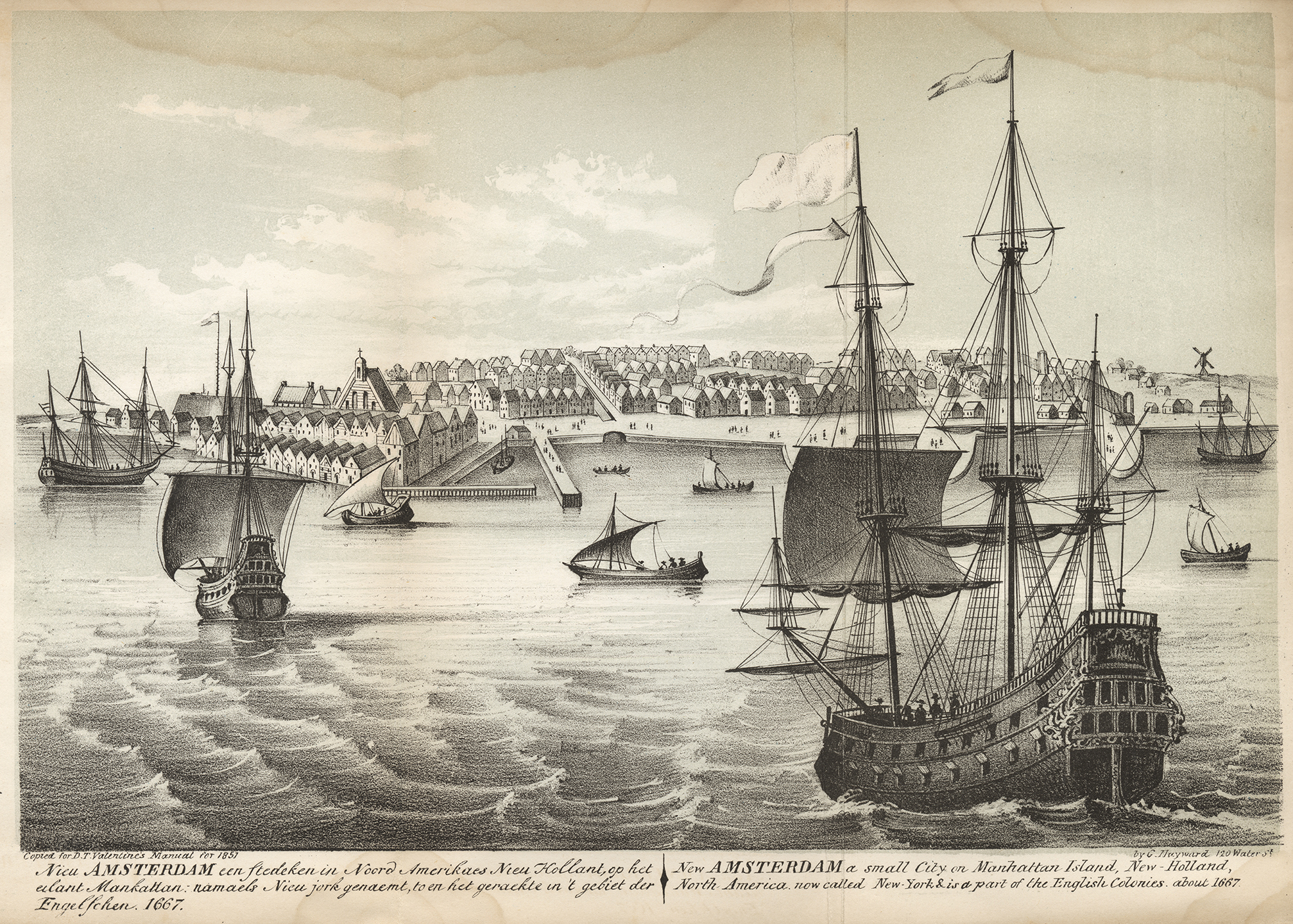
Following Hudson’s discoveries, Dutch fur traders began to frequent the area. The WIC, recognizing the economic opportunities, officially established the colony of New Netherland in 1624. The first permanent European settlement was Fort Orange, established in present-day Albany. A few years later, in 1626, Peter Minuit, the Director-General of New Netherland, famously purchased the island of Manhattan from the indigenous Lenape people for goods valued at 60 Dutch guilders. This marked the founding of New Amsterdam, which would later become New York City. While Minuit was a key figure in the administrative and economic development of the early colony, he acted on behalf of the Dutch West India Company, making the company a collective founder.
The English Conquest and Rebranding
The Dutch presence in North America, though significant, was ultimately short-lived. The colony of New Netherland was a valuable trading post, but it also became a point of contention between the Dutch and their expanding English neighbors. The seeds of its demise were sown in the geopolitical rivalries of the 17th century, culminating in open warfare.
The Anglo-Dutch Wars
The rivalry between England and the Dutch Republic escalated into a series of Anglo-Dutch Wars. The second of these wars provided the opportunity for the English to seize control of the strategically important colony. In 1664, a fleet of English ships arrived in New Amsterdam harbor, demanding its surrender.

The Transfer of Power
The Director-General of New Netherland at the time, Peter Stuyvesant, was fiercely protective of the Dutch presence and initially resistant to surrender. However, facing overwhelming military superiority and lacking significant support from the homeland, he was forced to cede the colony without a fight. The surrender was facilitated by the English promise to respect the property rights and religious freedoms of the Dutch inhabitants, a promise that largely held true.
Renaming and Reorganization
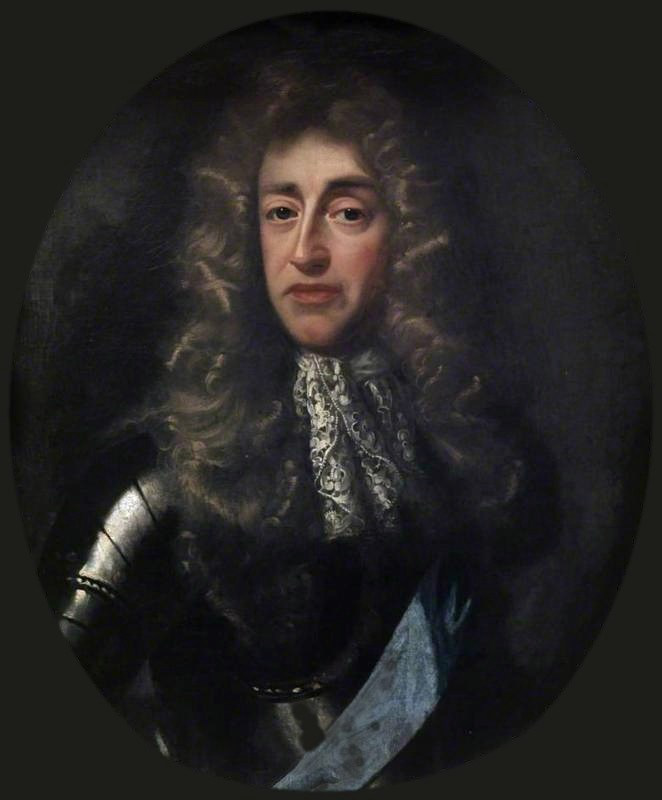
Upon taking control, the English renamed the colony and its principal city in honor of James, Duke of York and Albany, the brother of King Charles II of England. Thus, New Netherland became the Province of New York, and New Amsterdam became New York City. The administrative structure and legal system were gradually adapted to English colonial practices, though many Dutch influences persisted in language, culture, and law, particularly in areas like property rights.
The Legacy of Multiple Founders
Therefore, to ask “Who is the founder of New York Colony?” is to acknowledge a nuanced historical reality.
The Dutch West India Company and its Directors
The Dutch West India Company, through its investment, charter, and the actions of its appointed directors like Peter Minuit, can be considered the initial founders of the colonial enterprise in the region, establishing New Netherland.
English Crown and the Duke of York
The English Crown, through its military conquest and the subsequent granting of the territory to the Duke of York, effectively founded the New York Colony as it would be known for centuries. This transformation brought the region under English administration and integrated it into the larger British colonial system.
Indigenous Peoples
It is also crucial to acknowledge the original inhabitants of the land, the indigenous peoples such as the Lenape, who were present long before any European arrived. While they did not “found” the colony in the European sense, their presence, their interactions with the Europeans, and their eventual displacement are intrinsic to the history and founding narrative of the region.
In conclusion, the founding of New York Colony is a story of overlapping claims, strategic acquisitions, and significant transformations. It was a colony born of Dutch enterprise and later reshaped by English ambition, leaving a rich and diverse legacy that continues to define New York today.
LifeOutOfTheBox is a participant in the Amazon Services LLC Associates Program, an affiliate advertising program designed to provide a means for sites to earn advertising fees by advertising and linking to Amazon.com. Amazon, the Amazon logo, AmazonSupply, and the AmazonSupply logo are trademarks of Amazon.com, Inc. or its affiliates. As an Amazon Associate we earn affiliate commissions from qualifying purchases.