
In the heart of the [United States], a state rich in history, natural beauty, and a vibrant cultural tapestry, lies [Oklahoma] – often affectionately known as the [Sooner State]. Whether you’re planning a trip to explore its diverse landscapes, looking for unique accommodation options, or seeking insights into the local lifestyle, understanding the state’s leadership provides valuable context. The person at the helm plays a significant role in shaping policies that impact everything from tourism initiatives and infrastructure development to economic growth and the preservation of natural wonders. Currently, the governor of [Oklahoma] is [Kevin Stitt], a Republican who took office in January 2019 and was re-elected for a second term in 2022. His administration’s vision and actions have a tangible influence on the state’s appeal as a travel destination and its overall economic landscape, directly affecting visitors and residents alike.
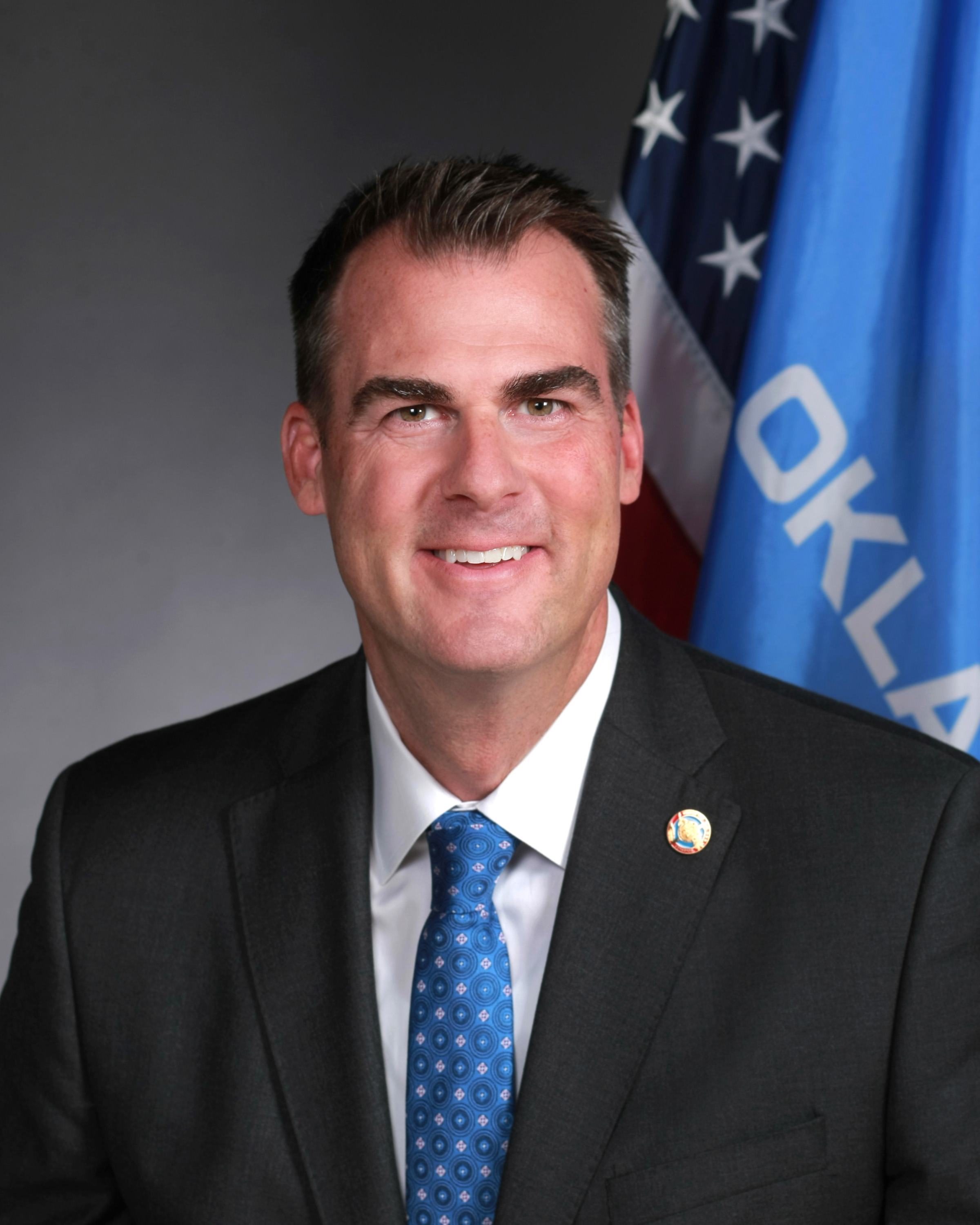
Governor Kevin Stitt: Leading the Sooner State
[Kevin Stitt] is a prominent figure in [Oklahoma] politics, bringing a background in business and entrepreneurship to the governor’s office. Before entering public service, he founded and led Gateway Mortgage Group, a successful mortgage company. This business acumen has heavily influenced his approach to state governance, with a strong emphasis on fiscal responsibility, economic development, and making [Oklahoma] a top-ten state for various metrics, including business growth and quality of life. His leadership style often focuses on efficiency, streamlining government operations, and fostering an environment conducive to private sector investment.The governor’s role extends far beyond political administration; it encompasses the strategic direction of the state, influencing everything from the maintenance of state parks to the promotion of cultural events. For travelers, this translates into direct impacts on the quality of attractions, the accessibility of destinations, and the overall visitor experience. A governor’s commitment to improving infrastructure, supporting local businesses, and enhancing public safety can significantly boost a state’s tourism sector, making it more attractive for both short-term visits and longer-term stays.
A Vision for Economic Growth and Tourism
Under Governor [Kevin Stitt]’s leadership, there has been a concerted effort to diversify [Oklahoma]’s economy and promote the state as a prime destination for both business and leisure travel. His administration has championed initiatives aimed at reducing regulatory burdens, attracting new industries, and investing in areas that enhance the state’s appeal. This focus on economic vitality indirectly, but powerfully, supports the tourism and accommodation sectors. When a state thrives economically, it often leads to increased investment in hotels, resorts, and tourism infrastructure.
For instance, policies that encourage entrepreneurship can lead to the emergence of new, innovative attractions, restaurants, and unique local experiences that draw visitors. Efforts to streamline processes for businesses, including those in the hospitality industry, can make it easier for new hotels, boutique accommodations, and travel-related services to open and flourish. Furthermore, a stable and growing economy often means more resources are available for public services, including the maintenance and enhancement of state parks, historical sites, and cultural institutions, which are key drivers for tourism. The governor’s vision for a “top ten state” is not just about raw economic numbers but also about creating an environment where communities, including those reliant on tourism, can prosper.
Oklahoma’s Allure: How State Leadership Shapes Travel and Tourism
The governance of [Oklahoma] has a profound impact on its ability to attract visitors and provide memorable experiences. State leadership influences everything from the preservation of its natural wonders to the development of its urban centers, directly shaping the travel and tourism landscape. Governor [Kevin Stitt]’s administration, like those before it, plays a crucial role in allocating resources, setting strategic priorities, and fostering partnerships that either enhance or hinder the state’s appeal. This means that government policies can directly affect the quality of a traveler’s journey, from the moment they consider visiting to their actual experiences on the ground.
One key aspect is the state’s commitment to showcasing its diverse heritage, which includes a rich Native American history and a pioneering spirit embodied in its western roots. A supportive state government can fund museums, cultural centers, and historical preservation projects that make these stories accessible and engaging for visitors. Similarly, strategic investments in the arts and culinary scenes in major cities like [Oklahoma City] and [Tulsa] can elevate the state’s profile as a cultural hotspot, drawing in those seeking vibrant urban experiences.
Investing in Oklahoma’s Natural Beauty and Cultural Heritage
[Oklahoma] boasts a surprising array of natural landscapes, from the rolling plains and dense forests to stunning lakes and mountains. The governor’s administration plays a vital role in the protection and promotion of these assets. State parks, wildlife refuges, and recreational areas like [Lake Murray State Park], [Beavers Bend State Park], and [Robbers Cave State Park] all benefit from state funding for maintenance, trails, campgrounds, and visitor centers. A proactive approach to environmental conservation and outdoor recreation development directly enhances the state’s appeal for eco-tourists, adventure seekers, and families looking for outdoor experiences. The [Wichita Mountains Wildlife Refuge], for example, offers stunning landscapes and wildlife viewing, attracting thousands annually, and its accessibility and infrastructure are often tied to state and federal collaboration.Beyond nature, [Oklahoma]’s deep cultural roots are a significant draw. The state is home to 39 federally recognized Native American tribes, each with a unique heritage and story. Initiatives to support and promote institutions like the [Chickasaw Cultural Center] in [Sulphur], the [Cherokee Nation]’s historical sites, or the [Choctaw Nation]’s events are critical for cultural tourism. The [First Americans Museum] in [Oklahoma City] stands as a testament to the state’s commitment to celebrating this rich history, a project that required substantial state support and vision. Additionally, sites like the [Will Rogers Memorial Museum] in [Claremore] and the [Woolaroc Museum & Wildlife Preserve] near [Bartlesville] offer glimpses into the state’s cowboy and oil boom past, with their continued operation often relying on a combination of state support, private funding, and robust tourism promotion. The governor’s office is instrumental in ensuring these cultural gems are preserved and made accessible to both Oklahomans and global visitors.

Enhancing Infrastructure for Seamless Journeys
For any state looking to boost its tourism, robust infrastructure is non-negotiable. This includes well-maintained roads, efficient airports, and modern public transportation options. Governor [Kevin Stitt]’s focus on economic efficiency and growth naturally extends to infrastructure development. Improvements to the state’s highway system make cross-state travel smoother for road-trippers exploring iconic stretches of [Route 66] or venturing into the scenic [Ouachita National Forest]. Airports like [Will Rogers World Airport] in [Oklahoma City] and [Tulsa International Airport] are crucial gateways, and state-level support for their expansion and modernization enhances connectivity for domestic and international travelers.
Furthermore, urban infrastructure projects directly impact the visitor experience in major cities. The development of walkable districts, public parks like [Scissortail Park] in [Oklahoma City], and public transportation systems such as the [OKC Streetcar] make exploring metropolitan areas more convenient and enjoyable. These advancements are often the result of strategic planning, funding allocation, and inter-agency cooperation championed by state leadership. By prioritizing infrastructure, the governor’s administration contributes significantly to the overall attractiveness and accessibility of [Oklahoma] as a premier travel destination, making it easier for visitors to navigate and appreciate all the [Sooner State] has to offer.
Exploring Oklahoma: Premier Destinations and Accommodation
[Oklahoma] offers a fascinating blend of urban sophistication, historical depth, and untamed natural beauty, making it an increasingly popular destination for a wide range of travelers. The state’s leadership plays a pivotal role in promoting these diverse attractions and fostering an environment where top-tier accommodations can thrive, catering to every style of travel, from luxury escapes to budget-friendly family trips.Urban Adventures: Oklahoma City and Tulsa
[Oklahoma City]: As the state capital and largest city, [Oklahoma City] is a dynamic hub of culture, business, and entertainment. The city has undergone significant revitalization, particularly in areas like the [Bricktown Entertainment District], known for its canal cruises, vibrant nightlife, and diverse dining options. Visitors can explore the solemn beauty of the [Oklahoma City National Memorial & Museum], a tribute to resilience and remembrance, or immerse themselves in the thriving arts scene of the [Paseo Arts District]. Family-friendly attractions such as [Science Museum Oklahoma] and [Frontier City] theme park also draw crowds. For those seeking accommodation, [Oklahoma City] offers a range of choices, from historic luxury at [The Skirvin Hilton Oklahoma City], a landmark hotel dating back to 1911, to contemporary chic at the [21c Museum Hotel Oklahoma City], which combines a boutique hotel experience with a contemporary art museum. The presence of major business centers also means a strong selection of corporate-friendly hotels and long-term stay options, supporting business travel. The [Myriad Botanical Gardens] offers an urban oasis, a testament to the city’s commitment to green spaces, often supported by state and local initiatives.
[Tulsa]: Located in northeastern [Oklahoma], [Tulsa] is another vibrant metropolis celebrated for its art deco architecture, burgeoning arts scene, and rich musical heritage. The city boasts world-class museums such as the [Philbrook Museum of Art], set in a stunning villa, and the [Woody Guthrie Center], dedicated to the legendary folk singer. A major highlight is [Gathering Place], a massive, award-winning public park along the [Arkansas River], offering playgrounds, skate parks, and diverse programming for all ages. Accommodation in [Tulsa] ranges from the historic elegance of [The Mayo Hotel], an iconic art deco landmark, to modern luxury at the [Ambassador Hotel Tulsa]. For those seeking entertainment and resort amenities, the [River Spirit Casino Resort] offers a comprehensive experience with gaming, dining, and live performances. The city’s economic development, bolstered by state policies, has encouraged the growth of these hospitality options, catering to both tourists and business travelers.
Beyond the Cities: Natural Wonders and Unique Stays
While [Oklahoma]’s cities offer exciting adventures, the state’s rural areas and natural landscapes provide equally compelling reasons to visit. For nature enthusiasts, the southeastern region around [Broken Bow] is a prime destination, offering cabin rentals and outdoor activities near [Beavers Bend State Park] and the scenic [Ouachita National Forest]. Here, visitors can enjoy fishing, hiking, and water sports in a tranquil setting. Other natural attractions include [Lake Texoma], a massive reservoir straddling the [Oklahoma]-[Texas] border, famous for its fishing and boating, and [Quartz Mountain Resort Arts & Conference Center] near [Lone Wolf], which combines outdoor recreation with cultural programs.
The state’s commitment to preserving its natural beauty, often championed through state park systems and environmental initiatives, ensures these areas remain pristine and accessible. Accommodation in these regions often leans towards unique, experience-driven stays, such as rustic cabins, glamping sites, and cozy bed and breakfasts, providing an intimate connection with [Oklahoma]’s landscape. These types of accommodations are increasingly popular for those seeking a retreat from urban life, and state tourism boards actively promote them. Whether it’s a luxurious resort stay by a lake, a charming historic hotel in a bustling city, or a secluded cabin in the wilderness, [Oklahoma]’s diverse accommodation landscape, influenced by both market demand and supportive state policies, ensures there is a perfect place for every traveler.
The Future of Travel and Lifestyle in the Sooner State
The dynamic leadership of Governor [Kevin Stitt] continues to shape the trajectory of [Oklahoma], influencing not only its economy but also its appeal as a destination for travelers and a home for residents. His administration’s focus on economic growth, infrastructure improvement, and the efficient operation of state services lays a crucial foundation for the future of travel and lifestyle in the [Sooner State].
As [Oklahoma] continues to grow, it is poised to offer even more diverse and enriching experiences. Ongoing investments in transportation networks will further enhance accessibility, making it easier for visitors to explore the state’s hidden gems and iconic landmarks. The sustained emphasis on fostering a strong economy is expected to attract more businesses, leading to an expansion of high-quality hotels, resorts, and unique accommodations across various price points, from luxury travel to budget-friendly options. This means more choices for travelers, whether they are planning family trips, business stays, or adventurous explorations.
Furthermore, continued support for cultural institutions and natural parks will ensure that [Oklahoma]’s rich heritage and stunning landscapes remain protected and promoted. This commitment enhances the local culture, food scene, and activities available to visitors, creating a more authentic and engaging experience. As the state strives to achieve its “top ten” aspirations, the ripple effect will undoubtedly be seen in a flourishing tourism industry, a vibrant lifestyle for its residents, and an increasingly prominent position on the national and international travel map. The vision cast by state leadership directly contributes to [Oklahoma]’s evolving identity as a welcoming, dynamic, and unforgettable destination.
LifeOutOfTheBox is a participant in the Amazon Services LLC Associates Program, an affiliate advertising program designed to provide a means for sites to earn advertising fees by advertising and linking to Amazon.com. Amazon, the Amazon logo, AmazonSupply, and the AmazonSupply logo are trademarks of Amazon.com, Inc. or its affiliates. As an Amazon Associate we earn affiliate commissions from qualifying purchases.