
Understanding the leadership of Hawaii is essential for any traveler looking to understand the cultural and political landscape of the Aloha State. As of December 2022, the Ninth Governor of Hawaii is Josh Green. While a governor’s role is primarily administrative and legislative, in a destination so deeply tied to its natural environment and indigenous culture, the person at the helm of the Hawaii State Capitol significantly influences how tourism is managed, how the land is protected, and how visitors interact with the local community.
The Leadership of Josh Green and the Future of Hawaii Tourism
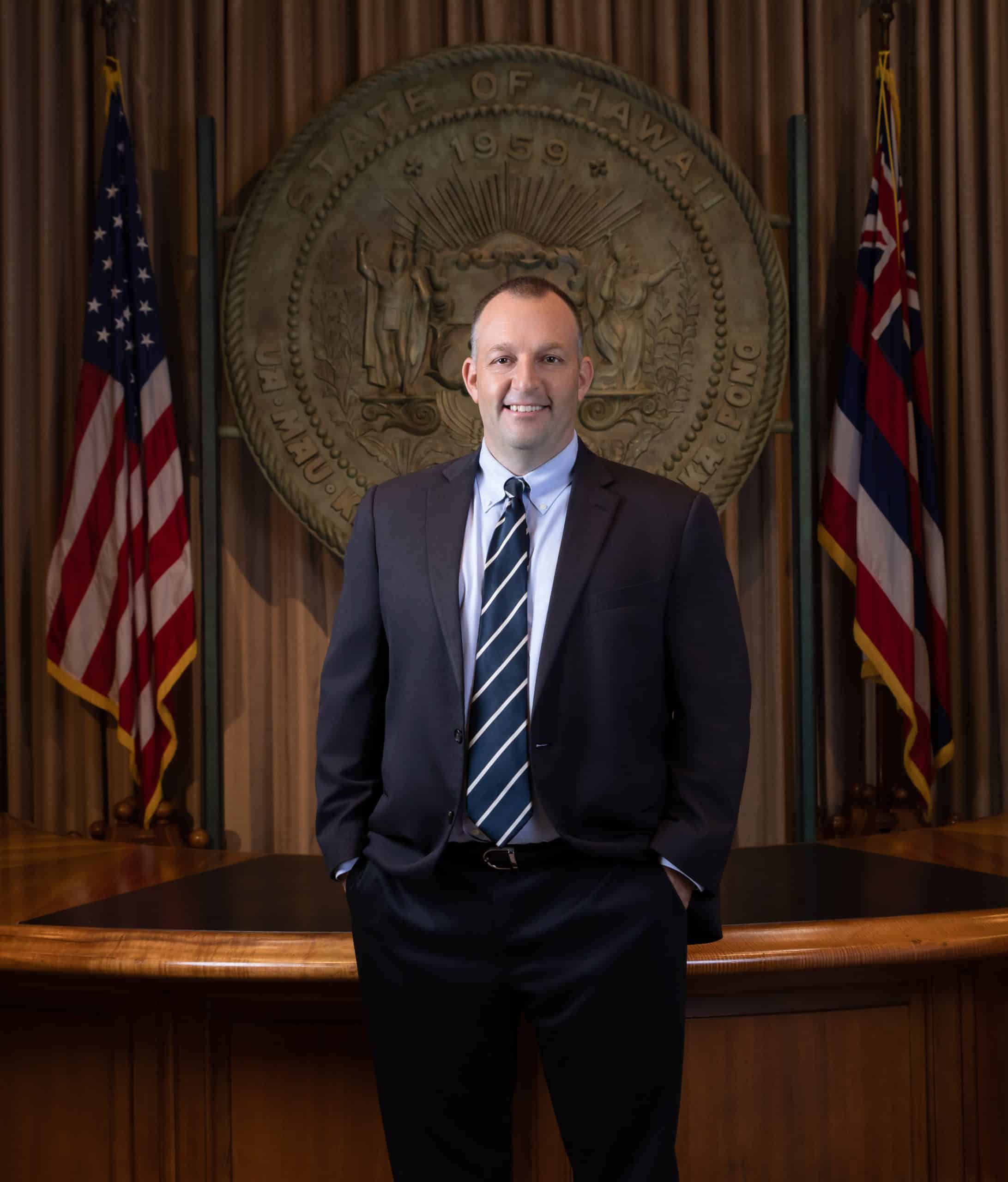
Josh Green brought a unique background to the office of the governor. Originally from the United States mainland, he moved to the Big Island to practice medicine in rural communities. This experience as a physician in Kau has deeply informed his approach to governance, focusing heavily on public health, housing, and the delicate balance of the islands’ economy. For the tourism sector, his leadership marks a pivotal shift from the “volume-over-value” model of the past toward a more regenerative and sustainable framework.
From Emergency Medicine to the Governor’s Office
Before becoming governor, Josh Green served as the Lieutenant Governor under David Ige and was a prominent figure during the state’s response to global health crises. His transition into the governorship was defined by a promise to address the high cost of living for residents while ensuring that the primary economic engine—tourism—does not erode the quality of life for those who call Oahu, Maui, and the other islands home.
For a visitor, this means that the Hawaii you experience today is one that is increasingly focused on “Malama,” a Hawaiian word meaning to care for, tend, or preserve. Under the Green administration, there is a clear push to ensure that travelers are not just consumers of the scenery but active participants in the preservation of the Pacific Ocean ecosystems and the local traditions.
Setting a New Agenda for the Aloha State
The governor works closely with the Hawaii Tourism Authority and the Department of Business, Economic Development and Tourism to refine the visitor experience. One of the hallmark goals of the current administration is to diversify the economy so that the state is less vulnerable to fluctuations in global travel. However, tourism remains the backbone of the economy in Honolulu and beyond.
Visitors might notice the effects of this leadership through updated policies regarding short-term rentals and increased support for local agriculture. By encouraging “farm-to-table” initiatives, the administration helps tourists support local farmers in Upcountry Maui or the Hamakua Coast, ensuring that the money spent by travelers circulates within the local community rather than leaking out to multinational corporations.
Protecting the Aina: Tourism Policy and Environmental Stewardship
Perhaps the most significant impact Josh Green has had on the tourism industry involves environmental stewardship. The concept of the “Aina”—the land that nourishes—is central to Native Hawaiian culture. The governor has been a vocal advocate for a “Green Fee” or a climate impact fee, which would require tourists to pay a small tax that goes directly toward the conservation of State Parks and the protection of endangered species.
The Climate Impact Fee and Sustainable Travel
While the specific legislative mechanics of a “visitor fee” are often debated in the Hawaii State Legislature, the intent under the current governor is clear: tourism must pay for its own environmental footprint. Travelers visiting iconic spots like Diamond Head State Monument or Haleakala National Park are already seeing the implementation of reservation systems. These systems, supported by the administration, are designed to prevent overcrowding and reduce the physical wear and tear on the trails and volcanic landscapes.
By managing the flow of people into sensitive areas like Haena State Park on Kauai, the governor’s policies ensure that the natural beauty of the Garden Isle remains intact for future generations. This shift toward “managed tourism” is a direct response to the “overtourism” concerns that peaked in the late 2010s.
Managing High-Traffic Destinations like Hanauma Bay
The administration’s focus also extends to marine conservation. Places like Hanauma Bay Nature Preserve have become case studies for the governor’s vision. By strictly limiting daily visitors and requiring educational sessions before entering the water, the state is successfully reviving coral reefs that were once dying. As a traveler, understanding that these rules come from the highest levels of state government—intended to protect the Pacific Ocean biodiversity—helps frame the reservation process as an act of conservation rather than a mere inconvenience.
Cultural Integrity and the Governor’s Role in Heritage Tourism

Tourism in Hawaii is not just about the beaches; it is about the living culture of the Polynesian people. Governor Josh Green and Lieutenant Governor Sylvia Luke have emphasized the importance of elevating Native Hawaiian voices within the tourism sector. This is often referred to as “Heritage Tourism” or “Cultural Tourism,” where the focus is on the authentic history of the islands rather than a commercialized version of it.
Supporting the Native Hawaiian Community
The governor’s office plays a crucial role in managing the Department of Hawaiian Home Lands and working with organizations like the Office of Hawaiian Affairs. For the tourist, this leadership manifests in the types of experiences that are promoted. There is a growing movement to encourage visitors to explore sites like Iolani Palace, the only royal palace on United States soil, to learn about the Kingdom of Hawaii.
Under the current administration, there is also a push to ensure that Hawaiian language—Olelo Hawaii—is visible and respected. When you see bilingual signage at Daniel K. Inouye International Airport or hear traditional greetings, it is part of a broader state-led effort to normalize and celebrate the indigenous culture of the islands.
Celebrating Traditions: The Merrie Monarch and Beyond
The governor often participates in major cultural events like the Merrie Monarch Festival in Hilo. This festival, which celebrates the art of Hula, is a cornerstone of the state’s cultural identity. Leadership at the state level ensures that such festivals receive the institutional support necessary to thrive. For travelers, these events offer a window into the soul of Hawaii, and the governor’s presence underscores the state’s commitment to these traditions.
Navigating Crisis and Recovery: The Maui Perspective
A defining moment for Josh Green as governor was his leadership during and after the devastating Lahaina wildfires in August 2023. This tragedy reshaped the conversation around tourism on Maui. In the immediate aftermath, the governor had to balance the urgent needs of displaced residents with the economic reality that West Maui relies heavily on visitor spending.
Rebuilding Lahaina with a Vision for the Future
The governor’s approach to the recovery of Lahaina has been one of caution and respect. He famously urged tourists to stay away from the fire-damaged areas of West Maui in the weeks following the disaster, but later invited them back to other parts of the island like Wailea and Kahului to prevent an economic collapse. This “compassionate tourism” model is a key takeaway for any modern visitor: your choice of where to stay and where to eat can be a form of disaster relief.
The rebuilding process, overseen by the governor’s task forces, focuses on creating a more resilient Lahaina. This includes discussions on water rights and land usage—issues that are invisible to most tourists but are critical to the survival of the community. As a visitor, being aware of the governor’s directives regarding Maui helps you navigate the island with the appropriate level of sensitivity.
Tourism as a Tool for Economic Resilience
Governor Josh Green has frequently stated that “Hawaii needs tourism, but tourism needs to be better for Hawaii.” This philosophy is particularly evident in the recovery efforts. By promoting the Malama Maui campaign, the administration encouraged travelers to return to the island not just for the beaches of Kaanapali, but to support the local artisans and business owners who lost everything. The governor’s role in this context is as a communicator-in-chief, bridging the gap between a grieving local population and a global audience of travelers.
Practical Tips for the Modern Visitor Under Current Leadership
When you visit Hawaii today, you are stepping into a jurisdiction that is actively trying to redefine its relationship with the outside world. The governor’s policies influence everything from the tax on your hotel room to the availability of parking at your favorite trailhead.
Understanding Local Regulations and Etiquette
Under the Green administration, there is a heightened emphasis on following local laws, particularly those concerning protected wildlife like the Hawaiian Monk Seal and the Green Sea Turtle. State enforcement through the Department of Land and Natural Resources has become more visible at popular spots like Laniakea Beach on the North Shore of Oahu.
Furthermore, the governor has supported initiatives that limit the growth of illegal short-term rentals in residential neighborhoods. For travelers, this means that booking through reputable Hotels or licensed Resorts in designated tourism zones like Waikiki or Ko Olina is more important than ever. By staying in legal accommodations, you ensure that your stay contributes to the state’s tax base, which in turn funds the infrastructure you use.
Exploring Beyond the Surface
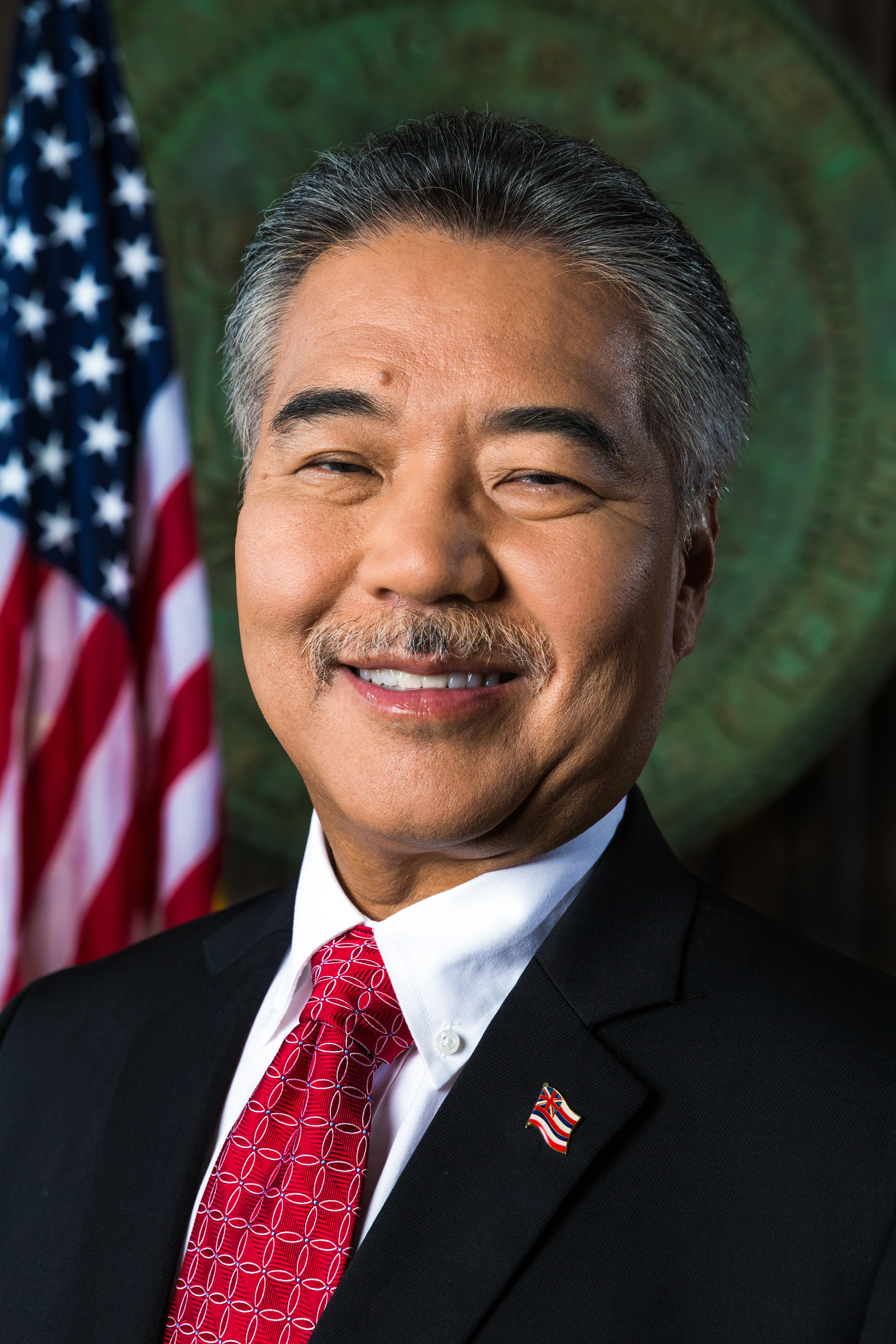
To truly understand the Hawaii governed by Josh Green, one should look toward the state’s historical sites. A visit to Washington Place, the former home of Queen Liliuokalani and the current site of the Governor’s Mansion, provides a profound sense of the political history of these islands. The governor often hosts events here that bridge the gap between the state’s royal past and its democratic present.
In conclusion, while the question “Who is the Hawaii Governor?” has a simple answer—Josh Green—the implications of his leadership for the tourism industry are vast. From pushing for environmental fees to navigating the recovery of Maui, his administration is crafting a version of Hawaii that is more sustainable, more culturally grounded, and more resilient. For the traveler, this means a more meaningful experience, provided they are willing to travel with the spirit of Malama in their hearts. Whether you are surfing the waves at Waikiki, hiking the trails of Koke’e State Park, or paying respects at Pearl Harbor, the influence of the governor’s office is woven into the very fabric of your journey.
LifeOutOfTheBox is a participant in the Amazon Services LLC Associates Program, an affiliate advertising program designed to provide a means for sites to earn advertising fees by advertising and linking to Amazon.com. Amazon, the Amazon logo, AmazonSupply, and the AmazonSupply logo are trademarks of Amazon.com, Inc. or its affiliates. As an Amazon Associate we earn affiliate commissions from qualifying purchases.